
 Worksheets
3G2 COMP Lesson 2_Light and Shadow
Total questions: 60
Worksheet time: 30mins
What will students learn about shadows at the end of the lesson?
How light makes shadows
How to make shadows disappear
How to create colorful shadows
How shadows can be used to tell time
What tools will students use to measure and compare shadows?
Magnifying glasses and rulers
Lights and simple tools
Mirrors and flashlights
Cameras and notebooks
What behavior is encouraged during the light experiments?
Curiosity and teamwork
Silence and observation
Speed and competition
Independence and focus

What does the image represent?
A map of the world.
A globe showing day and night.
A picture of the moon.
A drawing of the sun.
Why do different countries have different times of day?
Because the Earth is flat.
Because the Earth rotates on its axis.
Because the sun moves around the Earth.
Because the moon changes its position.
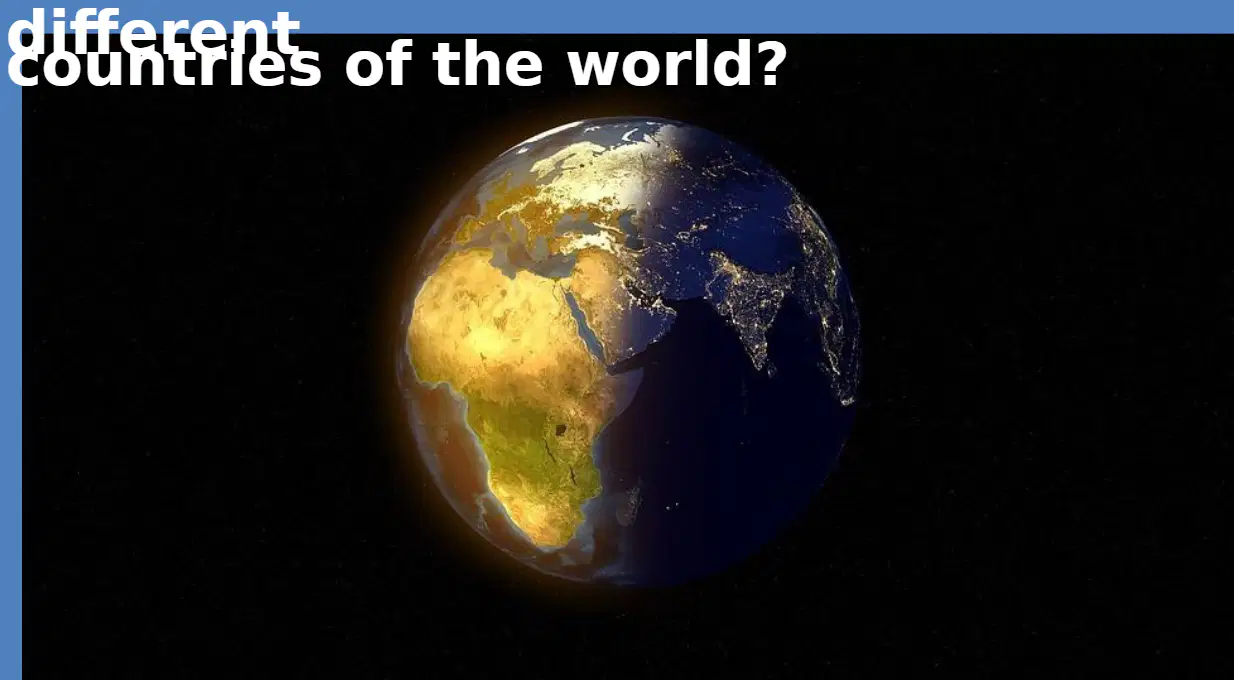
What part of the Earth is experiencing daytime in the image?
The part facing the sun.
The part facing the moon.
The part covered in darkness.
The part near the poles.

What part of the Earth is experiencing nighttime in the image?
The part facing the sun.
The part covered in darkness.
The part near the equator.
The part near the poles.

What part of the eye controls the amount of light entering it?
Pupil
Retina
Eyelid
Optic Nerve
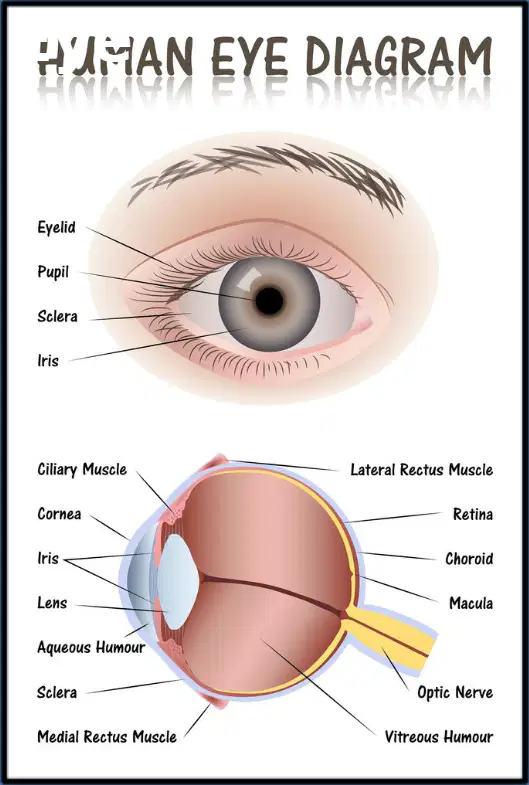
Which part of the eye helps focus light onto the retina?
Cornea
Lens
Iris
Sclera
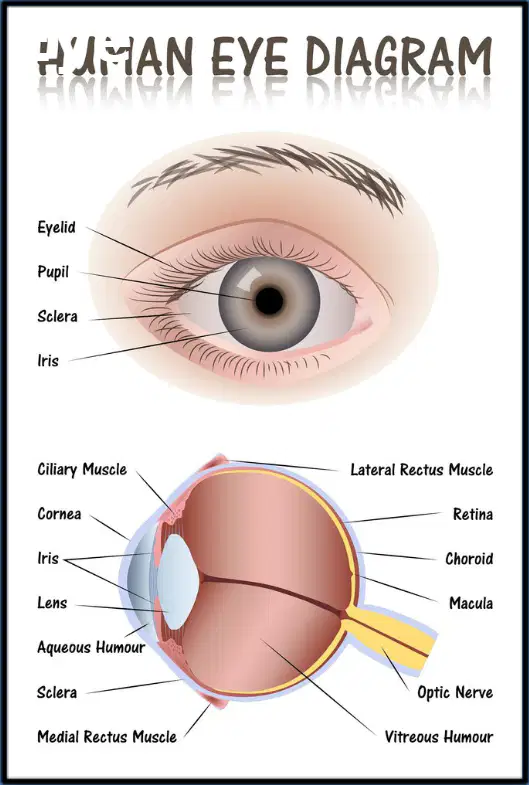
What is the function of the optic nerve in the eye?
It controls the movement of the eye.
It sends visual information to the brain.
It protects the eye from dust.
It adjusts the size of the pupil.
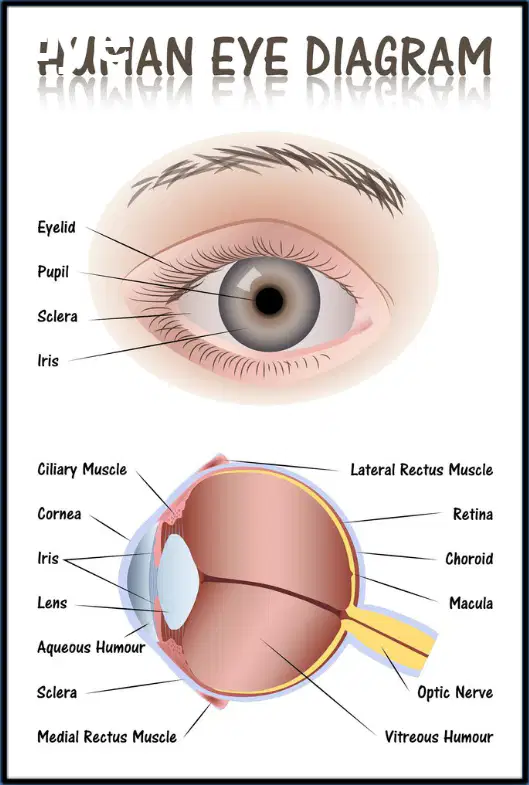
Which part of the eye is responsible for detecting light and color?
Retina
Iris
Sclera
Eyelid

What is the outermost layer of the eye called?
Cornea
Sclera
Retina
Iris
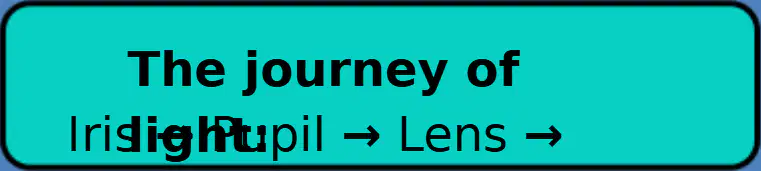
What is the correct order of the journey of light through the human eye as shown in the diagram?
Iris → Pupil → Lens → Retina
Pupil → Lens → Retina → Iris
Lens → Retina → Iris → Pupil
Retina → Lens → Pupil → Iris
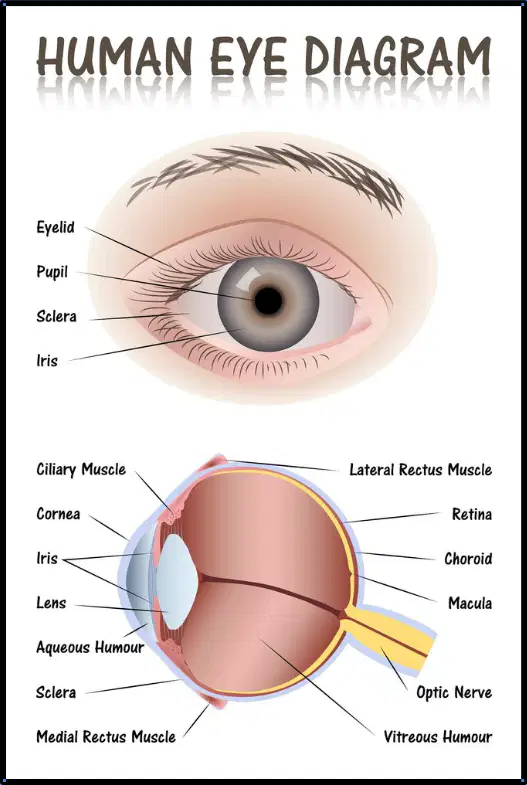
Which part of the eye is responsible for controlling the amount of light entering the eye?
Iris
Retina
Lens
Sclera
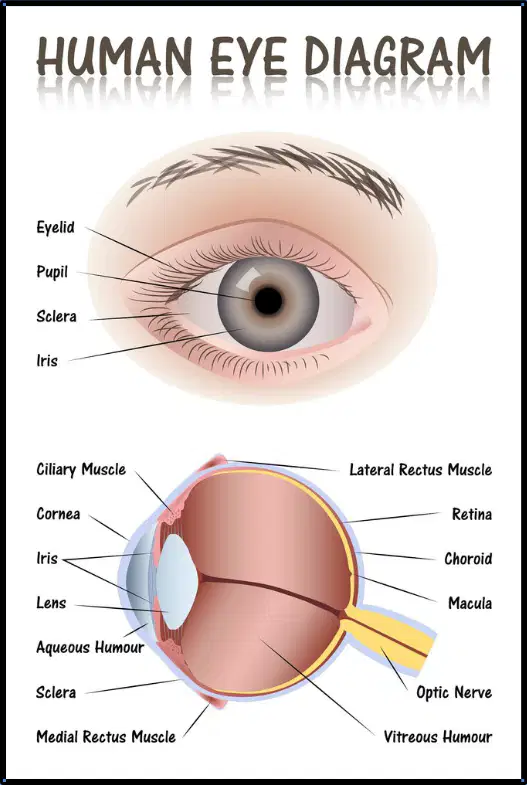
What is the function of the retina in the human eye?
To focus light onto the lens
To detect light and send signals to the brain
To control the size of the pupil
To protect the eye from dust

Which part of the eye is transparent and helps to focus light onto the retina?
Lens
Sclera
Retina
Eyelid
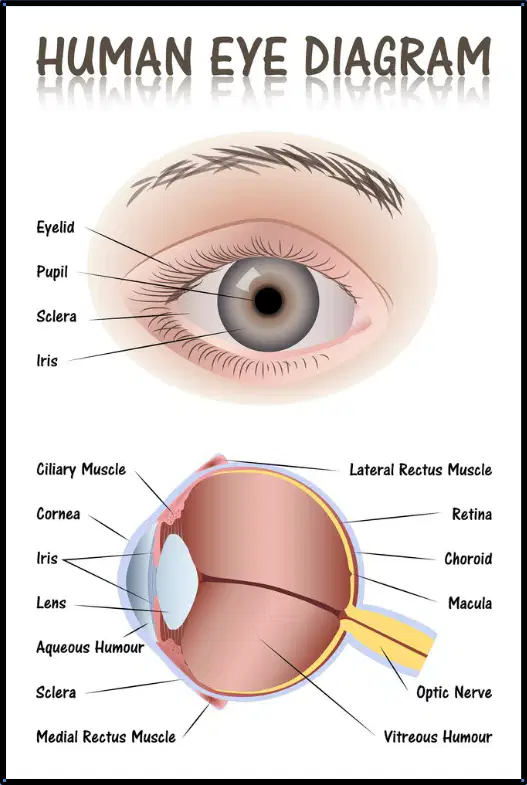
What is the outermost white part of the eye called?
Sclera
Cornea
Retina
Iris
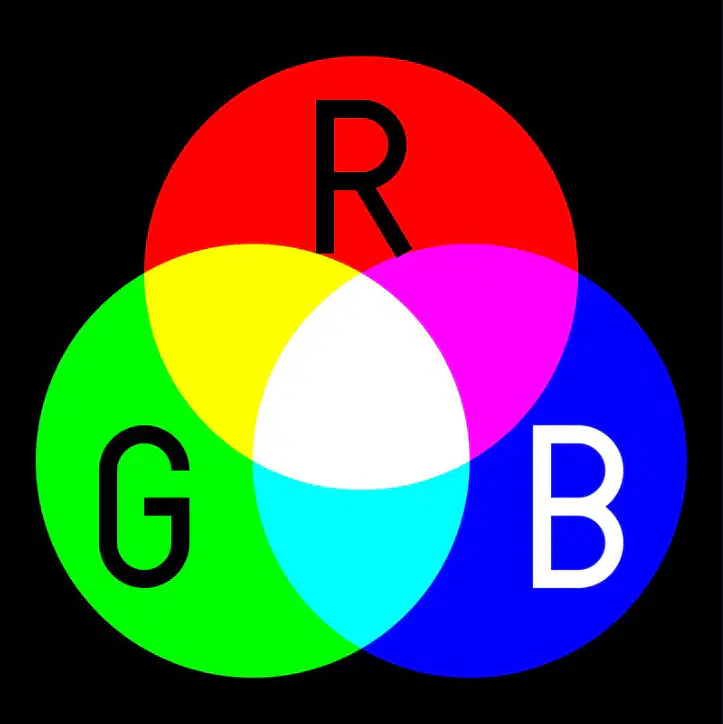
What does white light consist of?
White light is made of only red light.
White light is made of only green light.
White light is made of red, green, and blue light.
White light is made of only blue light.
What happens when red, green, and blue cone cells are activated together?
The light appears black.
The light appears white.
The light appears yellow.
The light appears purple.
What do objects reflect to create colors?
Objects reflect wavelengths of light.
Objects reflect sound waves.
Objects reflect heat waves.
Objects reflect water waves.
What are the three color receptors in our eyes?
Red, yellow, and blue.
Red, green, and blue.
Yellow, green, and purple.
Red, orange, and purple.
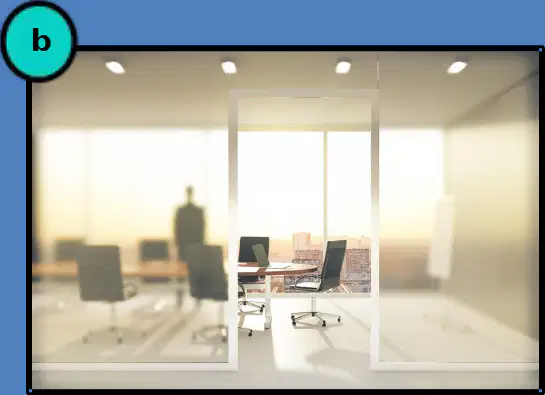
What is the term used to describe a material that allows some light to pass through but not all, making objects appear blurry?
Translucent
Transparent
Opaque
Reflective
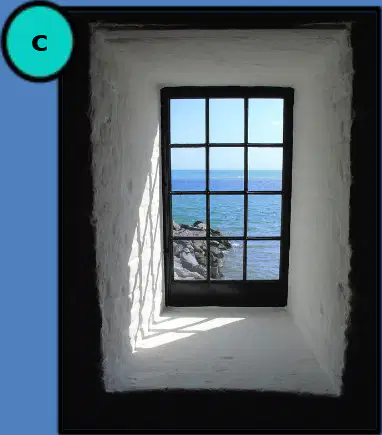
Which material allows light to pass through completely, making objects on the other side clearly visible?
Translucent
Transparent
Opaque
Reflective
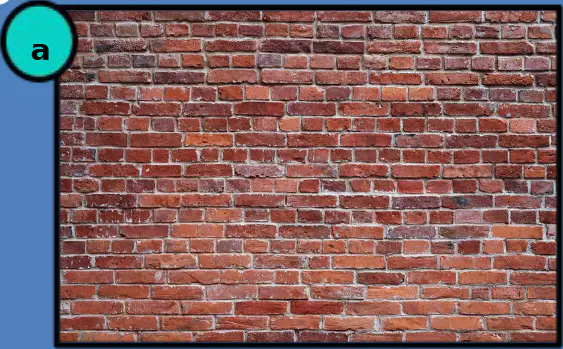
What is the term for a material that does not allow any light to pass through?
Translucent
Transparent
Opaque
Reflective
What type of material allows all light to pass through it?
Transparent
Translucent
Opaque
Reflective
Which material allows some light to pass through it?
Transparent
Translucent
Opaque
Reflective
What type of material does not allow any light to pass through it?
Transparent
Translucent
Opaque
Reflective
Which of the following is an example of a transparent material?
Window
Sunglasses
Backpack
Mirror
Which of the following is an example of a translucent material?
Window
Sunglasses
Backpack
Mirror
Which of the following is an example of an opaque material?
Window
Sunglasses
Backpack
Mirror
What does the term "Opaque" mean?
Allows all light to pass through
Blocks all light from passing through
Allows some light to pass through
Changes the color of light
What is the function of the "Pupil" in the eye?
To focus light onto the retina
To control the amount of light entering the eye
To detect colors
To protect the eye from dust

What does "Transparent" mean?
Allows all light to pass through
Blocks all light from passing through
Allows some light to pass through
Changes the direction of light

What is "Color blindness"?
The inability to see any colors
Difficulty in distinguishing certain colors
The ability to see only black and white
A condition where the eye cannot focus light

What does "Translucent" mean?
Allows all light to pass through
Blocks all light from passing through
Allows some light to pass through
Changes the color of light
What is the "Lens" in the eye responsible for?
Detecting colors
Focusing light onto the retina
Controlling the amount of light entering the eye
Protecting the eye from dust
What is the "Iris" in the eye responsible for?
Detecting colors
Controlling the size of the pupil
Focusing light onto the retina
Protecting the eye from dust

What is the "Retina" in the eye responsible for?
Detecting light and sending signals to the brain
Controlling the size of the pupil
Focusing light onto the lens
Protecting the eye from dust
What does the term "opaque" mean?
Allows all light to pass through
Allows some light to pass through
Does not allow light to pass through
Reflects all light
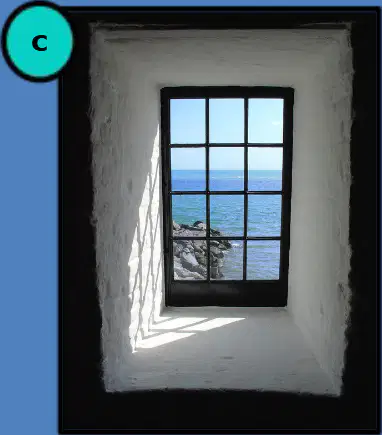
Which material is "transparent"?
A brick wall
Frosted glass
Clear glass window
A wooden door
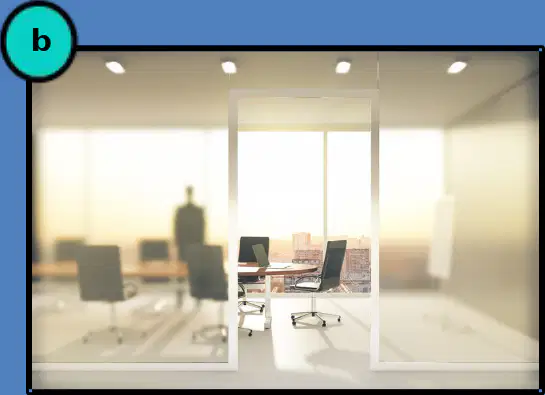
What is an example of a "translucent" material?
A brick wall
Frosted glass
Clear glass window
A mirror
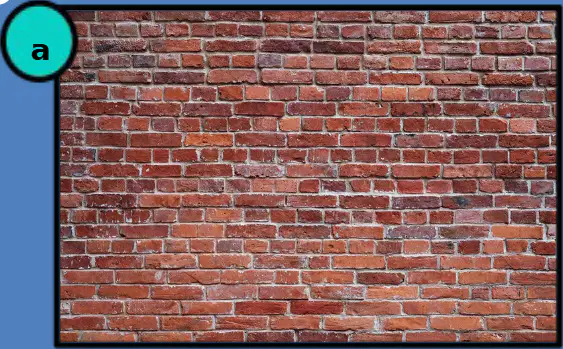
Which material does not allow light to pass through at all?
Clear glass window
Frosted glass
A brick wall
A plastic sheet
What is the difference between white light and red light?
Red light is a combination of different colors.
Red and white light are made from the same combination of colors.
White light is a combination of red, green, and blue.
White light is made from only one color.
What is the difference between white light and red light?
White light is made of only red color.
Red light is a combination of all colors.
White light is a combination of red, green, and blue.
Red light is brighter than white light.
How does the eye use light to see objects?
The eye creates its own light to see objects.
The eye uses light reflected from objects to see them.
The eye does not need light to see objects.
The eye uses sound waves to see objects.
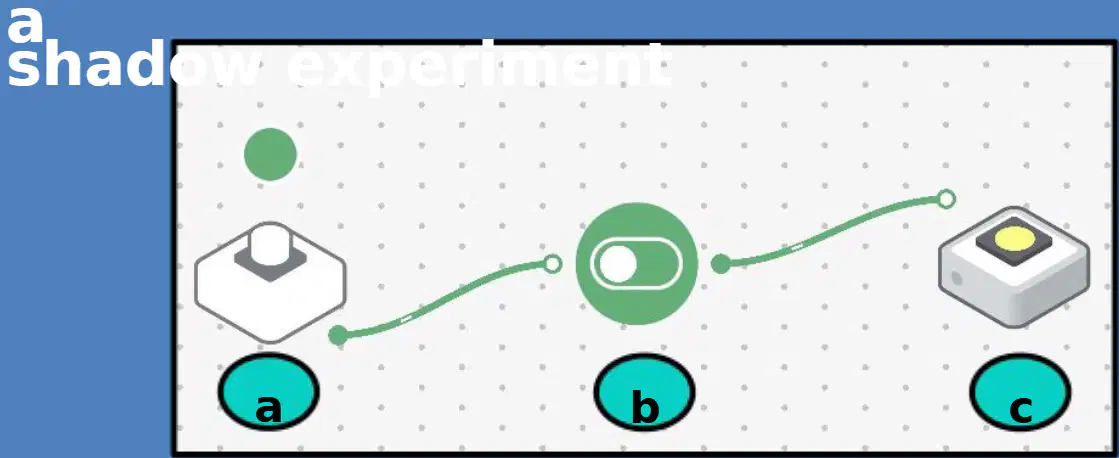
What is the purpose of creating a light source in the given activity?
To conduct a shadow experiment
To measure temperature
To test sound waves
To observe water flow
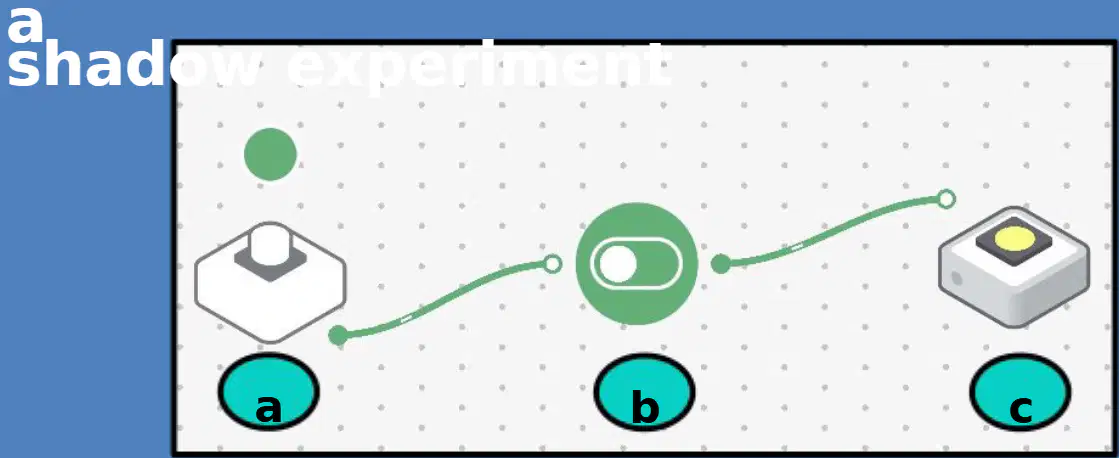
Which component in the diagram is labeled as "b" and what does it do?
RGB LED, emits light
Button, turns the light on or off
Toggle, controls the connection
Battery, provides power
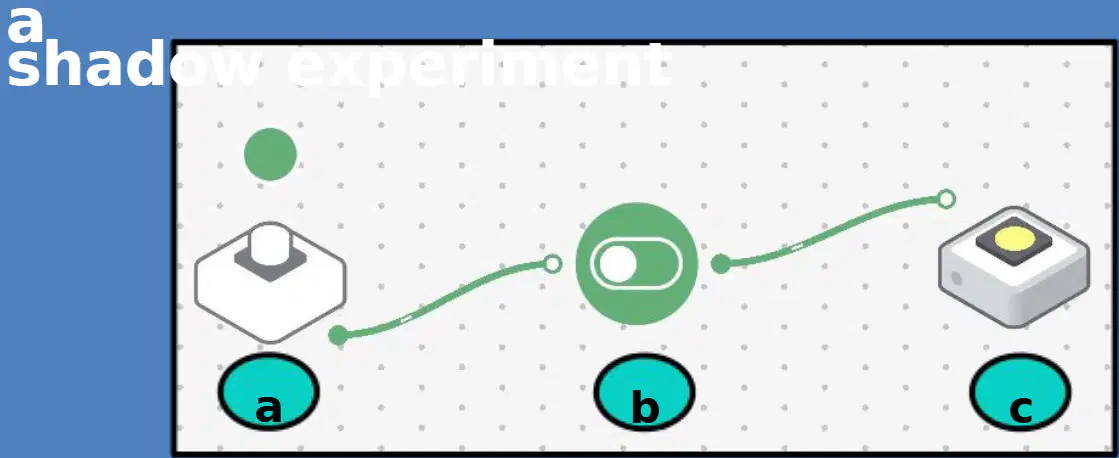
What is the function of the component labeled "c" in the diagram?
It emits light
It stores energy
It controls the connection
It measures temperature

What is the function of the Button in the system shown in the diagram?
To turn the system on and off.
To change the color of the RGB LED.
To control the brightness of the RGB LED.
To toggle between different modes.

What does the Toggle do in the system shown in the diagram?
It changes the system's mode.
It turns the RGB LED on and off.
It controls the brightness of the Button.
It disconnects the system.
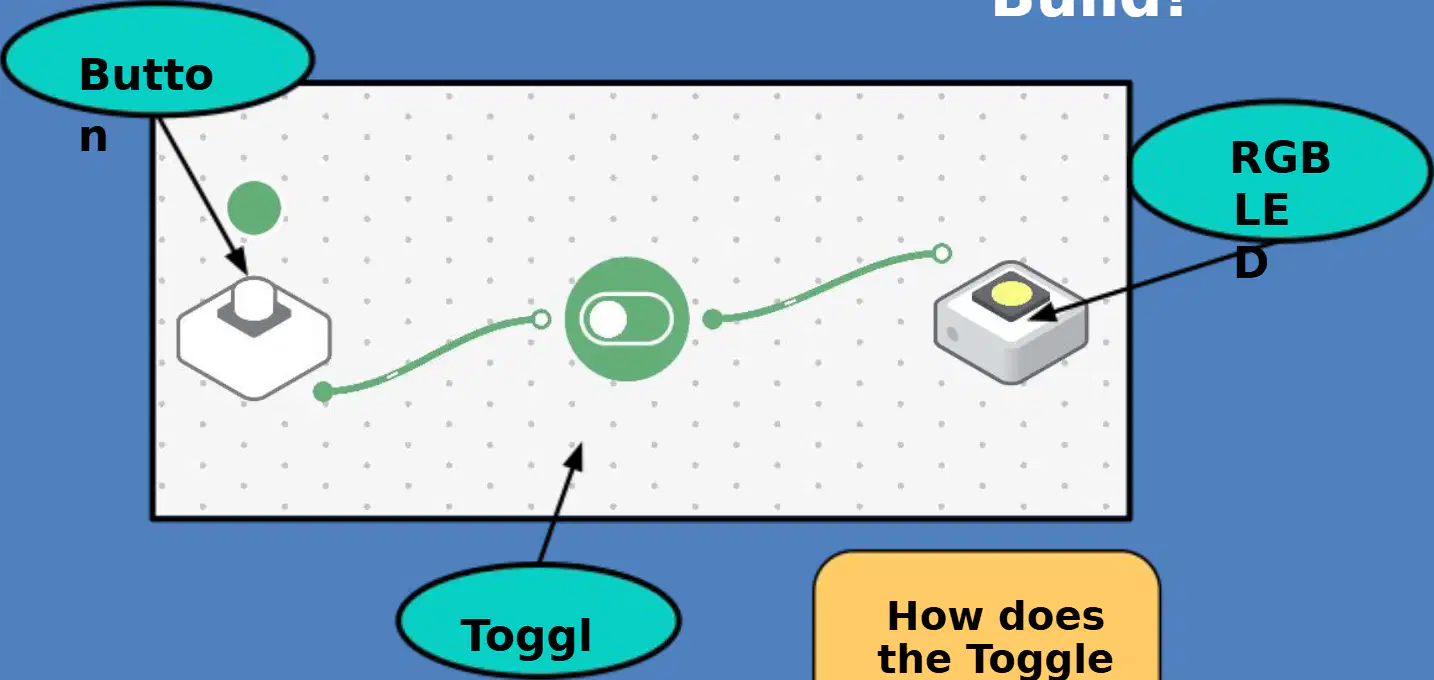
What is the RGB LED used for in the system shown in the diagram?
To display different colors.
To control the system's power.
To toggle between modes.
To act as a Button.

What does brightness affect in this challenge?
Colors
Shadows
Temperature
Sounds

What might you use to produce a shadow in this activity?
A block
A flashlight
A mirror
A piece of paper
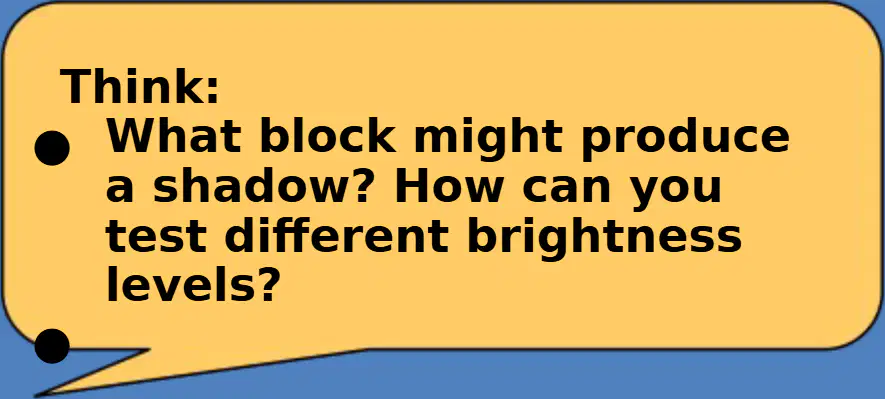
How can you test different brightness levels?
By using different light sources
By changing the color of the block
By moving the block closer to the light
By turning off the light
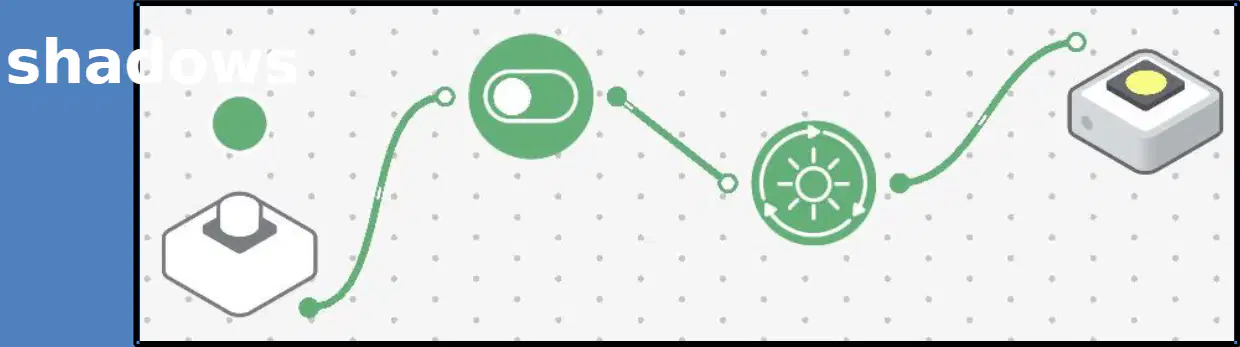
What is the purpose of the challenge shown in the image?
To test how brightness affects shadows
To measure the size of a ping-pong ball
To build a car controller
To create colorful lights with an RGB LED
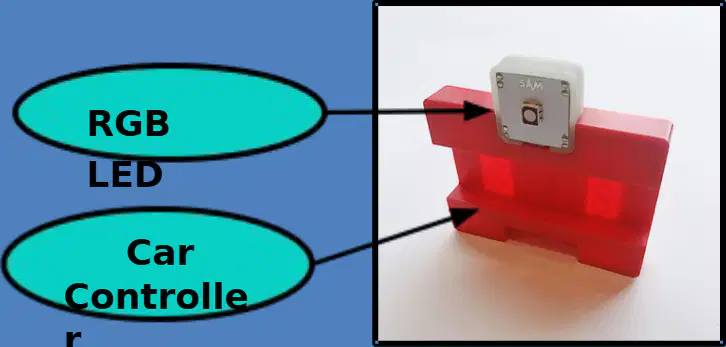
Which component is used to create light in the setup shown in the image?
RGB LED
Ping-pong ball
Car controller
Switch
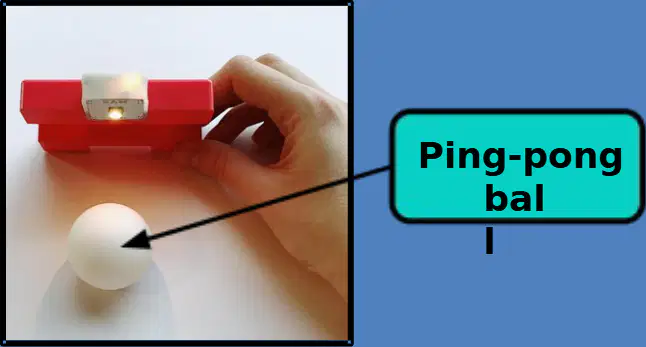
What object is used in the setup to observe the effect of brightness on shadows?
Ping-pong ball
Car controller
RGB LED
Flashlight
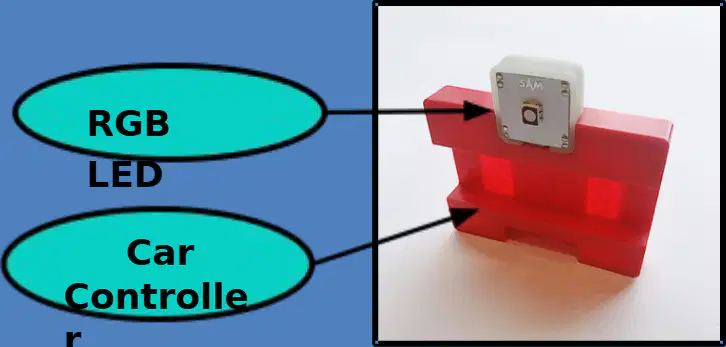
What is the role of the car controller in the setup?
To control the brightness of the RGB LED
To move the ping-pong ball
To create shadows
To measure light intensity
What is the effect of the Cycle Brightness block on the RGB LED?
It changes color.
It has a strong brightness level. It cycles through different levels of brightness.
It turns off the LED.
It makes the LED blink.
What happens to the shadow if the light source is moved closer or farther away from the object?
It stays the same.
It changes.
It disappears.
It becomes brighter.

