
 Worksheets
Website Blocking in Schools
Total questions: 72
Worksheet time: 36mins
What is the primary reason certain websites are blocked in schools?
Lack of internet connection
Web filtering systems
Outdated browser software
Slow internet speed
Which of the following is an example of a website that might be blocked in schools?
Educational resources like BBC Bitesize
Social media platforms like Facebook
Online libraries like JSTOR
Government websites like gov.uk
What is the purpose of blocking certain websites in schools?
To reduce internet speed
To prevent distractions and ensure safety
To save electricity
To limit access to educational resources
What are the procedures that organisations must follow in order to conform to legal requirements?
Implementing security measures and data protection policies
Ignoring legal regulations and focusing on profits
Sharing confidential information without consent
Avoiding compliance with any legal standards
What does a Use Policy do to protect a user and an organisation?
It defines acceptable use of resources and ensures security
It allows unrestricted access to all organisational data
It encourages sharing passwords among employees
It eliminates the need for any security measures

What are the benefits and drawbacks of sharing data?
Sharing data improves collaboration but may lead to privacy concerns.
Sharing data has no drawbacks and only benefits.
Sharing data is illegal in all circumstances.
Sharing data reduces collaboration and increases privacy concerns.

What are the impacts of the manufacturing process, upgrading, and removal of IT equipment?
They have no environmental impact.
They contribute to e-waste and environmental pollution.
They reduce the need for recycling.
They improve the environment by reducing waste.
Why is it important to create equal access to digital services?
To ensure everyone can benefit from technology advancements.
To limit access to technology for certain groups.
To reduce the use of digital services.
To increase inequality in technology access.

Why is net neutrality important in the 21st century?
It ensures all internet traffic is treated equally.
It allows internet providers to prioritize certain websites.
It restricts access to certain websites.
It eliminates the need for internet regulations.
What does a Use Policy do to protect a user and an organisation?
It defines acceptable use of resources and protects against misuse.
It allows unrestricted use of resources.
It eliminates the need for security measures.
It prevents users from accessing any resources.
What are the principles of data protection?
Ensuring data is used fairly, lawfully, and transparently.
Allowing unrestricted access to personal data.
Preventing the use of encryption for data security.
Eliminating the need for data security measures.
What are the laws that cover the use of computers and systems?
Laws that regulate the ethical and legal use of technology.
Laws that allow unrestricted use of computers.
Laws that prohibit the use of computers entirely.
Laws that eliminate the need for cybersecurity measures.
How are computer systems used to break laws?
By hacking, phishing, and spreading malware.
By improving cybersecurity measures.
By reducing the risk of cybercrime.
By promoting ethical use of technology.
What is the primary purpose of an Acceptable Use Policy (AUP)?
To restrict access to IT systems.
To let everyone in an organisation know the rules related to their IT systems.
To monitor employee productivity.
To enforce penalties for incorrect actions.

Which of the following is a typical section of an Acceptable Use Policy (AUP)?
Scope
Employee Salaries
Marketing Strategies
Financial Reports
What is one of the aims of an Acceptable Use Policy (AUP)?
To improve system security by getting people to act correctly.
To increase the number of IT systems in an organisation.
To reduce the cost of IT systems.
To train employees on coding practices.

Which section of an Acceptable Use Policy (AUP) explains what happens if people act incorrectly?
Sanctions
Assets
Scope
Agreement

What does the "Monitoring" section of an Acceptable Use Policy (AUP) likely involve?
Observing and tracking the use of IT systems.
Setting rules for employee salaries.
Creating marketing strategies.
Managing financial reports.
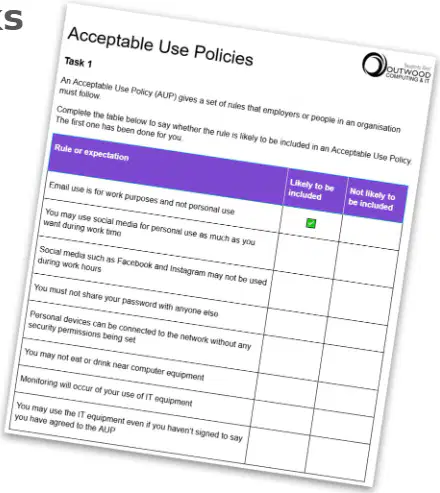
What does an Acceptable Use Policy (AUP) typically include?
Guidelines for using social media during work hours.
Rules for sharing passwords with colleagues.
Permission to eat or drink near computer equipment.
Monitoring of IT equipment usage.
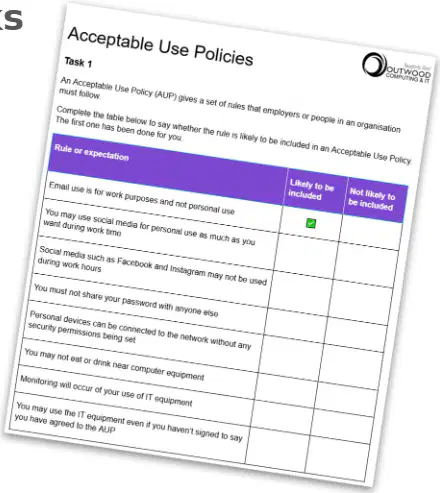
Which of the following is NOT likely to be included in an Acceptable Use Policy (AUP)?
Email use for work purposes only.
Permission to use IT equipment without agreeing to the AUP.
Restrictions on using social media during work hours.
Security permissions for connecting personal devices to the network.
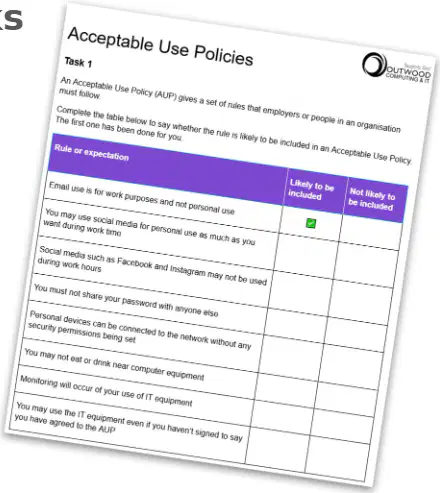
Why is it important to follow the rules outlined in an Acceptable Use Policy (AUP)?
To ensure the organization’s IT resources are used responsibly.
To allow unrestricted use of social media during work hours.
To share passwords with colleagues for convenience.
To avoid monitoring of IT equipment usage.
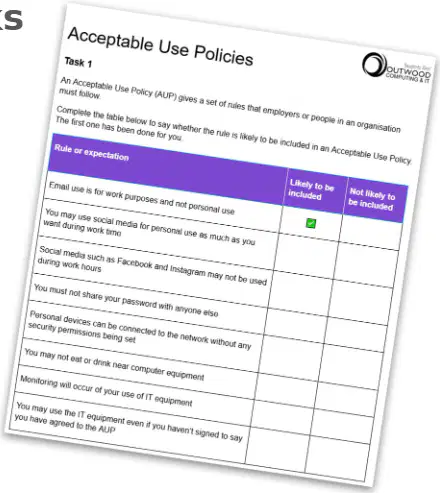
What is one rule that is likely to be included in an Acceptable Use Policy (AUP)?
You may eat or drink near computer equipment.
You must not share your password with anyone else.
You may use social media for personal use during work hours.
You may use IT equipment without agreeing to the AUP.
What does the policy cover?
Only software systems
Only portable devices
Systems, software, and portable/personal devices
Only personal devices

What additional information can be provided about the policy?
A list of versions of the policy
A list of unrelated policies
A list of software updates
A list of portable devices only
When did the policy start taking effect?
The exact date is not specified
After the first version was released
When portable devices were included
When software systems were updated
What types of devices may be included under the policy?
Only desktop computers
Only portable and personal devices
Only software systems
Only cloud-based systems
What is an asset?
Something that is worth something and has value
Something that is always intangible
Something that cannot be owned
Something that is only physical
Which of the following is an example of a tangible asset?
Patents
Computers
Brands
Processes
What distinguishes intangible assets from tangible assets?
Intangible assets are physical, while tangible assets are not
Tangible assets can be touched, while intangible assets cannot
Intangible assets have no value, while tangible assets do
Tangible assets are intellectual property, while intangible assets are physical
Which of the following is NOT an example of an intangible asset?
Video
Brands
Printers
Patents
Which of the following is an example of intellectual property as an intangible asset?
Computers
Printers
Patents
Laptops
What does the AUP (Acceptable Use Policy) define in terms of behaviours?
It defines acceptable and unacceptable behaviours related to computer use.
It defines rules for physical classroom behaviour.
It defines guidelines for social media usage only.
It defines acceptable behaviours for sports activities.

Which of the following is an example of acceptable behaviour according to the AUP?
Be polite in communication.
Attempt to gain unauthorised access.
Install software without permission.
Click on suspicious email attachments.

Which of the following is an example of unacceptable behaviour according to the AUP?
Use strong passwords.
Keep information secure.
Attempt to gain unauthorised access.
Be polite in communication.

Why is it important to use strong passwords according to the AUP?
To ensure information security.
To gain unauthorised access.
To install software without permission.
To click on email attachments.

What should you avoid doing with email attachments according to the AUP?
Open email attachments from unknown sources.
Use strong passwords.
Keep information secure.
Be polite in communication.
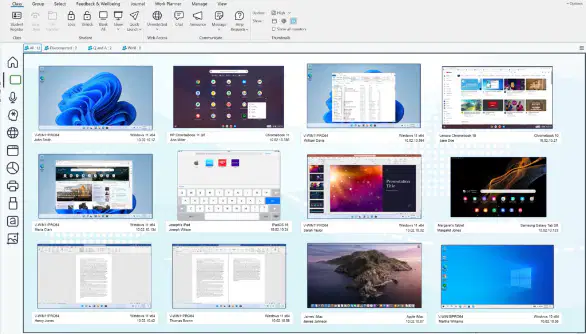
What are two ways employees may be monitored using IT, as mentioned in the policy?
When they log in and out of computers
What websites they visit
Their physical movements in the office
Their phone call durations
Which of the following is NOT a way employees may be monitored using IT, as per the policy?
When they log in and out of computers
What websites they visit
Their social media posts outside work hours
Their usage of company email accounts
What is one task the policy aims to explain regarding employee monitoring?
How employees are monitored using IT
How employees are trained to use IT
How employees can avoid monitoring
How employees can monitor their own activities
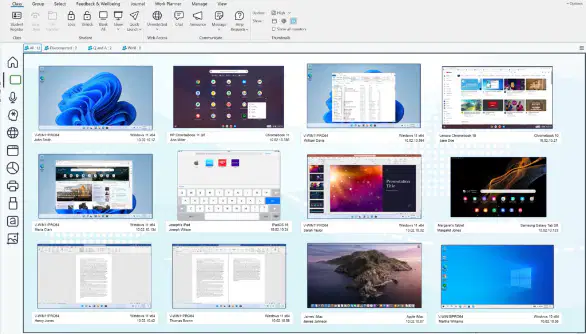
Which of the following could be an additional way employees might be monitored using IT?
Monitoring their email communications
Tracking their physical location via GPS
Recording their keystrokes
All of the above
What is the consequence of a minor breach of the AUP?
A manager talking to an employee
Immediate termination of employment
A formal written or verbal warning
Legal action against the employee
What could result from a more serious breach of the AUP?
A manager talking to an employee
A formal written or verbal warning
Immediate termination of employment
No action taken

What is the consequence of a very serious breach of the AUP?
A manager talking to an employee
A formal written or verbal warning
Losing their job and possibly legal action
No action taken
What do organisations need to show regarding the Acceptable Use Policy (AUP)?
That people have read and understood it
That people have signed it without reading
That people have ignored it
That people have rejected it
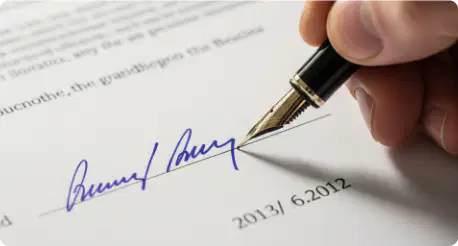
What is typically required at the end of a document to confirm agreement with the AUP?
A signature and the date
A verbal agreement
A witness statement
A company stamp
Why might children not be able to agree to an Acceptable Use Policy (AUP)?
They may not be old enough
They may not understand the language
They may not have access to the document
They may not have a signature
What percentage of workers say that social media distracts them from their job?
45%
56%
62%
50%
According to the text, how much time do workers spend on social media at work compared to at home?
One hour at work and two hours at home
Two hours at work and one hour at home
Three hours at work and one hour at home
One hour at work and three hours at home
What does the AUP not cover according to the text?
Use of social media on work computers
Use of social media on personal devices
Use of social media during breaks
Use of social media for work purposes
What is the primary focus of the text regarding social media?
Its benefits in the workplace
Its role in personal communication
Its impact on day-to-day life and work distractions
Its use for professional networking
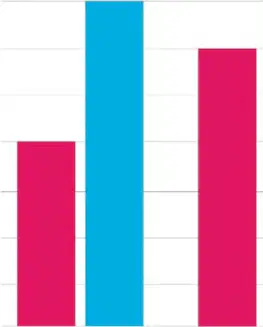
Based on the bar chart comparing computer use under "No social media policy" and "Social media policy in place" for the activities "Connect with friends and family at work" and "Use social media for a mental break from work," which activity is most affected by the implementation of a social media policy?
Connect with friends and family at work
Use social media for a mental break from work
Both activities are equally affected
Neither activity is affected
What is one way businesses use social media for marketing?
To create physical advertisements
To target specific types of users with adverts
To avoid interacting with customers
To reduce product quality

How can well-known people help businesses promote products on social media?
By creating new products
By being paid to promote products
By designing advertisements
By avoiding social media platforms

Why do businesses use social media to listen to customers?
To ignore customer feedback
To help customers and improve their experience
To increase product prices
To reduce customer interaction
What percentage of candidates are turned down due to an inappropriate screen name?
22%
39%
17%
50%
What is the main reason over half of candidates are rejected by companies?
Poor social media use
Lack of qualifications
Poor communication skills
Inappropriate attire
What percentage of candidates are turned down due to inappropriate photos?
22%
39%
17%
50%
Why could posting too frequently on social media be considered bad?
It shows a lack of focus and professionalism
It demonstrates strong communication skills
It highlights creativity and engagement
It improves chances of getting hired
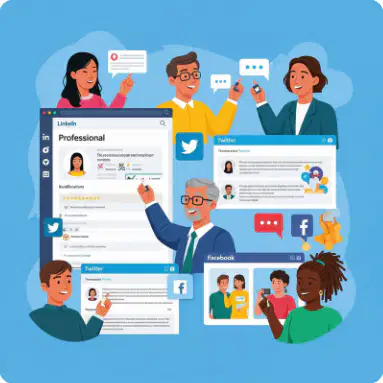
What percentage of employers thought social media helped them to hire a candidate?
44%
30%
50%
60%
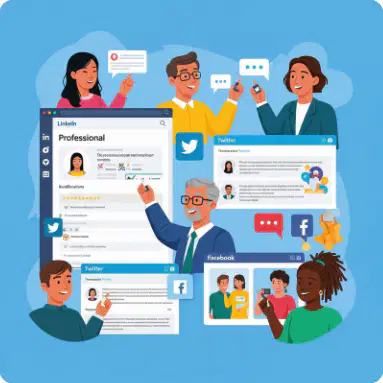
Which of the following is a positive impact of using social networks for employment opportunities?
It can show passion for a job or career
It can hide professional qualifications
It can reduce communication skills
It can discourage employers from hiring
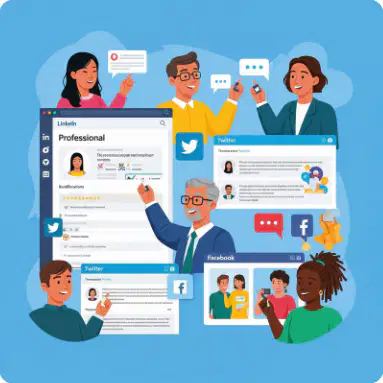
How can social media help employers in hiring candidates?
By showing professional qualifications
By hiding communication skills
By reducing passion for a job
By limiting employment chances
What is the name of the company recruiting for a new 3D compositor in the film industry?
BigDog Effects
Visual Media Studios
FilmWorks Productions
Creative Compositors Inc.
What type of industry does BigDog Effects work in?
Film industry
Music industry
Gaming industry
Advertising industry
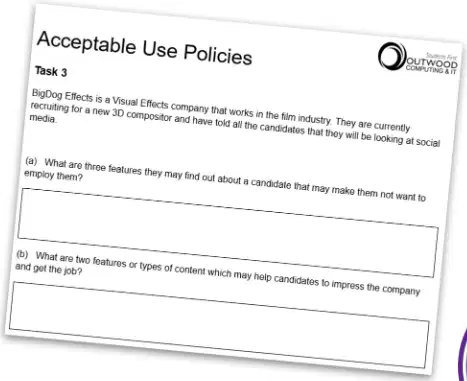
What is one method BigDog Effects uses to evaluate candidates for the 3D compositor role?
Reviewing social media profiles
Conducting a written test
Asking for a portfolio of drawings
Hosting a group interview
What are three sections you would expect to find in an acceptable use policy?
Privacy, Security, and User Responsibilities
Social Media Guidelines, Online Presence, and Job Applications
Internet Speed, Device Specifications, and Software Updates
Personal Preferences, Entertainment, and Gaming Rules
What are two ways that your personal online presence could harm you in the future?
Damaging your reputation and limiting job opportunities
Increasing your internet speed and improving your social media reach
Enhancing your privacy and boosting your career prospects
Reducing your screen time and improving your health
One way your use of social media could help you get a job in the future is:
By focusing on entertainment and sharing memes
By showcasing your skills and networking with professionals
By limiting your interactions and keeping your profile private
By reducing your online presence and avoiding social media entirely
Which of the following is NOT a factor mentioned in the document that employers might consider when reviewing your social media presence?
Posts
Images
Likes
Hobbies
Why might employers choose not to hire someone based on their social media activity?
If their posts are unprofessional or discriminatory
If they have too many followers
If they post about their hobbies
If they use social media infrequently
What is one benefit of maintaining a professional social media presence?
It can reflect well on you professionally
It guarantees a job offer
It increases your follower count
It allows you to post anything without consequences
How can professional blogs or posts benefit your career?
They show your knowledge and passion for a job or career
They make your social media private
They help you avoid criticism
They reduce the need for interviews
Which of the following terms is NOT mentioned in the document as part of the scope of social media feedback?
Monitoring
Sanctions
Agreement
Privacy

