
 Worksheets
Ancient Mesopotamia p. 85 and 86
Total questions: 50
Worksheet time: 25mins

What is the name of the ancient civilization known as "The Fertile Crescent"?
Ancient Mesopotamia
Ancient Egypt
Ancient Greece
Ancient Rome
What does the word "Mesopotamia" mean?
Land of the kings
Between the rivers
City of gold
Mountain valley
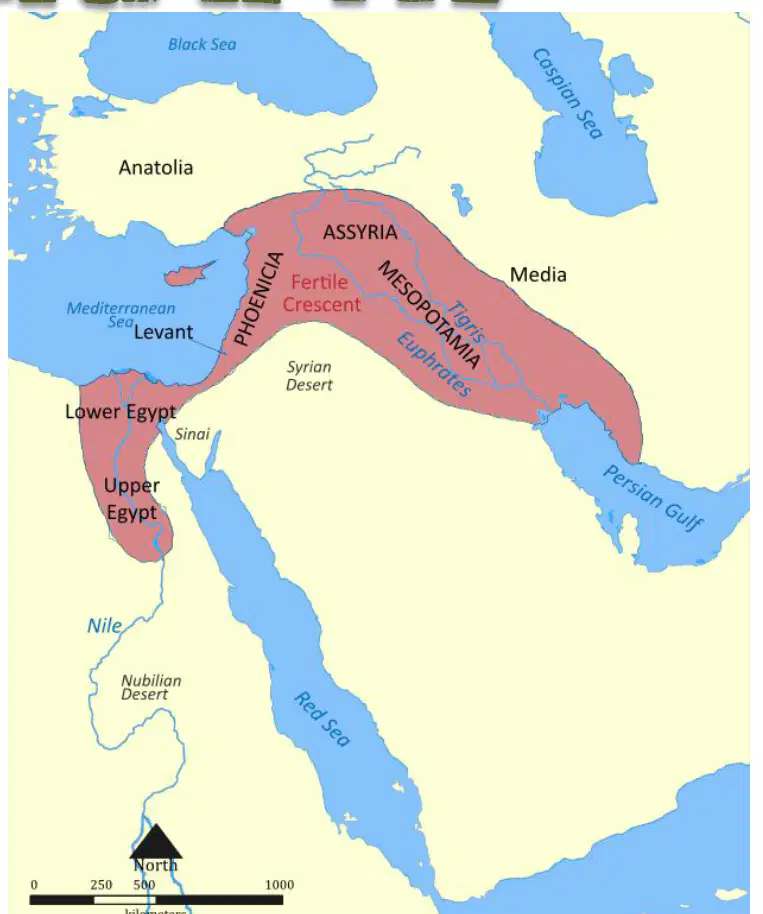
The Fertile Crescent is the land around which two rivers?
Nile and Amazon
Tigris and Euphrates
Danube and Rhine
Ganges and Indus
What did regular flooding provide for farmland in Mesopotamia?
Gold
Fertile silt
Sand
Stones
Why was farming in Mesopotamia challenging?
The land was too dry
Flooding was unpredictable
There were too many mountains
The soil was rocky
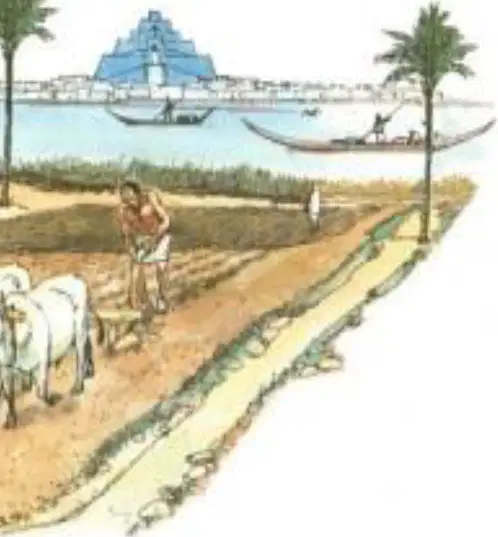
What is one way farmers control seasonal floods?
By building dams and channels
By planting more crops
By using fertilizers
By raising animals
Why do farmers use irrigation?
To bring water to their fields
To harvest crops faster
To prevent pests
To make the soil dry
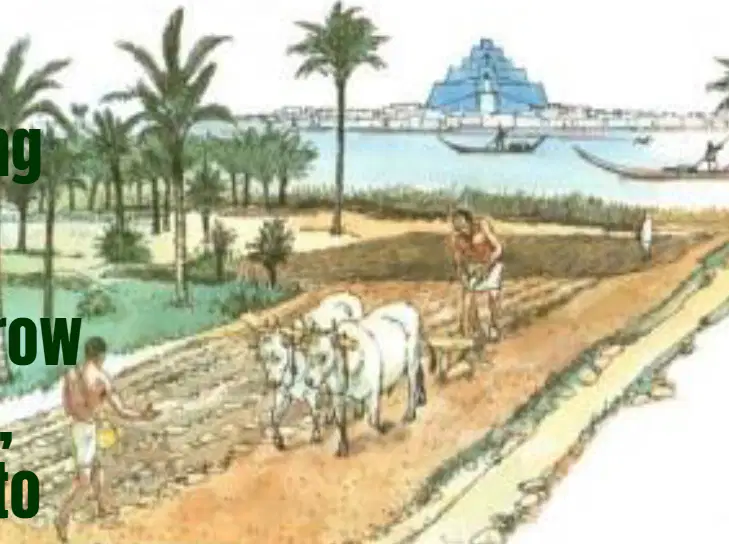
What types of food do farming advances allow farmers to grow to support a large population?
Barley, wheat, vegetables
Rice, corn, apples
Fish, meat, eggs
Oranges, bananas, grapes

Which was the first major civilization in Mesopotamia?
Sumer
Egypt
Greece
Rome
Around what year did the first major civilization in Mesopotamia begin?
About 4,500 BCE
About 1,000 BCE
About 2,000 CE
About 500 BCE
How were the cities in the first major Mesopotamian civilization organized?
Into independent city-states
As one large empire
In tribal villages
Under a single king

Who are the people shown in the image?
People of Sumer
People of Egypt
People of Greece
People of Rome

Which ancient civilization is represented by the people in the image?
Sumerian civilization
Roman civilization
Egyptian civilization
Greek civilization
Which group is at the top of the social structure pyramid on p. 85?
Peasant farmers
Captured slaves
Merchants, artists, scribes
Rulers & priests
Who is at the bottom of the social structure pyramid?
Peasant farmers
Captured slaves
Merchants, artists, scribes
Rulers & priests
Which group is directly above peasant farmers in the social structure pyramid?
Rulers & priests
Captured slaves
Merchants, artists, scribes
Peasant farmers
Which group is directly below merchants, artists, and scribes in the social structure pyramid?
Rulers & priests
Peasant farmers
Captured slaves
Merchants, artists, scribes
Which of the following was a cultural achievement mentioned in the material?
Made fine jewelry & sculptures
Built large ships
Invented the steam engine
Discovered electricity
What musical instruments were used according to the cultural achievements listed?
Flutes & strings
Drums & trumpets
Pianos & guitars
Harps & saxophones
What is the Epic of Gilgamesh about?
A king who travels the world, performs great deeds, and searches for a way to live forever
A queen who builds a great city
A warrior who defeats monsters
A merchant who discovers new lands
What does it mean if a religion is polytheistic?
Belief in one god
Belief in many gods
Belief in no gods
Belief in spirits only
In a theocracy, who leads the government?
Military leaders
Religious leaders
Merchants
Scientists
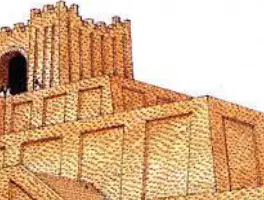
What is a ziggurat?
A small house
A large pyramid-like temple at the city’s center
A marketplace
A palace for the king
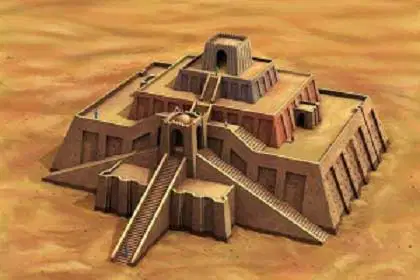
What ancient civilization is associated with the temple shown in the image?
Sumerian
Egyptian
Greek
Roman
Which of the following best describes the artwork on the walls of the Sumerian temple?
Colorful murals depicting people and mythical creatures
Plain stone walls with no decoration
Modern abstract art
Photographs of ancient rulers
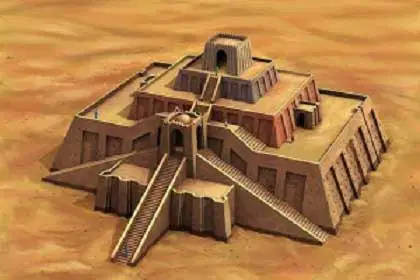
What type of structure is shown in the image?
Temple
Castle
Pyramid
Amphitheater

What is the name of the pictographic writing system that uses wedge-shapes and symbols for pictures, sounds, and ideas?
Cuneiform
Hieroglyphics
Alphabet
Morse code
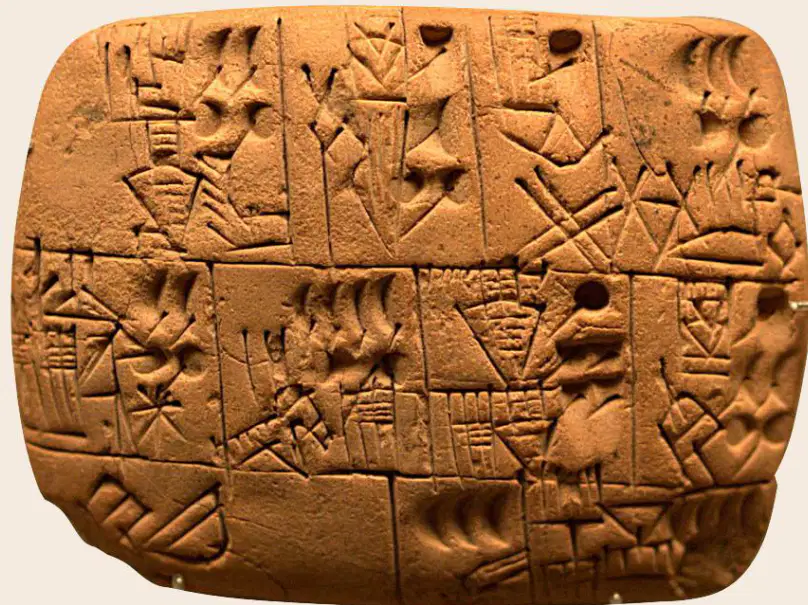
On what material was cuneiform writing typically written?
Clay tablets
Paper scrolls
Stone walls
Animal skins
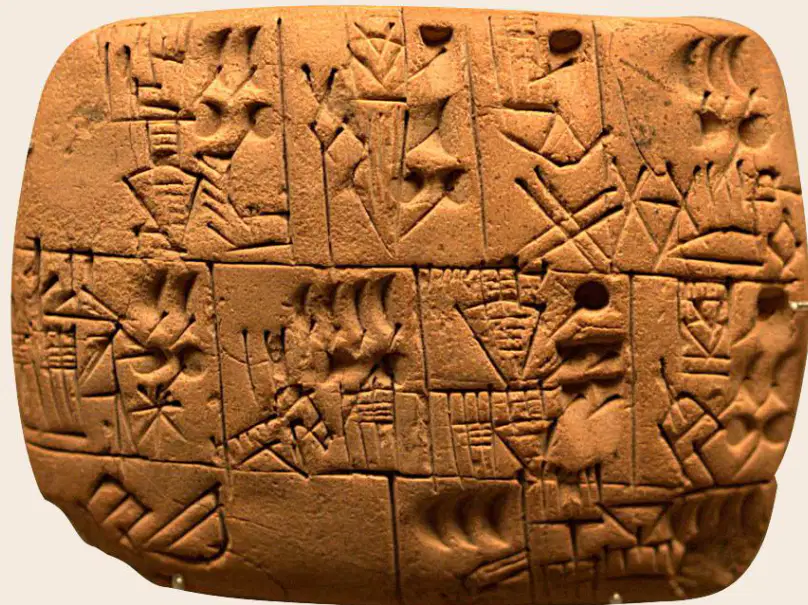
Which of the following best describes the shapes used in cuneiform writing?
Wedge-shapes
Circular shapes
Star shapes
Square shapes
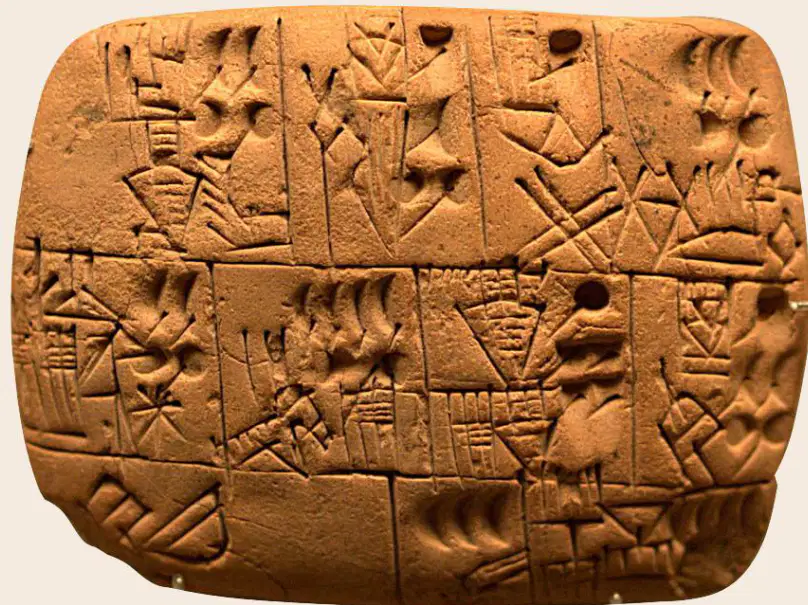
Cuneiform writing uses symbols to represent which of the following?
Pictures, sounds, and ideas
Only numbers
Only letters
Only colors
What mathematical concept did ancient civilizations use that is based on the number 60?
100-minute hour and 400° circle
60-minute hour and 360° circle
24-minute hour and 180° circle
12-minute hour and 90° circle
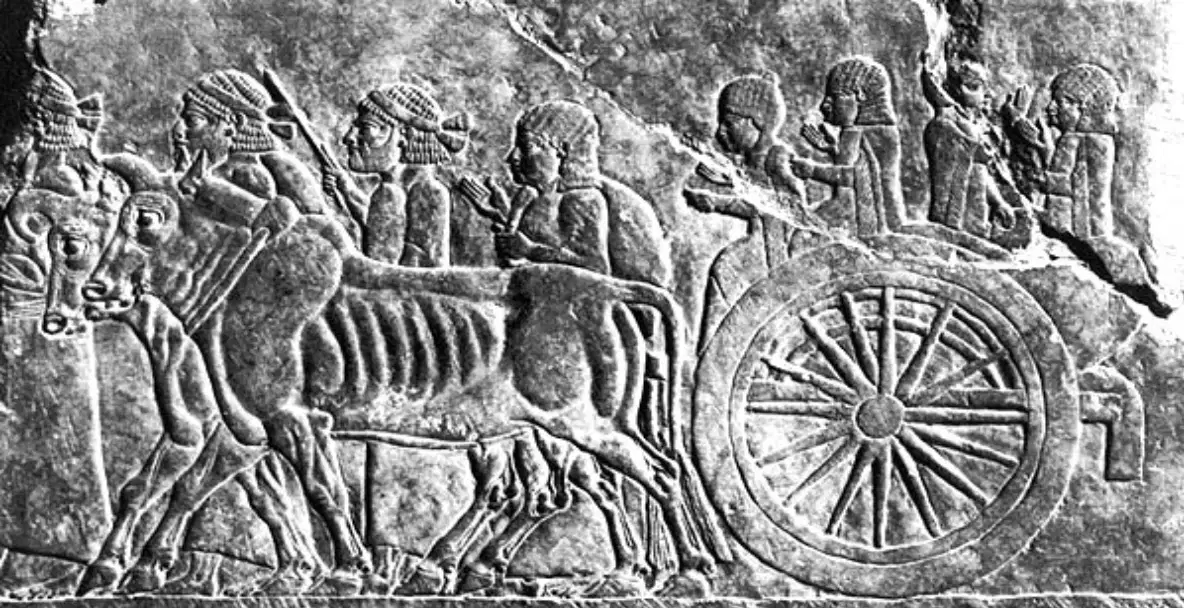
Who were the first to use wheeled carts for transportation?
Ancient Egyptians
Ancient Greeks
Ancient Mesopotamians
Ancient Romans

Who overtook the Sumerians around 2270 BCE?
Akkadians
Assyrians
Babylonians
Egyptians
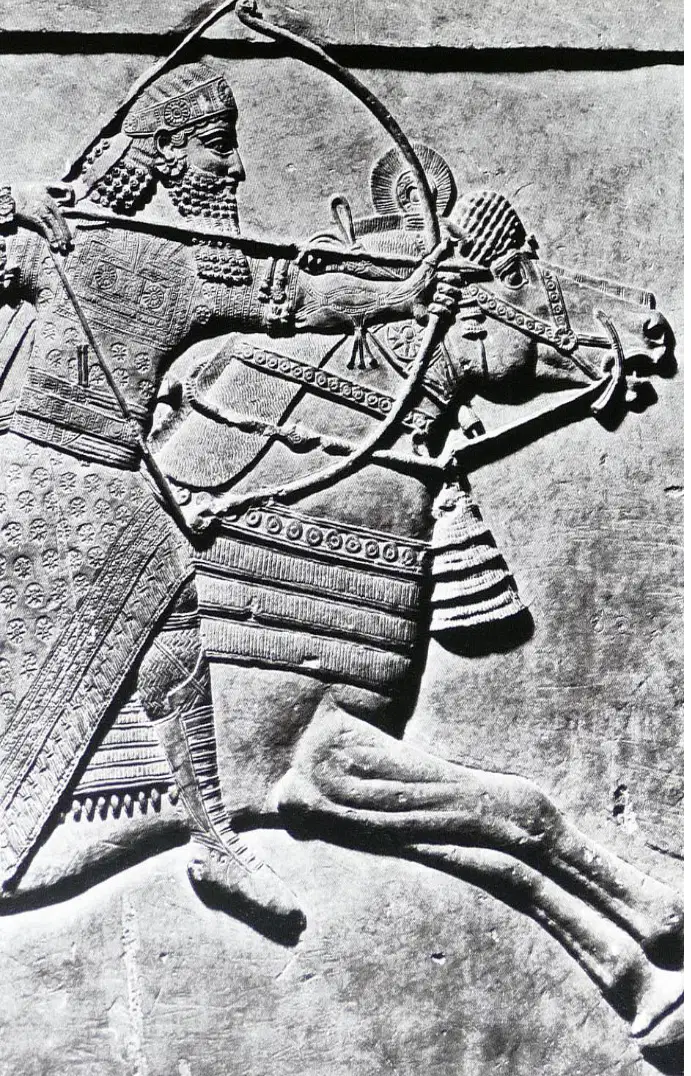
Which group rose to power around 1900 BCE?
Assyrians
Sumerians
Babylonians
Persians
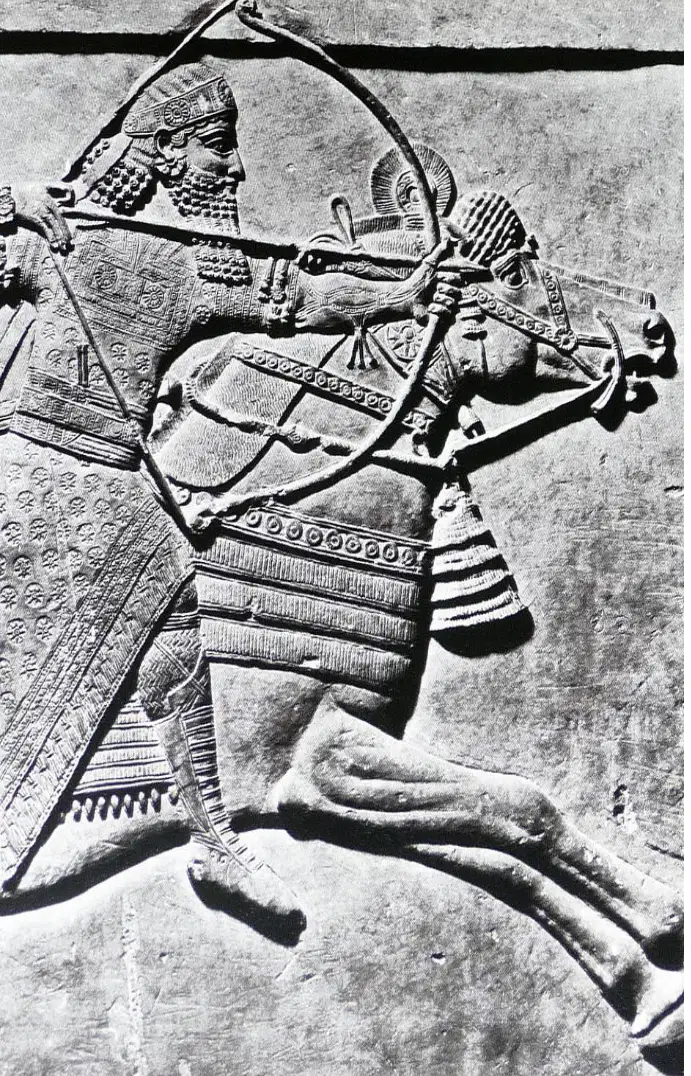
Who took control of Mesopotamia after the Assyrians?
Babylonians
Akkadians
Sumerians
Egyptians
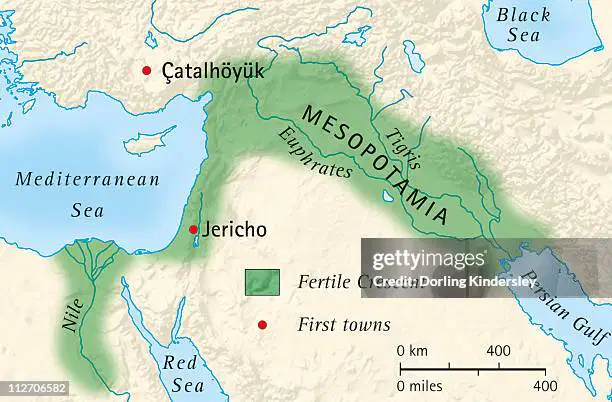
Which ancient civilization is shown in the shaded area of the map?
Mesopotamia
Egypt
Indus Valley
Ancient Greece

Which city is located furthest to the northwest on the map?
Ebla
Ur
Lagash
Nippur

Which of the following cities is part of the Sumerian civilization?
Uruk
Anshan
Ebla
Tell Leilan
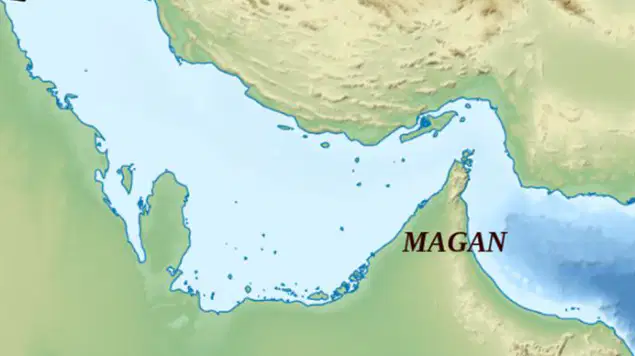
What is the name of the body of water located to the southeast of the map?
Gulf
Red Sea
Mediterranean Sea
Black Sea
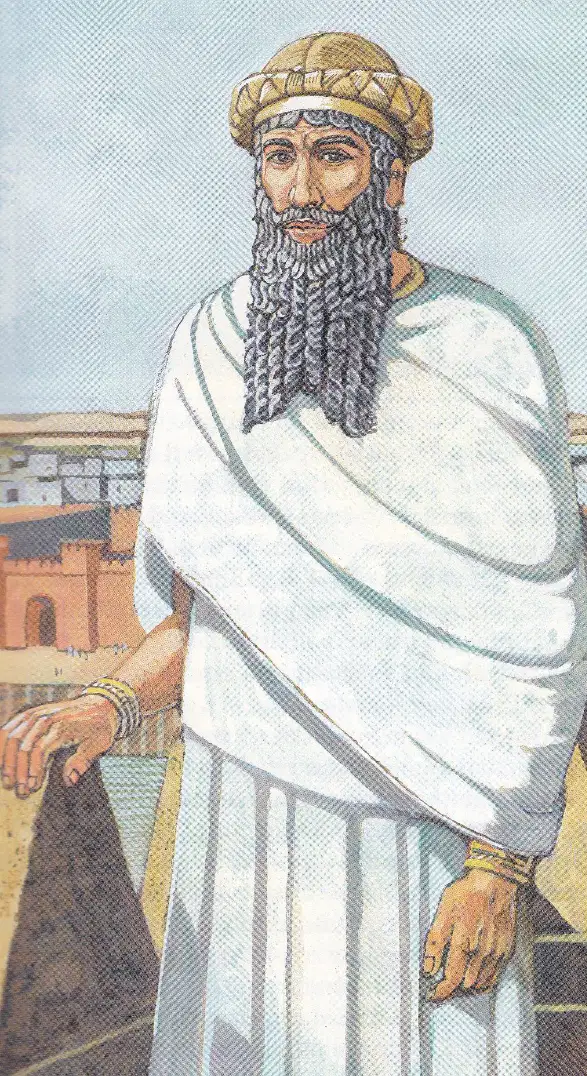
Who was Hammurabi?
Babylonian King
Egyptian Pharaoh
Greek Philosopher
Roman Emperor
During which years did Hammurabi rule Babylon?
1792 to 1750 BCE
1200 to 1150 BCE
2000 to 1950 BCE
1500 to 1450 BCE
What region did Hammurabi control?
Mesopotamia
Egypt
Greece
Rome
What is Hammurabi best known for?
Hammurabi’s Code, the first written code of laws
Building the Pyramids
Writing epic poetry
Inventing the wheel
Which phrase is associated with Hammurabi’s Code?
An eye for an eye
Divide and conquer
Let them eat cake
To be or not to be

Which ancient civilization is shown in the map as existing around 1450 BCE?
Mesopotamia
Ancient Greece
Ancient China
Ancient Rome
Which empire rose again before the Neo-Babylonian or Chaldean Empire came to power?
Assyrian Empire
Roman Empire
Persian Empire
Egyptian Empire
Who had the great Hanging Gardens of Babylon built?
King Nebuchadnezzar
King Tutankhamun
King Cyrus
King Hammurabi

What is the name of the famous ancient gardens depicted in the image?
The Hanging Gardens of Babylon
The Gardens of Versailles
The Botanical Gardens of Rome
The Royal Gardens of Egypt
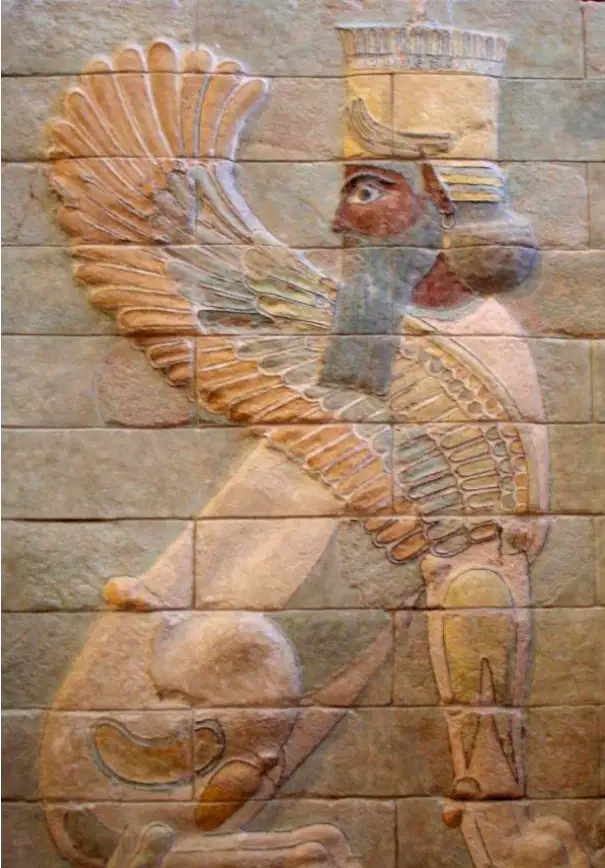
Who founded the Persian Empire in the 6th Century BCE?
Cyrus the Great
Alexander the Great
Julius Caesar
Genghis Khan
What is the Fertile Crescent known for?
Being a region with rich soil and early civilizations
Being a desert with little water
Being a mountain range
Being an island in the Mediterranean Sea

