
 Worksheets
H&C | Vitamin & Minerals Topic Quiz
Total questions: 71
Worksheet time: 36mins
Which of the following is NOT a function of calcium in the body?
A) Bone & Teeth Health
B) Muscle Function
C) Blood Clotting
D) Vision Improvement
Fill in the blank: Calcium helps muscles ______ and relax, including the heart.
contract
expand
shrink
twist
Calcium is essential for transmitting messages between the brain and the body.
True
False
Which of the following is a risk of calcium deficiency?
A) Osteoporosis
B) Muscle cramps & weakness
C) Numbness & tingling in fingers
D) Slow blood clotting
E) All of the above
Fill in the blank: Calcium plays a vital role in stopping ______ when you get injured.
bleeding
swelling
pain
infection
Which of the following foods is a fortified food rich in calcium?
Orange juice
Broccoli
Salmon
Cheese
Osteoporosis is a condition associated with calcium deficiency.
True
False
Fill in the blank: Plant-based milk such as ______ and soy are examples of fortified foods rich in calcium.
almond
rice
oat
coconut
Which of the following is NOT a calcium deficiency risk?
Muscle cramps & weakness
Slow blood clotting
Improved vision
Numbness & tingling in fingers
Which of the following is a function of iron in the body?
Oxygen transport
Vitamin D production
Bone strengthening
Blood sugar regulation
Which foods are rich in iron? Select all that apply.
Red meat
Poultry
Seafood
Leafy greens
Legumes
Fill in the blank: Iron is essential for making ________, which carries oxygen in the blood.
hemoglobin
insulin
chlorophyll
collagen
Which of the following is NOT a risk of iron deficiency (anemia)?
Fatigue and weakness
Pale skin
High blood pressure
Poor concentration
Iron helps convert food into energy.
True
False
Name two symptoms of iron deficiency (anemia).
Fatigue and weakness, Pale skin
High blood pressure, Rapid heartbeat
Joint pain, Skin rash
Frequent urination, Blurred vision
Fill in the blank: Iron supports ________ function, aiding in fighting infections.
immune
digestive
respiratory
nervous
Which of the following is a symptom of iron deficiency?
Dizziness or headaches
Increased appetite
High energy
Weight gain
Iron is important for growth and development.
True
False
Which of the following is NOT a function of potassium in the body?
Regulates fluid balance
Supports muscle function
Maintains nerve function
Increases fat storage
Potassium helps maintain proper hydration by regulating ________ balance in the body.
fluid
oxygen
protein
calcium
Which of the following foods is rich in potassium?
Bananas
White bread
Soda
Candy
Which symptom is associated with potassium deficiency (hypokalemia)?
Fatigue and muscle weakness
Increased energy
Weight gain
Improved vision
Potassium helps control blood pressure.
True
False
Potassium deficiency can cause irregular ________ (arrhythmia).
heartbeat
breathing
digestion
vision
Which of the following is a symptom of potassium deficiency?
Nausea or constipation
Clear skin
Improved memory
Increased appetite
Name two vegetables that are rich in potassium.
Spinach, potatoes (with skin)
Carrots, cucumbers
Lettuce, radishes
Cabbage, celery
Potassium helps prevent calcium buildup in kidneys, thus reducing the risk of ________ and kidney stones.
stroke
diabetes
hypertension
anemia
Which of the following is NOT a symptom of potassium deficiency?
Cramps or muscle spasms
High blood pressure
Nausea or constipation
Improved digestion
List two types of nuts and seeds that are rich in potassium.
Almonds, cashews, sunflower seeds (any two)
Peanuts, pine nuts
Pumpkin seeds, walnuts
Hazelnuts, chia seeds
Which dairy products are listed as rich in potassium?
Milk and yogurt
Cheese and butter
Ice cream and cream cheese
Sour cream and cottage cheese
Potassium is essential for muscle contractions, including the heart.
True
False
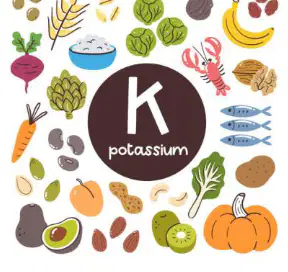
Name one fruit and one vegetable shown in the image that are high in potassium.
Banana (fruit), spinach (vegetable)
Apple (fruit), lettuce (vegetable)
Orange (fruit), carrot (vegetable)
Grapes (fruit), cucumber (vegetable)
Which of the following is NOT a function of magnesium in the body?
Energy production
Muscle & nerve function
Bone health
Vision improvement
Fill in the blank: Magnesium helps regulate _______ and blood pressure.
heartbeat
digestion
vision
skin health
Magnesium supports the immune system by helping the body fight infections.
True
False
Which food is a rich source of magnesium?
Spinach
Chicken
Apple
Rice
Fill in the blank: Almonds, cashews, and pumpkin seeds are examples of _______ rich in magnesium.
nuts & seeds
fruits
vegetables
grains
Which of the following is a symptom of magnesium deficiency?
Muscle cramps
Improved sleep
Increased appetite
Strong bones
Dark chocolate is a tasty source of magnesium.
True
False
Fill in the blank: Magnesium works with _______ to strengthen bones and teeth.
calcium
potassium
iron
sodium
Which of the following foods is NOT listed as rich in magnesium?
Yogurt
Salmon
Apple
Brown rice
Magnesium deficiency can cause irregular heartbeat.
True
False
Fill in the blank: Magnesium helps to reduce _______ and improve sleep.
stress
hunger
thirst
pain
Which of the following is a legume rich in magnesium?
Black beans
Spinach
Salmon
Yogurt
Fatigue and weakness are symptoms of magnesium deficiency.
True
False
Fill in the blank: Magnesium supports proper muscle contractions and _______ signaling.
nerve
bone
blood
skin
Which dairy product is listed as a source of magnesium?
Cheese
Yogurt
Butter
Ice cream
Anxiety or irritability can be a symptom of magnesium deficiency.
True
False
What is one function of zinc in the body? Fill in the blank: Zinc helps to ______ infections and speeds up wound healing.
fight
cause
ignore
spread
Which of the following is an animal source of zinc with the best absorption?
Red meat (beef, lamb, pork)
Legumes (chickpeas, lentils, beans)
Whole grains (quinoa, brown rice, whole wheat)
Dark chocolate
Which symptom is associated with zinc deficiency?
Frequent colds or infections
Improved memory
Increased energy
Better vision
Fill in the blank: Zinc is essential for ______ production and fertility in men.
testosterone
insulin
adrenaline
melatonin
Which of the following is a plant-based source of zinc?
Shellfish
Dairy products
Legumes
Poultry
Which function of zinc is related to skin health?
Helps manage acne and supports overall skin repair
Contributes to memory
Essential for cell growth
Necessary for taste perception
Fill in the blank: Zinc is necessary for proper ______ perception.
taste
smell
sight
hearing
Which of the following is NOT a symptom of zinc deficiency?
A) Hair loss
B) Slow wound healing
C) Improved skin tone
D) Fatigue and poor concentration
Which food is a source of zinc with lower absorption?
Red meat
Shellfish
Legumes
Poultry
Fill in the blank: Zinc supports ______ function, contributing to memory, learning, and cognitive performance.
brain
digestive
respiratory
circulatory
Which of the following foods is rich in zinc?
Dark chocolate
Apples
Carrots
Broccoli
Fill in the blank: Zinc is essential for cell growth, especially in ______ and teenagers.
children
adults
elderly
infants
Which of the following is a function of sodium in the body?
Fluid Balance
Bone Growth
Vision Improvement
Hair Growth
Sodium helps regulate blood pressure.
True
False
What is the role of sodium in nerve function?
Sodium helps transmit electrical signals between nerves.
Sodium provides energy for nerve cells.
Sodium acts as a structural component of nerve fibers.
Sodium is responsible for producing neurotransmitters.
Sodium is essential for proper muscle contraction, including the _____?
heart
lungs
kidneys
liver
Which function of sodium helps maintain the body's pH balance?
Fluid Balance
Acid-Base Balance
Muscle Function
Blood Pressure Regulation

Which of the following is the most common source of sodium?
Table Salt
Fruits
Water
Sugar
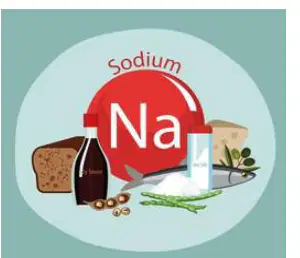
Processed foods such as canned soups, frozen meals, and packaged snacks are rich in _____?
sodium
fiber
vitamin C
calcium
Which of the following is NOT a natural source of sodium?
Meat
Poultry
Dairy products
Candy
Low sodium levels can occur due to excessive water intake.
True
False
Which of the following is NOT a symptom of sodium deficiency?
Headache
Nausea
Muscle cramps
Improved memory
Name one symptom of sodium deficiency.
Headache (other acceptable answers: nausea and vomiting, muscle cramps or weakness, confusion or irritability, seizures)
Increased appetite
Rapid weight gain
Improved concentration

