
 Worksheets
Buying a House Vocabulary Quiz
Total questions: 28
Worksheet time: 14mins
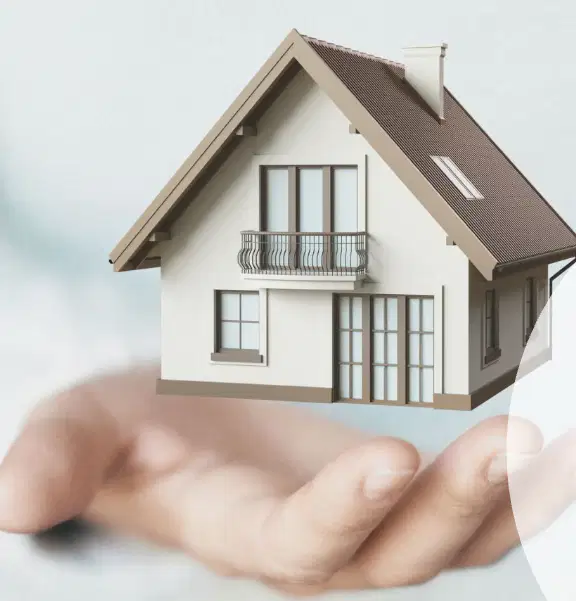
What is the main topic introduced in the image?
Buying a house vocabulary
Renting an apartment vocabulary
Selling a car vocabulary
Building a school vocabulary
What is the legal term for the action of a lender forcing the repayment of debt on a home by taking and selling the mortgaged home?
Foreclosure
Bankruptcy
Eviction
Repossession
Which of the following best describes the process of foreclosure?
The lender takes and sells the mortgaged home to recover unpaid debt.
The homeowner voluntarily sells the home to pay off the debt.
The government seizes the home for unpaid taxes.
The homeowner rents out the home to pay off the mortgage.
Why might a lender initiate foreclosure proceedings on a home?
The homeowner has failed to repay the mortgage debt.
The homeowner wants to move to a new city.
The home is too old and needs repairs.
The homeowner has paid off the mortgage in full.
What is a down payment?
An amount of money the buyer pays to the seller immediately upon signing the agreement of sale, applied to the final purchase cost.
The total amount paid at the end of a sale.
A fee charged by the bank for processing a loan.
The interest paid on a loan over time.
When is a down payment typically made during a purchase transaction?
After the product is delivered
Immediately upon signing the agreement of sale
After the final payment is made
Before negotiating the price
How does a down payment affect the final purchase cost?
It increases the final purchase cost
It is not related to the final purchase cost
It is applied to the final purchase cost
It is refunded after the sale
What is the primary purpose of an escrow account?
To hold money for paying property taxes and insurance premiums when due.
To invest in stocks and bonds.
To save for retirement.
To pay monthly utility bills.
Which institution typically holds the money in an escrow account?
Your financial institution
Your employer
The government
Your insurance company
Why might a homeowner use an escrow account for property taxes and insurance premiums?
To ensure payments are made on time when they come due
To avoid paying any taxes or insurance
To increase their savings interest rate
To pay for home renovations
What does the term "equity" mean in relation to owning a house?
The difference between how much a house is valued as being worth, and the amount the owner still owes on the house.
The total amount of money paid for a house.
The interest rate on a home loan.
The monthly payment made by the homeowner.
If a house is valued at $300,000 and the owner still owes $100,000 on the mortgage, what is the owner's equity in the house?
$200,000
$100,000
$300,000
$400,000
Why is it important for a homeowner to understand their equity in a house?
It helps them know how much of the house they truly own and can use for financial decisions.
It determines the color of the house.
It sets the interest rate for their mortgage.
It tells them how many rooms are in the house.
What is an interest rate?
The percentage used to calculate the cost to borrow money from a lender.
The amount of money saved in a bank account.
The total amount of money borrowed.
The time period for repaying a loan.
Which of the following best describes the purpose of an interest rate?
To determine how much money you can borrow.
To calculate the cost of borrowing money from a lender.
To set the repayment schedule for a loan.
To decide the type of loan you receive.
If a lender offers you a loan, what does the interest rate tell you?
The total amount you will borrow.
The percentage used to calculate how much you pay to borrow the money.
The number of payments you must make.
The type of loan you are getting.
What are closing costs in the context of buying or selling a home?
All the expenses owners and sellers incur during the purchase/sell of a home in addition to the price of the property.
The total price of the property being bought or sold.
The amount paid for home insurance after buying a house.
The cost of home repairs before selling a property.
Which of the following best describes an expense that is considered a closing cost?
The price of the property itself.
Fees paid by owners and sellers during the purchase/sell of a home, in addition to the property price.
Monthly utility bills after moving in.
The cost of furniture for the new home.
Why is it important for buyers and sellers to consider closing costs when purchasing or selling a home?
Because closing costs are included in the property price.
Because closing costs can significantly increase the total amount paid or received beyond the property price.
Because closing costs are optional and can be avoided.
Because closing costs only apply to rental agreements.
What is a mortgage?
An agreement that allows you to rent a property for a fixed period
An agreement between you and a lender that gives the lender the right to take your property if you fail to repay the money you've borrowed plus interest
A contract to buy insurance for your home
A loan that does not require repayment
Which of the following best describes the consequence of failing to repay a mortgage?
The lender can take your property
You receive a refund
The property value increases
You automatically own the property
Why does a lender have the right to take your property under a mortgage agreement?
Because you have paid off the loan
Because you failed to repay the borrowed money plus interest
Because you want to sell the property
Because the property is insured
What is a document that proves ownership of a property called?
Title
Lease
Invoice
Certificate of Deposit
Which of the following best describes the purpose of a property title?
It proves ownership of a property.
It lists the rules for renting a property.
It records the history of property taxes.
It provides insurance for a property.
Imagine you are buying a house. Why is it important to check the title document before completing the purchase?
To ensure the seller legally owns the property.
To find out the color of the house.
To check the furniture included.
To see the neighborhood rating.
What does PMI stand for in the context of home buying?
Private Mortgage Insurance
Personal Money Investment
Property Market Index
Public Mortgage Initiative
When is Private Mortgage Insurance (PMI) typically required?
When you put less than 20% down when purchasing a home
When you pay the full price of the home upfront
When you buy a home with cash
When you put more than 50% down when purchasing a home
Why might a lender require a homebuyer to purchase Private Mortgage Insurance (PMI)?
To protect the lender if the buyer puts down less than 20%
To increase the value of the home
To reduce property taxes
To cover home maintenance costs

