
 Worksheets
Science BI9 Review 1
Total questions: 18
Worksheet time: 9mins
Mr. Bowman's science class is learning that substances can change in many ways. Sometimes a change will produce a new substance. This is called a chemical change. Which of the following is an example of a chemical change?
egg frying in a pan
paper being shredded
water freezing into ice
lump of clay broken into two pieces
Geraldo has an iron nail. Which of these changes to the nail results in a new material with different characteristics?
He cuts the nail into 2 pieces.
He bends the iron nail with some pliers.
He leaves the iron nail outside in the rain and it rusts.
He hammers the iron nail into a wall so that he can hang a picture.
Wilson made a list of activities that involve a chemical change. Which of these changes should be included on his list?
ringing a bell
making ice cubes
picking up rocks
cooking pancakes
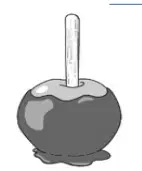
Carlos is making caramel apples. He melts sugar in a hot pan. He watches carefully as the sugar turns brown and becomes caramel. He pushes a stick into the top of an apple. Then he stirs the apple in the caramel. Which of the actions is evidence of a chemical change?
the sugar melting
sugar becoming caramel
the stick piercing the apple
the caramel covering the apple
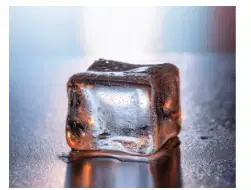
Jamie set an ice cube on a table outside. A few minutes later the ice became liquid water. What change did the ice cube undergo to become liquid water?
melting
freezing
evaporation
condensation
Water can change forms from solid to liquid to gas. When water changes from liquid to gas, what is this called?
condensation
evaporation
freezing
melting
Nima walks outside one morning and notices that her mother's car is covered with ice. What change has water gone through to become ice?
boiling
evaporation
freezing
melting
Which of the following processes involves water changing directly from a liquid to a gas without reaching its boiling point?
Freezing
Condensation
Boiling
Evaporation
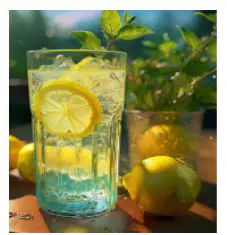
Leah made a glass of ice-cold lemonade on a hot summer day. She left the glass of ice-cold lemonade outside for a few minutes. When she returned, she noticed water droplets on the outside of the glass. Which process occurs when water vapor cools and changes back into liquid form?
Evaporation
Boiling
Condensation
Melting
Which of the following best describes why cooking food is considered a chemical change?
Cooking changes the chemical structure of the food, creating new flavors and textures.
Cooking makes the food softer and easier to chew.
Cooking changes the color of the food but keeps its original properties.
Cooking only changes the temperature of the food without altering its composition.
What happens to iron when it rusts, and why is this considered a chemical change?
It becomes shiny because of a physical reaction.
It forms a new material called iron oxide due to a reaction with oxygen and moisture.
It melts into a liquid form when exposed to air.
It changes shape but remains the same material.
Which of the following processes is an example of a chemical change that results in a material with different characteristics?
Melting ice into water
Breaking a glass into pieces
Burning wood into ash
Mixing sand and water
Which of the following is an example of a physical change in materials?
Burning a piece of wood
Rust forming on a metal surface
Melting ice into water
Cooking an egg
Which of the following is NOT a physical change?
Burning paper into ash
Freezing water into ice
Cutting a piece of cloth into smaller pieces
Dissolving sugar in water
Why is boiling water considered a physical change?
Because it creates a new substance with different properties.
Because it involves a chemical reaction that cannot be reversed.
Because it changes the material into a completely different substance.
Because it only changes the state of water from liquid to gas without forming new materials.
Which of the following describes a physical change that can be reversed?
Burning a piece of paper
Freezing water into ice
Baking bread in the oven
Rusting of iron nails
A physical change is a change that does not cause a new substance to form. Which is an example of a physical change?
A glass breaking
A dead plant rotting
A candle wick burning
A nail rusting
Daniel has a list of chores to do around the house. Which of his chores is an example of a chemical change?
Sewing a torn shirt
Cooking eggs for breakfast
Pulling weeds from the flower bed
Cutting a piece of wood for a fence

