
 Worksheets
Mental Disorders (PSYCH 1)
Total questions: 20
Worksheet time: 40mins
Which of the following is a key characteristic of Generalized Anxiety Disorder (GAD)?
Excessive worry about multiple areas of life most days for at least six months
Repeated episodes of mania alternating with depression
Persistent low mood with loss of interest for two weeks or more
Intrusive memories and nightmares after a traumatic event
Major Depressive Disorder is primarily associated with:
Persistent sad mood and loss of interest or pleasure
Cycles of mania and hypomania
Recurrent panic attacks with chest pain and shortness of breath
Disorganized speech and hallucinations
A person who experiences flashbacks, nightmares, and hypervigilance after a traumatic event may be diagnosed with:
Post-Traumatic Stress Disorder (PTSD)
Generalized Anxiety Disorder (GAD)
Panic Disorder
Bipolar Disorder
A serious, potentially life-threatening eating disorder and mental health condition characterized by an intense fear of gaining weight, a distorted body image, and the severe restriction of food intake, leading to a significantly low body weight.
Anorexia Nervosa
Binge-eating disorder
Panic Disorder
Anxiety
A group of disorders involving excessive, hard-to-control fear or worry that interferes with daily life
Anxiety Disorders
Major Depressive Disorder
Schizophrenia
Mood Disorders involves long-lasting or extreme changes in mood, such as deep sadness or dramatic mood swings.
True
False
Marcos hears voices that others can’t hear and believes TV shows send him secret messages.
Psychotic Disorders
Mood Disorders
People with Depression can simply 'snap out of it' with enough willpower. Select the best answer.
True
False
Eating disorders can have serious physical health consequences. Select the best answer.
True
False
Personality disorders are long-term, inflexible patterns of thinking and behavior that cause problems in everyday functioning.
True
False
Characterized by extreme, irrational fear of a specific object or situation. Choose the disorder that best matches the description.
Schizophrenia
Panic Disorder
Obsessive-Compulsive Disorder
Bipolar Disorder
Phobia
Episodes of manic highs and depressive lows. Choose the disorder that best matches the description.
Schizophrenia
Panic Disorder
Obsessive-Compulsive Disorder
Bipolar Disorder
Phobia
Severe disturbances in thinking, perception, and behavior; may include hallucinations. Choose the disorder that best matches the description.
Schizophrenia
Panic Disorder
Obsessive-Compulsive Disorder
Bipolar Disorder
Phobia
Recurrent panic attacks that cause intense fear and physical symptoms. Choose the disorder that best matches the description.
Schizophrenia
Panic Disorder
Obsessive-Compulsive Disorder
Bipolar Disorder
Phobia
Involves obsessions and compulsions that interfere with daily life. Choose the disorder that best matches the description.
Schizophrenia
Panic Disorder
Obsessive-Compulsive Disorder
Bipolar Disorder
Phobia
An eating disorder characterized by regular, often secretive bouts of overeating followed by self-induced vomiting or purging, strict dieting, or extreme exercise, associated with persistent and excessive concern with body weight
anorexia nervosa
bullimia nervosa
ARFID
binge-eating
What is used to describe and diagnose psychological disorders?
SEY-9
ASM-7
DSM-5
HDW-6
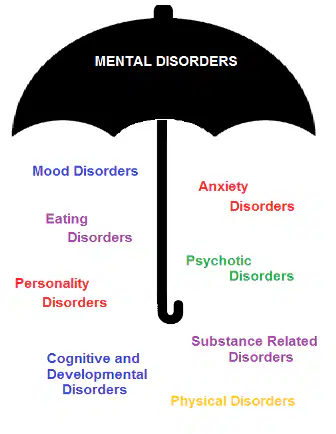
What is a good habit to have for mental health?
Ignoring your feelings
Talking to friends and family
Keeping worries to yourself
Staying alone

