
 Worksheets
6th grade review day
Total questions: 172
Worksheet time: 3hrs 51mins
If you melt a popsicle, it this a chemical or physical change?
physical
chemical
If you burn your marshmallow while making smores, is this a chemical or physical change?
physical
chemical
Your stomach digests a yummy cookie with enzymes. Is this chemical or physical digestion? Is it both?
physical
chemical
both
Researchers are investigating processes that happen during digestion. Which answer choice describes only a physical change during digestion?
Hydrochloric acid in the stomach breaks down proteins
Chewing in the mouth breaks food into small pieces
Enzymes in saliva start the digestion of starches before food is swallowed
Bacteria in the intestines convert dietary fiber into fats
Many processes occur in the digestive system. Which process is best classified as a physical change?
Saliva converting the starch molecules in crackers into simple sugars
Digestive enzymes breaking down proteins into smaller fragments
Bacteria converting lactose into simple sugars in the intestines
Teeth grinding an almond into smaller pieces in the mouth
Chewing food into smaller pieces.
Physical
Chemical
Saliva breaking down carbohydrates.
Physical
Chemical
Enzymes break down food nutrients.
Physical
Chemical
Chewing food into smaller pieces.
Physical
Chemical
Enzymes break down food nutrients.
Physical
Chemical
Food is mixed together.
Physical
Chemical
Peristalsis: a series of wave-like muscle contractions that moves food to different processing stations in the digestive tract.
Physical
Chemical
Enzyme action.
Physical
Chemical
Scissors cutting a piece of paper
Physical Change
Chemical Change
Natural gas buring to heat a home
Physical Change
Chemical Change
Water condensing on the side of a window
Physical Change
Chemical Change
Filling a balloon with natural air
Physical Change
Chemical Change
Corroding metal (rusting)
Physical Change
Chemical Change
Enzyme breaking down food
Physical Change
Chemical Change
Substances in the mouth breaking down fats and proteins
Physical Change
Chemical Change

Becca breaks Truett's pencil. What type of change has occurred?
physical
chemical
property


Breaking an Egg
Freezing a popsicle
Burning Wood
Cooking an egg
Rusting Iron

Choose the best description below for the image
physical change
chemical change

Choose the best description below for the image
physical change
chemical change

Choose the best description below for the image
physical change
chemical change

Choose the best description below for the image
physical change
chemical change

Choose the best description below for the image
physical change
chemical change

Did a chemical change take place?
yes
no

Did a chemical change take place?
yes
no

Did a chemical change take place?
yes
no

Did a chemical change take place?
yes
no

Did a chemical change take place?
yes
no
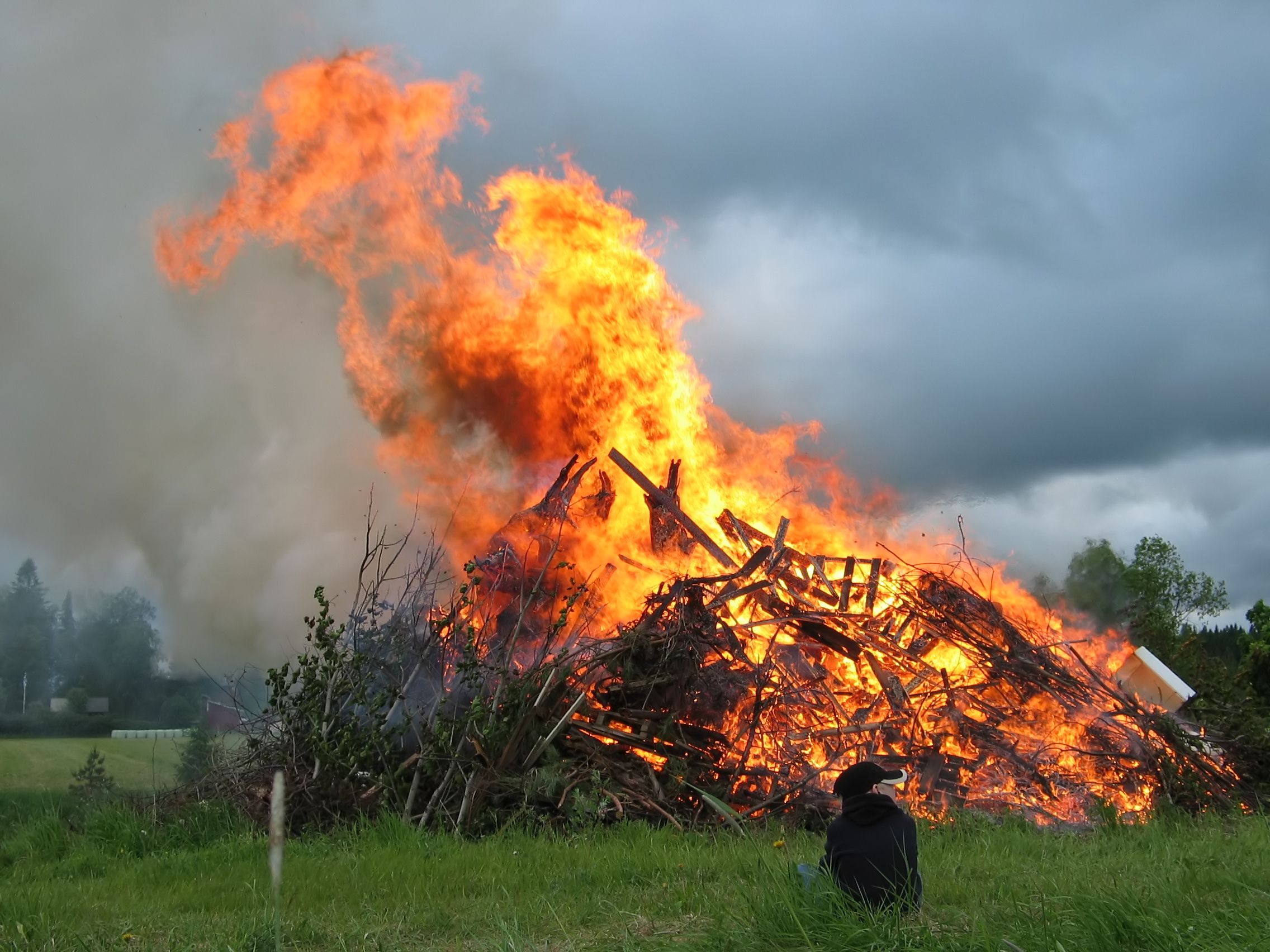
Is wood that is burning in a brush pile has heat, and produces ashes an example of a physical or a chemical change?
Physical
Chemical
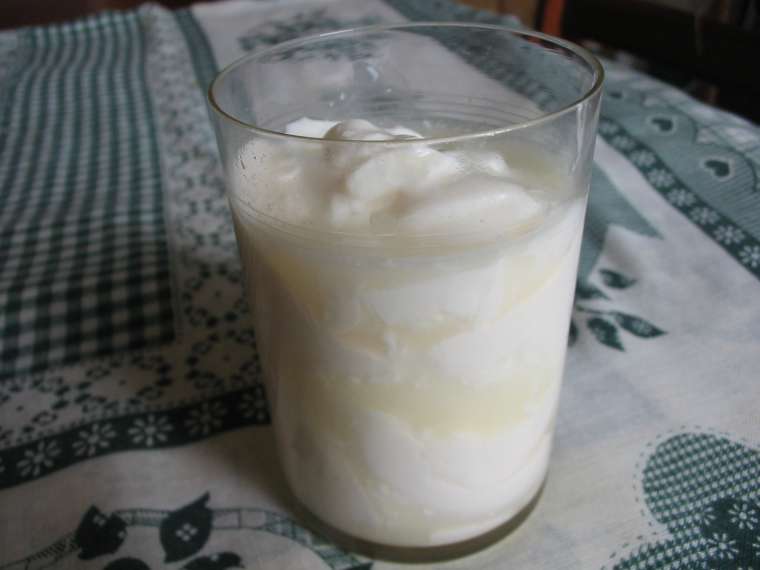
Is milk going sour a physical or chemical change?
Physical
Chemical
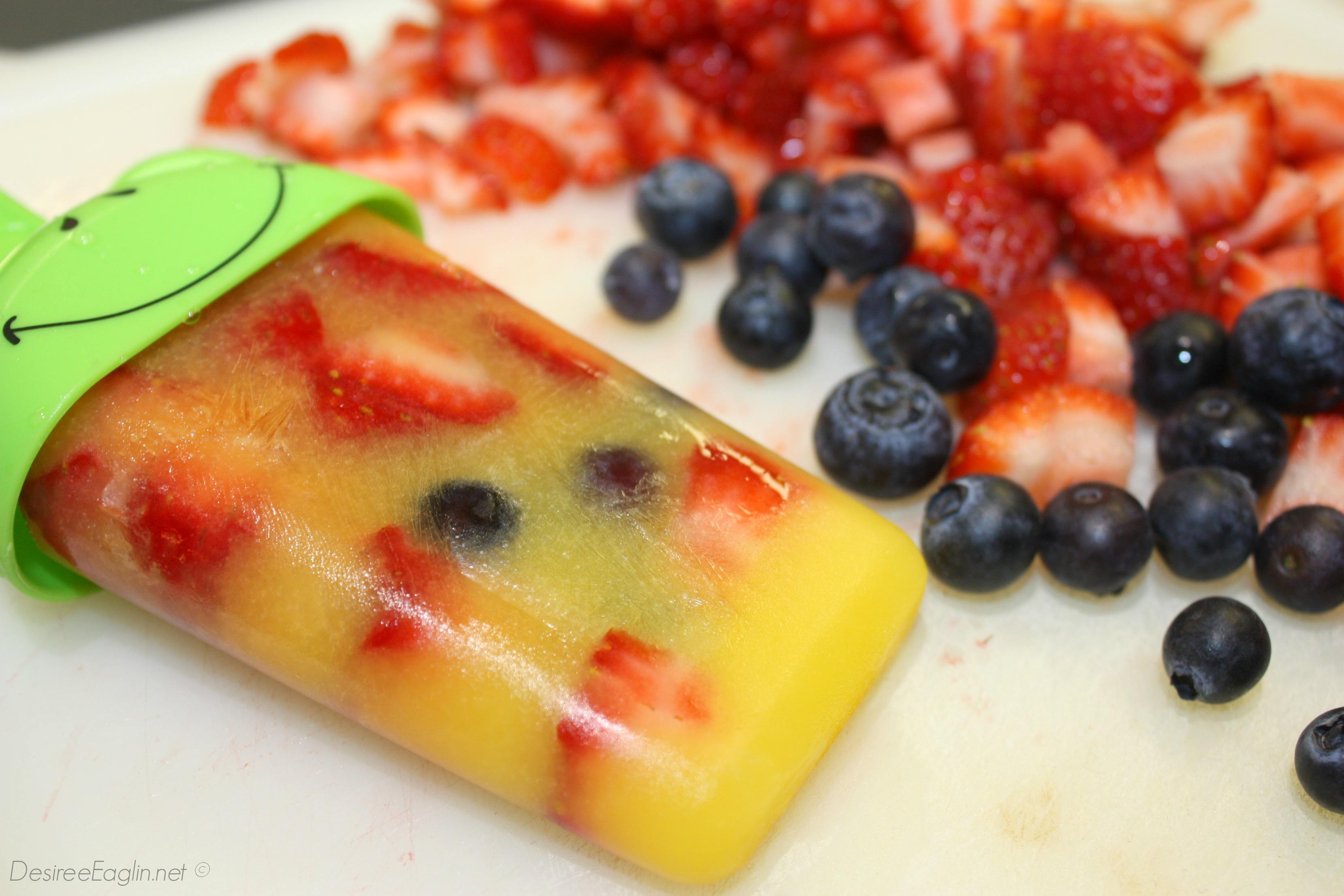
Is freezing juice an example of a physical change or a chemical change?
Physical Change
Chemical Change

When you break a cracker into pieces it is a...
Chemical change
Physical change
Is digesting your food is an example of a chemical change or a physical change?
chemical change
physical change
Which is an example of a chemical change?
paper cut into small pieces
chocolate melting in a pan
flour and sugar mixed in a bowl
cookies baking in an oven
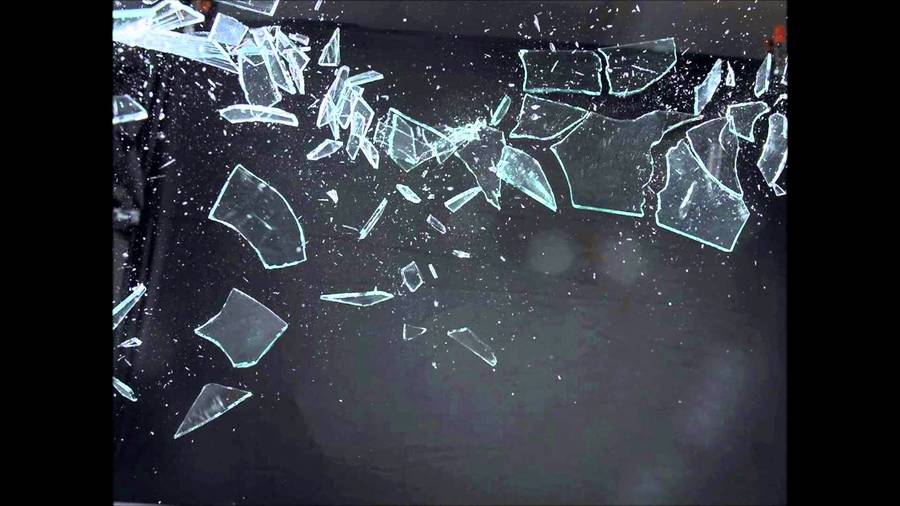
Is glass breaking into tiny shards an example of a chemical or physical change?
Chemical Change
Physical Change
Which is an example of a physical change?
Cooking
Buring Wood
Ripping paper
Digesting Food

Which of these four liquids is a mixture, made of parts, some of which can be separated?
salt water
skim milk
orange juice
distilled water (drinking water)
Which is a physical change?
burning wood
rusty nail
freezing water
baking cookies
Which is a chemical change?
rusted bike
cutting an apple
boiling water
tearing paper
What is the best way to separate a mixture of sugar, sand, and water?
Freeze the mixture, causing the water to be destroyed, then sift the sugar from the sand.
Filter the sand from the sugar and water, then heat the mixture, causing the water to evaporate.
Filter the mixture, causing the sugar and sand to get caught but not the water.
Stir the mixture, causing the water to move above the sugar and sand.

A student is investigating changes with common classroom materials. Which of the following BEST describes the conclusion the student can make about the investigations?
The paperclip shows evidence of a physical change by changing the shape of the object, whereas the pencil eraser and hole puncher show evidence of a physical change by changing the size of the object.
All three investigations show evidence of a physical change due to a change in the color of the original substance.
The paperclip and hole puncher shows evidence of a physical change by changing the chemical properties of the original object, whereas the pencil eraser shows evidence of a physical change by changing the size of the object.
All three investigations show evidence of a physical change due to a change in state of matter.
A 5th grade student places baking soda in a cup. The student then adds vinegar to the cup. The student collects the data below from the experiment. Based upon the results of the experiment, which statement BEST describes whether the change is a physical or chemical change.
The data concludes that a physical change has occurred because it had an increased change in temperature, which resulted in the liquid to start bubbling.
The data concludes that a physical change has occurred because the color of the liquid changed when you mixed two materials.
The data concludes that a chemical change has occurred because there was formation of bubbles when the materials reacted to each other.
The data concludes that a chemical change has occurred because mixing two substances together will always result in a reaction.
A 5th grade student places baking soda in a cup. The student then adds vinegar to the cup. The student collects the data below from the experiment. Based upon the results of the experiment, which statement BEST describes whether the change is a physical or chemical change.
The data concludes that a physical change has occurred because it had an increased change in temperature, which resulted in the liquid to start bubbling.
The data concludes that a physical change has occurred because the color of the liquid changed when you mixed two materials.
The data concludes that a chemical change has occurred because there was formation of bubbles when the materials reacted to each other.
The data concludes that a chemical change has occurred because mixing two substances together will always result in a reaction.

A teacher takes a tray of ice cubes out of the freezer. Each student takes an ice cube and holds it in their hands. They make the observations listed in the chart. The student claims that changing the temperature of the water causes a physical change that turns water into ice.
Which argument BEST supports the student’s claim?
The ice cube is melting in the student’s hand since the hands are much warmer than the ice. Heat is being added to the ice, which causes the particles to move faster.
The ice cube is freezing in the student’s hand since the hands are much warmer than the ice. Heat is being removed from the ice, which causes the particles to move slower.
The ice cube is melting in the student’s hand since state is changing from a solid to a liquid. Heat is being removed from the ice, which causes the particles to move faster.
The ice cube is melting in the student’s hand since state is changing from a liquid to a solid. Heat is being added to the ice, which causes the particles to move slower.
A mixture of sand and gravel can be separated by putting it in a container with holes that only the sand can pass through. This method works to separate the mixture because sand and gravel differ in which physical property?
texture
state of matter
color
size


Which statement BEST describes why the water vapor in the air formed liquid water on the outside of the glass?

The image shows what happens when cold medicine tablets are placed in room-temperature water. What evidence would indicate that a new substance is produced?
The tablet dissolves in water
The water becomes cloudy
The water level increases slightly
Bubbles are given off

stepping on a Coke can

sodium metal is cut with a knife

glucose dissolves in water

cooking an egg

baking cookies

mixing sand and water

sharpening a pencil

a nail rusting

burning wood
What is chemical change?
How two chemicals react with one another when combined
A property that we can measure or observe with our 5 senses or other tools
When two chemicals react with one another to form a new substance
When a change occurs but it does not result in the formation of a new substance
What is physical change?
How two chemicals react with one another when combined
A property that we can measure or observe with our 5 senses or other tools
When two chemicals react with one another to form a new substance
When a change occurs but it does not result in the formation of a new substance
Which of the following is an indication of chemical change
Melting
Freezing
Burning
Evaporating
Thermal energy (heat) is released or absorbed during the reaction explains the _________________
Change in color
Change in temperature
Change in gas

What kind of change an exploding firework?
physical change
chemical change

a banana rotting is what type of change?
chemical change
physical change

baking soda and vinegar chemically combine to make a new substance. What type of change is this?
chemical change
physical change

Ice cream melting is what type of change?
chemical change
physical change

Cutting a pizza into 8 separate slices is what type of change?
chemical change
physical change
In a physical change, a new substance is formed.
True
False
Baking a cake is an example of a physical change.
True
False
Which of the following is an example of a physical change?
a bike rusting
toast burning
butter melting
food spoiling
Which of the following examples is a physical change but NOT a change of state of matter?
logs burning
water freezing into ice cubes
candle wax melting
paper being cut
Which of the following is an example of a chemical change?
a penny tarnishing
a mirror being scratched
hair being cut
water being boiled
What is the best way to separate a mixture of sugar, sand, and water?
Freeze the mixture, causing the water to be destroyed, then sift the sugar from the sand.
Filter the sand from the sugar and water, then heat the mixture, causing the water to evaporate.
Filter the mixture, causing the sugar and sand to get caught but not the water.
Stir the mixture, causing the water to move above the sugar and sand.
A student is investigating changes with common classroom materials. Which of the following BEST describes the conclusion the student can make about the investigations?
The paperclip shows evidence of a physical change by changing the shape of the object, whereas the pencil eraser and hole puncher show evidence of a physical change by changing the size of the object.
All three investigations show evidence of a physical change due to a change in the color of the original substance.
The paperclip and hole puncher shows evidence of a physical change by changing the chemical properties of the original object, whereas the pencil eraser shows evidence of a physical change by changing the size of the object.
All three investigations show evidence of a physical change due to a change in state of matter.

Lighting a Match
Physical Change
Chemical Change

Rusting Nail
Physical Change
Chemical Change

Adding baking soda to vinegar
Physical Change
Chemical Change


a change that alters a substance without changing its chemical composition or its identity
Chemical Change
Physical Change
Chemical and Physical Change
Matter


Matter can change: the changes can be physical or chemical. When a physical change happens, nothing new is formed. During a physical change, matter changes form; it can be crushed or torn or change state. When a chemical change occurs, something new is formed. The reactant or reactants change and become something new. For example, a piece of iron can rust. The rust is the new substance that is formed. It is called iron oxide. How can you tell if a chemical change has taken place? There are certain observations you can make:1. temperature change2. color change3. gas or bubbles produced4. an odor is created5. combining two liquids forms a solid called a precipitate.
Ms. Brown asked her students to combine some regular cow's milk with white vinegar. Each group mixed 1 cup of warm milk with 4 tablespoons of vinegar in a glass measuring cup. After stirring the mixture, the students poured the liquids through a strainer into another beaker. The picture above shows the results of mixing warm milk with vinegar. What type of change is this? Explain.
It is a chemical change because two liquids mixed together something new and different.
It is a physical change because it is a mixture of two liquids.
It is a chemical change because there was a change in temperature of the milk.
It is a physical change because you can separate the parts with a strainer.

Boiling or cooking an egg is a ________________________ change.
reversible (physical) change
irreversible (chemical) change
Which of the following is a physical characteristic of a metal?
gas
malleablility
brittle
semi-conductor
What does luster mean?
Breaks into pieces
can be hammered into thin sheets
wire shaped
reflects light, appears shiny
What does brittle mean?
Breaks into pieces when hit or pressed
can be hammered into thin sheets
No shine
reflects light, shiny


Elements in the shaded area can best be described as -
Malleable
Brittle
Dull
Insulators

Elements in the shaded area can best be described as -
Semi-conductors
Insulators
Ductile
Siny
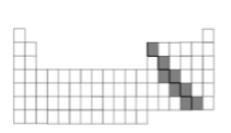
Elements in the shaded area can best be described as -
Shiny and brittle, semiconductors
Insulators
Good conductors


I can be drawn into wires. I am...
Malleable
Ductile
Luster
Conductor
Heat and electricity flow through me easily. I am a....
Malleable
Ductile
Luster
Conductor
I can be hammered into flat sheets. I am ....
Malleable
Ductile
Luster
Conductor
What property must a pan have to be used for cooking?
Malleable
Ductile
Luster
Conductor
Sometimes I conduct heat and electricty, sometimes I do not
Dull
Brittle
Nonconductor
Semi-conductor
If a student observes a silvery solid that is malleable, good conductor, and ductile. It is a.....
nonmetal
metal
metalloid
Which of the following describes a nonmetal?
Reflects light
often brittle, breaks into pieces
conducts heat and electricity
Ductile
It has anything that has mass and occupies space.
A. matter
B. molecule
C. element
D. substance
It a state of matter wherein it has a definite shape and volume.
A. liquid
B. gas
C. solid
D. all of the above
It is a combination of two or more substances.
A. substance
B. mixture
C. compound
D. matter
It is a mixture wherein it has a single phase or uniform substances.
A. homogenous mixture
B. heterogenous mixture
C. solute
D. solvent

COFFEE IS
GAS
ELEMENT
HOMOGENEOUS MIXTURE
HETEREGENEOUS MIXTURE

BURGER IS
LIQUID
ELEMENT
HETEROGENEOUS MIXTURE
HOMOGENEOUS MIXTURE

CHOCOLATE CHIPS IS
SOLUTION
NOT A MIXTURE
HOMOGENEOUS MIXTURE
HETEROGENEOUS MIXTURE

TOMATO KETCHUP IS
HETEROGENEOUS MIXTURE
ELEMENT
MOLECULE
HOMOGENEOUS MIXTURE

MILK IS
MOLECULE
HETEROGENEOUS MIXTURE
SOLID
HOMOGENEOUS MIXTURE


What is the definition of a homogeneous mixture?
A mixture where the components separate into distinct layers according to density.
A mixture where the components are distributed unevenly and the composition varies throughout.
A mixture where the components are distributed uniformly and the composition is the same throughout.
A mixture where the components are distributed randomly and the composition changes at different points.


What is a homogenous mixture?
Something that you can mix and take out
You can mix it but it can not be separated
Heterogenous mixture
homogenous mixture is separating things and easily taking it out
6. Your science teacher showed in class a bowl of fruit and vegetables
salad. Your classmate examined the mixture and was able to
distinguish fruits from vegetables. What type of mixture was presented
by your teacher?
A. colloid
B. heterogeneous (Non-Uniform)
C. homogeneous (Uniform)
D. solution
What is the definition of a heterogeneous mixture?
A combination of two or more substances that are separated by a filter.
A combination of two or more substances that are not evenly distributed or mixed together.
A mixture that contains only one type of substance.
A combination of two or more substances that are evenly distributed or mixed together.
Give an example of a heterogeneous mixture.
Air
Pure water
Trail mix
Salt water
Give an example of a homogeneous mixture.
Oil and water
Sand and water
Salty water
Iron filings and sulfur
Identify which images are HETEROGENEOUS MIXTURES! (Check all that apply)


In a homogeneous mixture, you cannot identify the different substances mixed.
True
False
Why is a bowl of cereal with milk considered a heterogeneous mixture?
Because the cereal and milk are evenly distributed.
Because the cereal and milk are not evenly distributed and can be separated.
Because the cereal and milk cannot be separated.
Because the cereal and milk are both liquids.

What is colored water?
homogeneous
heterogenous

What is Italian dressing?
homogeneous
heterogenous
Matter is separated into two categories:
elements and solutions; mixtures and energy
elements and atoms; molecules and compounds
pure substances and mixtures
solids and liquids; gases and plasma
Which answer choice correctly outlines the differences between pure substances and mixtures?
pure substances cannot be separated physically while mixtures can be separated physically.
pure substances can be separated physically while mixtures cannot be separated physically
pure substances and mixtures both can be separated physically.
Neither pure substances and mixtures cannot be separated physically.
A _ is a mixture that is made up of two or more substances that are uniform(same) throughout.
(a)
Which of the following answer choices IS NOT an example of a homogeneous mixture?
coffee
lemonade
blood
reese's peanut butter cup ice cream
Which of the following answer choices all listed as homogeneous mixtures? Choose all that apply.
solution
solvent
solute
molecule
Mr. Devers poured water in a cup to drink. He started to drink the liquid then he added some yellow lemonade powder as he mixed both together. What would the yellow lemonade powder be called in this mixture?
solute
solvent
pure substance
molecule
Water that dissolves salt in salt water is called (a) ?
________ mixture is a mixture that is made up of two or more substances that are not uniformed throughout.
pure substances
homogeneous
heterogeneous
elements
Which of the following answer choices are examples of heterogeneous mixtures? Choose all that apply.
fruit salad
soil
cereal in milk
blood
Choose only examples of heterogeneous mixtures. Choose all that apply.


Which of the following cannot be separated physically? Choose all that apply.
oxygen
carbon
bananas in oatmeal
nitrogen
What does soda, air, milk, and brass have in common?
all are examples homogeneous mixtures
all are examples heterogeneous mixtures
air and brass are homogeneous and milk and soda are heterogeneous mixtures
Neither are examples of homogeneous or heterogeneous mixtures.
(a) anything that has mass and takes up space.
A group of atoms that are bonded together are called______?
volume
matter
atoms
molecules

