
 Worksheets
3G4 PEAH L1 TO 4
Total questions: 62
Worksheet time: 31mins

What is the main concept discussed in the image?
Importance of exercise
Concept and importance of safe and healthy eating
Benefits of drinking water
Concept of food preservation
What does the concept of eating safe and healthy food involve?
Eating food that is tasty but not nutritious
Consuming food that is free from harmful substances and provides essential nutrients
Eating only junk food
Avoiding all types of food to stay safe
Why is it important to eat safe and healthy food?
To enjoy different flavors
To maintain good health and prevent diseases
To eat more food than necessary
To avoid cooking at home

What does healthy eating help the body to maintain?
Good health, feel good, and have energy
Gain weight, feel tired, and lose energy
Poor health, feel bad, and have no energy
Only good health and no energy

Why is it important for children to practice safe and healthy eating?
It supports growth and development into adulthood
It makes them eat more junk food
It helps them avoid eating vegetables
It reduces their energy levels
What are junk foods high in?
Sugar, salts, and fats
Vitamins, minerals, and proteins
Water, fiber, and carbohydrates
Energy, nutrients, and proteins
What is one disadvantage of eating junk food?
Junk food is less healthy
Junk food gives more nutrients
Junk food helps in growth
Junk food is good for energy
What does eating safe food mean?
Choosing and consuming food that is clean, properly prepared, and free from germs or harmful substances.
Eating food that is tasty but not necessarily clean.
Consuming food without checking its preparation or cleanliness.
Eating only junk food.
Why is eating safe food important?
It helps protect our bodies from sickness and keeps us healthy.
It makes food taste better.
It helps us eat more food.
It is only important for special occasions.
Which of the following is NOT a characteristic of safe food?
Food that is clean.
Food that is properly prepared.
Food that contains harmful substances.
Food free from germs.
What can happen if we do not eat safe food?
We may get sick.
We will become stronger.
We will eat more food.
Nothing will happen.
Why is it important to wash your hands, utensils, and cooking area before handling food?
To make the food taste better.
To prevent germs from spreading to the food we eat.
To make the food look more colorful.
To cook food faster.
What does keeping raw food away from cooked food help prevent?
Cross-contamination, which can spread bacteria.
Food from becoming too cold.
Food from losing its flavor.
Food from becoming too dry.

Which of the following is an example of raw food?
Bread.
Cooked rice.
Raw fish.
Grilled chicken.
What is the main reason for separating raw food from ready-to-eat food?
To keep the food fresh longer.
To prevent cross-contamination.
To make the food look more appealing.
To save space in the kitchen.
Why is it important to cook food thoroughly, especially meat, poultry, and seafood?
To make the food taste better.
To kill harmful germs that can cause foodborne diseases.
To make the food look more appealing.
To save time while cooking.
Why should food be protected from flies and pests?
Because flies and pests can carry germs that contaminate food.
Because flies and pests make the food taste bad.
Because flies and pests eat the food.
Because flies and pests make the food smell bad.
What is one way to prevent foodborne diseases?
Cook food thoroughly.
Eat food quickly.
Store food in the refrigerator.
Avoid eating meat and seafood.
What is the main reason for covering food to keep insects and pests away?
To prevent germs from contaminating the food.
To keep the food warm.
To make the food look clean.
To save space in the kitchen.
Why is it important to store food at safe temperatures?
To make food taste better.
To prevent bacteria from multiplying and keep food fresh.
To make food look more colorful.
To save space in the refrigerator.
What should you do to ensure food is safe to eat?
Ignore the expiration date on food labels.
Always read food labels and check the expiration date.
Store food in any temperature.
Eat food immediately after buying it.
What happens if you eat expired food?
It can be spoiled or harmful to your health.
It will taste better than fresh food.
It will make you stronger.
It will stay fresh forever.
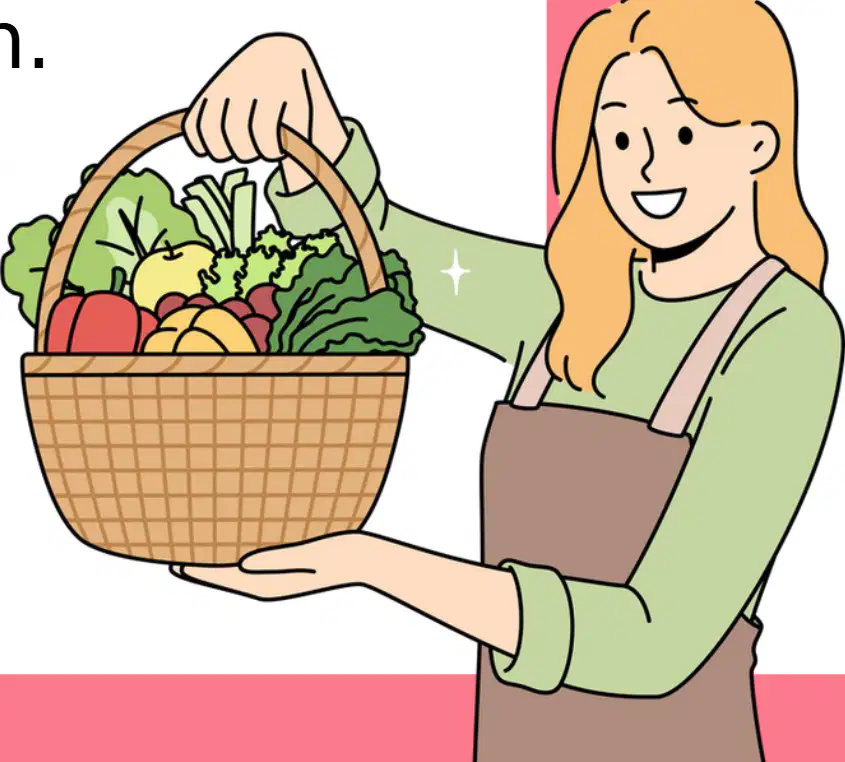
What is the correct way to store hot and cold food?
Keep hot food cold and cold food hot.
Keep hot food hot and cold food cold.
Mix hot and cold food together.
Store food at room temperature.
Which of the following is an essential nutrient needed for a healthy body?
Vitamins
Plastic
Sugar
Sand
What is the primary function of essential nutrients in the body?
To provide energy and support growth
To make the body heavier
To change the color of the skin
To reduce the need for water
Which of the following is NOT an essential nutrient for the body?
Proteins
Carbohydrates
Rocks
Minerals
Why is it important to identify essential nutrients for the body?
To ensure the body functions properly
To make the body look bigger
To avoid eating food
To reduce the need for exercise
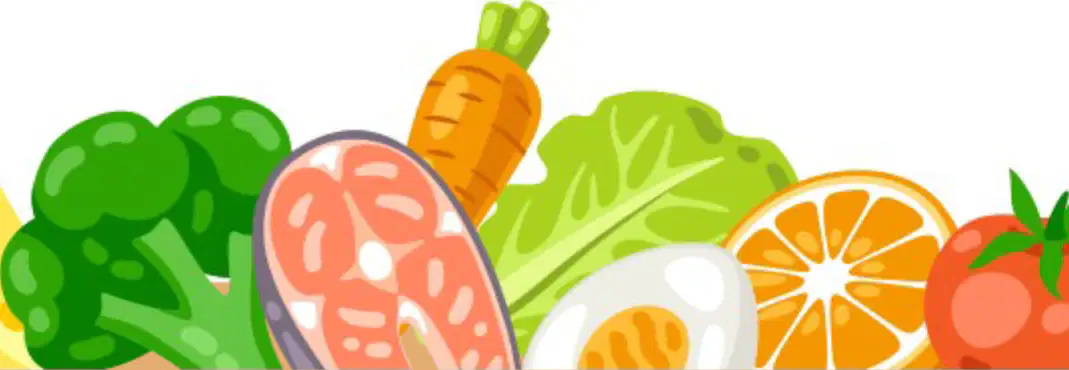
Why does the body need various nutrients?
To grow healthy and strong.
To make the body tired.
To reduce energy levels.
To stop the body from functioning.
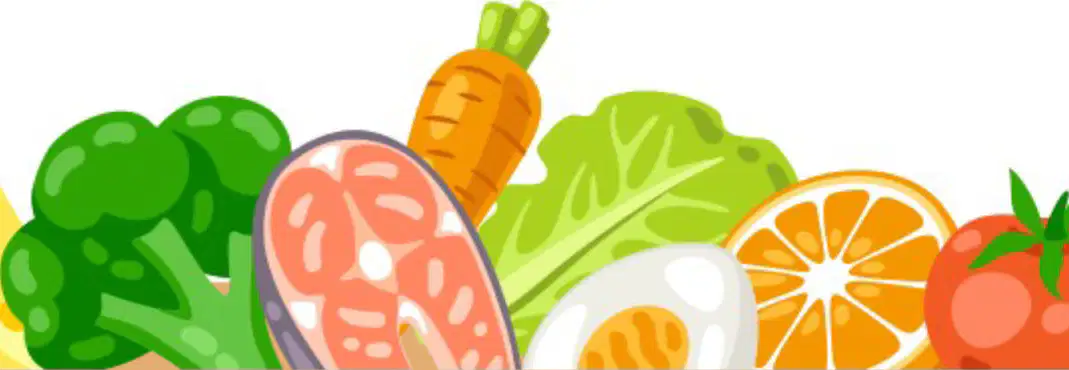
What must be done to ensure the body grows healthy and strong?
Consume nutrients in the right amount.
Avoid eating any food.
Eat only one type of food.
Consume nutrients in excess.

What is the main function of carbohydrates in the body?
To build and repair body tissues
To provide the body’s main source of energy
To help the body fight diseases
To improve digestion

Which of the following is an example of a carbohydrate-rich food?
Meat
Rice
Fish
Eggs
What is the primary role of proteins in the body?
To provide energy
To build and repair body tissues like muscles and bones
To improve digestion
To regulate body temperature
Which of the following is an example of a protein-rich food?
Bread
Corn
Chicken
Potatoes
Why are proteins important for the body?
They help us stay active throughout the day
They help us grow strong and healthy
They provide the body’s main source of energy
They improve digestion

What is the main function of fats in the body?
Provide energy, keep us warm, and protect our organs.
Help fight sickness and ensure body parts work properly.
Build muscles and strengthen bones.
Improve digestion and regulate blood sugar levels.
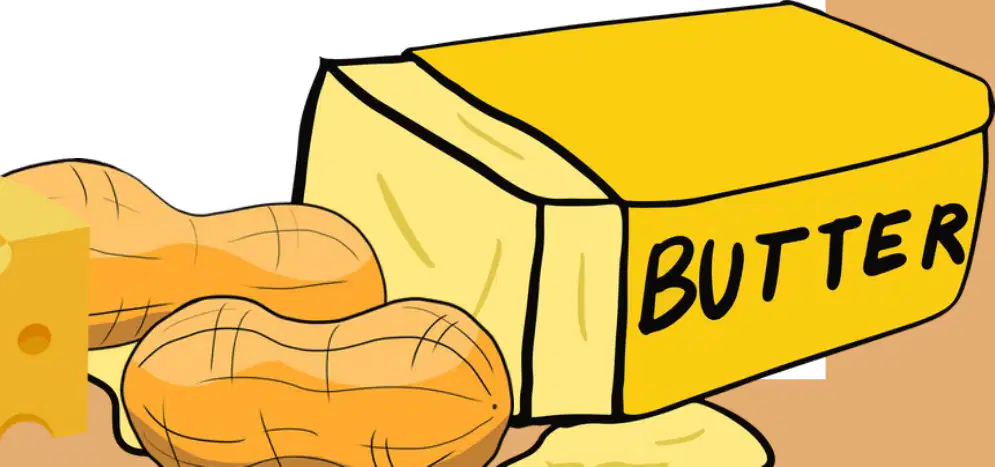
Which of the following is an example of a food rich in fats?
Carrots
Butter
Oranges
Fortified milk
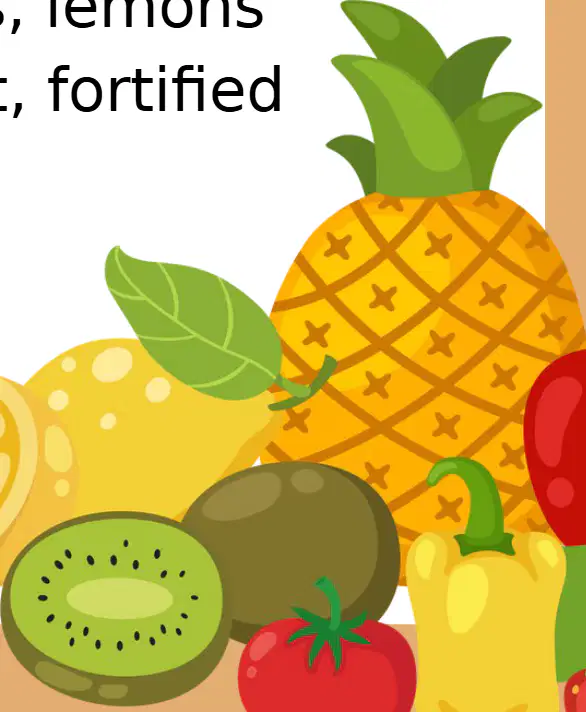
What do vitamins help the body do?
Provide energy and keep us warm.
Fight sickness and ensure body parts work properly.
Build muscles and strengthen bones.
Improve digestion and regulate blood sugar levels.

Which of the following is an example of a food rich in Vitamin C?
Squash
Oranges
Butter
Fortified milk
Which vitamin can be obtained from sunlight?
Vitamin A
Vitamin C
Vitamin D
Vitamin B
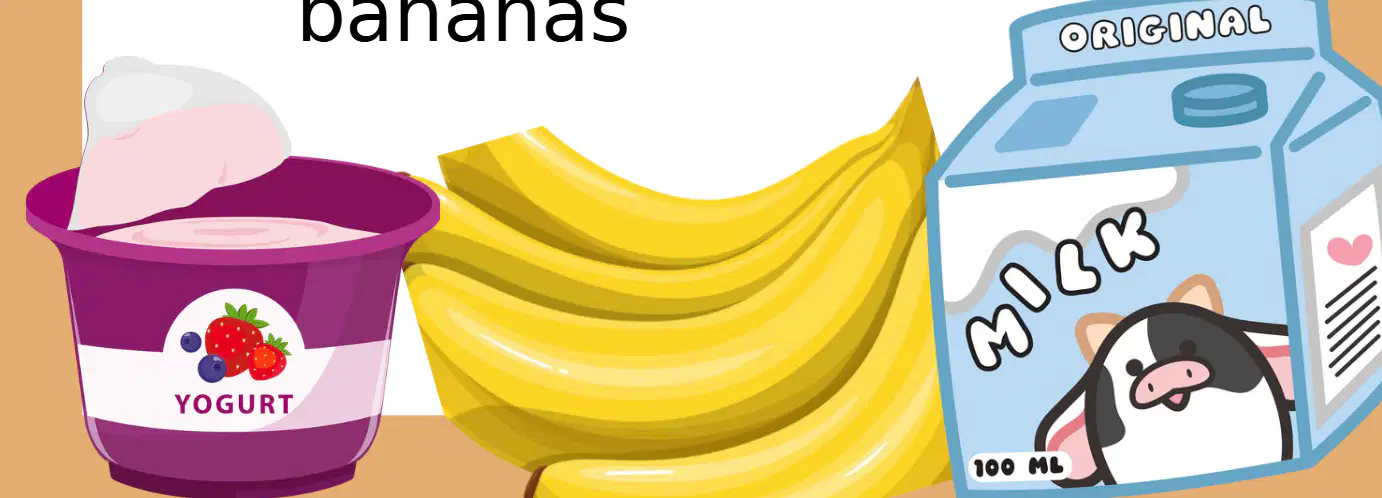
What do minerals help make strong in our body?
Bones, teeth, and blood
Muscles and skin
Hair and nails
Eyes and ears
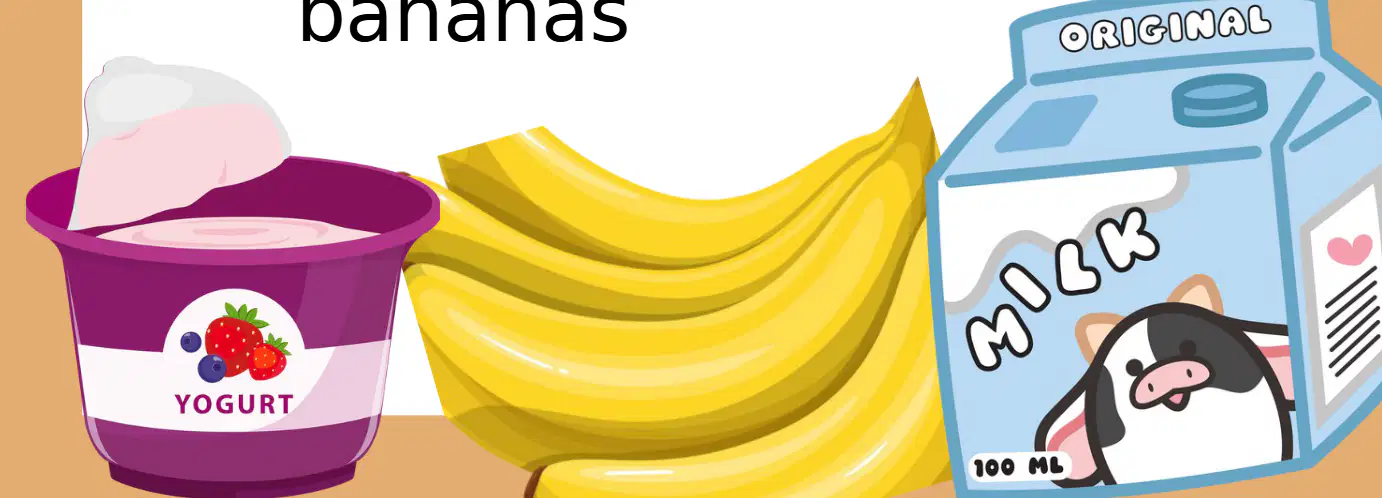
Which of the following is an example of a food rich in calcium?
Milk
Meat
Bananas
Watermelon
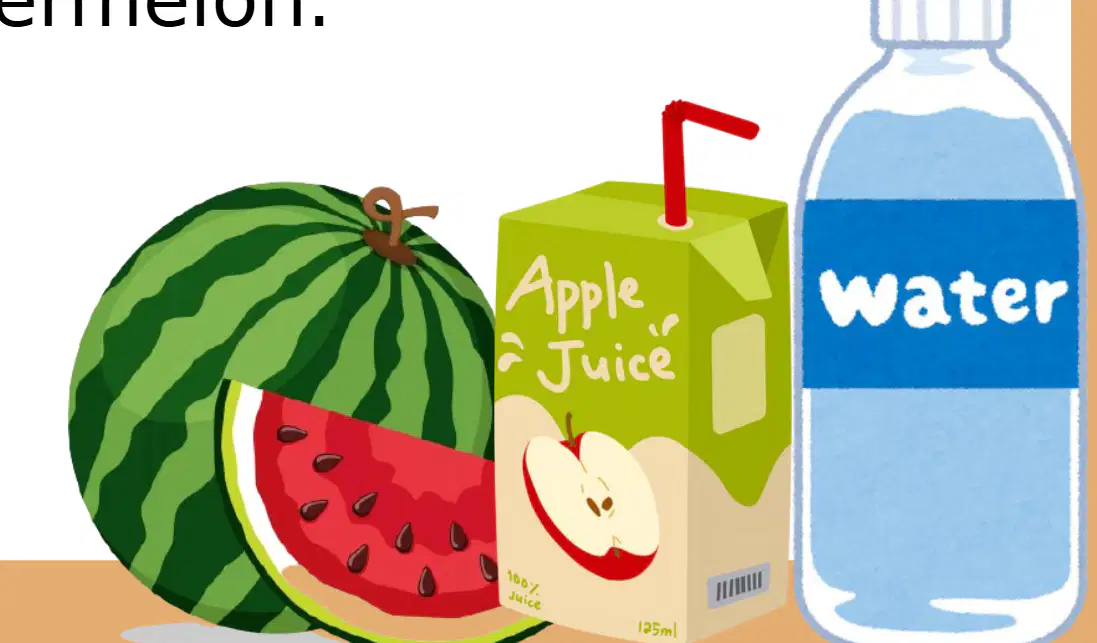
What does water help control in the body?
Body temperature
Hair growth
Bone strength
Vision

Which of the following is an example of a food rich in potassium?
Bananas
Yogurt
Meat
Soup
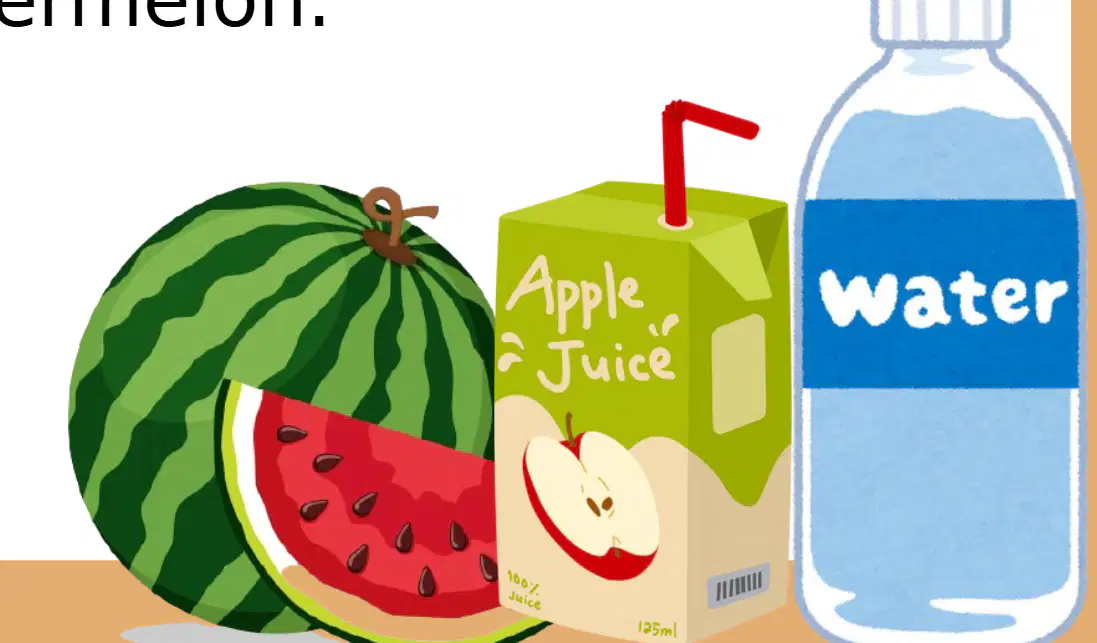
Which of the following is an example of a drink that helps with hydration?
Apple juice
Yogurt
Spinach
Meat

What is one function of water in the body?
Helps digestion
Builds muscles
Strengthens bones
Improves eyesight

What is the term used to describe a meal that contains all the necessary nutrients in the right proportions?
Junk food
Balanced meal
Fast food
Processed food

Which of the following is an example of a food item that is part of a balanced diet?
Candy
Broccoli
Soda
Chips

Why is it important to eat a balanced diet?
To stay healthy and get all necessary nutrients
To eat more junk food
To avoid eating fruits and vegetables
To eat only one type of food
What does a balanced diet help demonstrate?
Healthy and balanced food choices
The importance of exercise
The benefits of drinking water
The concept of vitamins
What is one benefit of eating a balanced meal when engaging in physical activity?
It provides energy for physical activity
It reduces the need for sleep
It eliminates the need for hydration
It increases sugar intake
Which concept is explained when discussing balanced diets?
The concept of balanced diet
The concept of fast food
The concept of skipping meals
The concept of overeating
What is a balanced meal?
A meal with only fruits and vegetables.
A meal with the right amount of different food groups our body needs.
A meal with only proteins and carbohydrates.
A meal with no nutrients.
Which of the following is the main purpose of a balanced meal?
To make food taste better.
To give us enough nutrients to stay healthy and strong.
To eat only one type of food.
To avoid eating altogether.

What are the three types of food groups mentioned in a balanced meal?
Go, grow, and glow foods.
Fruits, vegetables, and proteins.
Carbohydrates, fats, and sugars.
Dairy, meat, and grains.
What is one benefit of eating a balanced meal?
It helps the body grow properly.
It makes you sleep longer.
It reduces the need for exercise.
It makes you eat more junk food.
How does eating a balanced meal help children in school?
It gives them more energy and helps prevent sickness.
It makes them play less.
It makes them eat less food.
It helps them skip meals.
Why is staying healthy important for children?
It helps them grow properly and have energy for school and play.
It makes them avoid playing.
It helps them eat more sweets.
It makes them sleep all day.
What happens to children who eat balanced meals regularly?
They have more energy and get sick less often.
They feel tired and sleepy.
They eat more junk food.
They skip meals often.
What are the three major food groups needed to prepare a balanced meal?
Go foods, Grow foods, Glow foods
Energy foods, Protein foods, Vitamin foods
Fast foods, Junk foods, Healthy foods
Fruits, Vegetables, Dairy products
Which food group provides energy for the body?
Go foods
Grow foods
Glow foods
Junk foods
Which food group helps in body building?
Grow foods
Go foods
Glow foods
Energy foods
Which food group is important for protection and maintaining health?
Glow foods
Go foods
Grow foods
Junk foods

