
 Worksheets
Safety Awareness Quiz
Total questions: 10
Worksheet time: 5mins
Why is it important to think ahead and watch for traffic when walking?
To avoid getting lost
To stay safe and avoid accidents
To walk faster
To find shortcuts
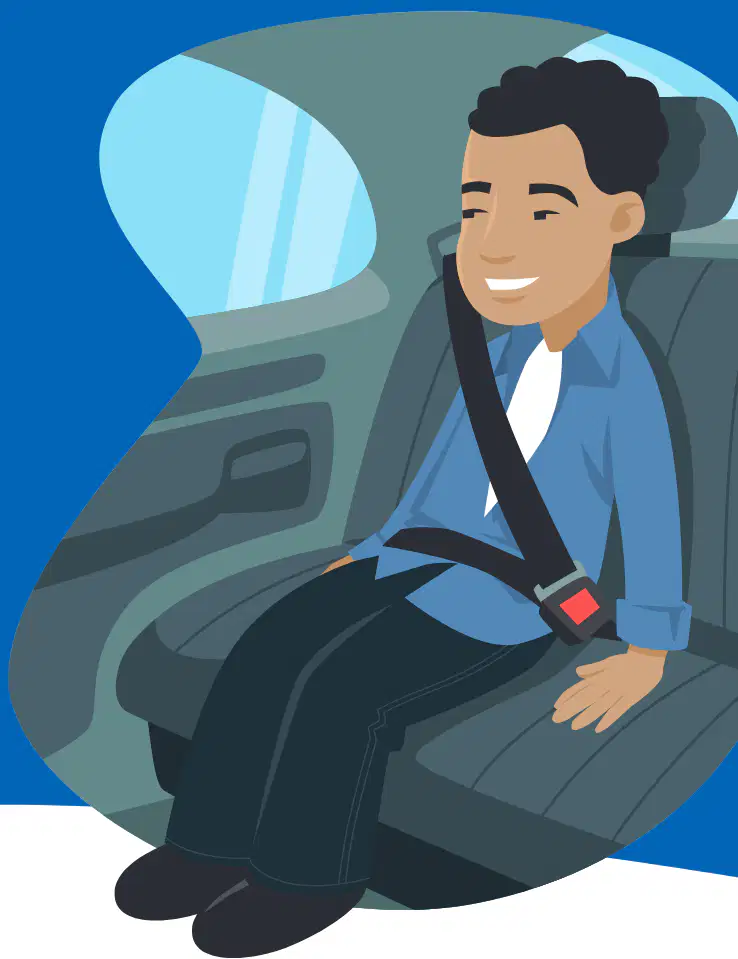
What is one way to keep yourself safe when riding in a car?
Wear a seatbelt at all times
Sit in the front seat without a seatbelt
Open the car door while the car is moving
Stand up in the car while it is moving

What should you do if you need to cross the street safely?
Look both ways before crossing.
Run across without checking.
Cross at any random spot.
Ignore crosswalks and traffic lights.

What is one way to keep yourself safe when crossing the street?
Cross the street without looking both ways.
Wait for the 'WALK' signal before crossing.
Run across the street quickly without checking traffic.
Cross the street diagonally to save time.
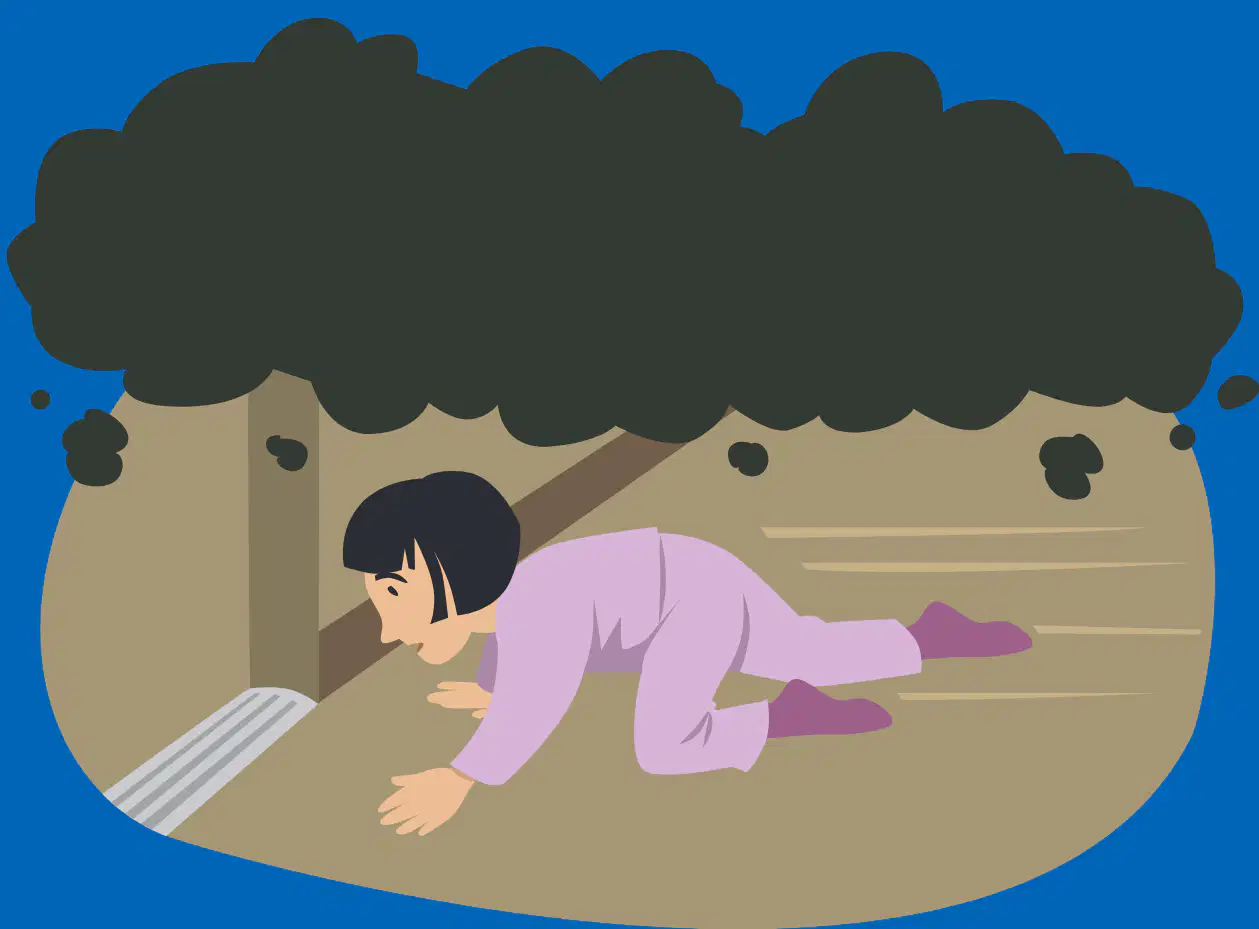
What is one way to keep yourself safe during a fire?
Crawl low to avoid smoke.
Run quickly through the smoke.
Open all windows to let smoke out.
Stand up and shout for help.

Where should dangerous household products be stored?
In locked cabinets or out of reach.
On the floor for easy access.
Next to food items.
In open spaces where everyone can see them.

How can friends influence your sense of safety?
Friends can help you feel safe by supporting you and standing up for you.
Friends have no impact on your safety.
Friends can make you feel unsafe by always disagreeing with you.
Friends only affect your safety when you are in danger.

Which of the following actions is emphasized in the image to stay safe?
Think ahead.
Plan ahead.
Keep thinking.
All of the above.

What does 'Plan ahead' help you achieve according to the image?
It helps you prepare for situations and stay safe.
It makes you forget about safety.
It encourages you to act without thinking.
It stops you from making decisions.
Which of the following is an example of an area of risk mentioned in the 'Planning for Safety' activity?
Riding a bike or skateboard
Reading a book
Watching TV
Playing video games

