
 Worksheets
3G2 PEAH
Total questions: 48
Worksheet time: 24mins
What are the elements of movement mentioned in the learning material?
Speed, force, and flow
Jumping, running, and skipping
Endurance, strength, and balance
Balls, ropes, and scarves
Which of the following exercises helps build endurance, strength, flexibility, and balance?
Simple exercises
Playing video games
Watching TV
Sleeping
What equipment can be used to add variety to movements and improve flexibility and coordination?
Balls, ropes, and scarves
Chairs, tables, and desks
Books, pencils, and erasers
Shoes, socks, and hats
Why is engaging in physical activities important?
It is fun and enjoyable
It helps you sleep more
It makes you eat more
It helps you watch TV better
Why is engaging in physical activities important?
It helps maintain good health and fitness.
It makes you dislike outdoor environments.
It reduces your ability to concentrate.
It causes you to lose interest in socializing.

What are the elements of movement?
Speed, Force, and Flow
Speed, Power, and Energy
Strength, Balance, and Flow
Force, Energy, and Balance
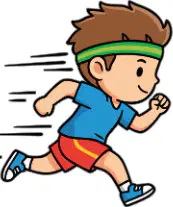
Which element of movement is related to how fast or slow we move?
Force
Speed
Flow
Balance
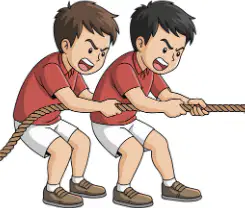
Which element of movement involves the strength used to push or pull something?
Flow
Speed
Force
Energy
What does the element "Flow" in movement describe?
The smoothness of movement
The speed of movement
The strength of movement
The balance of movement
What does "speed" in movement tell us?
The direction of movement
How fast or slow a movement is performed
The type of movement
The distance covered during movement
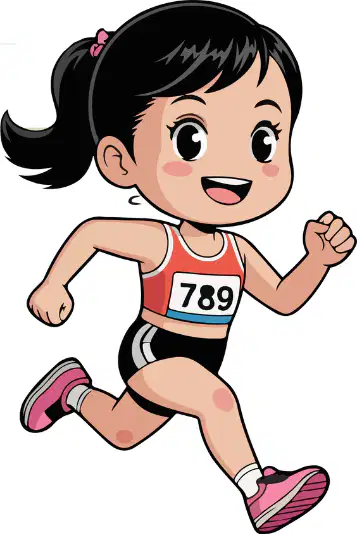
Which of the following is an example of a fast movement?
Walking slowly to school
Running in a race
Sitting in a chair
Reading a book

Which of the following is an example of a slow movement?
Sprinting in a race
Walking to class
Jumping over a hurdle
Riding a bicycle quickly
What is the opposite of a fast movement?
Quick movement
Slow movement
Medium movement
Sudden movement
What does "force" in movement describe?
The speed of the movement
How lightly or strongly movements are performed
The direction of the movement
The type of activity being performed

Which of the following best describes a "strong" movement?
A slow and gentle movement
A heavy and forceful movement
A quick and light movement
A smooth and flowing movement

What does "Force" in the elements of movement describe?
The speed of movements
How lightly or strongly movements are performed
The direction of movements
The type of movements (e.g., jumping, walking)
What type of movement is described as "light" in the elements of movement?
Strong and fast movement
Gentle and soft movement
Heavy and loud movement
Quick and sharp movement

What does "Flow" in movement describe?
How fast a movement is performed
How smooth or choppy a movement is performed
How high a movement can go
How strong a movement is performed
What is a characteristic of free flow movements?
They are choppy
They are continuous
They are slow
They are irregular
What does "Flow" in movement describe?
How smooth or choppy a movement is performed
How fast a movement is performed
How high a movement can go
How loud a movement sounds
What does "Bound" in movement mean?
A movement that can be controlled or stopped
A movement that is very fast
A movement that is very smooth
A movement that cannot be stopped
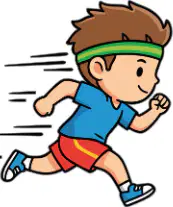
What does speed tell us about a movement?
How strong or light a movement is
How fast or slow a movement is
Whether a movement is smooth or stop-and-go
How far a movement travels
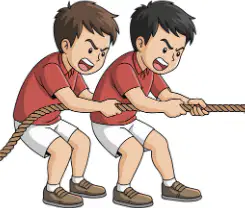
What does force tell us about a movement?
How strong or light a movement is
How fast or slow a movement is
Whether a movement is smooth or stop-and-go
How long a movement lasts
What does flow tell us about a movement?
How strong or light a movement is
How fast or slow a movement is
Whether a movement is smooth or stop-and-go
How far a movement travels
Why is it important to understand the elements of movement?
To control their bodies and adjust movements for different activities
To learn how to run faster
To play games better
To understand how far they can move
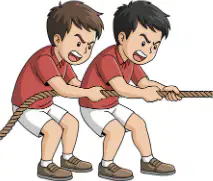
What is the speed used in Tug of War?
Fast
Slow
Medium
Very fast
Which physical activity uses light force and free flow?
Zumba
Tug of War
Jumping Jacks
Dribbling
What type of flow is used in Jumping Jacks?
Free
Bound
Loose
Fast
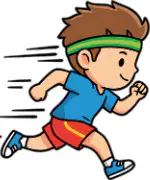
Which physical activity uses strong force and free flow?
Running
Zumba
Dribbling
Tug of War
What is the speed used in Dribbling?
Slow
Medium
Fast
Very slow
Why is it important to know how fast, how strong, and how smooth we move?
To help us in activities that need different amounts of energy, like sprinting and jogging.
To make us run slower.
To help us sleep better.
To avoid doing any physical activities.
What does physical fitness mean?
Being strong and alert to do everyday activities easily
Eating healthy food every day
Sleeping for long hours
Watching TV for relaxation
Which activity helps improve physical fitness?
Playing sports and exercising
Watching TV all day
Eating junk food
Sleeping all day
Why is physical fitness important?
It helps you do everyday activities easily
It makes you sleep longer
It helps you watch TV better
It makes you eat more food
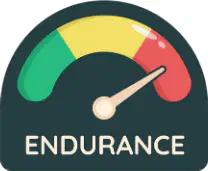
What does "Endurance" mean in physical fitness?
The ability to perform physical activities for longer periods of time.
The ability to lift heavy objects.
The ability to run fast for short distances.
The ability to jump high.
Which type of physical fitness is related to performing activities for a long time?
Strength
Endurance
Flexibility
Speed
What does "strength" mean in the context of physical fitness?
The ability to run fast
The state of being strong
The ability to jump high
The state of being flexible
Why is having strong muscles important?
To prevent back and neck pain
To help you sleep better
To make you taller
To improve your eyesight
Which of the following is NOT a benefit of strong muscles?
Preventing back pain
Preventing neck pain
Improving your singing voice
Supporting physical fitness
What does flexibility mean?
Being able to bend, twist, and stretch your body
Running fast and jumping high
Lifting heavy objects
Eating healthy food
Why is flexibility important for your body?
It helps your muscles and joints move easily in all directions
It makes you run faster
It helps you lift heavier weights
It improves your eyesight
What does "balance" mean?
Being able to stay steady so you don’t fall
Running fast to avoid falling
Jumping high to stay steady
Sitting still to avoid movement
When can a loss of balance happen?
When standing or moving suddenly
When sitting quietly
When lying down
When walking slowly
What do physical activities help us build?
A healthy lifestyle
A collection of toys
A school project
A library card
Where should exercise happen?
Only in school
Only at home
Everywhere, not just in school
Only in the park

What do children need throughout the day?
Long hours of strong activities without rest
Short times of strong and light activities with rest in between
Only light activities without rest
Only strong activities without rest
What does physical fitness mean?
Being able to do physical activities and tasks well
Eating only junk food
Sleeping all day
Avoiding exercise
How can we become physically fit?
By exercising regularly, eating healthy foods, and having good habits
By watching TV all day
By eating only sweets and snacks
By avoiding physical activities

