
 Worksheets
Characteristics of Life and Biological Concepts Quiz
Total questions: 158
Worksheet time: 2hrs 32mins
Which of the following is NOT one of the seven characteristics of life?
Order: organized structures from cells to organs
Energy processing: acquire and use energy
Growth and development: programmed by genetic information
Photosynthesis: the process of converting sunlight into food
What is the primary difference between bacteria and archaea?
Bacteria have peptidoglycan cell walls, while archaea have membranes with branched isoprenoid chains.
Archaea have a nucleus, while bacteria do not.
Bacteria are eukaryotic, while archaea are prokaryotic.
Archaea are pathogenic, while bacteria are not.
Which of the following is a characteristic of eukaryotic cells?
No nucleus and no membrane-bound organelles
Peptidoglycan cell walls
Linear chromosomes and membrane-bound organelles
Unbranched fatty acids with ester linkages
Which major eukaryotic group is mostly unicellular and very diverse?
Fungi
Protists
Plants
Animals
What is a hypothesis?
A proven scientific fact
A testable, falsifiable explanation for an observation
A random guess about an experiment
A statement that cannot be tested
Which of the following is true about fungi?
They are photosynthetic.
They have cell walls made of cellulose.
They absorb nutrients and act as decomposers.
They ingest food like animals.
Which of the following statements about plants is correct?
Plants have no cell walls.
Plants are multicellular and photosynthetic.
Plants ingest food like animals.
Plants have peptidoglycan in their cell walls.
What is the role of evolutionary adaptation in life?
It helps organisms respond to stimuli.
It improves survival and reproduction by changing heritable traits in populations.
It allows organisms to acquire and use energy.
It maintains stable internal conditions.
What is the role of a good hypothesis in scientific experiments?
It provides definitive proof of a theory.
It leads to predictions that can be tested with controlled experiments or observational studies.
It eliminates the need for data collection.
It ensures all experiments are successful.
Which property of water makes it a good solvent for polar and charged solutes?
High specific heat
Polarity
Ice density
Cohesion
What is the significance of water's cohesion and adhesion properties?
They help water resist temperature changes.
They enable water to move in plants.
They make ice less dense than liquid water.
They increase water's solubility for polar molecules.
What happens to water when it freezes?
It becomes denser than liquid water.
It floats due to being less dense than liquid water.
It loses its ability to act as a solvent.
It evaporates faster.
What is the pH range of human blood and cells for survival?
6.0–6.5
7.0–7.8
8.0–8.5
5.5–6.0
Which functional group is polar, forms hydrogen bonds, and increases solubility in alcohols and sugars?
Carbonyl (C=O)
Hydroxyl (–OH)
Ketone (–CO–)
Aldehyde (–CHO)
What is the difference between aldehyde and ketone in the carbonyl group?
Aldehyde is found in alcohols, while ketone is found in sugars.
Aldehyde is at the end of a molecule, while ketone is in the middle.
Aldehyde is nonpolar, while ketone is polar.
Aldehyde increases solubility, while ketone decreases solubility.
Which functional group is acidic and can donate H+, often ionized as –COO⁻ in amino acids and fatty acids?
Amino (–NH₂ / –NH₃⁺)
Sulfhydryl (–SH)
Carboxyl (–COOH)
Phosphate (–PO₄²⁻)
What is the primary role of dehydration synthesis in biological molecules?
Breaking polymers into monomers by adding water
Joining monomers into polymers by removing a water molecule
Transporting energy within cells
Stabilizing protein structure through disulfide bridges
Which type of carbohydrate is composed of long chains of monosaccharides and serves storage or structural roles?
Monosaccharides
Disaccharides
Polysaccharides
Lipids
Which of the following is an example of a structural carbohydrate in plant cell walls?
Glycogen
Cellulose
Chitin
Sucrose
What is the major type of lipid that consists of glycerol and three fatty acids, and serves functions such as energy storage, insulation, and cushioning?
Phospholipids
Steroids
Fats/Triglycerides
Monosaccharides
Which functional group is negatively charged, very polar, and involved in energy transfer in ATP, DNA, and phospholipids?
Sulfhydryl (–SH)
Phosphate (–PO₄²⁻)
Amino (–NH₂ / –NH₃⁺)
Carboxyl (–COOH)
What is the difference between hydrolysis and dehydration synthesis?
Hydrolysis removes water, while dehydration synthesis adds water.
Hydrolysis breaks polymers into monomers, while dehydration synthesis joins monomers into polymers.
Hydrolysis forms covalent bonds, while dehydration synthesis breaks covalent bonds.
Hydrolysis occurs in anabolic reactions, while dehydration synthesis occurs in catabolic reactions.
Which carbohydrate is used for energy storage in animals?
Starch
Glycogen
Cellulose
Chitin
What is the role of oligosaccharides on glycoproteins and glycolipids?
Energy storage
Structural support
Cell recognition/signaling
Insulation
Which functional group can form disulfide bridges that stabilize protein structure?
Carboxyl (–COOH)
Sulfhydryl (–SH)
Amino (–NH₂ / –NH₃⁺)
Phosphate (–PO₄²⁻)
Which type of fatty acid has no double bonds and is solid at room temperature?
Unsaturated fatty acids
Saturated fatty acids
Phospholipids
Steroids
What is the structure of phospholipids?
Four fused rings
Glycerol + 2 fatty acids + phosphate-containing head
Linear sequence of amino acids
Central carbon bonded to amino group and carboxyl group
Which major protein function involves catalyzing biochemical reactions?
Structural
Enzymes
Transport
Defense
What determines the properties of amino acids?
Phosphate group
R group
Hydrogen bonds
Peptide bonds
Which level of protein structure involves the association of multiple polypeptide chains into a functional protein?
Primary
Secondary
Tertiary
Quaternary
What type of bond connects the nucleotide sequence in nucleic acids?
Hydrogen bonds
Ionic bonds
Phosphodiester bonds
Disulfide bonds
Which protein function is responsible for movement in muscles?
Transport
Defense
Movement
Signaling
What stabilizes the tertiary structure of proteins?
Backbone hydrogen bonds
Interactions among R groups
Peptide bonds
Phosphodiester bonds
What is the primary structure of proteins?
Local folding into α-helices and β-pleated sheets
Linear sequence of amino acids
Overall 3D shape of one polypeptide
Association of multiple polypeptide chains
Which type of fatty acid is liquid at room temperature and contains one or more cis C=C bonds?
Saturated fatty acids
Unsaturated fatty acids
Steroids
Phospholipids
Which of the following describes the secondary structure of nucleic acids?
3D folding of a whole nucleic acid molecule
Complexes of nucleic acids with proteins or other nucleic acids
Local base-pairing patterns such as DNA double helix and RNA hairpins
Binding of nucleic acids to histones
What drives the folding of nucleic acids?
Ionic interactions with charged backbone and binding to proteins
Complementary base pairing and base stacking
Both A and B
None of the above
Which base pairing is complementary in DNA?
A–U, G–C
A–T, G–C
A–G, T–C
A–C, G–T
What is the primary difference between DNA and RNA in terms of sugar composition?
DNA contains ribose sugar, while RNA contains deoxyribose sugar
DNA contains deoxyribose sugar, while RNA contains ribose sugar
Both DNA and RNA contain ribose sugar
Both DNA and RNA contain deoxyribose sugar
Which of the following is a characteristic of prokaryotic cells?
Presence of a nucleus with linear chromosomes
Presence of membrane-bound organelles
DNA in nucleoid, usually one circular chromosome
Larger size (10–100 µm)
What is a major difference between animal and plant cells?
Animal cells have chloroplasts, while plant cells do not
Plant cells have cell walls, while animal cells do not
Animal cells have a cytoskeleton, while plant cells do not
Plant cells lack membrane-bound organelles
Where is RNA primarily found in eukaryotic cells?
Only in the nucleus
In the nucleus and cytoplasm
Only in mitochondria
Only in chloroplasts
Which of the following is true about eukaryotic cells?
They lack a cytoskeleton
They have many membrane-bound organelles
Their DNA is found in a nucleoid
They are smaller than prokaryotic cells
Which organelle is responsible for synthesizing proteins for secretion, membranes, and lysosomes?
Smooth ER
Rough ER
Golgi apparatus
Lysosomes
What is the primary function of chloroplasts in plant cells?
Cellular respiration
Photosynthesis
Lipid synthesis
Protein modification
Which organelle contains hydrolytic enzymes and is primarily found in animal cells?
Lysosomes
Peroxisomes
Vacuoles
Mitochondria
What is the main difference between plant and animal cells regarding vacuoles?
Animal cells have large central vacuoles, while plant cells have small vacuoles.
Plant cells have large central vacuoles, while animal cells have small vacuoles.
Both plant and animal cells have large central vacuoles.
Neither plant nor animal cells have vacuoles.
Which organelle is responsible for detoxifying peroxides and breaking down fatty acids?
Lysosomes
Peroxisomes
Golgi apparatus
Smooth ER
What structure in eukaryotic cells is responsible for cell shape, movement, and organelle transport?
Cytoskeleton
Ribosomes
Nucleus
Mitochondria
Which organelle is involved in lipid synthesis and detoxification?
Rough ER
Smooth ER
Golgi apparatus
Peroxisomes
What is the primary function of the Golgi apparatus?
Synthesizing proteins
Modifying, sorting, and packaging proteins and lipids into vesicles
Detoxifying peroxides
Breaking down macromolecules
Which organelle contains circular DNA and ribosomes and is involved in ATP production?
Nucleus
Mitochondria
Chloroplasts
Lysosomes
Which organelle is unique to animal cells and is not found in plant cells?
Chloroplasts
Centrioles
Vacuoles
Peroxisomes
Which organelles are found only in plant cells?
Nucleus, ER, Golgi, mitochondria
Chloroplasts, large central vacuole, cellulose cell wall, plasmodesmata
Peroxisomes, cytoskeleton, plasma membrane
Ribosomes, lysosomes, vesicles
What is the primary function of molecular 'zip codes' in the endomembrane system?
To synthesize proteins in the ER lumen
To direct proteins to specific organelles
To modify proteins in the Golgi apparatus
To transport vesicles to the plasma membrane
Which of the following is a main component of the cell membrane?
Phospholipid bilayer
Ribosomes
Lysosomes
Nucleolus
What type of membrane protein spans the bilayer and interacts with lipid tails?
Peripheral proteins
Integral proteins
Glycoproteins
Cholesterol
Which transport mechanism involves the movement of small nonpolar molecules directly through the bilayer without energy?
Facilitated diffusion
Active transport
Simple diffusion
Endocytosis
What type of interaction primarily holds the lipid tails of the phospholipid bilayer together?
Hydrogen bonds
Hydrophobic interactions
Ionic bonds
Covalent bonds
Which of the following is a characteristic of peripheral membrane proteins?
Embedded in the bilayer
Loosely attached to the membrane surface
Function as channels and carriers
Interact with lipid tails
What is the role of cholesterol in animal cell membranes?
To synthesize proteins
To provide structural support
To attach carbohydrates to lipids
To regulate membrane fluidity
What is facilitated diffusion?
Movement against gradient via pumps powered by ATP hydrolysis
Movement down gradient via transport proteins; specific, saturable; no energy
Diffusion of water across a selectively permeable membrane
Movement of large polar molecules across the hydrophobic core
Which type of transport requires energy and proteins?
Facilitated diffusion
Osmosis
Active transport
Passive diffusion
Why do nonpolar, small molecules diffuse passively across the hydrophobic core?
They are blocked by the hydrophobic interior
They require transport proteins
They cross the hydrophobic core easily or moderately easily
They use endocytosis/exocytosis
What is osmosis?
Movement of water across a selectively permeable membrane from lower solute concentration to higher solute concentration
Movement of large polar molecules across the hydrophobic core
Movement against gradient via pumps powered by ATP hydrolysis
Diffusion of charged ions across the membrane
What is the difference between exergonic and endergonic reactions?
Exergonic reactions require input of free energy, while endergonic reactions release free energy
Exergonic reactions release free energy and occur spontaneously, while endergonic reactions require input of free energy and are not spontaneous
Exergonic reactions increase entropy, while endergonic reactions decrease entropy
Exergonic reactions require activation energy, while endergonic reactions do not
What is energy coupling?
The use of energy released by exergonic reactions to drive endergonic reactions
The movement of water across a selectively permeable membrane
The release of free energy during spontaneous reactions
The blocking of large polar molecules by the hydrophobic interior
Which process is an example of energy coupling?
Diffusion of small molecules across the hydrophobic core
ATP hydrolysis driving active transport and polymer synthesis
Osmosis from hypotonic to hypertonic solutions
Competitive inhibition of enzymes
What is the role of competitive inhibition in enzyme regulation?
It blocks the active site of the enzyme
It increases the rate of exergonic reactions
It drives endergonic reactions
It facilitates osmosis across membranes
What is competitive inhibition in enzymes?
Inhibitor binds to a site other than the active site, changing enzyme shape and activity.
Inhibitor resembles substrate and binds to the active site, competing with the substrate.
Inhibitor stabilizes the active form of the enzyme.
Inhibitor increases the temperature of the enzyme.
What happens to enzymes when the temperature becomes too high?
Enzymes become more active and efficient.
Enzymes denature, losing their structure and activity.
Enzymes bind more substrates at the active site.
Enzymes stabilize their active form.
Which of the following is true about allosteric regulation?
It involves inhibitors binding to the active site.
It changes enzyme shape and activity by binding to a site other than the active site.
It increases substrate concentration to overcome inhibition.
It only occurs at high temperatures.
What is the main function of glycolysis in cellular respiration?
To produce 26-28 ATP through oxidative phosphorylation.
To oxidize pyruvate into acetyl-CoA.
To break down glucose into pyruvate, producing ATP and NADH.
To pump protons into the intermembrane space.
Where does pyruvate oxidation occur in cellular respiration?
Cytosol
Mitochondrial matrix
Inner mitochondrial membrane
Intermembrane space
What is the role of the electron transport chain (ETC) in cellular respiration?
To produce pyruvate from glucose.
To pump protons into the intermembrane space, creating an H+ electrochemical gradient.
To oxidize NADH and FADH2 into CO2.
To regenerate NAD+ for glycolysis.
What happens to pyruvate during pyruvate oxidation?
It is converted into glucose.
It loses one carbon as CO2 and forms acetyl-CoA.
It is directly used in the electron transport chain.
It is stored in the cytosol for later use.
What is the approximate ATP yield from oxidative phosphorylation?
2 ATP
4 ATP
26-28 ATP
36-38 ATP
What is the role of ATP synthase in chemiosmosis?
It uses proton flow to phosphorylate ADP.
It oxidizes NADH to NAD+.
It splits water molecules to release oxygen.
It reduces CO2 to carbohydrates.
In anaerobic conditions, what is the final product of alcohol fermentation?
Lactic acid
Ethanol
Acetaldehyde
Pyruvate
Which molecule is fixed by Rubisco during the Calvin cycle?
Oxygen
NADPH
CO2
ATP
What is the primary function of Photosystem II in photosynthesis?
To reduce NADP+ to NADPH
To absorb light and drive water splitting
To fix CO2 into carbohydrates
To pump protons into the thylakoid lumen
How does CAM photosynthesis differ from C4 photosynthesis?
CAM separates steps spatially, while C4 separates steps temporally.
CAM separates steps temporally, while C4 separates steps spatially.
Both CAM and C4 separate steps spatially.
Both CAM and C4 separate steps temporally.
What are the three universal steps in cell signaling?
Reception, transduction, and response
Reception, translation, and replication
Transduction, transcription, and translation
Response, replication, and transcription
What is the main difference between photosynthesis and respiration in terms of energy?
Photosynthesis is exergonic, while respiration is endergonic.
Photosynthesis is endergonic, while respiration is exergonic.
Both are exergonic processes.
Both are endergonic processes.
Which molecule is regenerated by most G3P during the Calvin cycle?
ATP
NADPH
RuBP
CO2
Which of the following is NOT a signaling range mentioned in the text?
Autocrine
Paracrine
Synaptic
Osmotic
What is the role of ligand binding in GPCR activation?
Promotes GDP-GTP exchange on Gα
Inhibits GDP-GTP exchange on Gα
Activates intrinsic GTPase activity of Gα
Prevents second messenger generation
Which type of receptor binds small, hydrophobic, nonpolar ligands such as steroid hormones?
Surface receptors
Intracellular receptors
GPCRs
Juxtacrine receptors
What is the primary difference between haploid and diploid genome content?
Haploid cells contain two copies of each chromosome, while diploid cells contain one.
Haploid cells are specialized reproductive cells, while diploid cells are somatic cells.
Haploid cells contain one copy of each chromosome, while diploid cells contain two.
Haploid cells are identical to diploid cells in genome content.
Which phase of the cell cycle involves DNA replication?
G1 phase
S phase
G2 phase
M phase
What is a common consequence of gain-of-function mutations in proto-oncogenes?
Increased apoptosis
Increased proliferation
Decreased proliferation
Enhanced DNA repair
Which checkpoint ensures spindle fidelity during the cell cycle?
G1/S checkpoint
G2/M checkpoint
M checkpoint
S checkpoint
Which treatment concept aims to restore or mimic tumor suppressor pathways?
Kinase inhibitors
Receptor antibodies
PARP inhibitors
p53 reactivation
What is chromatin primarily composed of?
DNA and lipids
DNA and proteins
RNA and proteins
RNA and lipids
Which of the following is a specialized haploid reproductive cell?
Chromatid
Gamete
Chromosome
Centromere
What is the main difference between sister chromatids and homologous chromosomes?
Sister chromatids are identical copies, while homologous chromosomes are maternal and paternal versions carrying the same genes.
Sister chromatids align as bivalents, while homologous chromosomes align as tetrads.
Sister chromatids are haploid, while homologous chromosomes are diploid.
Sister chromatids undergo crossing over, while homologous chromosomes do not.
Which phase of meiosis involves homologs aligning as bivalents and segregating to opposite poles?
Prophase I
Metaphase I
Anaphase I
Telophase II
What is a key difference between meiosis and mitosis?
Meiosis involves one division, while mitosis involves two divisions.
Meiosis produces four nonidentical haploid cells, while mitosis produces two identical diploid cells.
Meiosis conserves ploidy, while mitosis halves ploidy.
Meiosis occurs in somatic cells, while mitosis occurs in gametes.
What is one source of genetic variation during meiosis?
Synapsis during metaphase II
Independent assortment of homologs during prophase I
Crossing over during prophase I
Random fertilization after meiosis
What genetic disorder is caused by nondisjunction in meiosis I or II?
Sickle cell anemia
Trisomy 21 Down syndrome
Huntington's disease
Cystic fibrosis

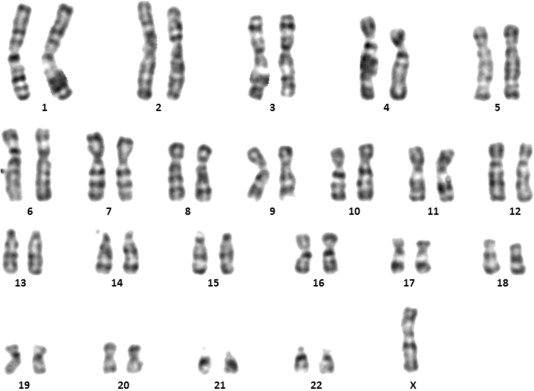
This is called Turners syndrome, can you notice the mutation in the chromosomes?
Both chromosomes 1 are bent
There are too many chromosomes
There are too many of chromosome 3
There is no Y chromosome

Part of one chromosome is transported and attached
to a non-homologous chromosome
Inversion Mutation
Translocation Mutation
Duplication Mutation
Point Mutation

What type of mutation involves substituting a DNA base with a different base?
point mutation
frameshift mutation
silent mutation
chromosomal mutation
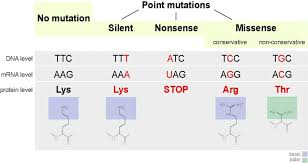
If a point mutation does not change the order of the amino acid sequence, this is called a:
nonsense mutation
silent mutation
missense mutation
frameshift mutation
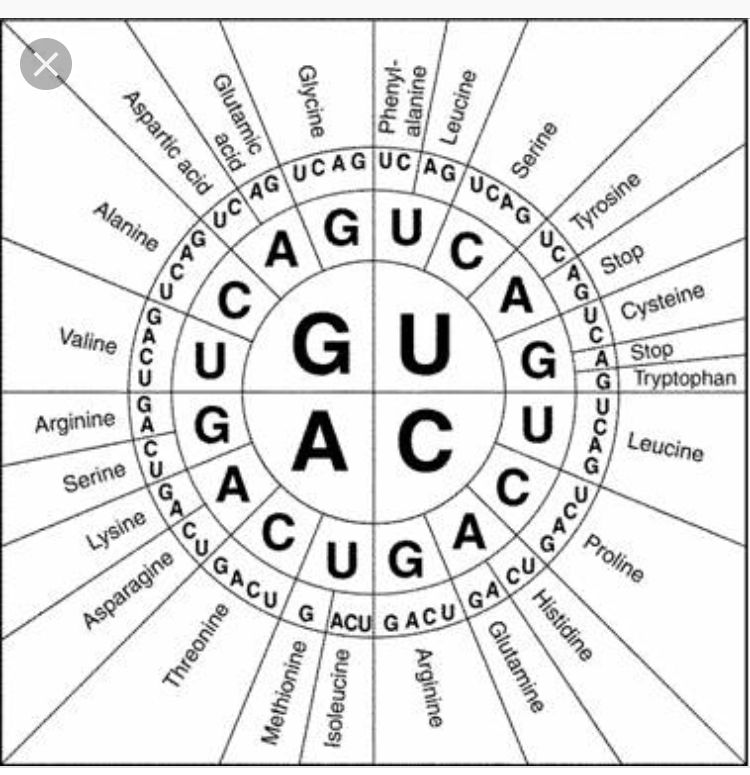
If a mutation codes for "stop" in the amino acid chain, this is called a:
nonsense mutation
missense mutation
silent mutation
frameshift mutation


What are considered "negative" mutations?
mutations in the DNA sequence that changes the resulting protein and harms the organism
mutations in the DNA sequence that changes the resulting protein and benefits the organism
mutations in the DNA sequence that produces the same protein
all mutations are considered bad and harm the organisms

Which type of mutation is demonstrated in the image below?
missense
nonsense
insertion
deletion

The model shows a mutation to a partial sequence of bases in a gene. Which type of mutation does the model demonstrate?
deletion
insertion
substitution
translocation

Sickle-shaped red blood cells result from a mutation in the gene that codes for hemoglobin. This mutation results in sickle-cell anemia. A partial sequence of bases from a normal hemoglobin gene and a sequence that results in sickle- anemia are shown
What type of mutation is depicted in this sequence?
Substitution
Insertion
Deletion
Frameshift

Which of the following DNA segments show a INSERTION mutation of this original sequence:
TAC CGG TTA ACT
TAC CGC TTA ACT
TAC CGG TTT AAC T
TAC GCT TAA CT

What type of mutation is shown in the image?
Silent Mutation
Trinucleotide Repeat Expansion
Frameshift
Gene Translocation


An illustration of how a particular DNA mutation will most likely affect the polypeptide produced is shown. What type of mutation is illustrated?
Insertion
Deletion
Substitution
Translocation

Muscular dystrophy (MD) refers to a group of genetic disorders whose major symptom is muscle wasting. The genetic disorder occurs because of a mutation in the gene sequence as seen in the image below. Which type of mutation is shown in the image?
Point Mutation
Frameshift
Nonsense
Missense

6E: Different types of mutations can occur in DNA. The diagram represents a type of mutation. Which statement describes the mutation in the diagram?
A silent mutation results in the insertion of a different amino acid
A substitution occurs with the adenine base
A deletion of a cytosine base occurs
A base is inserted into one strand of the DNA

Any changes that take place in the nucleus (often times said to be a mistake in the DNA) is referred to as a(n) _______________.
gene
allele
trait
mutation

Which type of mutation is illustrated in the image below?
substitution
insertion
deletion
frameshift

DNA is made of repeating units of these.
amino acids
nucleotides
polysaccharides
mitosis chains


A certain mutation in the gene for hemoglobin results in the red blood cells becoming sticky, rigid, and irregularly shaped. These irregularly shaped red blood cells block the flow of blood throughout the body. A single base mutation is responsible for these irregularly shaped blood cells. Which of these mutations most likely results in the mutated hemoglobin gene?
insertion
deletion
duplication
substitution

Which of the following best explains what cancer is and how it is related to the cell cycle?
Cells that have been stopped at G0 and are no longer dividing
Unregulated cell division, where cells grow and divide much quicker than they normally would
Mutated cells that do not grow or divide as efficiently as they normally would
None of the above

Analyze the image in the picture provided.
What type of mutation is shown?
insertion
inversion
translocation
deletion

Living things are made up of units called
DNA
Cells
Homeostasis
Seeds

Is this an example of a gene or chromosomal mutation?
Gene mutation
Chromosomal mutation
Not a mutation

6E: A certain mutation in the gene for hemoglobin results in the red blood cells becoming sticky, rigid, and irregularly shaped. These irregularly shaped red blood cells block the flow of blood throughout the body. A single base mutation is responsible for these irregularly shaped blood cells. Which of these mutations most likely results in the mutated hemoglobin?
Insertion
Deletion
Duplication
Substitution

True or False. A mutation in DNA will cause a change in the amino acid
True
False


Where in the cell does DNA replication occur?
ribosomes
cell membrane
nucleus
cytoplasm

Mitosis results in ______.
two identical daughter cells
one identical daughter cell
four diverse daughter cells
multiple diverse daughter cells

A
B
C
D

What type of mutation is shown above?
Substitution
Insertion
Deletion
Frame-shift mutation

Which statement describes the mutation in the diagram?
A silent mutation results in the insertion of a different amino acid.
A substitution occurs with the adenine base.
A deletion of cytosine base occurs
A base inserted into one strand of the DNA

What type of mutation is shown above?
Inversion
Insertion
Deletion
Substitution

What is the name of the following mutation?
Silent
Trinucleotide Repeat Expansion
Nondisjunction
Frameshift

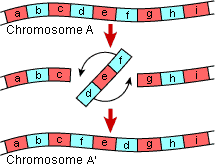
What type of chromosomal mutation is this?
Inversion
Duplication
Translocation
Deletion

An illustration of how a particular DNA mutation will most likely affect the polypeptide produced is shown. What type of mutation is illustrated?
insertion
translocation
substitution
deletion


What type of mutation is shown above:
Inversion
Insertion
Substitution
Deletion

The first albino deer is born in a population was most likely due to
exposure to chemicals after birth.
a mutation in a parent body cell.
a mutation in the DNA of a gamete.
exposure to environmental changes.

in which stage of the cell cycle will the DNA make a copy of itself?
M
S
G1
G2
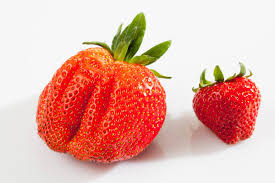
In some cases this condition of having extra sets of chromosomes can be beneficial, such as in certain plants that are stronger and larger as a result.
polyploidy
point mutation
frameshift mutation
inversion

A single-base mutation in a messenger RNA molecule could transcribe the DNA sequence CAGTAT into
GTCATA
GUCAUA
GTCUTU
GUAAUA

A certain mutation in the gene for hemoglobin results in the red blood cells becoming sticky, rigid, and irregularly shaped. These irregularly shaped red blood cells block the flow of blood throughout the body. A single base mutation is responsible for these irregularly shaped blood cells.
Which of these mutations most likely results in the mutated hemoglobin gene?
Insertion
Deletion
Duplication
Substitution

What type of mutation is shown in the image?
Nondisjunction
Gene Translocation
Trinucleotide Repeat Expansion
Frameshift

What causes "sickle shaped" blood cells?
Point Mutation
Frameshift Mutation
Trinucleotide Repeat Expansion
Gene Translocation

Definition of mutation
A random change to a gene that sometimes results in a new trait.
How something works.
Information about the natural world that is used to support go against a claim.
An instruction for making a protein molecule.

What type of mutation is shown in the image?
Frameshift
Nondisjunction
Trinucleotide Repeat Expansion
Silent Mutation


Unit 5
The model shows a mutation to a partial sequence of bases in a gene.
Which type of mutation does the model demonstrate?
Deletion
Insertion
Substitution
Translocation

Changes is DNA sequences that affect genetic information are known as
replications
mutations
transformations
translations
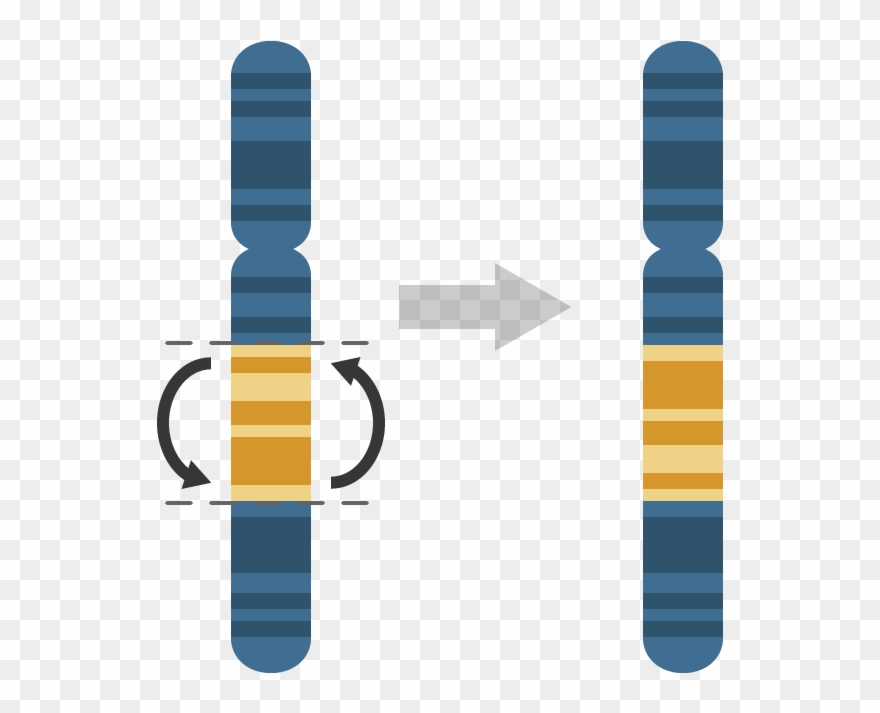
If part of the chromosome is turned around in the opposite direction this is called:
inversion
translocation
deletion
duplication

A point mutation that does not change the amino acid sequence is known as a(n) ____________ mutation.
Frameshift
Nondisjunction
Inversion
Silent

What type of mutation is shown in the diagram?
substitution
insertion
deletion
no change
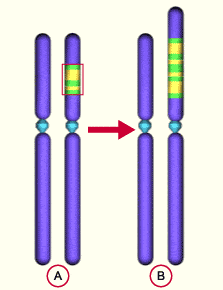
This type of chromosomal mutation produces an extra copy of all or part of the chromosome:
multiplication
replication
duplication
inversion
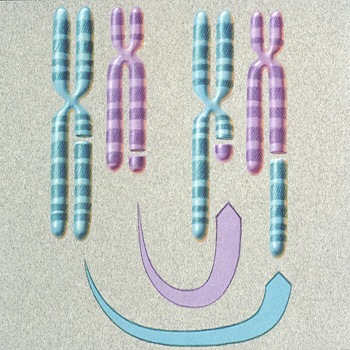
______________________________________ is a type of chromosomal mutation when part of the chromosome breaks off and attaches to another chromosome.
duplication
translocation
subtraction
deletion

