
 Worksheets
Chemistry Fourth Quarter Extra Credit
Total questions: 50
Worksheet time: 58mins
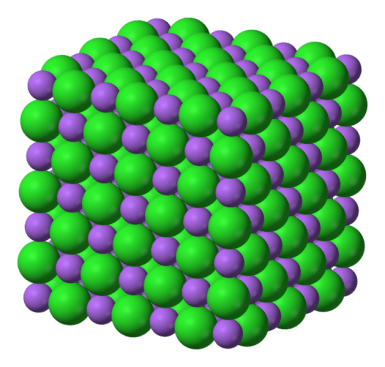
The particles in the picture are tightly held together with very tiny movement. They have shape and fixed volume. Therefore, the picture represents _________.
solid
liquid
gas
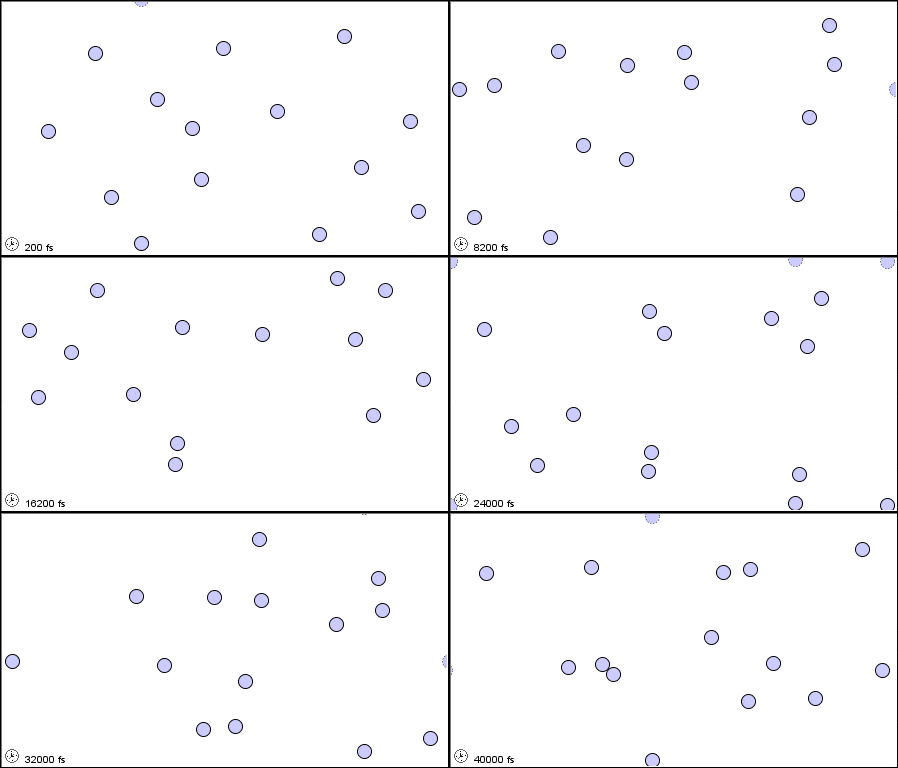
What state is represented in the gif?
solid
liquid
gas
In which state of matter will there be the LARGEST space between molecules?
solid
liquid
gas
What does STP stand for in chemistry?
Standard Temperature and Pressure
Standard Time and Pressure
Standard Temperature and Power
Standard Test Procedure
How many elements had been identified by 1700?
13
7
23
118
Which scientist is known for the Law of Triads?
Mendeleev
Moseley
Dobereiner
Seaborg
Rutherford
Match the following
Dobereiner
The middle element of a triad is midway
Newland
Every eighth element is similar to first
Mendeleev
Predicted existence of unknown elements
Correctly identify the properties of each type of element.
A good conductor
Malleable and easily shaped
Ductile
80% of Elements
Almost all solids at room temp
Poor conductors
Opposite properties than metals
Brittle
Solids at room temp
Typically poor conductors
Similar to both metals and nonmetals

Which period does Lithium (Li) belong to?
1
2
3
4

What group does Lithium (Li) belong to?
1
2
3
4
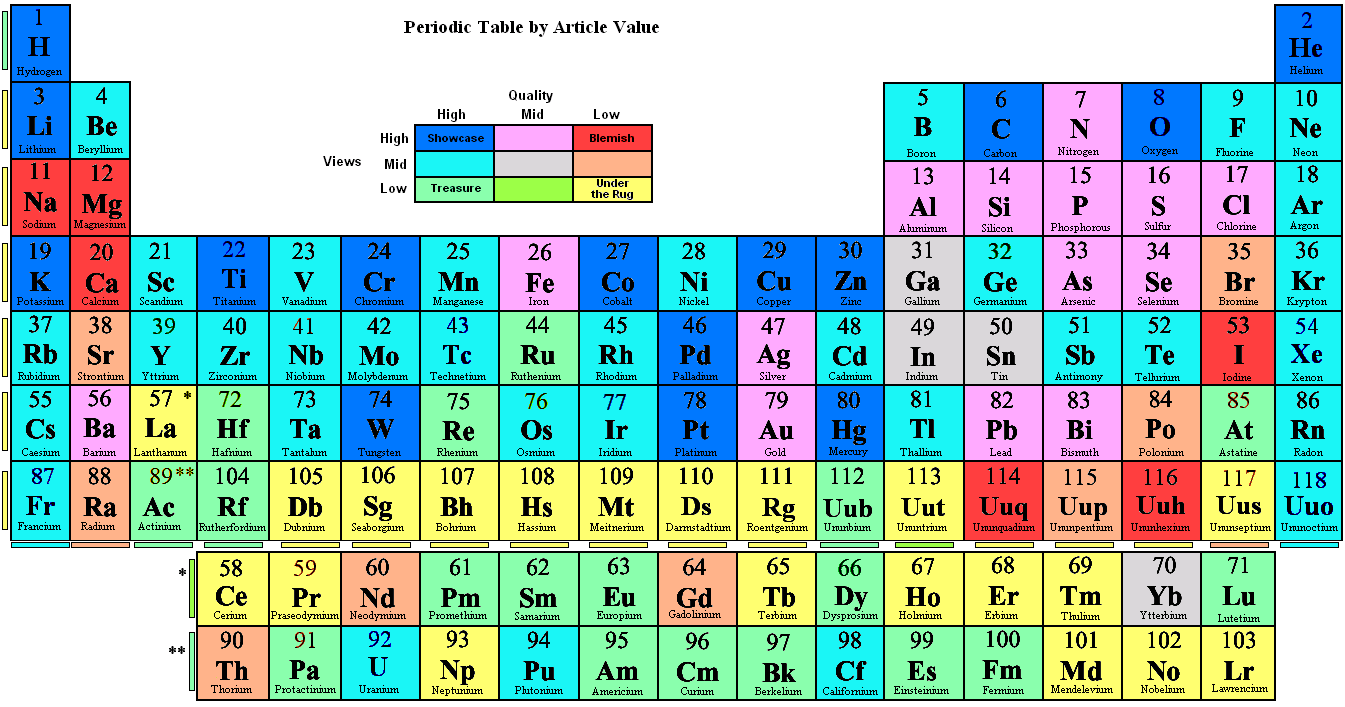
Group 1: These metals are extremely reactive. They all have one valence electron. They are shiny and silver in color. They are soft and can be cut with a knife.
Transition Metals
Alkali Metals
Alkaline Metals
Lanthanides
Group 2: Slightly less reactive because they have 2 valence electrons. They are silver colored and more dense that Group 1 metals.
Transition Metals
Alkali Metals
Alkaline-earth Metals
Actinides
An orbital indicates a high probability of finding what?
A proton
An electron
An energy shell
A neutron
Which energy shell is closest to the nucleus?
1
2
4
3
Which of the following is NOT a shape of the f orbital?


Which of the following describes the shape of the p orbital?


This picture best represents ___________________ atomic model.
Thomson's
Dalton's
Bohr's
Chadwick's
Match the following chemist to his achievements
James Chadwick
Discovered the neutron
Eugen Goldstein
Discovered the proton
JJ Thomson
Created the plum pudding model
John Dalton
Created postulates about atomic theory
Ernest Rutherford
Gold foil experiment
Label the element correctly
Which arrow points to the neutrons?
Which arrow points to the protons?
Label this atom's particles.
Protons
Electrons
Nucleus
Neutrons

This is a correct dot diagram for neon (Ne)
true
false
Which of these is incorrect?


Which of these is correct?


Ionic Bonds
metal with nonmetal
nonmetal with nonmetal
Why do all bonds form?
so the number of protons equals the number of electrons
so an atom can become unstable
to fill the outermost energy level
What is the charge of a sodium ion?
+2
+1
-1
-2
What is the primary goal that metal atoms are trying to achieve when they participate in metallic bonding?
A ductile and malleable structure
Stable electron configurations
Very high melting and boiling points
Mobile valence electrons
What is the octet rule?
A full valence shell must have 12 electrons
A full valence shell must have 10 electrons
A full valence shell must have 8 electrons
A full valence shell must have 6 electrons

CaCl
Metal with Nonmetal
Nonmetal with Nonmetal
NaO
Metal with Nonmetal
Nonmetal with Nonmetal
Organize these options into the correct type of bond.


metal donate valence electrons to nonmetal
formed between metals and nonmetals
formed between nonmetals
involves sharing of electron pairs
can be polar or nonpolar
atoms will have a LOW electronegativity difference
atoms will have a HIGH electronegativity difference.
The atoms in a water molecule are held together by covalent bonds. This means that the bonded atoms
Lose protons
Lose electrons
Share electrons
Switch neutrons
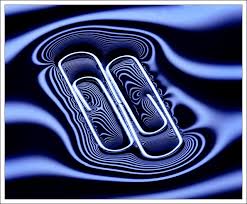

Attractions between water molecules are called ....
Covalent bonds
Ionic bonds
Polar bonds
Hydrogen bonds

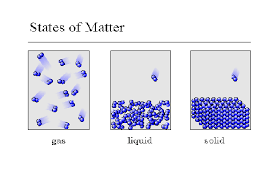

Which phase change is being represented in the particle diagram?
melting
evaporation
condensation
freezing

Letter "C" represents which state of matter on the phase change diagram shown.
Solid
Liquid
Gas

In this phase change diagram, as you go from left to right, energy is being released. Determine at what temperature did this substance first become a liquid?
100 degrees C
120 degrees C
140 degrees C
160 degrees C

Sublimation
A
B
C
F

