
 Worksheets
Unit 3 Review
Total questions: 66
Worksheet time: 33mins
What characteristics of a substance can be seen without changing the identity of the substance
chemical property
both properties
neither properties
physical property
Glass shattering on the floor
physical
chemical
Baking soda reacting with vinegar
Chemical
Physical
Ice melting in a glass of water
Chemical
Physical
Which of these statements is true?
Iron rusting is a chemical change
How easy something bends or folds is a chemical property
Hardness is a chemical property
Density is a chemical property of matter
Which are physical properties of matter
density, state of matter
flammability, conductivity
color and reactivity
combustibility, conductivity
Which of the following shows burning as a chemical change
change in size of material
change in shape of material
heat and light being produced
change in appearance of material
What has to happen for a chemical change to occur
matter disappear
different shape
different color
new substance made
If a solid is made after two liquids are mixed.......
the change is chemical
the change is a simple mixture
the change can be reversed
the change is physical
If the atoms stay bonded together exactly the same after a change, it is a ....
chemical change
mixture
solution
physical change
If you freeze something, what happens?
the particles go further apart and volume increase
the particles go further apart and volume decreases
the particles move closer together and volume increase
the particles move closer together and volume decreases
While cooking dinner, Kelly places a pot full of water on the stove to heat up. Kelly notices that small bubbles start to appear at the bottom after three minutes. What type of property of water is Kelly observing?
Kelly is observing a chemical property because the water is changing to steam.
Kelly is observing a chemical property because the water is reacting with the pot.
Kelly is observing a physical property because the water is changing to steam.
Kelly is observing a physical property because the water is reacting with the pot.
A new substance is formed during which type of change?
Chemical Change
Physical Change
Properties that can only be observed or measured by changing the chemical identity of a substance.
Chemical Properties
Changeable Properties
Physical Properties
Combustible Properties
Release of light, temperature change, sudden color change, sudden appearance of a solid, and gas given off are all evidence of what?
matter disappearing
chemical change
physical change
physical and chemical changes occurring
Process by which the atoms of one or more substances are rearranged to form different substances.
chemical reaction
solubility
oxidation
physical reaction
Cutting, crushing, melting, and boiling are all examples of what?
chemical changes
Law of Conservation of Particles
physical changes
messes
A change in a substance that affects its chemical properties thus a chemical reaction happens and a new substance is formed.
physical properties
physical change
chemical change
chemical properties
Which of the following is an example of a chemical change?
ALL of these are examples of chemical changes
decomposing
rusting
burning
TRUE or FALSE: "Breaking a glass window with a baseball is an example of a chemical change."
FALSE
TRUE
Which of the following options provides evidence of a CHEMICAL change?
Wood is burned releasing ash and smoke
Salt dissolves in water
Rocks separate when soil is sifted
Water turns to ice when you put it in the freezer
Which of the following examples provides evidence of a PHYSICAL change?
Wood is burned and releases ash and smoke
When mixed, baking soda and vinegar form gas bubbles
A piece of paper changes shape when you rip it up
Iron rusts over time
Which observations prove a chemical change has occurred?
State of matter change and boiling water bubbles
Unexpected color change and temperature change
Dissolving and expected color change
Mixing and dissolving
When mixing milk and vinegar, a white, chunky, solid substance is formed. What has occurred?
Physical change: freezing
Chemical change: production of a solid
Physical change: state of matter
Chemical change: rust
When iron is exposed to air over a long period of time, it forms rust. This is an example of what?
A new substance forming
Burning: a new substance
Shape change: no new substance
Color change: no new substance
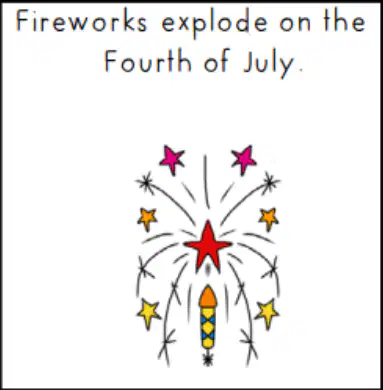
Fireworks explode on the Fourth of July. Is this an example of a physical or chemical change?
Chemical
Physical
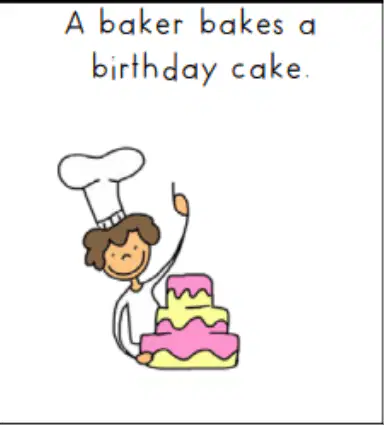
A baker bakes a birthday cake. Is this an example of a physical or chemical change?
Chemical
Physical
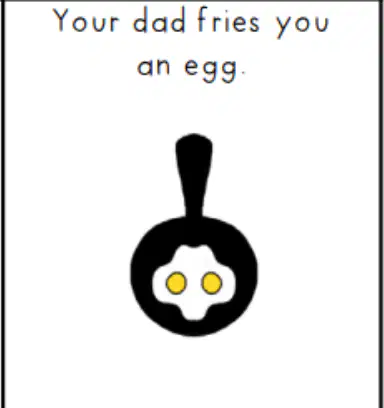
Your dad fries you an egg. Is this an example of a physical or chemical change?
Chemical
Physical
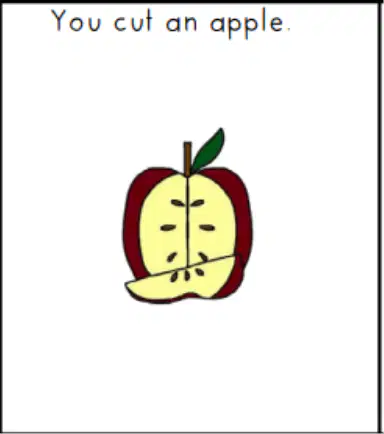
You cut an apple. Is this an example of a physical or chemical change?
Physical
Chemical
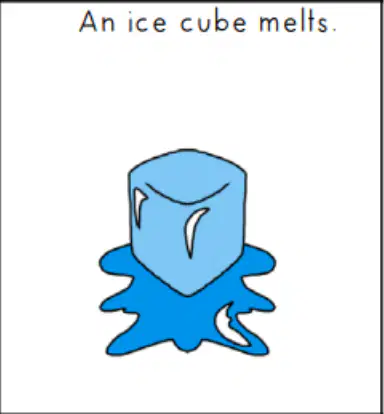
An ice cube melts. Is this an example of a physical or chemical change?
Physical
Chemical
Select all that are physical changes.
Ice Melting
Water Evaporating
Sugar Dissolving
Boiling Water
Glass Breaking
Select all that are chemical changes.
Iron Rusting
Digestion
Campfire
Baking A Cake
Photosynthesis
Select the physical change.
Sugar Dissolving
Rotting Bananas
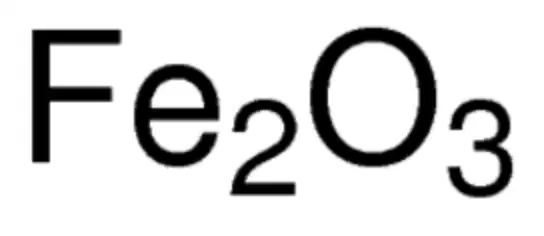
Fe2O3
How many atoms of Iron are in this compound?
3
2
4
1
How many atoms of hydrogen are in C6H12O6?
12
18
6
2
How many different elements are present in H2COCH2?
5
4
3
2
Calculate the number of Oxygen atoms in Al(OH)3
3
1
2
4
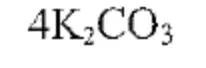
How many total POTASSIUM atoms are in this formula?
8
12
2
4
How many elements are in this chemical formula? NaHCO3
4
2
1
3
Coefficients in chemical formulas...
Multiply elements without subscripts
Multiply EVERYTHING!
Multiply just the first atom
Add to the subscripts at the end of the molecule
C3H5(NO3)3
Choose the correct count of each element in this compound.
C = 9, H = 15, N = 1, O = 3
C = 3, H = 5, N = 3, O = 9
C = 3, H = 5, N = 1, O = 9
C = 9, H = 15, N = 3, O = 9
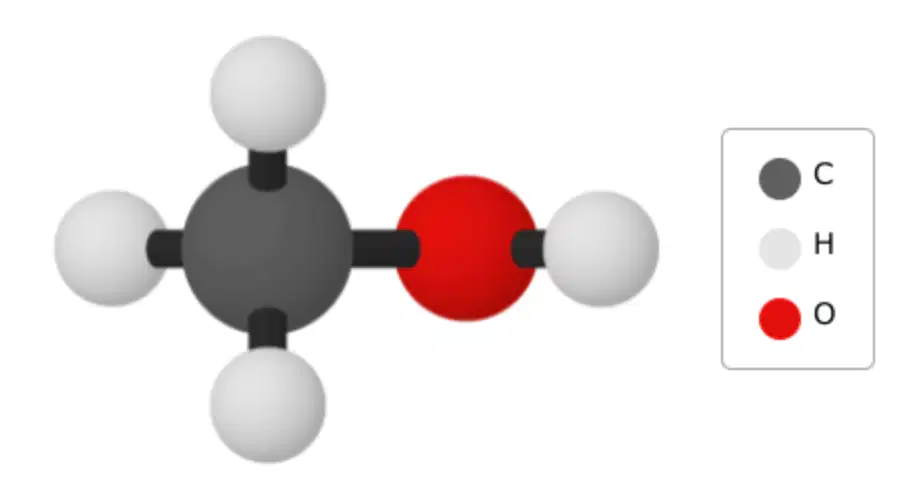
How many atoms of hydrogen are in this compound?
2
4
1
3
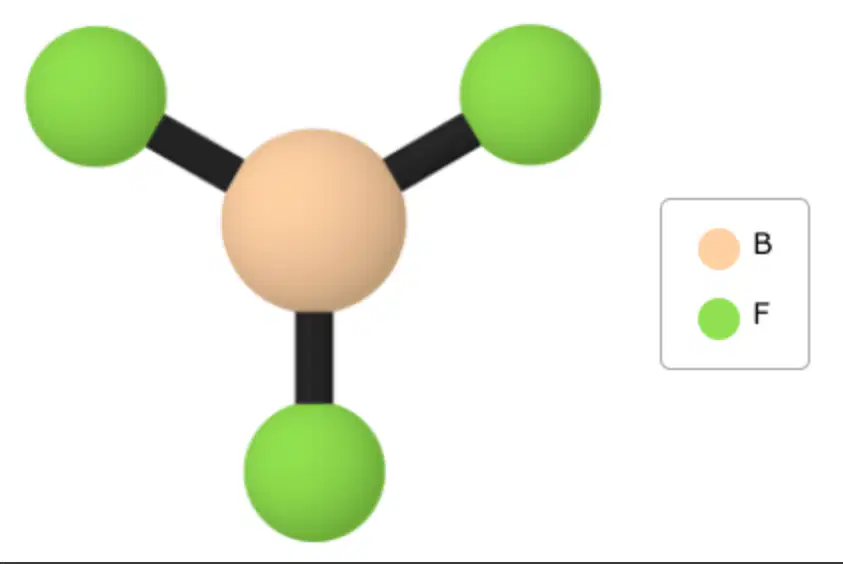
Select the chemical formula for this molecule.
FB
B1F3
BF
BF3
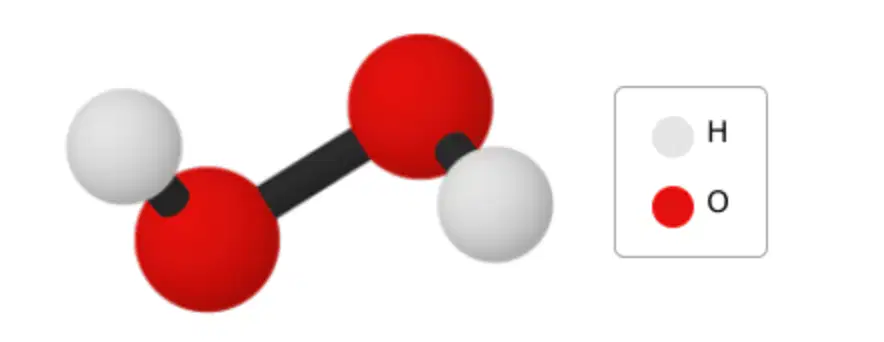
What is the chemical formula for this molecule?
H1O2
H2O2
HO
H1O1
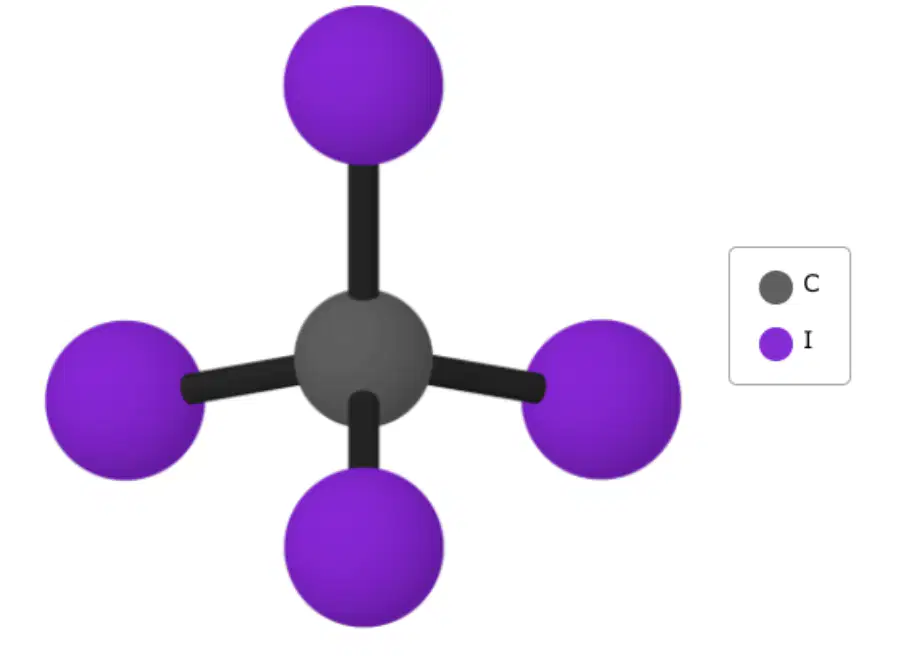
What is the chemical formula for this molecule?
C1I4
C2I2
C1I1
CI4
How many atoms of oxygen are in this compound? 2Ca(OH)2
4
2
3
1
How many molecules are in 4H2O?
8
6
4
2
How many Magnesium are in 10MgCl2?
20
10
5
How many atoms are there TOTAL in H2SO4?
7
6
3
5
Number of N in (NH₄)₂CrO₄
1
8
2
16
A subscript is the small number below a(n) ______ that tells the number of ______ of that element.
element symbol; atoms
compound; elements
atom; element symbol
subscript; protons
Which formulas have the most number of HYDROGENs?
2(NH4)3N
Ca(C2H3O2)2
3H2O
3NaHCO3
Use the chemical formula shown to answer: How many CARBON are in this formula? 5Al(C2H3O2)2
20
5
2
10
Use the chemical formula shown to answer: How many different elements are in this formula? 5Al(C2H3O2)2
20
4
10
5
How many elements are present in this compound? (Careful!)
Mg2As3COHNi2
4
6
2
10
How many atoms of oxygen are in 3Fe2O3
2
9
6
18
How many atoms are present if there is no subscript following the element symbol?
2
0
1 million
only 1
A chemical reaction is balanced when
Same coefficients
Both sides have the same number of atoms
both sides have the same elements
Same subscripts
If reaction starts with 20g of reactants it should produce
a total of 40g of products
a total of 20g of products
a total of 10g of products
a total of 80 g of products
What is the Law of Conservation of mass?
Mass is created in a chemical reaction
Mass is created in a physical change
New chemicals formed from a chemical reaction have a larger overall mass than the original reactants
Mass is never created or destroyed
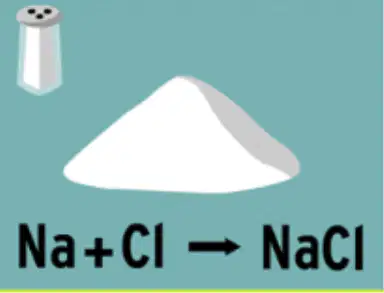
When sodium and chlorine combine to form sodium chloride, sodium chloride is the:
Originator
Product
Reactant
Produce
Does the equation H2+O2→H2O follow the Law of Conservation of Mass?
Yes, because the atoms are equal.
No, because there are more atoms in the product.
No, because more info is needed.
No, because there are more atoms in the reactant.
According to the Law of Conservation of Mass, what happens to the wood and oxygen when it is burned?
It stays the same chemically.
The wood disappears.
Nothing.
The atoms in the wood and oxygen rearrange and form smoke and ash.
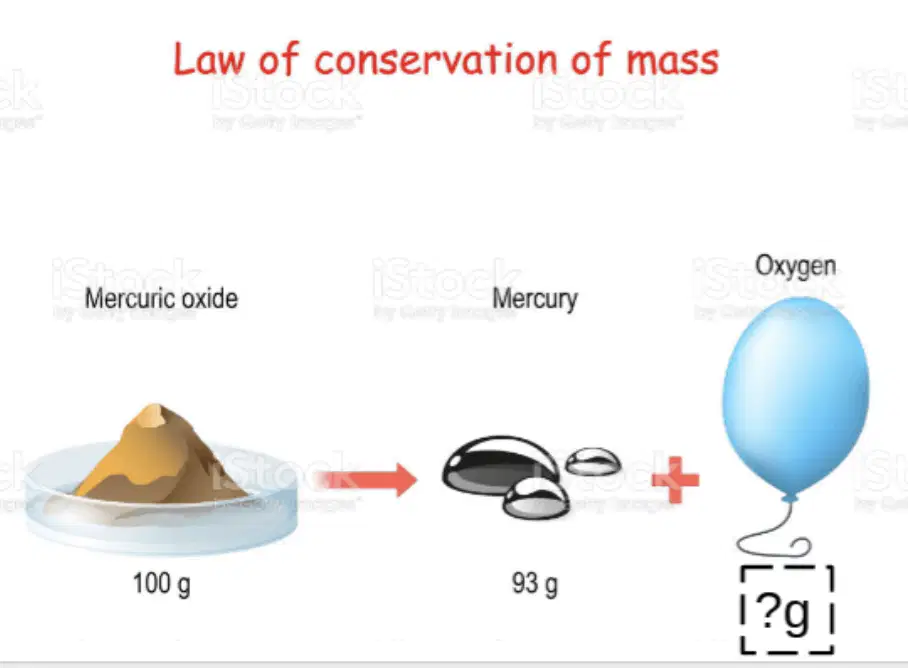
How many grams of OXYGEN would be needed to show conservation of mass in the example shown
(a reaction with 100 g of reactant produces 93 g of mercury and a balloon of oxygen.
How many grams of oxygen are needed so total mass is conserved?)
7 g
100 g
93 g
0 g
In a reaction A + B ----> C, reactant A has 5g and product C has 9g. How many grams does reactant B should have?
5g
9g
14g
4g
24 g of magnesium reacts with 38 g of fluorine to produce _____ g magnesium fluoride
38
14
62
24

