
 Worksheets
MT 5.1-5.2
Total questions: 53
Worksheet time: 39mins
What does the combining form bronch/o mean?
(a)
good, normal breathing
bradypnea
eupnea
tachypnea
hypopnea
another term for "voice box"
pharynx
larynx
epiglottis
carina
another term for "throat"
pharynx
larynx
trachea
tympanic membrane
branches of the trachea that form airways in the lungs
bronchi
rales
alveoli
vocal cords
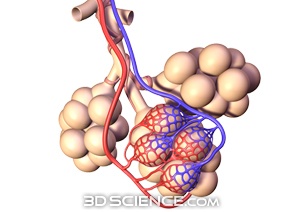
the site of gas exchange in the lungs, where O2 and CO2 diffuse into/out of the blood:
alveoli
trachea
oropharynx
bronchi
done-shaped muscle between the thoracic and abdominal cavities that enables breathing:
epiglottis
larynx
trachea
diaphragm
the passageway through which air, food, and liquids travel upon entering the body
pharynx
bronchi
tympanic membrane
Eustachian tubes
spir/o
to breathe
to run
to jump
to swim
pneum/o, pneumon/o
heart, blood
lung, air
stomach, food
kidney, waste
pulm/o, pulmon/o
heart (physical structure)
lung (physical structure)
liver (physical structure)
kidney (physical structure)
pharyng/o
esophagus
pharynx, throat
larynx
trachea
ox/i, ox/o, ox/y
hydrogen
nitrogen
oxygen
carbon dioxide
laryng/o
larynx, throat
lung, air sac
stomach, abdomen
heart, blood vessel
bronch/o
bronchus
blue
larynx
oxygen
pharynx
pleur/o
breathing
lung
multilayered membrane
sleep
voice or sound
The ___________ acts as a lid over the entrance to the esophagus
epiglottis
frontal
bronchioles
alvecli
The innermost layer of the pleura is known as the....
bronchioles
hemoptyisis
silicosis
visceral pleura
The smallest divisions of bronchial tree are the....
bronchioles
silicosis
tachypnea
epiglottis
The exchange of gases within the cells of the body is known as ____________ respiration
internal
byssinosis
bacterial
dyspnea
1st division of pharynx
oropharynx
laryngopharynx
larynx
nasopharynx
2nd division of the pharynx
laryngopharynx
oropharynx
larynx
trachea
3rd division of pharynx
larynx
laryngopharynx
nasopharynx
trachea
The diaphragm is relaxed is _________
exhalation
asthma
apnea
effusion
1. larynx
2. nasal cavity
3. pharynx
4. trachea
Which of the following is the correct order that air would flow during inhalation.
The drawing in of breath; inhalation.
Inspiration
Expiration
membrane covering the lung
trachea
alveoli
pleura
adenoids
breathing
-pnea
-rrhagia
-stomy
-scopy
What type of cells transport oxygen in the blood?
red blood cells
white blood cells
neurons
cartilage cells
-pnea
Breathing
Lung
Diaphragm
Each alveoli is covered with pulmonary __________ that allow for gaseous exchange.
Arteries
Capillaries
Veins
Which lung has 2 lobes?
Right
Left
What is the correct pathway of air entering the body during inhalation?
Trachea → Bronchi → Bronchioles → Alveoli
Bronchioles → Bronchi → Trachea → Alveoli
Nasal cavity → Pharynx → Larynx → Trachea → Bronchi → Bronchioles → Alveoli
Alveoli → Bronchioles → Bronchi → Trachea → Larynx → Pharynx → Nasal cavity

What structure is represented by number 7?
Esophagus
Larynx
Pharynx
Trachea
What is the membrane that covers / touches organs in the thoracic cavity called?
Visceral Pleura
Parietal Pleura
Diaphram
Epiglottis

Shown as number 15, this structure protects the trachea from food and water enerting the lungs.
Pharynx
Larnyx
Epiglottis
Oropharynx
Fluid that covers the alveoli to keep it moist and flexible and assists in gas exchange is _______?
Saliva
Mucus
Surfactant
Epithelial oils
When cells use oxygen and nutrients to produce energy, water, carbon dioxide, the process is called:
external respiration
metabolic respiration
internal respiration
cellular respiration

What part of the respiratory system is number 4?
Bronchi
Mouth
Nose
Trachea

What is labeled F?
bronchioles
trachea
bronchi
diaphragm
What is the primary function of the respiratory system?
To facilitate gas exchange between the body and the environment.
To pump blood throughout the body.
To digest food and absorb nutrients.
To regulate body temperature.
What is the function of surfactant in the lungs?
Surfactant increases surface tension in the alveoli, promoting collapse.
Surfactant reduces surface tension in the alveoli, preventing collapse.
Surfactant helps in the exchange of gases in the bloodstream.
Surfactant acts as a lubricant for the lung tissues.
Oxygen is transported by
Platelets
Bicarbonate
Hemoglobin
Myoglobin
this is also called the windpipe and is made of C-shaped rings of cartilage
larynx
pharynx
trachea
lungs
line up the following parts from biggest to smallest
trachea, bronchiole, bronchus, alveoli
trachea, bronchiole, alveoli, bronchi
trachea, bronchus, bronchiole, alveoli

