Wayground logo

Free Printable Worksheets

Font size

S
M
L
XL
Worksheets

Articulations and Movement

Total questions: 37

Worksheet time: 23mins
Name
Class
Date
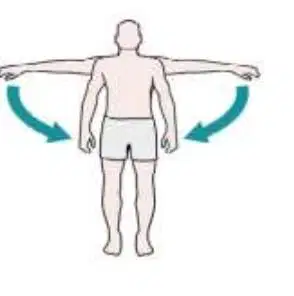
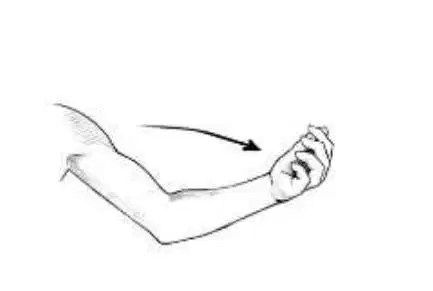
1.
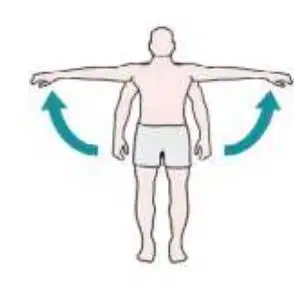
What type of movement is seen below?
a)
Abduction
b)
Adduction
c)
Extension
d)
Plantar Flexion
e)
Dorsiflexion
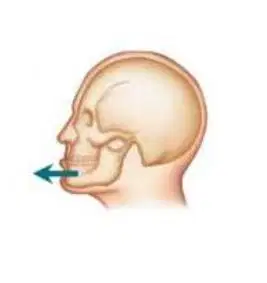
2.
What type of movement is seen below?
a)
Adduction
b)
Abduction
c)
Flexion
d)
Extension
e)
Plantar Flexion
3.
What type of movement is seen below?
a)
Protraction
b)
Abduction
c)
Adduction
d)
Flexion
e)
Extension
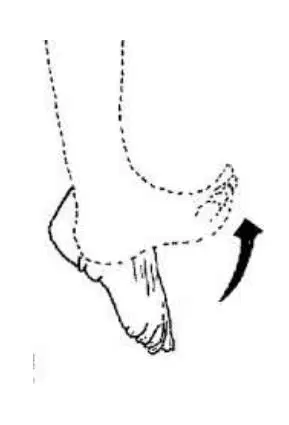
4.
What type of movement is seen below?
a)
Dorsiflexion
b)
Abduction
c)
Adduction
d)
Flexion
e)
Extension
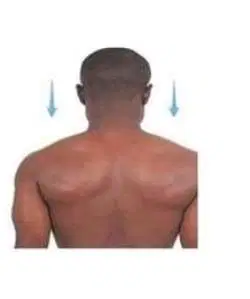
5.
What type of movement is seen below?
a)
Depression
b)
Abduction
c)
Adduction
d)
Flexion
e)
Extension
6.
What type of movement is seen below?
a)
Extension
b)
Depression
c)
Abduction
d)
Adduction
e)
Flexion
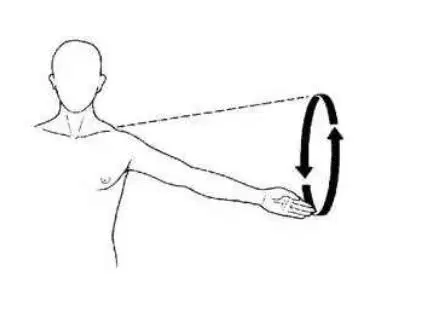
7.
What type of movement is seen below?
a)
Circumduction
b)
Abduction
c)
Adduction
d)
Flexion
e)
Extension
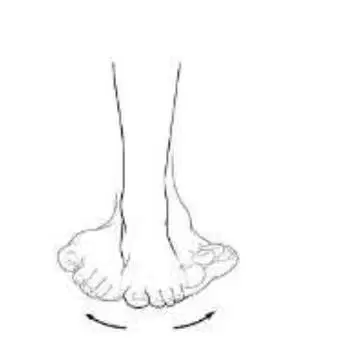
8.
What type of movement is seen below? (there are two)
a)
Inversion
b)
Eversion
c)
Abduction
d)
Adduction
e)
Flexion
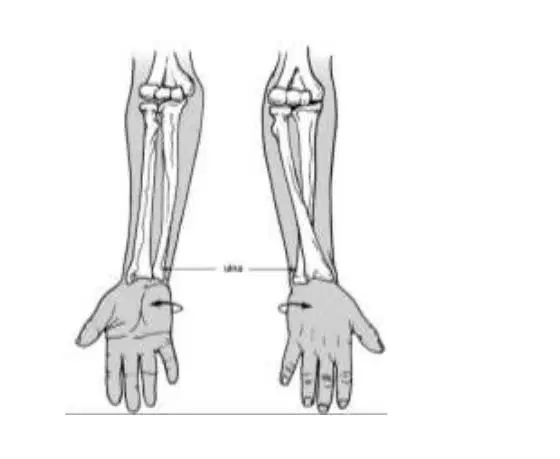
9.
What type of movement is seen below? (there are two)
a)
Supination
b)
Pronation
c)
Abduction
d)
Adduction
e)
Flexion
10.
Mark all the joints that could be labeled a FIBROUS JOINT. (there are 3)
a)
sutures
b)
syndesmosis
c)
gomphysoses
d)
ball and Socket
e)
pivot
11.
Mark all the joints that could be labeled a cartilaginous joint. (there are 2)
a)
synchondrosis
b)
symphysis
c)
ball and Socket
d)
pivot
e)
hinge
12.
Mark all the joints that could be labeled a synovial joint. (there are 5)
a)
ball and Socket
b)
pivot
c)
hinge
d)
condyloid/ellipsoidial
e)
gliding
13.
Mark all the joints that could be labeled a synthrosis joint. (there 3)
a)
sutures
b)
syndesmosis
c)
gomphysoses
d)
ball and Socket
e)
pivot
14.
Mark all the joints that could be labeled a amphiarthrosis joint. (there are 2)
a)
synchondrosis
b)
symphysis
c)
ball and Socket
d)
pivot
e)
hinge
15.

Mark all the joints that could be labeled a diathroses joint.

a)
ball and Socket
b)
pivot
c)
hinge
d)
condyloid/ellipsoidial
e)
gliding
16.
Label the joint below
a)
ball and Socket
b)
pivot
c)
hinge
d)
condyloid/ellipsoidial
e)
gliding
17.
Label the joint below
a)
hinge
b)
ball and Socket
c)
pivot
d)
condyloid/ellipsoidial
e)
gliding
18.
Label the joint does #5 represent?
a)
symphysis
b)
ball and Socket
c)
pivot
d)
hinge
e)
condyloid/ellipsoidial
19.
What type of joint is seen below? (the type of joint between the Dens of the axis and the atlas)
a)
pivot
b)
ball and Socket
c)
hinge
d)
condyloid/ellipsoidial
e)
gliding
20.
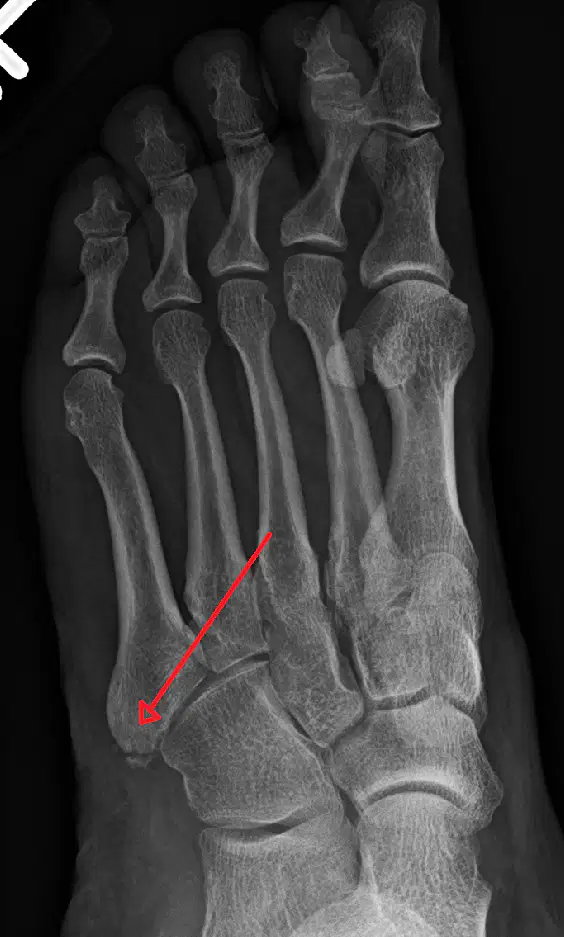
What type of fracture is seen below?
a)
complete
b)
incomplete
c)
dentate
d)
comminuted
e)
impacted
21.
What type of fracture is seen below?
a)
transverse
b)
avulsion
c)
Linear
d)
oblique
e)
Spiral
22.
What type of fracture is seen below?
a)
oblique
b)
avulsion
c)
Linear
d)
transverse
e)
Spiral
23.
Which disease of the skeletal system is characterized by the loss of bone density which results in broken hips and falls in older individuals.
a)
osteophorosis
b)
Brittle bone disease
c)
arthritis
d)
Gout
e)
Ankylosing Spondylitis
24.
Which disease of the skeletal system is characterized by inflammation of the big toe and is caused by an increase of uric acid in the body.
a)
Gout
b)
osteophorosis
c)
Brittle bone disease
d)
arthritis
e)
Ankylosing Spondylitis
25.
What type of spinal curvature is seen below?
a)
Lordosis
b)
Kyphosis
c)
Scoliosis
d)
Normal
26.
Question Image

Match the following joints

a)

A

1.

Ball and Socket

b)

B

2.

Condyloid

c)

D

3.

Hinge

d)

E

4.

Pivot

e)

F

5.

Saddle

27.

Match the following

a)

Fibrous (synarthrosis)

1.

cranial sutures

b)

Fibrous (amphiarthrosis)

2.

ligament (fibula to tibia)

c)

Cartilaginous

3.

vertebral discs

d)

Adduction

4.

towards the body

e)

Abduction

5.

away from the body

28.

​ (a)   hold muscle to bone

Choose from the below words
Tendons
Ligaments
29.
The knee joint is
a)
Hinge
b)
Gliding
c)
Ball and socket
d)
Pivot
30.
Name this joint
a)
gliding
b)
saddle
c)
condyloid
d)
pivot
31.

What type of joint is this?

a)

Hinge

b)

Pivot

c)

Ball and Socket

d)

Fixed

32.

Which of the following movements involves turning of the bone around its axis?

a)

circumduction

b)

rotation

c)

abduction

d)

adduction

33.

A disease where bone grows where it should not

a)

Fibrodysplasia

b)

Gout

c)

Rheumatoid arthritis

d)

Osteoarthritis

34.

What disease is caused when bursae wear out in the joints?

a)

Gout

b)

Rheumatoid arthritis

c)

Osteoarthritis

d)

Fibrodysplasia

35.

The simplest type of fracture; bone is partly bent, but not completely separated:

a)

Greenstick

b)

Stress fracture

c)

Comminuted

d)

Simple

36.
The total displacement of a bone from its joint.
a)
Sublaxation
b)
Fracture
c)
Sprain
d)
Dislocation
37.

The bone is snapped in two but doesn't break the skin

a)

Simple fracture

b)

Compound fracture

c)

Greenstick

d)

Comminuted