
 Worksheets
Topic 3
Total questions: 52
Worksheet time: 52mins

Muslim ruler.
Sultan
Sunni
Shah
Rajah

The third-largest city in India, capital of medieval India.
Bangalore
Turkey
Delhi
Hangul

A period of Islamic rule over large parts of the Indian subcontinent from the 13th to the 16th century.
Jaipur Rule
Delhi Sultanate
Mughal Monarchy
Koyo Kamikaze

In ancient India, the elected warrior chief of an Aryan tribe.
Samurai
Celadon
Sikh
rajah

A major religious and cultural tradition of South Asia, which developed from Vedic religion.
Hinduism
Sikhism
Shintoism
Buddhism

Monotheistic religion founded in the late 1400s by Guru Nanak in the Punjab region of India.
Hinduism
Sikhism
Shintoism
Islam

The religion of the Muslims, a monotheistic faith regarded as revealed through Muhammad as the Prophet of Allah.
Hinduism
Sikhism
Islam
Shintoism

The founder of the Mughal Dynasty in India (1483 - 1530). He came from Turkish and Mongol heritages, a descendent of the great Mongol leader, Genghis Khan. His name is the Arabic word for "tiger," but he was as accomplished as a poet as he was a warrior. His wise rule helped launch a powerful Muslim dynasty that had a permanent influence on northern India.
Sultan
Mughal
Babur
Rajah

Muslim dynasty that ruled much of present-day India from 1526 - 1857.
Akbar
Babur
Sultan
Mughal

Considered by most to be the greatest of the Mughal emperors of India. He extended the empire over most of India and maintained an efficient centralized government through policies that won the loyalty of non-Muslim subjects. His greatness was also built on his support of scholars, artists, and musicians, who made his court a center of culture.
Babur
Akbar
Hangul
Celadon

A Persian widow with a small child who became the powerful wife of the Mughal emperor Jahangir. Her administrative, political, economic, and cultural skills so impressed Jahangir that she had virtual control over the empire until his death in 1627. Since women were not allowed to interact face to face with men in court, she relied on trusted men to act for her.
Murasaki Shikibu
Tokugawa Shogunate
Shah Jahan
Nur Jahan

The third son of the Mughal emperor Jahangir. With support from court nobles, he won succession to become emperor upon Jahangir's death. An effective and tolerant ruler, he was also an enthusiastic builder, involving himself in every detail of the building process. When his beloved wife Mumtaz Mahal died, he built the famous mausoleum called the Taj Mahal in her honor.
Nur Jahan
Shah Jahan
Murasaki Shikibu
Tokugawa Shogunate

A tomb built by Shah Jahan for his wife.
Grant's Tomb
The Great Pyramid of Giza
Celadon
Taj Mahal

Chinese dynasty from 618 - 907. Emperors in this dynasty lost territories in Central Asia to the Arabs. Corruption, high taxes, drought, famine, and rebellions all contributed.
Tang Dynasty
Song Dynasty
Yuan Dynasty
Silla Dynasty

Independent state that has to acknowledge the supremacy of another state and pay tribute to its ruler.
moveable type
tributary state
material sacrifice
selective borrowing

Chinese dynasty from 960 to 1279. Founded by Zhao Kuangyin. This dynasty faced constant threats from the north. Improved farming methods expanded the economy. People became more educated and technology improved.
Silla Dynasty
Koryo Dynasty
Song Dynasty
Choson Dynasty
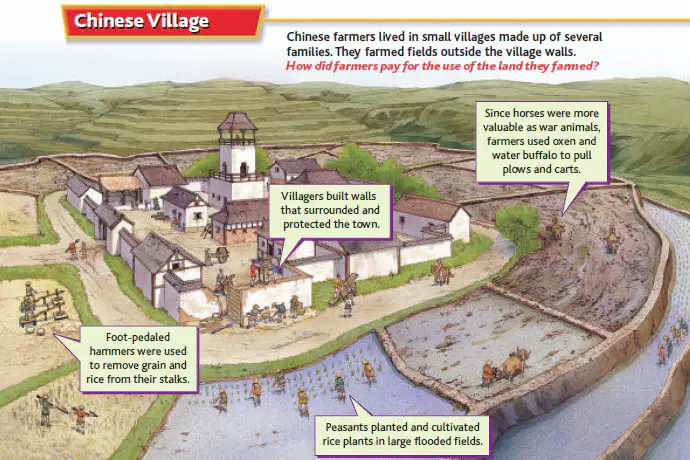
wealthy land-owning class
Celadon
Stupa
Rajah
Gentry
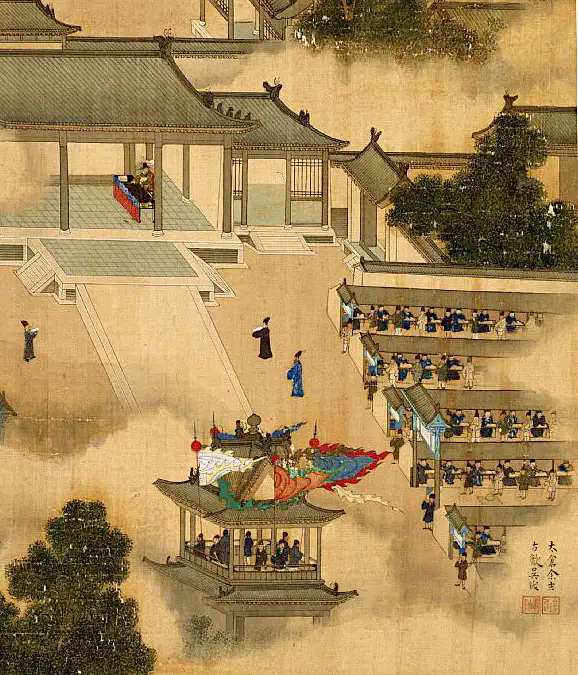
A standardized test used primarily for public sector employment. It assesses the qualifications, knowledge, skills, and aptitude of candidates applying for various positions at the federal, state, and local government levels. The exam ensures fair and merit-based hiring practices for government roles.
high-stakes testing
standardized testing
entry level placement exam
civil service exam

An ancient caravan route that linked Xian in central China with the eastern Mediterranean. It was established during the period of Roman rule in Europe.
Elm Street
The Appalachian Trail
The Silk Road
The Spice Path
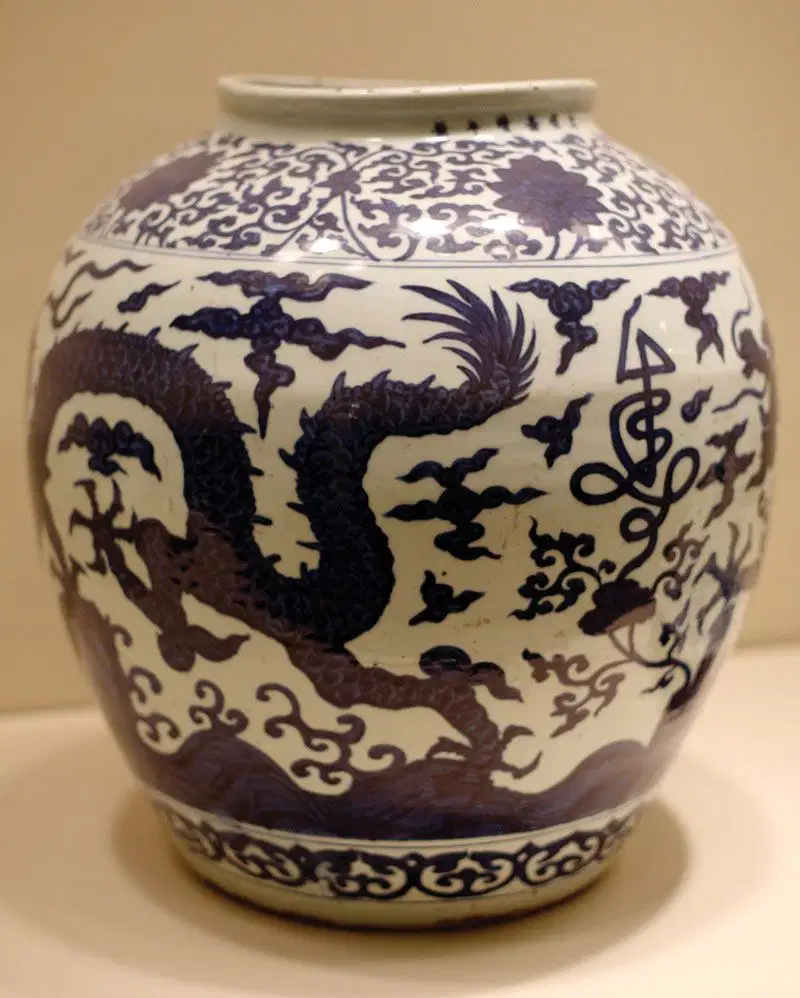
A type of ceramic material that is highly durable and has high-performance characteristics due to its production process. It is made from a combination of natural materials including clay, sand and feldspar.
paddy
mughal
celadon
porcelain
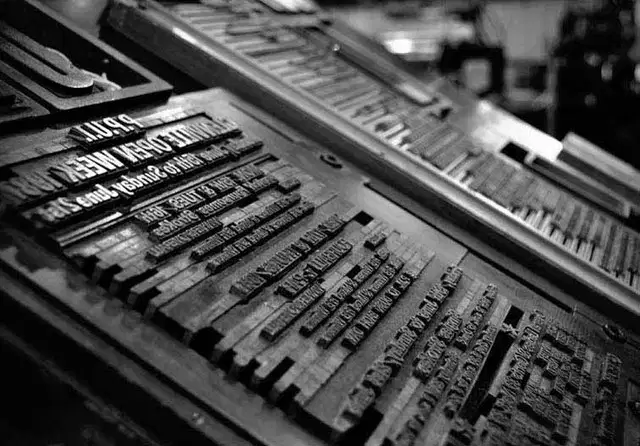
Koreans used the woodblock printing they had learned from China to produce Buddhist texts. In time, Korean investors took the Chinese invention one step further and created _ which allowed them to print large numbers of books.
hired scribes
an industrial printing press
a typewriter
moveable metal type
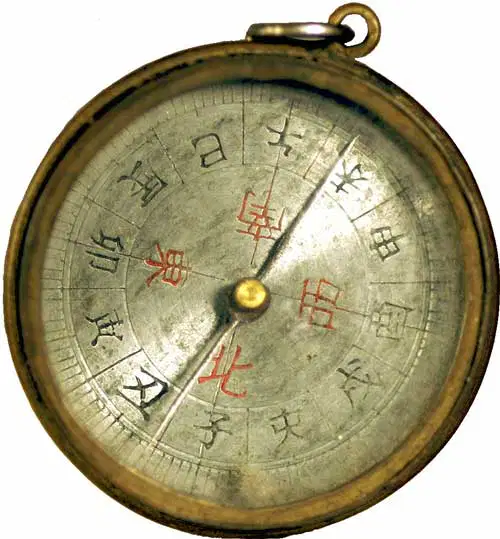
Invented in China, this tool helped sailors at sea.
kneeling pads
portable hatchet
The magnetic compass
mechanical clocks
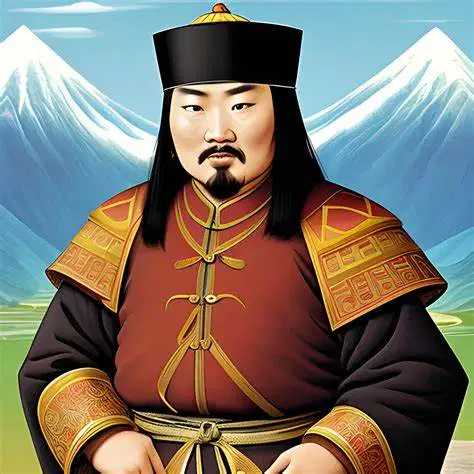
Mongol leader (1162-1227) who rose from humble beginnings to establish the largest land empire in history.
kublai Khan
Genghis Khan
Shah Jahan
Murasaki Shikibu
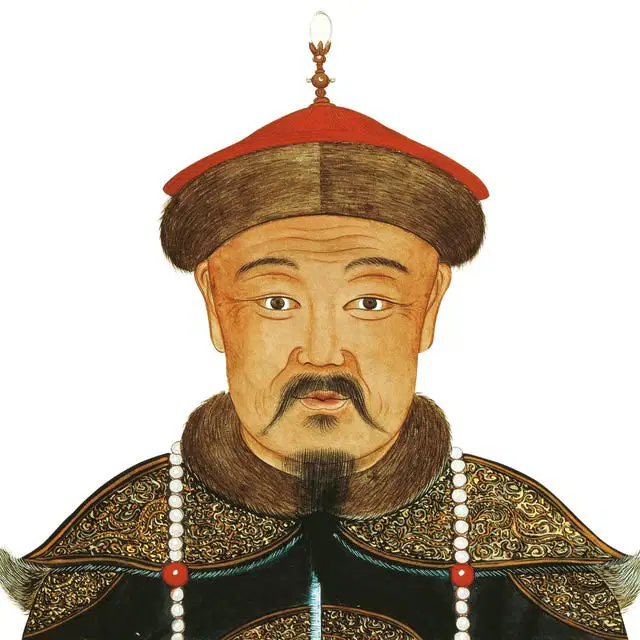
The ruler of the Mongol Empire. His accomplishments include establishing Mongol rule in China under the name of the Yuan Dynasty (1271-1368), thus becoming the first non-Chinese person to rule that territory.
Kublai Khan
King Sejong
Shah Jahan
Tokugawa Shogunate
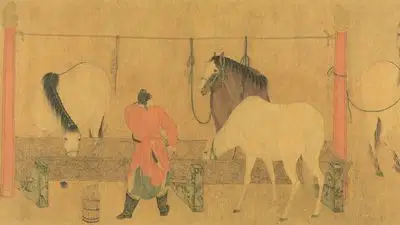
Chinese dynasty ruled by the Mongols from 1279 to 1368; best known ruler was Kublai Khan.
Yuan Dynasty
Silla Dynasty
Qing Dynasty
Koryo Dynasty

A traveler, merchant, and adventurer from Venice who journeyed from Europe to Asia in 1271 - 1295. He served the Mongol emperor Kublai Khan. His travels were recorded by Rustichello, a fellow prisoner of war he met in Genoa.
Marco Polo
Christopher Columbus
Vasco da Gama
Lewis & Clark
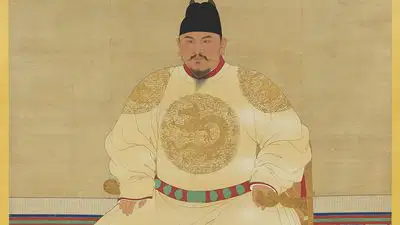
Chinese dynasty in which Chinese rule was restored; held power from 1368 to 1644.
Tang Dynasty
Ming Dynasty
Qing Dynasty
Koryo Dynasty
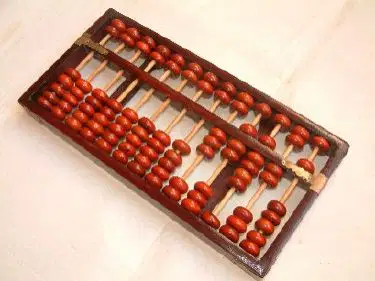
A device used for counting and calculating by sliding small balls or beads along rods or in grooves.
celadon
hangul
cadabra
abacus
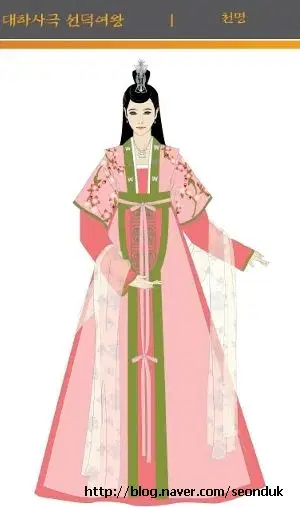
Korean Dynasty that ruled from 668 - 935. Korea was a tributary state, acknowledging Chinese power but preserving its independence. During this time Korea prospered and the arts flourished. Koreans made advances in medicine, astronomy, metal casting, and textile manufacturing.
Tang Dynasty
Choson Dynasty
Silla Dynasty
Koryo Dynasty
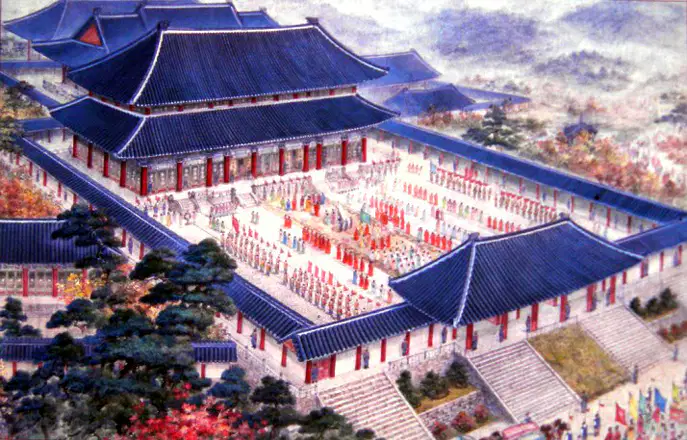
Korean dynasty that ruled from 935 - 1392. Buddhism reached its greatest influence in Korea although Confucian traditions remained strong.
Ming Dynasty
Qing Dynasty
Koryo Dynasty
Choson Dynasty

Porcelain made in Korea with an unusual blue-green glaze.
hangul
celadon
stupa
shogunate
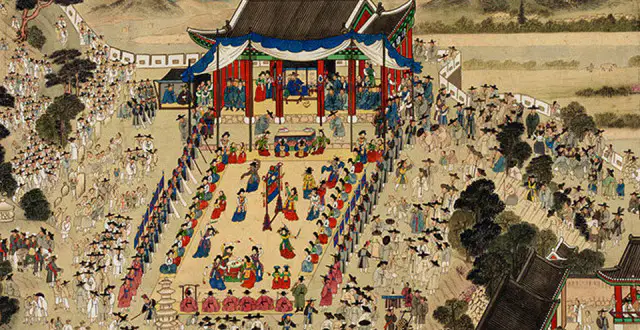
Korean dynasty that ruled from 1392 to 1920, the longest-lived of Korea's three dynasties.
Qing Dynasty
Koryo Dynasty
Silla Dynasty
Choson Dynasty

Korea's most celebrated ruler. Known as the Great. In 1443, he replaced the complex Chinese system of writing with hangul. His numerous cultural and intellectual accomplishments have led historians to call his reign the Korean Golden Age.
Rajah Sultan
Murasaki Shikibu
King Sejong
King Suryavarman II
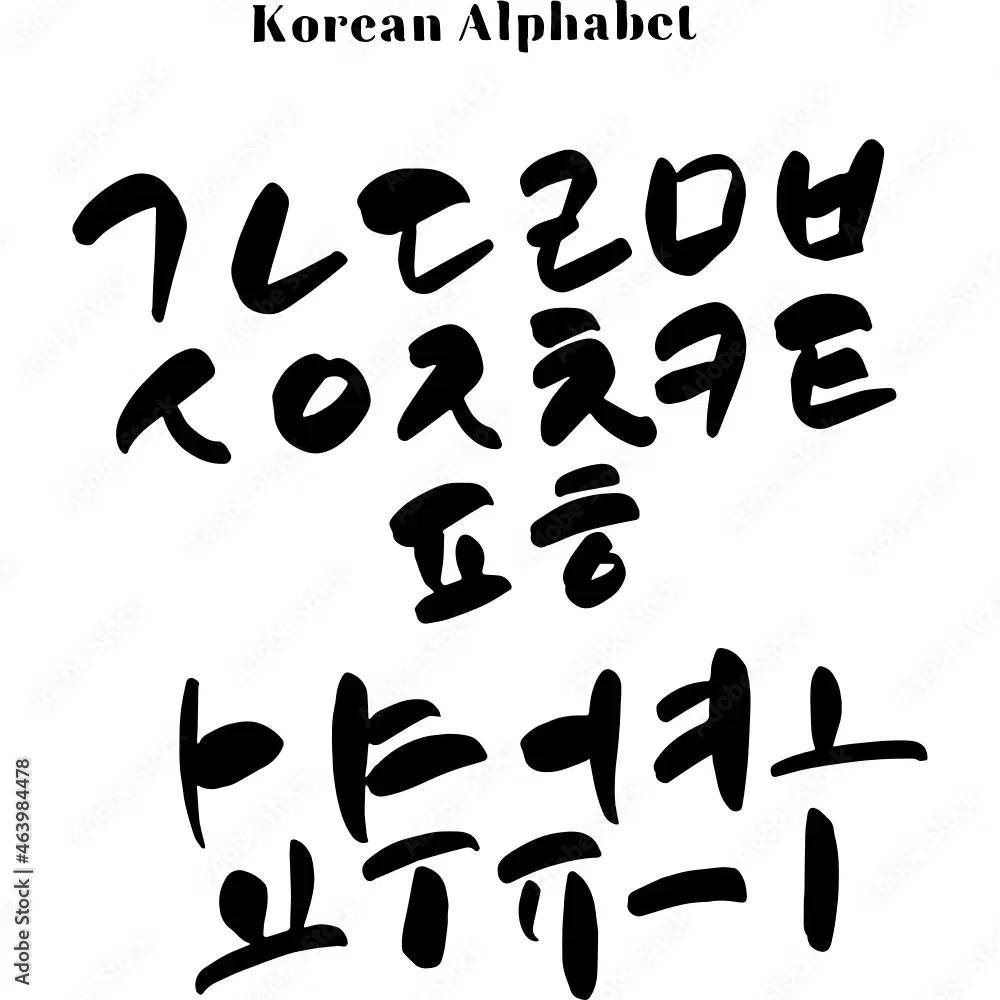
Alphabet that uses symbols to represent the sounds of spoken Korean.
kanji
hangul
Hanzi
cuneiform

Percentage of people who can read and write...
the language curve
literacy rate
phonics fate
scribe stats
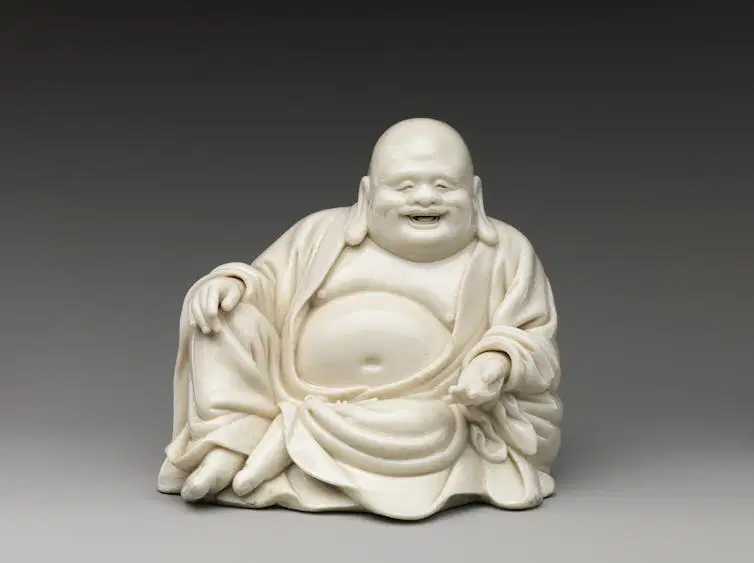
A widespread religion or philosophy, founded by Siddartha Gautama in northeastern India in the 5th century BC:
Shintoism
Islam
Sikhism
Buddhism
Principal religion in Japan that emphasizes the worship of nature.
Hinduism
Sikhism
Buddhism
Shinto
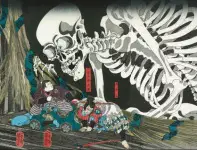
Adopting or adapting some cultural trait but discarding others.
selective borrowing
cultural appropriation
ethnic acquisition
heritage hunting
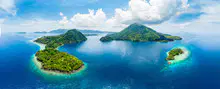
chain of islands
strait
archipelago
keys
ablation

A very large wave caused by an earthquake or very strong wind.
tsunami
waterspout
maelstrom
St. Elmo's Fire
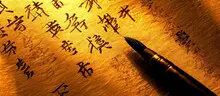
A lady-in-waiting in the Heian Court. Historians credit her with writing the world's first full-length novel, The Tale of Genji, written between A.D. 1000 and 1008.
Nur Jahan
Shah Jahan
Murasaki Shikibu
Tokugawa Shogunate

The practice of meditation; a school of Buddhism in Japan.
Namaste
Hangul
Shinto
Zen
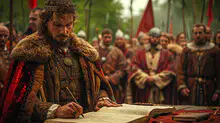
Loosely organized system of government in which local lords governed their own lands but owed military service and other support to a greater lord.
Manorialism
Feudalism
Shintoism
Sikhism

A feudal military system of government that ruled Japan for several centuries, between the Heian era and the Meiji Restoration.
abacus
shogunate
celadon
stupa
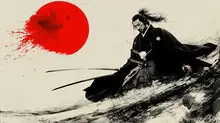
Member of the warrior class in Japanese feudal society.
samurai
knight
Spartan
ninja
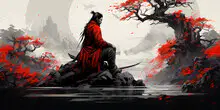
Code of conduct for samurai during the feudal period in Japan
Itachi Style
bushido
chivalry
the golden rule way
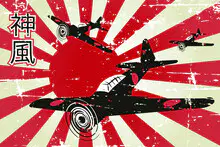
Japanese pilot who undertook a life-ending mission.
kamikaze
celadon
abacus
hangul
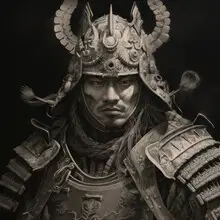
Descendents of supreme military leaders; ruled Japan from 1603 through 1869; reunified Japan and reestablished order following a century of civil war and disturbance.
Nur Jahan
Shah Jahan
Murasaki Shikibu
Tokugawa Shogunate
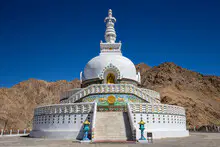
Large domelike Buddhist shrine.
abacus
celadon
hangul
stupa
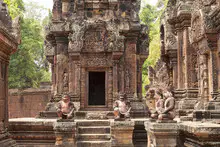
A powerful state in Southeast Asia, known for its impressive architecture, particularly the temples of Angkor, and its significant cultural achievements. This civilization flourished from 802 to 1431 CE.
Silla Dynasty
Koryo Dynasty
Byzantine Empire
Khmer Empire

A famous king of Cambodia who died in 1150 A.D. He built the world's largest religious structure at Angkor Wat and conquered much of what is now Thailand and Vietnam. He made Angkor one of the greatest cities in the world (for the time).
Genghis Khan
Delhi Sultanate
King Sejong
King Suryavarman II
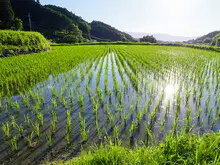
rice field
farm
wetland
paddy
swamp

