
 Worksheets
Republic of Texas
Total questions: 84
Worksheet time: 42mins
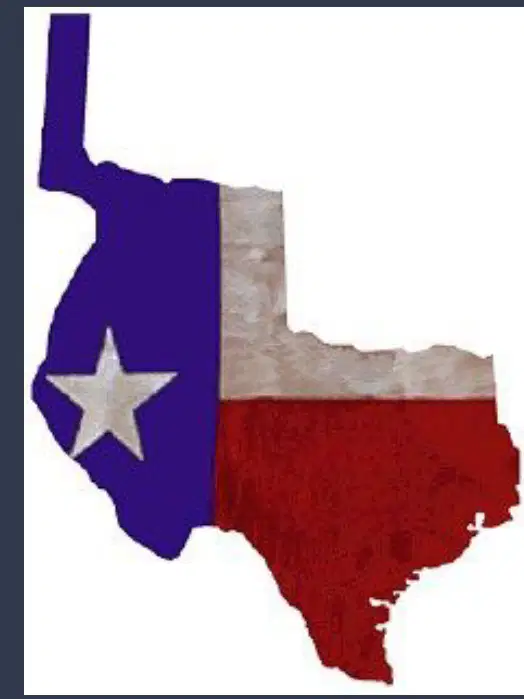
What does the image represent?
The Republic of Texas
The State of California
The United States of America
The State of Florida
Who became the first official President of the Republic of Texas?
David Burnet
Sam Houston
Stephen F. Austin
James Bowie
What challenges did Sam Houston face as President of the Republic of Texas?
Raids by the Comanches and their allies
Unrest within the Texas army
National debt
All of the above
Who was named the Secretary of State under Sam Houston but died shortly after taking office?
David Burnet
Stephen F. Austin
Sam Houston
William B. Travis
Which city replaced Columbia as the capital of the Republic of Texas in 1837?
Austin
Houston
San Antonio
Dallas
What was one of Sam Houston’s first tasks as President?
Forming his cabinet
Declaring war on Mexico
Moving the capital to Austin
Writing a new constitution
What were the two main foreign policies of Houston?
To have other countries recognize Texas as an independent nation and avoid another war with Mexico.
To gain control of the army and keep the peace in Texas.
To avoid another war with Mexico and put the nation on solid financial ground.
To have other countries recognize Texas as an independent nation and keep the peace in Texas.
What were the three main domestic policies of Houston?
Gain control of the army, keep the peace in Texas, and put the nation on solid financial ground.
Gain control of the army, avoid another war with Mexico, and keep the peace in Texas.
Keep the peace in Texas, avoid another war with Mexico, and put the nation on solid financial ground.
Gain control of the army, have other countries recognize Texas as an independent nation, and keep the peace in Texas.
What is the definition of foreign policy?
The way a government deals with issues inside the country.
The way a government deals with other countries.
The way a government controls its army.
The way a government maintains financial stability.
What is the definition of domestic policy?
The way a government deals with other countries.
The way a government deals with issues inside the country.
The way a government controls its army.
The way a government avoids war.
What did Texans vote to ratify in the election ballot of 1836?
The Constitution of 1836
The Declaration of Independence
The Bill of Rights
The Treaty of Paris
What did annexation by the United States mean for Texas?
Texas would become a US state
Texas would remain independent
Texas would join Mexico
Texas would become a territory of Spain
Why did many people in the United States oppose Texas' annexation?
They wanted to avoid war with Mexico and Texas was a slave state
They wanted Texas to join Mexico
They believed Texas was too far from the US
They thought Texas was not economically viable
What was the concern about Texas being a slave state during annexation?
It would upset the balance between slave and anti-slave states
It would lead to economic instability
It would cause Texas to lose its independence
It would lead to war with Spain
When was Texas recognized as an independent nation by the United States?
On President Jackson's last day in office
During the Civil War
After the Treaty of Paris
During the Mexican-American War
What was the state of relations between Texas and Mexico during the time described?
Peaceful
Tense
Cooperative
Friendly
Why did Mexico reject the Treaty of Velasco?
It was signed by Santa Anna willingly.
It was signed under fair conditions.
Santa Anna was forced to sign it while a prisoner.
It was approved by both parties.
What was President Houston's goal regarding war with Mexico?
To start another war with Mexico.
To avoid another war with Mexico.
To expand Texas territory through war.
To ally with Mexico for future wars.
What was the name of the rebellion supported by Mexico and the Kickapoo Indians against Texas?
The Treaty of Velasco Rebellion
The Kickapoo Rebellion
The Córdova Rebellion
The Texas Rebellion
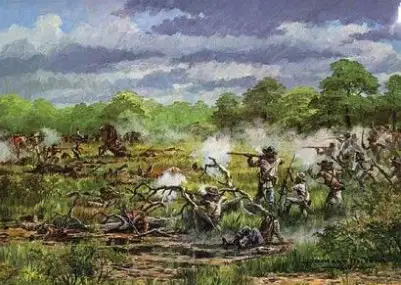
What was the outcome of the Córdova Rebellion for Texas?
Texas was defeated.
The rebellion ended in a stalemate.
Texas defeated the rebels.
The rebellion continued for years.
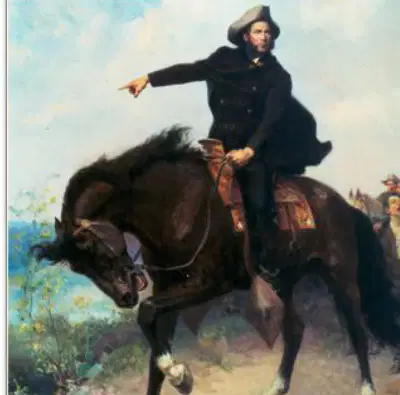
What issue did Sam Houston face with his military?
Lack of soldiers
Financial burden of supporting an expanding armed forces
Poor training of soldiers
Lack of weapons
Why did new soldiers pour into Texas during Sam Houston's time?
To seek glory and fortune
To escape war in their home countries
To train under Sam Houston
To protect Texas from invaders
What action did Sam Houston take to alleviate the financial burden of supporting the military?
He asked for donations from citizens
He sent soldiers home
He reduced military training costs
He sold military equipment
What did Houston rely on to keep the frontier safe instead of calling on his military?
Local militias and Texas Rangers
The American Indian tribes
The Congress of Texas
The Republic of Texas military
Which American Indian tribe did Houston live with for many years?
Cherokees
Apaches
Comanches
Sioux
What did Houston attempt to establish with the American Indian tribes to promote peace?
Treaties and trading posts
Military alliances
Forts and settlements
Schools and churches
Why were Houston’s treaties and trading posts unsuccessful?
Lack of support from Houston’s Congress
Hostility from the Cherokees
Poor communication with the tribes
Lack of resources in Texas
What was the result of the unsuccessful treaties and trading posts?
The Indians did not trust the Republic of Texas
The Indians formed alliances with other tribes
The Indians moved to other territories
The Indians attacked the Republic of Texas
Who was the second President of the Republic of Texas?
Sam Houston
Stephen F. Austin
Mirabeau Lamar
James Bowie
What position did Lamar hold before becoming President of the Republic of Texas?
Secretary of State
Vice President
Governor
Speaker of the House
What did Lamar do to many of Houston’s policies and actions during his administration?
He expanded them
He undid them
He ignored them
He strengthened them
What was Lamar’s stance on Texas joining the United States?
He supported it
He was neutral
He did not agree with it
He proposed it
What did Lamar believe about Texas’s future?
Texas should rely on the United States
Texas had the ability to compete with the United States
Texas should merge with Mexico
Texas should remain isolated
What amount did Lamar offer to pay Mexico in exchange for recognizing Texas as an independent nation?
$1 million
$5 million
$10 million
$2 million
What was Lamar's proposal to Mexico regarding the border between the two countries?
The Rio Grande as the border
The Mississippi River as the border
The Colorado River as the border
The Red River as the border
What was the outcome of Lamar's deal with Mexico?
The deal succeeded
Mexico agreed to the terms
The deal failed
Texas became part of Mexico
Why did Mexico refuse to take Lamar seriously?
Lamar was not a leader
Mexico did not want to recognize Texas
Lamar did not offer enough money
Mexico wanted a different border
Who tried to convince Santa Fe, New Mexico to join Texas?
Sam Houston
Stephen F. Austin
Mirabeau B. Lamar
James Bowie
How many merchants and soldiers were part of the Santa Fe Expedition?
150
320
500
1000
What challenges did the Santa Fe Expedition face?
Lack of weapons and attacks by settlers
Low water and food supply, and attacks by Native Americans
Harsh weather and lack of transportation
Disease outbreaks and lack of leadership
What happened when the Santa Fe Expedition arrived in Santa Fe?
They were welcomed by the residents
They were captured and marched to a prison in Mexico City
They successfully convinced Santa Fe to join Texas
They were attacked by settlers and forced to retreat
What was the long-term impact of the Santa Fe Expedition?
It weakened Texas' claim to West Texas
It strengthened Texas' claim to present-day West Texas
It led to the annexation of Mexico
It caused Texas to lose territory to Mexico
What effort did Lamar make to have Texas annexed into the United States?
He made significant efforts to annex Texas.
He made no effort to annex Texas.
He tried to annex Texas but failed.
He annexed Texas successfully.
Which country was the first European nation to recognize the Republic of Texas?
Great Britain
Belgium
France
Netherlands
In what year did France recognize the Republic of Texas?
1839
1842
1836
1840
Which countries followed France in recognizing Texas as an independent nation?
Great Britain, Netherlands, and Belgium
Spain, Portugal, and Italy
Germany, Austria, and Switzerland
Russia, Poland, and Finland
In what year did Great Britain recognize the Republic of Texas?
1839
1842
1836
1840
What was Lamar's quest despite not having money for his programs?
To establish public education
To build railroads
To create a new constitution
To expand Texas territory
How many acres of land did Congress allow each county to sell for paying for schools?
10,000 acres
18,000 acres
5,000 acres
20,000 acres
What title did Lamar earn due to his vision for public education?
Father of Texas Independence
Father of Texas Education
Founder of Texas Schools
Leader of Texas Congress
What did Lamar decide to do to make Texas more secure?
Strengthen the army and navy
Build more schools
Increase trade with neighboring states
Create new laws for the government
What did recruits receive in exchange for their military service?
Free land
Money
Weapons
Food
How many men were in the army at full strength?
560 men
1,000 men
750 men
300 men
What did the government supply to the soldiers?
Food, uniforms, weapons, tents, and other equipment
Money and land
Training and education
Housing and transportation
Why did Lamar look to the United States for recruits?
He felt a "better class" of soldier was needed
He wanted to increase trade with the United States
He needed financial support from the United States
He wanted to expand Texas territory
What were Lamar's two reasons for strengthening his military?
To keep Texas free of Mexico and remove American Indians from the Texas frontier
To expand Texas westward and defeat the Comanches
To settle land in East Texas and create peace treaties with Native Americans
To protect farms and ranches from destruction and captives
Which battle led to Lamar's troops defeating the Cherokee people and allowing land in East Texas to be settled by Anglos?
Battle of Plum Creek
Battle of the Neches
Council House Fight
Battle of San Jacinto
What group remained a force to be reckoned with by taking captives and destroying farms and ranches?
Cherokee
Comanches
Mexicans
Anglos
How many Texans and Comanches were left dead after the peace treaty gone bad?
5 Texans and 25 Comanches
7 Texans and 35 Comanches
10 Texans and 40 Comanches
6 Texans and 30 Comanches
Which battle eventually led to the defeat of the band of Comanches by a volunteer army?
Battle of Plum Creek
Battle of the Neches
Council House Fight
Battle of San Jacinto
When did peace between the Texans and Comanches come again?
After the Battle of Plum Creek
After Sam Houston took office again
After the Council House Fight
After the Battle of the Neches
What happened to the debt under Lamar's administration?
The debt decreased significantly.
The debt remained the same.
The debt continued to build.
The debt was completely paid off.
What type of money was printed during Lamar's administration?
Valuable money.
Worthless money.
Gold coins.
Foreign currency.
What was one consequence of Lamar's administration?
Lamar was re-elected for a second term.
Support for Lamar increased.
Support for Lamar fell, leading to Sam Houston being re-elected.
The Republic of Texas became debt-free.
What were some of the challenges Sam Houston faced during his second term as President of the Republic of Texas?
Native Americans threatened the frontier, the Texas dollar had little value, the Republic of Texas was bankrupt, and Mexico remained a threat.
Native Americans supported the frontier, the Texas dollar was strong, the Republic of Texas was wealthy, and Mexico was an ally.
Native Americans were peaceful, the Texas dollar had great value, the Republic of Texas was thriving, and Mexico was not a concern.
Native Americans were neutral, the Texas dollar was stable, the Republic of Texas was moderately wealthy, and Mexico was a minor threat.
What action did Houston take to decrease government spending?
Increased salaries and hired more workers
Fired government workers, decreased salaries, and reduced the military
Sold the navy and increased taxes
Declared bankruptcy
Why was Houston unable to sell the navy?
The sailors kept their ships at sea and declared their commander a pirate
The government refused to approve the sale
The navy was too damaged to be sold
The navy was already sold to another country
What was Edwin Moore accused of, but later found not guilty?
Theft and fraud
Mutiny, piracy, and murder charges
Treason and espionage
Desertion and smuggling
What was the money taken in by the Texas government used for?
Building new infrastructure
Paying off the interest on borrowed money
Expanding the military
Funding public education
What was the purpose of the peace treaties created by Houston between the Texans and American Indians?
To establish trade centers and slow migration of Anglo onto Native land.
To encourage violence between Texans and American Indians.
To increase migration of Anglo onto Native land.
To raid deep into Mexico.
Which Native tribe respected the treaty and turned their attention to raiding deep into Mexico?
Cherokee
Comanches
Apache
Sioux
How much money did President Lamar spend trying to achieve peace through force?
Less than $1 million
$2.5 million
$5 million
$1.5 million
How much money did President Houston spend to achieve peace successfully?
Less than $1 million
$2.5 million
$5 million
$1.5 million
Who regained power in Mexico and planned to retake or harass Texas despite his previous defeat?
President Houston
Santa Anna
Texas Rangers
Mexican troops
Why did Santa Anna believe it was only a matter of time until he could attack Texas?
Texas had a strong military presence
Texas had no standing military while Houston was in office
Texas had alliances with other countries
Texas had moved its archives to Houston
What did President Houston order the Texas Rangers to move from Austin to Houston?
Cannons
Archives
Troops
Capital
What are archives described as in the text?
Collections of weapons and tools
Collections of important public documents, such as constitutions and other records
Collections of historical artifacts
Collections of maps and charts
What was the name of the conflict that occurred when residents resisted the move of the archives?
Texas War
Archives War
Constitution War
Austin War
How did residents resist the move of the archives?
By blocking roads
By firing cannons at the Texas Rangers
By moving the archives themselves
By negotiating with President Houston
Why was Houston worried about Mexico during the Battle of Salado Creek?
Mexico had captured San Antonio.
Mexico had captured Houston.
Mexico had captured Austin.
Mexico had captured Dallas.
How many Mexican troops outnumbered the volunteer troops at Salado Creek?
500 Mexican troops
800 Mexican troops
1,000 Mexican troops
300 Mexican troops
What strategy did the Texans use to defeat the Mexican army at Salado Creek?
They attacked directly.
They lured the Mexican army into a trap.
They surrendered to the Mexican army.
They retreated to San Antonio.
What is the name of the conflict where Captain Nicolas Dawson and his group of 50 volunteer Texans were surrounded and killed?
Dawson’s Defeat
Dawson’s Massacre
Dawson’s Battle
Dawson’s Victory
What happened to the survivors of Dawson’s group during Dawson’s Massacre?
They escaped to San Antonio.
They were imprisoned.
They joined the Mexican army.
They were rescued by Houston.

