
 Worksheets
North And Latin America Review
Total questions: 99
Worksheet time: 50mins
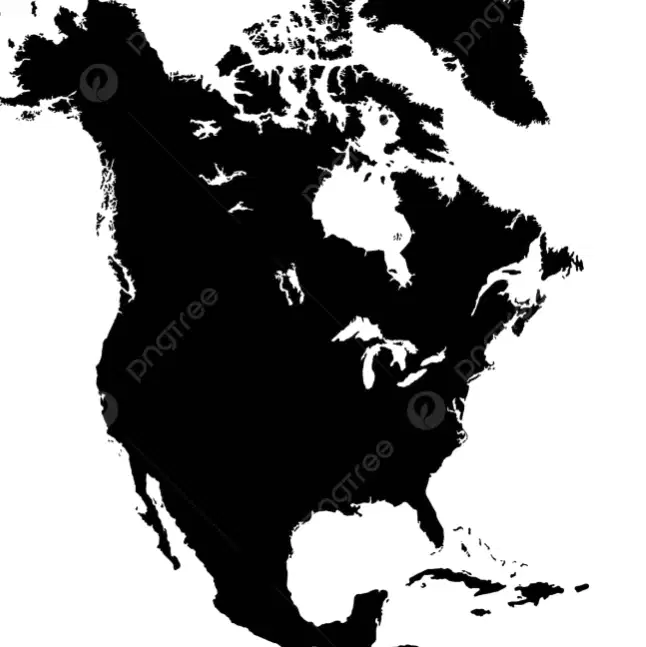
Which of the following statements is true about North America?
North America is the largest continent
North America is the third-largest continent
North America is the smallest continent
North America is the second-largest continent
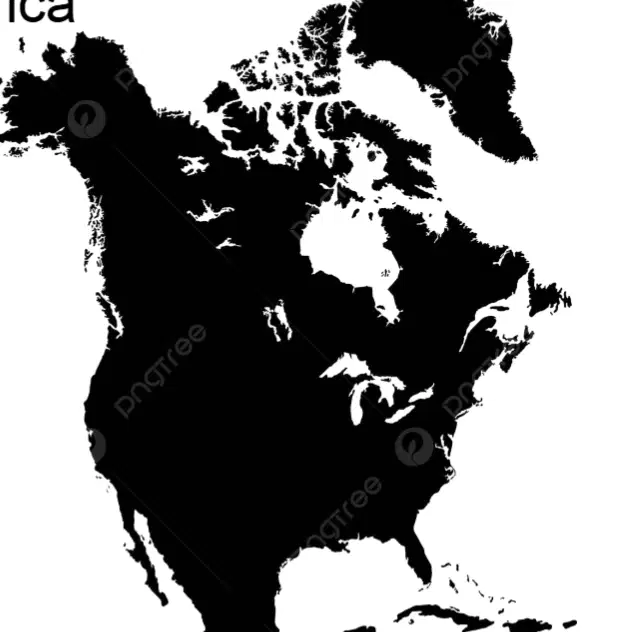
Which countries are included in North America?
United States, Canada, and Mexico
Brazil, Argentina, and Chile
France, Germany, and Italy
China, Japan, and Korea
Fill in the blank: All three countries in North America have diverse _______ and cultures.
landscapes
currencies
governments
capitals
What should be the focus when studying the United States, Canada, and Mexico according to the introduction?
Focus on similarities and differences between these nations
Focus only on the history of the United States
Ignore the cultural aspects of these countries
Study only the economic systems of Mexico
What is the capital of the United States?
New York
Washington, D.C.
Los Angeles
Chicago
What is the approximate population of the United States as of 2021?
200 million
331 million
500 million
100 million
How many states are there in the United States?
48
50
52
45
The United States is known for being the world's largest _______.
economy
desert
island
mountain
The United States is known for cultural diversity and _______.
innovation
monotony
isolation
poverty
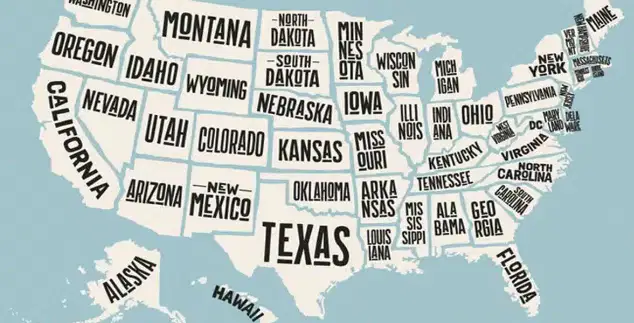
Which state is located in the southwestern region of the United States?
Texas
Maine
Washington
Florida
Fill in the blank: The United States has 50 states and various _______.
territories
cities
provinces
counties
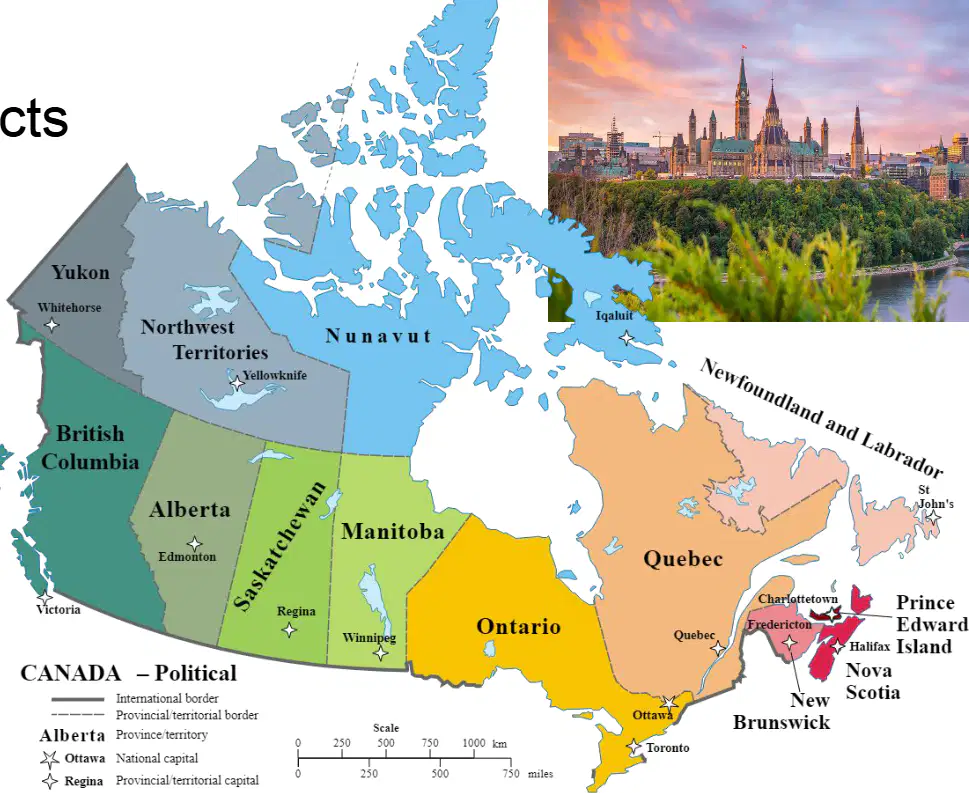
What is the capital of Canada?
Toronto
Ottawa
Vancouver
Montreal
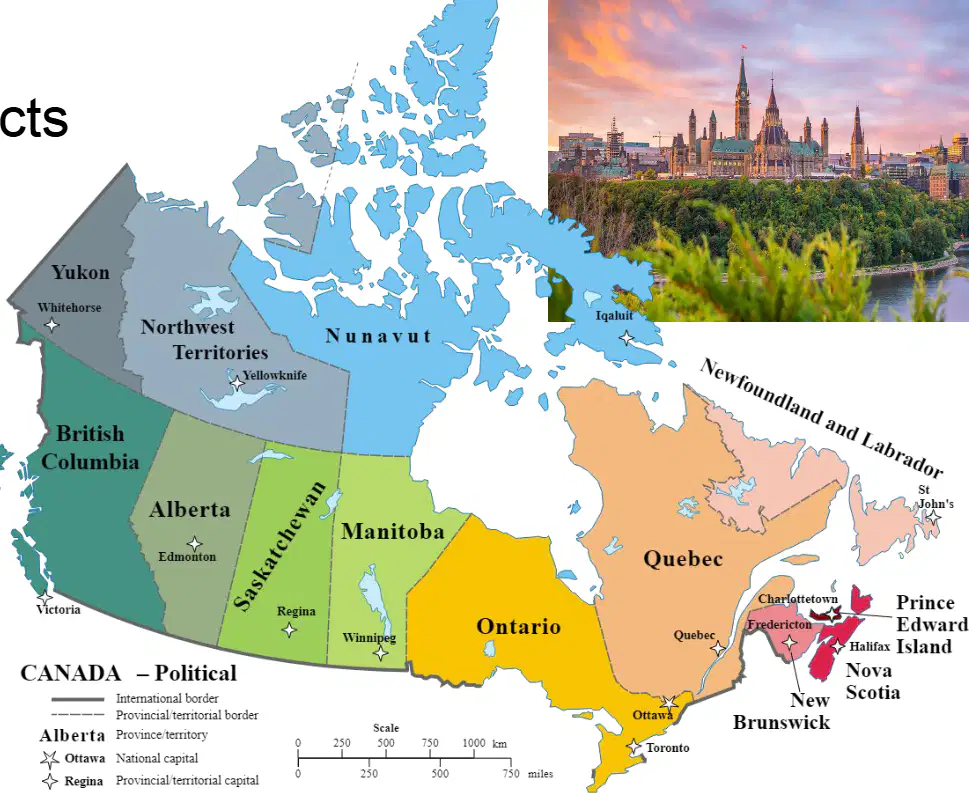
What is the population of Canada as of 2021?
About 28 million
About 38 million
About 48 million
About 58 million
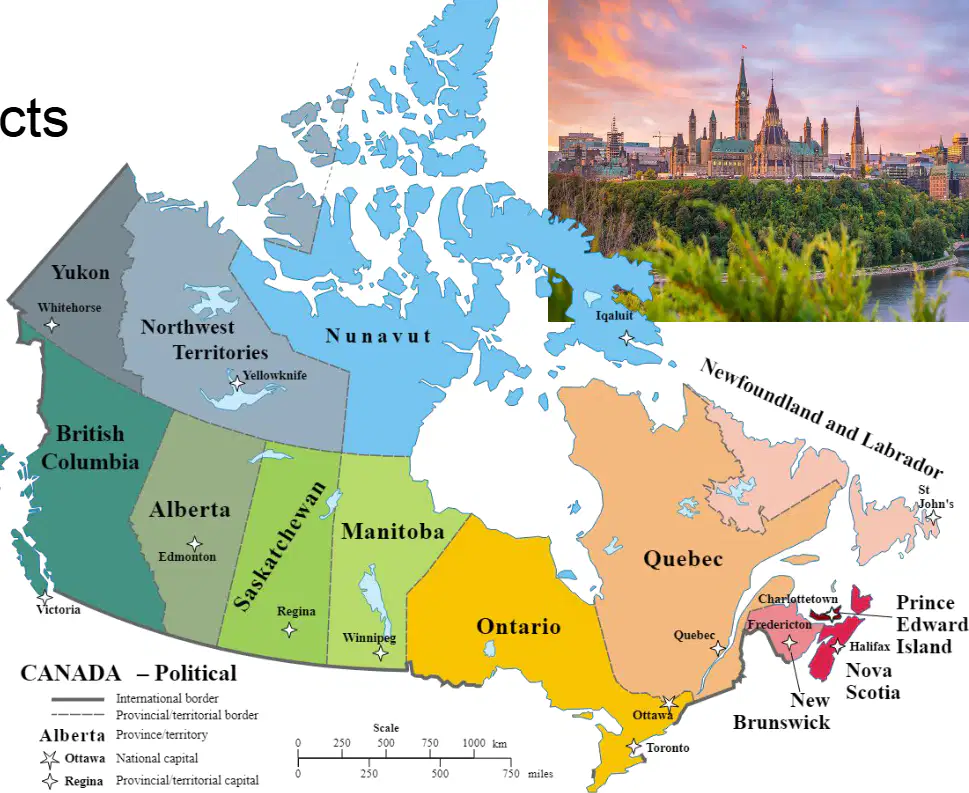
How many provinces and territories does Canada have?
10 provinces and 2 territories
9 provinces and 3 territories
10 provinces and 3 territories
12 provinces and 3 territories
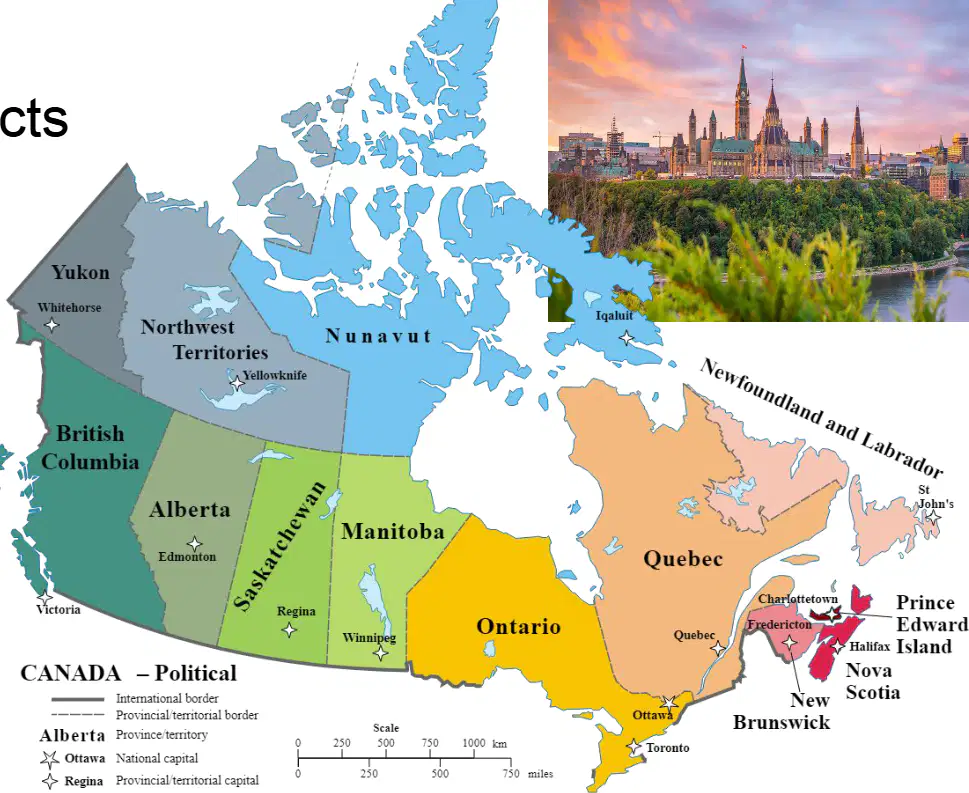
Canada is the ______-largest country by land area.
second
third
fourth
fifth
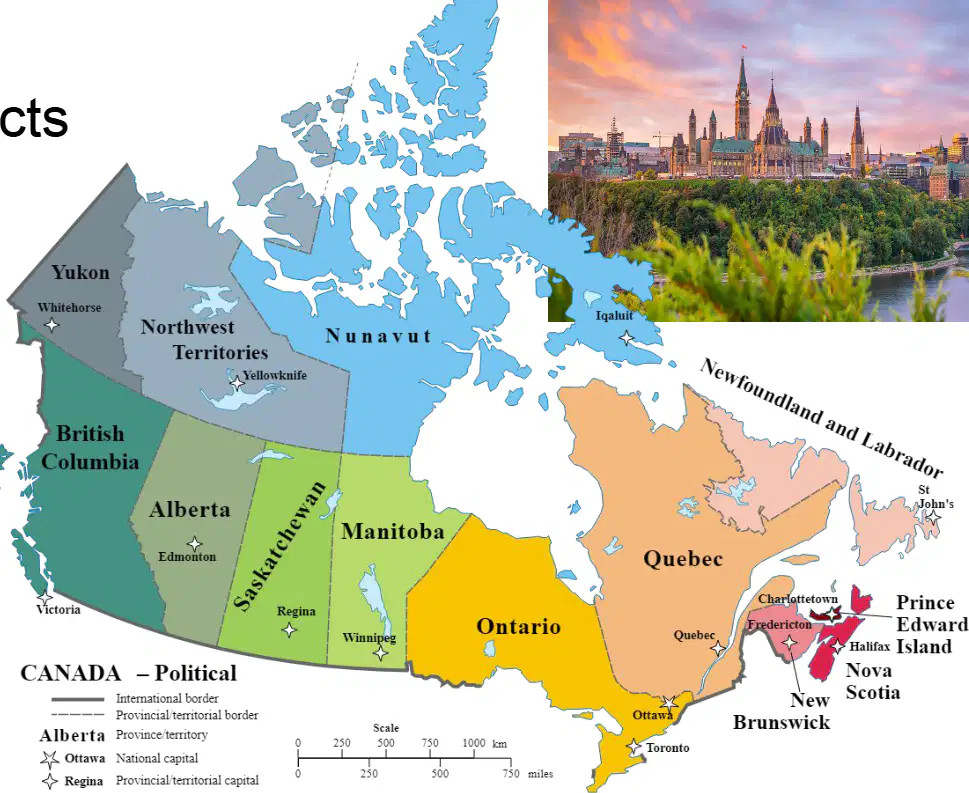
Canada is known for its natural beauty and _______.
multiculturalism
deserts
ancient pyramids
tropical rainforests
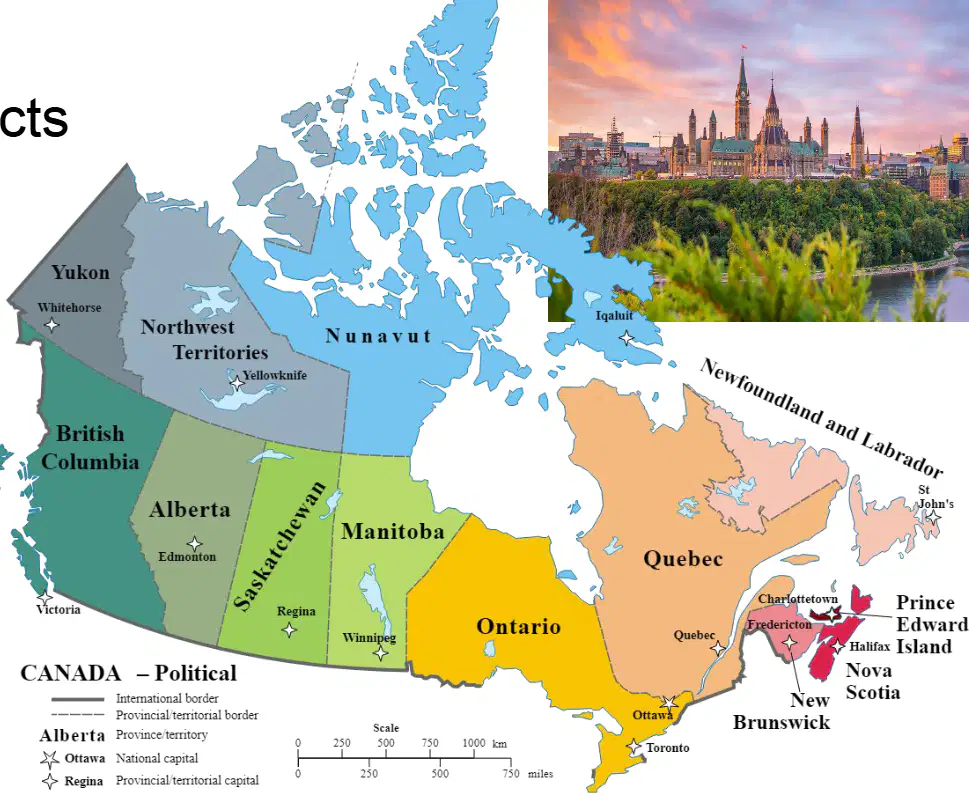
Match the Canadian province/territory to its capital:
Alberta
Edmonton
British Columbia
Victoria
Manitoba
Winnipeg
Saskatchewan
Regina
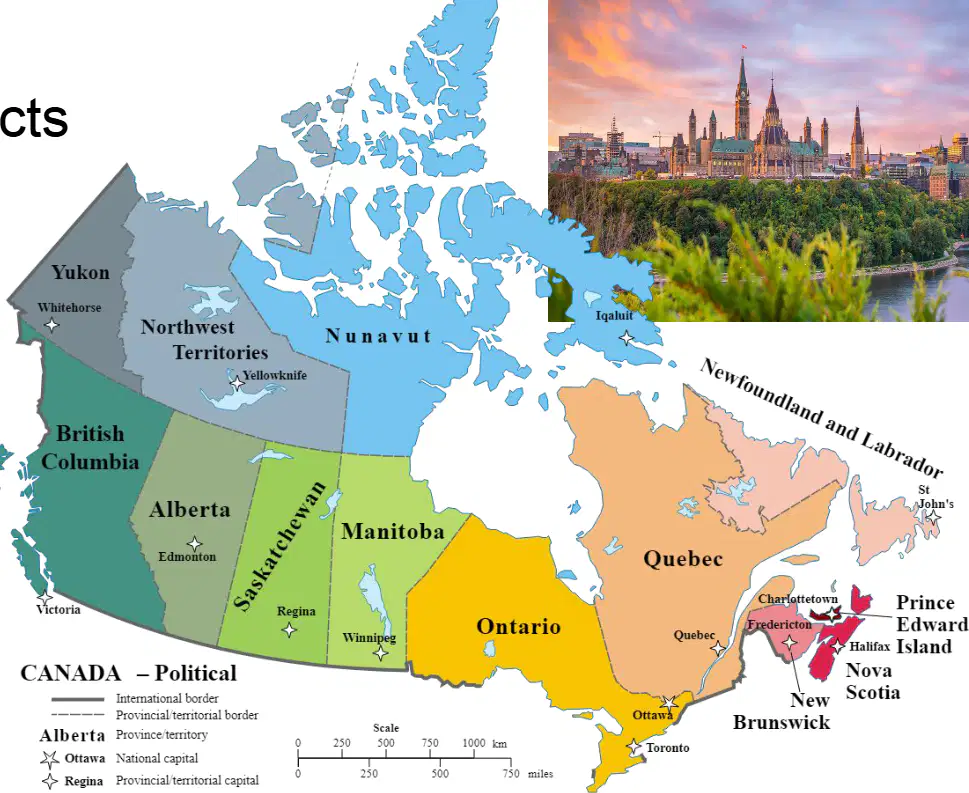
Ottawa is the national capital of Canada.
True
False
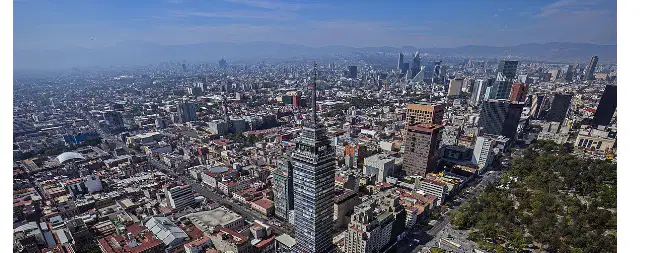
What is the capital of Mexico?
Guadalajara
Monterrey
Mexico City
Puebla
What is the approximate population of Mexico as of 2021?
50 million
130 million
200 million
80 million

Fill in the blank: Mexico has ______ states and 1 federal entity.
31
32
30
28
Mexico is rich in ______ and cultural heritage.
history
technology
sports
finance
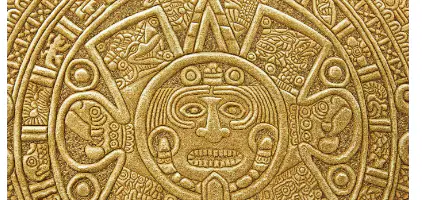
Mexico is known for ancient civilizations and vibrant ______.
traditions
mountains
rivers
forests
Geography Overview: Which country is described as having vast wilderness, numerous lakes, and Arctic tundra?
U.S.
Canada
Mexico
Geography Overview: Which country includes mountains, plains, and deserts in its landscape?
U.S.
Canada
Mexico
Geography Overview: Which country is described as having mountains, deserts, tropical forests, and coastal plains?
U.S.
Canada
Mexico
Geography Overview: True or False: All three countries (U.S., Canada, Mexico) have varied climate zones.
True
False
North America Climate Zones: Match the climate zone to its color on the map.
Dark Blue
Dark Blue
Blue
Blue
Light Blue
Light Blue
Orange
Orange
Green
Green
Fill in the blank: Canada is known for its vast wilderness, numerous lakes, and _______ tundra.
Arctic
Desert
Rainforest
Savanna
Fill in the blank: The natural resources of the U.S. include ________, copper, natural gas, and timber.
coal
diamonds
sand
oil
Fill in the blank: Canada is rich in oil, natural gas, minerals, and ________.
forests
deserts
mountains
beaches
Fill in the blank: Mexico's natural resources include oil, silver, copper, gold, and ________.
natural gas
coal
uranium
diamonds
Which of the following countries has silver as a natural resource?
U.S.
Canada
Mexico
None of the above
The importance of conservation and sustainable use of natural resources in all countries is to:
ensure long-term environmental health and resource availability
increase short-term profits without regard for future impact
deplete resources as quickly as possible
ignore the needs of future generations

What color on the map represents Nomadic Herding in North America?
A) Brown
B) Pink
C) Green
D) Yellow

Which symbol on the map represents Coal in North America?
A) Oil rig
B) Black square
C) Red cross
D) Gold bar

Match the following resources to their symbols as shown in the map legend:
Oil rig
A
Circle with dot
B
Gold bar
C
Triangle
D
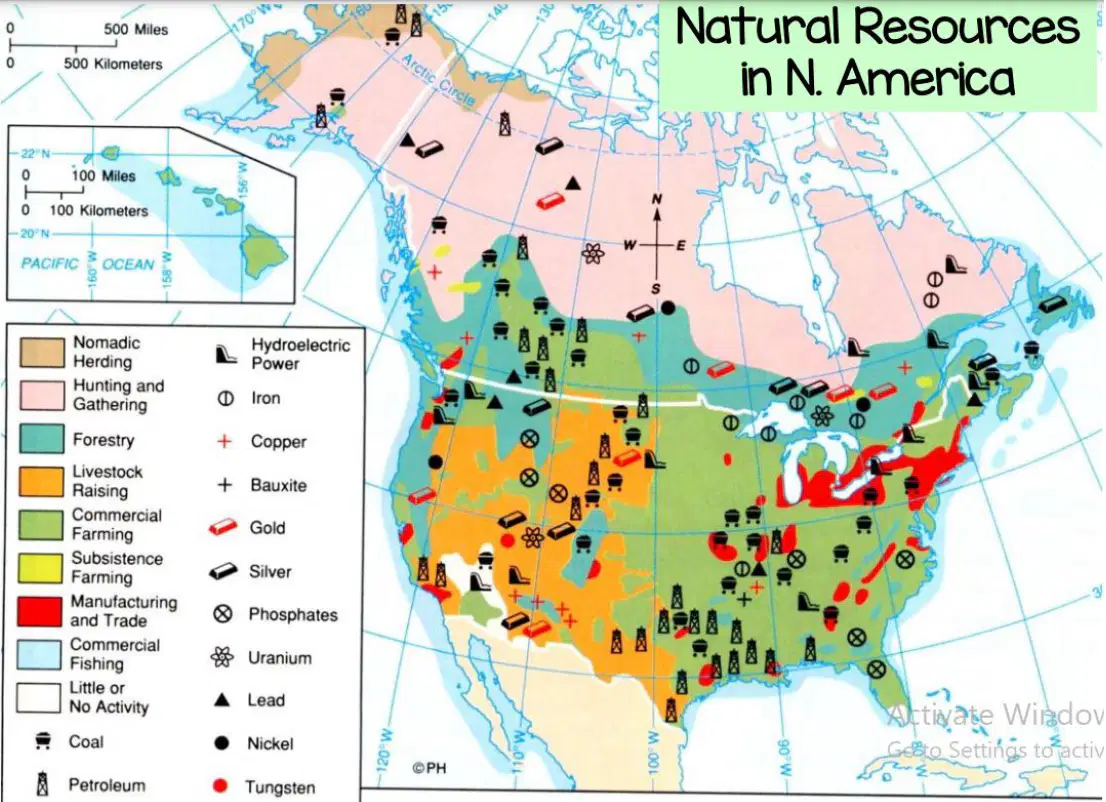
Fill in the blank: The color representing Commercial Farming in North America on the map is _______.
Light green
Red
Blue
Yellow

Which resource is represented by a red cross symbol on the map of North America?
Copper
Bauxite
Gold
Silver
Which of the following is NOT listed as a major economic activity in the U.S.?
Services
Manufacturing
Technology
Mining
Fill in the blank: Canada's major economic activities include services, energy production, forestry, and _______.
mining
fishing
textile manufacturing
automobile assembly
Which country is associated with manufacturing, agriculture, services, and tourism as major economic activities?
U.S.
Canada
Mexico
None of the above

There are strong trade relationships between the U.S., Canada, and Mexico.
True
False
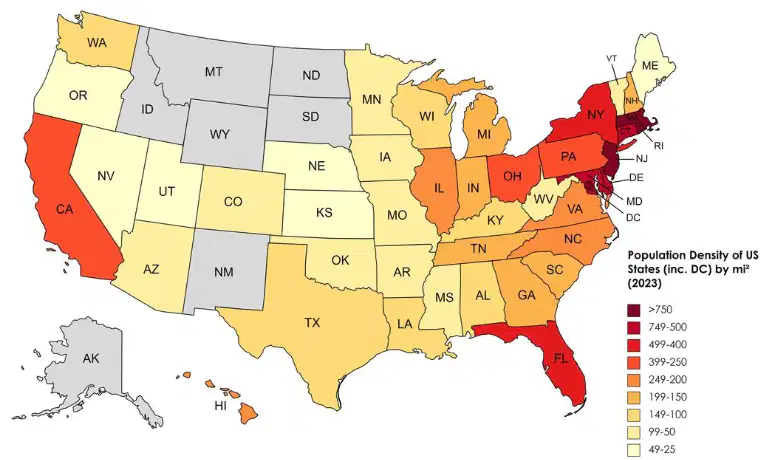
Population Distribution: Most populous cities in the U.S. are located on coasts and Great Lakes.
True
False
What percentage of Canada's population lives within 100 miles of the U.S. border?
50%
70%
90%
100%
Population Distribution: The highest concentration of Mexico's population is in the _______ regions and coasts.
central
northern
eastern
western
Population Distribution: Which of the following is NOT a factor affecting population distribution?
A) Climate
B) Job opportunities
C) History
D) Sports teams
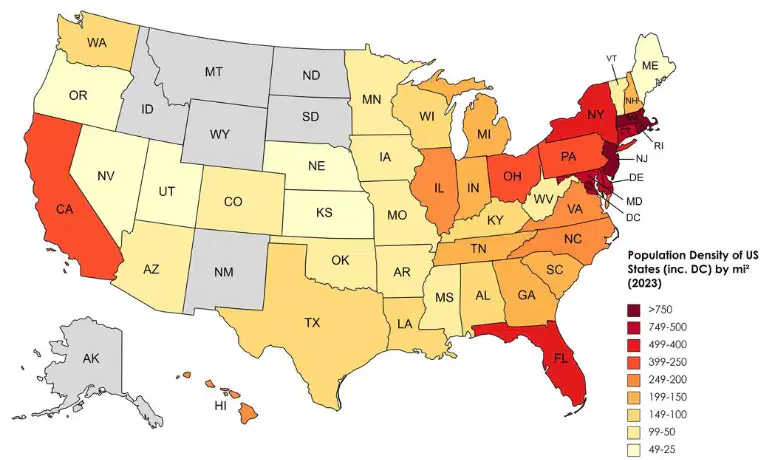
According to the map, which U.S. state has the highest population density?
California
New York
New Jersey
Texas
Cultural Diversity: The U.S. is often described as a "__________" of cultures from around the world.
melting pot
salad bowl
patchwork quilt
mosaic
Cultural Diversity: Canada is known as a "__________" with two official languages.
cultural mosaic
melting pot
salad bowl
patchwork quilt
Cultural Diversity: Mexico is a blend of __________ and European cultures.
indigenous
Asian
African
Middle Eastern
Cultural Diversity: Indigenous peoples are present in which of the following countries?
Only the U.S.
Only Canada
Only Mexico
All three countries
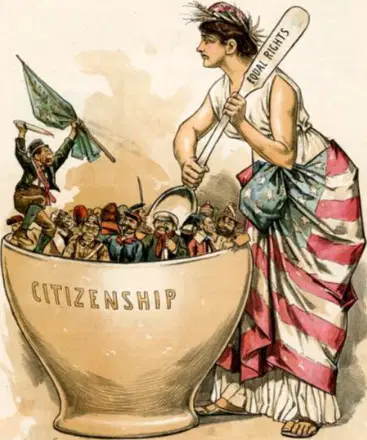
Which image best represents the concept of a "melting pot" in the context of cultural diversity?
Mosaic artwork
Group holding Canadian flag
Illustration with a pot labeled 'Citizenship'
Which type of government system does the United States have?
Federal parliamentary democracy
Federal presidential constitutional republic
Constitutional monarchy
Federal presidential republic
What does a 'constitutional monarchy' mean in this context?
A constitutional monarchy is a system where a king or queen is the head of state, but their power is limited by a constitution and most real political power lies with an elected parliament.
A constitutional monarchy is a system where the king or queen has absolute power over all government decisions.
A constitutional monarchy is a system where there is no king or queen, and the country is ruled entirely by elected officials.
A constitutional monarchy is a system where the king or queen is only a ceremonial figure with no involvement in government at all.
Mexico is described as having a federal presidential republic. Who elects the president in this system?
The parliament
The king or queen
The people
The regional governments
All the countries listed (U.S., Canada, Mexico) have both federal and state/provincial governments.
True
False

U.S. and Canada were ______ colonies.
British
French
Spanish
Dutch
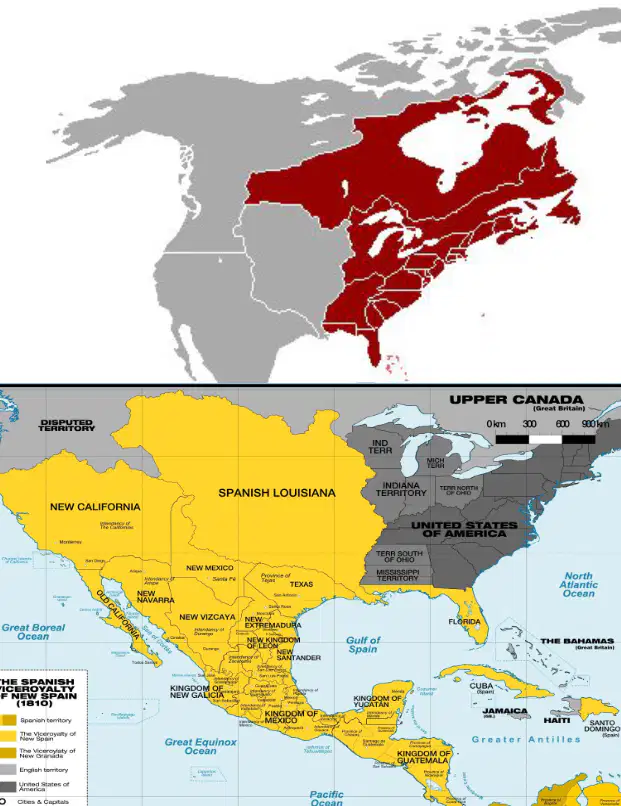
Mexico was a ______ colony.
Spanish
French
British
Portuguese
In what year did the U.S. gain independence?
1776
1492
1865
1620
Canada became a confederation in which year?
1867
1871
1841
1905
Mexico gained independence in which year?
1821
1810
1836
1848
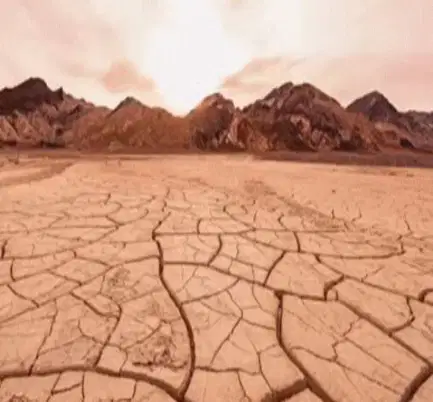
What is one environmental challenge affecting all three countries? (Fill in the blank)
Climate change
Deforestation
Water scarcity
Pollution
Efforts to protect national parks and wildlife
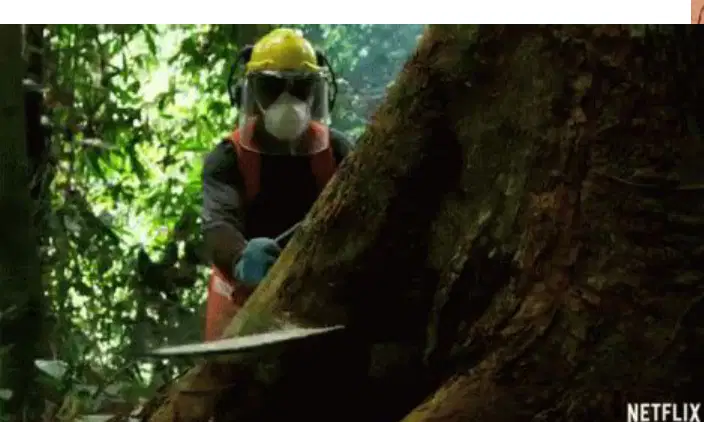
What is a major cause of habitat loss mentioned in the list of environmental challenges? (Fill in the blank)
Climate change
Deforestation
Water scarcity
Pollution
Efforts to protect national parks and wildlife
Which environmental challenge involves issues with water availability and cleanliness? (Fill in the blank)
Climate change
Deforestation
Water scarcity
Pollution
Efforts to protect national parks and wildlife
What efforts are being made to protect the environment according to the list? (Fill in the blank)
Climate change
Deforestation
Water scarcity
Pollution
Efforts to protect national parks and wildlife

Which country is described as a leader in tech innovation and is home to Silicon Valley?
U.S.
Canada
Mexico
Brazil
Which of the following is an area of cooperation among North American countries?
Space exploration
Border security and environmental protection
Ancient history
Sports leagues
North American Cooperation includes cultural exchanges and shared values.
True
False
One challenge or opportunity faced by North American countries in the 21st century is:
Climate change and environmental sustainability
Ancient trade routes
Medieval warfare
Colonial expansion
The geographies of the U.S., Canada, and Mexico can be compared in terms of their size, climate, and physical features.
They all have similar climates and landscapes.
The U.S. and Canada are mostly temperate, while Mexico is largely tropical.
Mexico is larger than both the U.S. and Canada.
Canada is mostly desert, while the U.S. and Mexico are mostly forest.
Key economic activities in each country include:
Agriculture, manufacturing, and services
Only agriculture
Only mining
Only tourism
Cultural diversity shapes these nations by:
Promoting understanding and tolerance among different groups.
Eliminating all differences between people.
Preventing any form of cultural exchange.
Ensuring everyone has the same traditions.
What common challenges do they face, and how might they work together?
They face similar challenges and can collaborate to solve problems.
They have no challenges and do not need to work together.
They face unique challenges and cannot work together.
They compete against each other and avoid collaboration.
Which languages are predominantly spoken in Latin America?
A) English and French
B) Spanish and Portuguese
C) German and Italian
D) Chinese and Japanese
Latin America encompasses countries in which regions?
North America and Europe
Central America, South America, and parts of the Caribbean
Africa and Asia
Australia and Antarctica
Fill in the blank: Latin America is rich in _______, culture, and natural resources, offering a tapestry of experiences.
history
technology
politics
sports
Latin America is home to diverse populations with a mix of indigenous, European, African, and Asian influences.
True
False
What is Latin America known for?
Cold climate and deserts
Warm hospitality, colorful traditions, and breathtaking landscapes
Industrial cities and technology hubs
Ancient ruins and pyramids only
Fill in the blank: Latin America plays a significant role in global _______, politics, and environmental issues.
economics
sports
fashion
technology
What is the world's largest tropical rainforest, crucial for global biodiversity?
Congo Rainforest
Amazon Rainforest
Daintree Rainforest
Valdivian Rainforest
Which mountain range is the world's longest, running along the western coast of South America?
Himalayas
Rockies
Andes Mountains
Alps
The Atacama Desert, located in northern Chile, is known as one of the ______ places on Earth.
driest
coldest
wettest
highest
The Caribbean Islands are known for beautiful beaches and unique cultures.
True
False
Latin America stretches from the southern border of the United States to the southern tip of South America.
True
False
Approximately how many million square kilometers does Latin America cover?
10.5
19.2
7.4
25.0
Which of the following climates can be found in Latin America?
Tropical rainforests near the equator
Temperate regions in higher latitudes
Polar climates in the far south and high mountains
All of the above
Latin America is home to numerous unique ______ and habitats.
ecosystems
continents
oceans
mountains
Which country in Latin America is known for ancient Mayan and Aztec ruins, vibrant culture, and delicious cuisine?
Brazil
Mexico
Argentina
Peru
Which country is the largest by area and population in Latin America, famous for the Amazon and Carnival?
Brazil
Colombia
Venezuela
Argentina
Which Latin American country is renowned for tango, gauchos (cowboys), and the Pampas grasslands?
Argentina
Peru
Mexico
Brazil
Which country is home to diverse landscapes, from Andean peaks to Caribbean coastlines?
Colombia
Venezuela
Brazil
Peru
Which country is famous for Machu Picchu and the ancient Incan civilization?
Peru
Argentina
Mexico
Colombia
Which country boasts the world's highest waterfall, Angel Falls?
Venezuela
Brazil
Colombia
Argentina
Which language is the most widely spoken and official language in most countries of Latin America?
Spanish
Portuguese
French
English
Which language is the official language of Brazil and spoken by over 200 million people?
Spanish
Portuguese
French
Guarani
Where would you find the Aztec capital city of Tenochtitlan?
On the world map, locate North America.
Where would you find English colonies in North America?

