
 Worksheets
UCSP-OAct2-Q3:CULTURAL VARIATIONS
Total questions: 20
Worksheet time: 14mins
Which of the following is an example of culture shock?
A student attending a ballet for the first time
Feeling anxious when encountering unfamiliar foods or customs in another country
Watching a viral TikTok video
Following religious practices in your own community
Give two words that you can relate to the word " ETHNOCENTRISM "
Muslim Filipinos observing halal dietary laws and daily prayers.
Subculture
High Culture
Counter Culture
Popular Culture
Environmental activists who refuse to use single-use plastics.
Subculture
High Culture
Counter Culture
Popular Culture
Collecting or appreciating fine art or rare antiques.
Subculture
High Culture
Counter Culture
Popular Culture
Streaming Netflix series or watching trending YouTube videos.
Subculture
High Culture
Counter Culture
Popular Culture
Vegan activists who avoid all animal products as a protest against mainstream meat-eating culture.
Subculture
High Culture
Counter Culture
Popular Culture
Following celebrity news and reality TV shows.
Subculture
High Culture
Counter Culture
Popular Culture
LGBTQ+ community groups with shared symbols, slang, and advocacy practices.
Subculture
High Culture
Counter Culture
Popular Culture
Which of the following statements is TRUE about ethnocentrism?
It promotes understanding and appreciation of other cultures
It encourages open-mindedness
It judges other cultures as inferior or wrong
It seeks similarities between cultures
A student visits Bali and witnesses a Ngaben cremation ceremony. Instead of thinking it’s strange or inappropriate, the student asks questions and learns about the spiritual meaning behind it
Ethnocentrism
Cultural Relativism
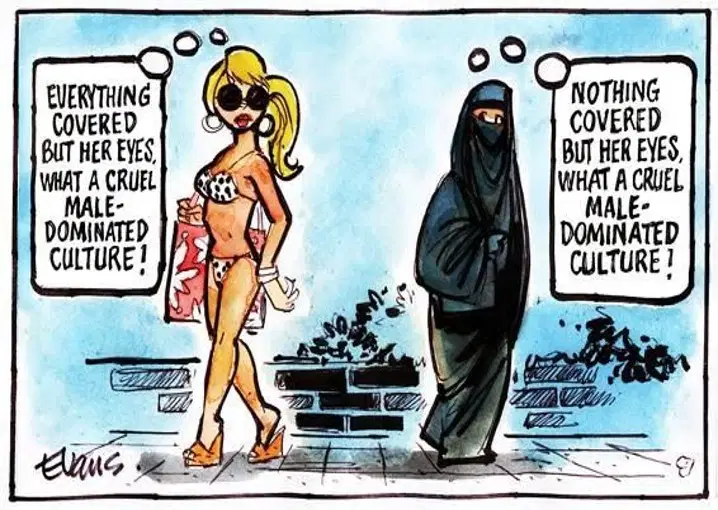
Ethnocentrism
Cultural Relativism
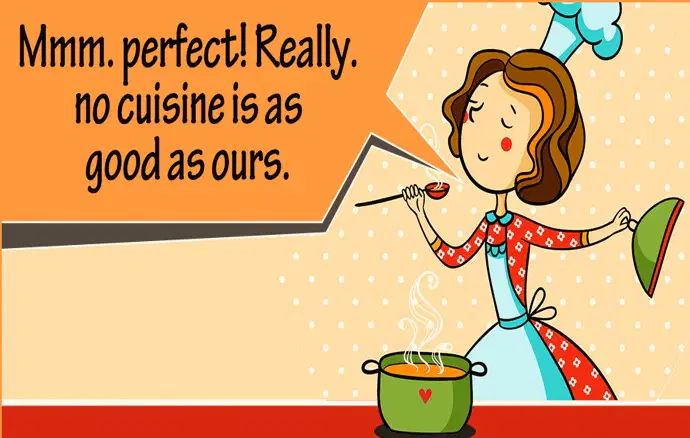
Ethnocentrism
Cultural Relativism
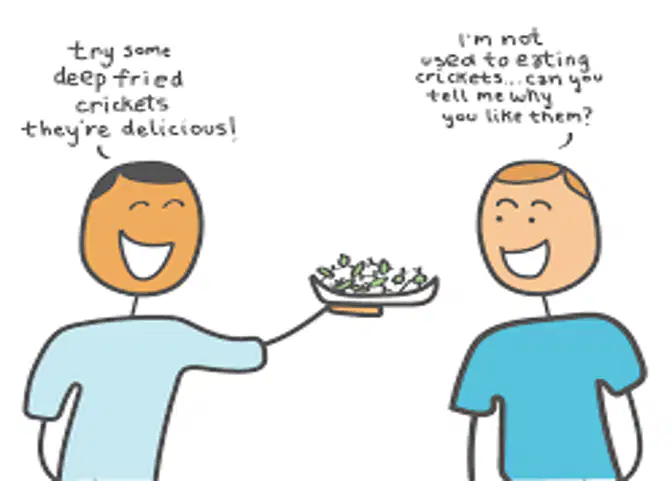
Ethnocentrism
Cultural Relativism
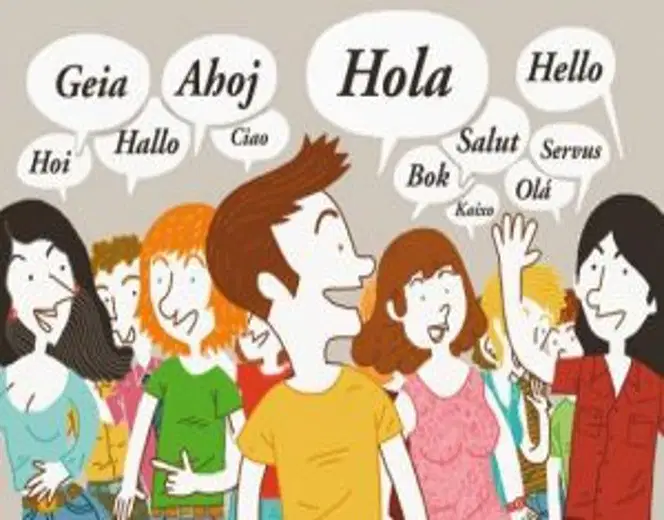
Ethnocentrism
Cultural Relativism
A Filipino student notices that a French classmate’s parents allow children to make independent decisions at a young age. The student reflects, “Parenting styles vary across cultures, and this works for them.”
If the Filipino student were practicing ethnocentrism instead of cultural relativism, which of the following statements would they most likely say?
French children are lucky to make independent decisions early.
“All children should follow our Filipino parenting style;"
“It’s interesting how parenting varies across cultures.”
“I want to learn more about French parenting practices.”
A Filipino student notices that a French classmate’s parents allow children to make independent decisions at a young age. The student reflects, “Parenting styles vary across cultures, and this works for them.”
If the Filipino student were practicing ethnocentrism instead of cultural relativism, which of the following statements would they most likely say?
French children are lucky to make independent decisions early.
“All children should follow our Filipino parenting style;"
“It’s interesting how parenting varies across cultures.”
“I want to learn more about French parenting practices.”
Juan moves from Manila to Mindanao and notices that his Muslim classmates pray five times a day and follow halal dietary restrictions. He realizes people in different regions practice religion and daily life differently.
What concept is illustrated by Juan noticing differences in religious practices and daily life?
Ethnocentrism
Cultural Variation
High Culture
Counterculture
Cultural relativism encourages judging other cultures based on your own cultural standards.
TRUE
FALSE
A person practicing cultural relativism would try to understand why certain cultural practices exist before forming a judgment.
TRUE
FALSE

