
 Worksheets
BIOL 1406 - Lecture Quiz 2 – Carbon Chemistry
Total questions: 15
Worksheet time: 8mins
The element present in all organic molecules is _______.
nitrogen
carbon
hydrogen
oxygen
Which of the following characteristics of an atom determines the number and kind of bonds it can form?
the number of electrons in its valence shell
the number of particles in its nucleus
its atomic mass
its atomic number
A carbon atom is most likely to form what kind of bond(s) with other atoms?
covalent
ionic
hydrogen
carbon is an inert element
Which of the following functional groups gives amino acids their acidic character?
carboxyl
phosphate
amino
carbonyl
Testosterone and estradiol are male and female sex hormones, respectively, in many vertebrates. In which of the following ways do these molecules differ from each other?
They are enantiomers of the same organic molecule.
They are structural isomers but have the same molecular formula.
They have different functional groups attached to the same carbon skeleton.
They are cis-trans isomers but have the same molecular formula.
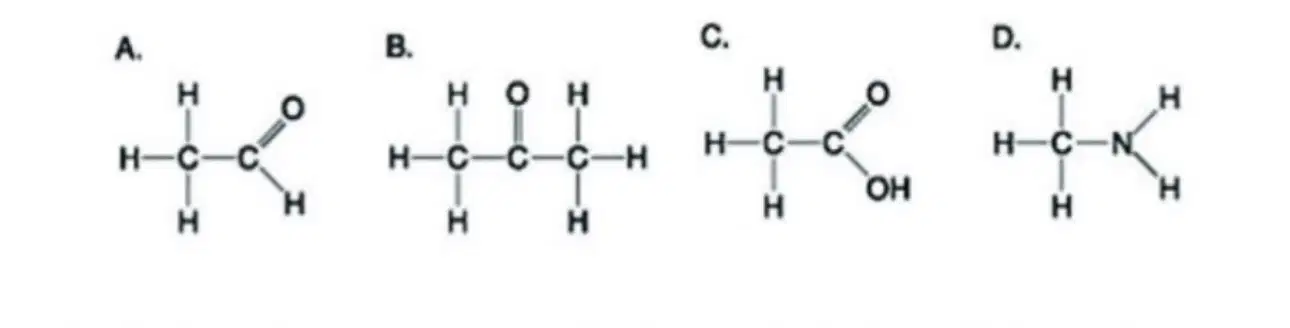
Which molecule shown has a carbonyl functional group in the form of a ketone?
A.
B.
C.
D.
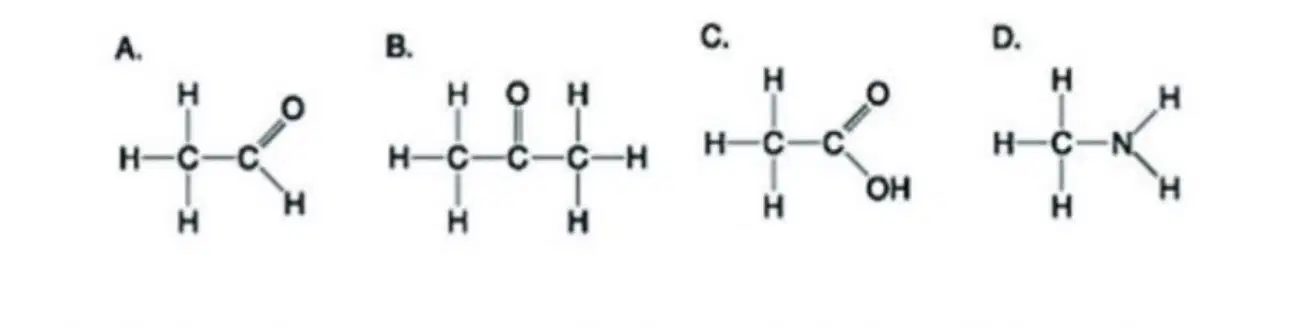
Which molecules shown above contains a carboxylic acid?
A.
B.
C.
D.
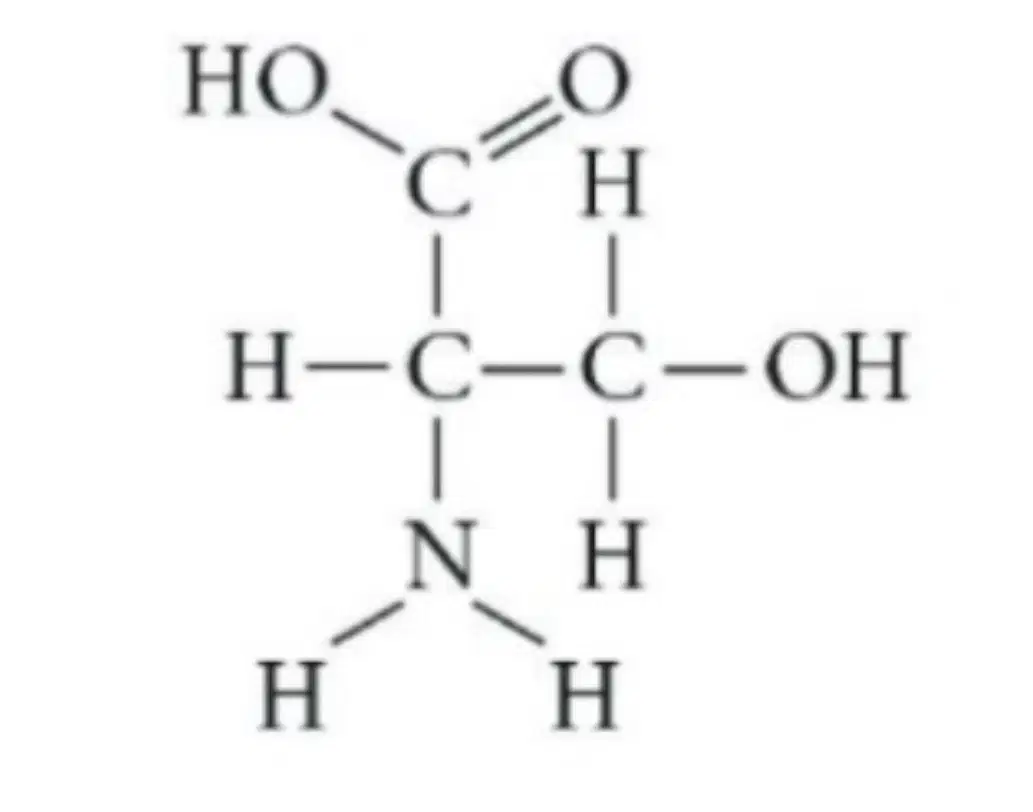
Which functional group is present in this molecule?
sulfhydryl
methyl
carboxyl
phosphate
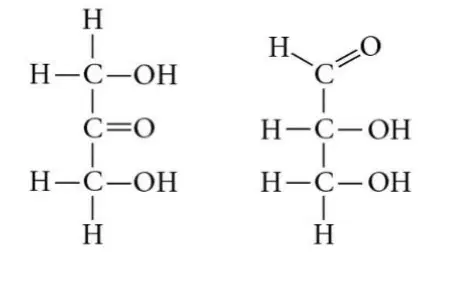
Choose the term that correctly describes the relationship between these two sugar molecules.
isotopes
structural isomers
enantiomers
cis-trans isomers
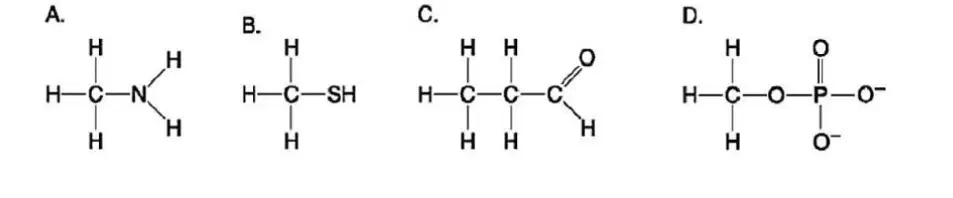
Which molecules shown in figure 3.6 contains an amine functional group?
A
B
C
D
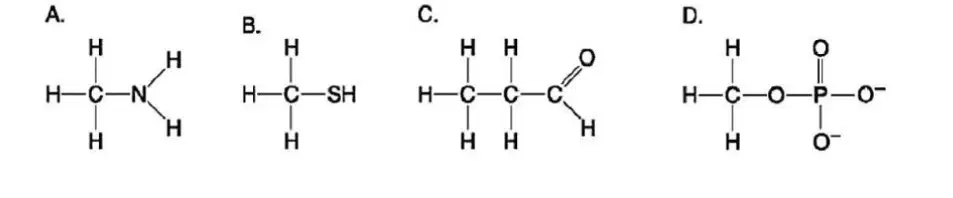
Which molecule shown in Figure 3.6 contains a functional group that cells use to transfer energy between organic molecules?
A
B
C
D
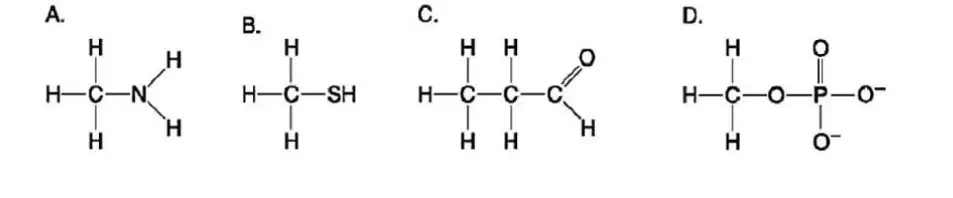
Which molecule shown in Figure 3.6 can form a covalent bond between sides chains (R groups) in a polypeptide and make your curly hair?
A
B
C
D

Which of the following statements regarding the molecule illustrated in Figure 3.8 is true?
Molecules of this type are usually liquid at room temperature.
It is an entirely nonpolar molecule.
It is a saturated fatty acid.
It would be highly soluble in water.
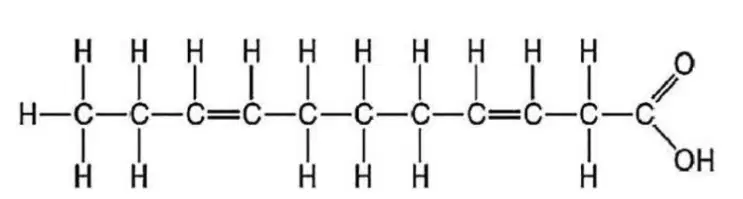
Which of the following statements regarding the molecule illustrated in Figure 3.9 is true?
It is an entirely nonpolar molecule.
It is highly soluble in water.
Molecules of this type are usually liquid at room temperature.
It is a saturated fatty acid.
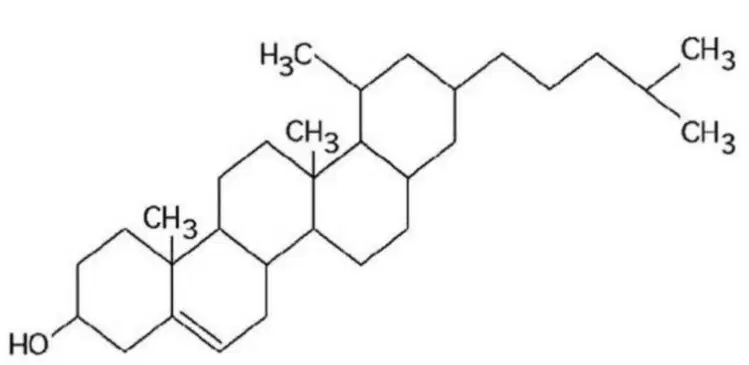
What is the structure shown in Figure 3.10?
steroid molecule
phospholipid molecule
fatty acid molecule
triacy glycerol molecule

