
NEW
Font size
 Worksheets
DCP #2 Review Monday
Total questions: 35
Worksheet time: 18mins
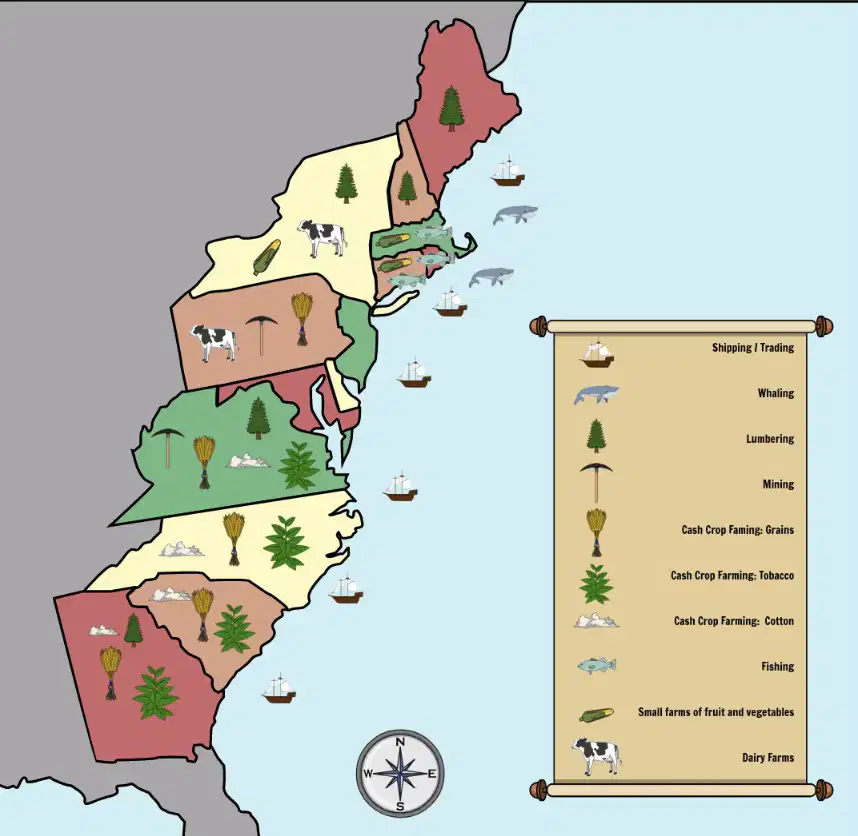
Which colonial region relied most on cash crops like tobacco and indigo?
New England
Middle Colonies
Southern Colonies
Midwestern Territories

Which event is an example of civil disobedience against British taxation?
Signing the Declaration of Independence
Boston Tea Party
Battle of Yorktown
Writing the Federalist Papers
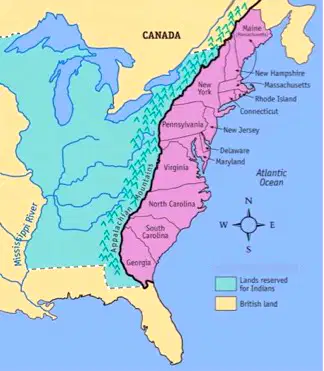
Why did the Appalachian Mountains limit colonial settlement in the 1760s?
Colonists lacked farming skills
Britain restricted settlement west of the mountains
Colonists preferred coastal trade
Native alliances blocked expansion

Which trade system connected the Colonies, Africa, and the West Indies?
Columbian Exchange
Triangular Trade
Silk Road
Great Compromise
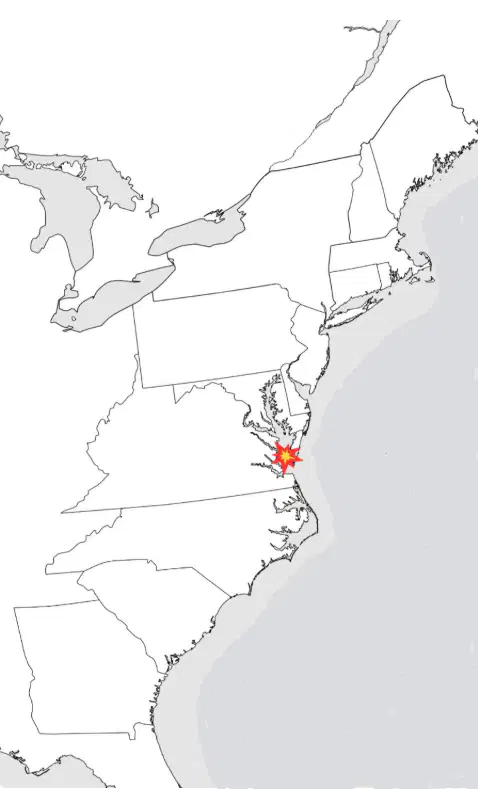
Which battle marked the end of the American Revolution?
Lexington and Concord
Saratoga
Yorktown
Bunker Hill
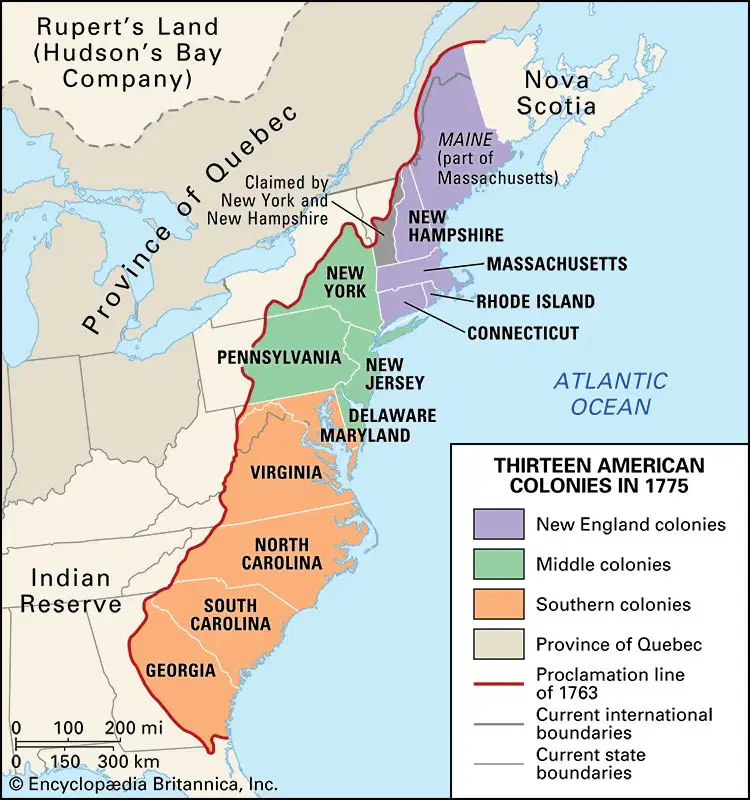
Which group settled Pennsylvania in the 1600s?
Puritans
Quakers
Catholics
Pilgrims

Which colonial institution is an early example of self‑government and representative democracy?
King’s royal governors
The Virginia House of Burgesses
British Parliament
Colonial militias
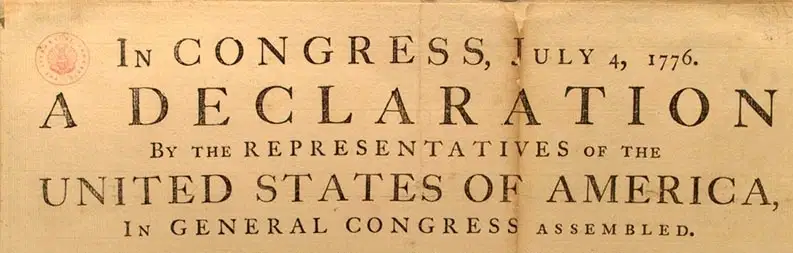
What was the main impact of the Declaration of Independence in 1776?
It created the U.S. Constitution
It declared separation from Great Britain
It ended the Revolutionary War
It established the Bill of Rights
How did the Fundamental Orders of Connecticut influence the development of government in the colonies?
It created the office of President
It established judicial review
It ended British rule in the colonies
It served as the first written constitution in America
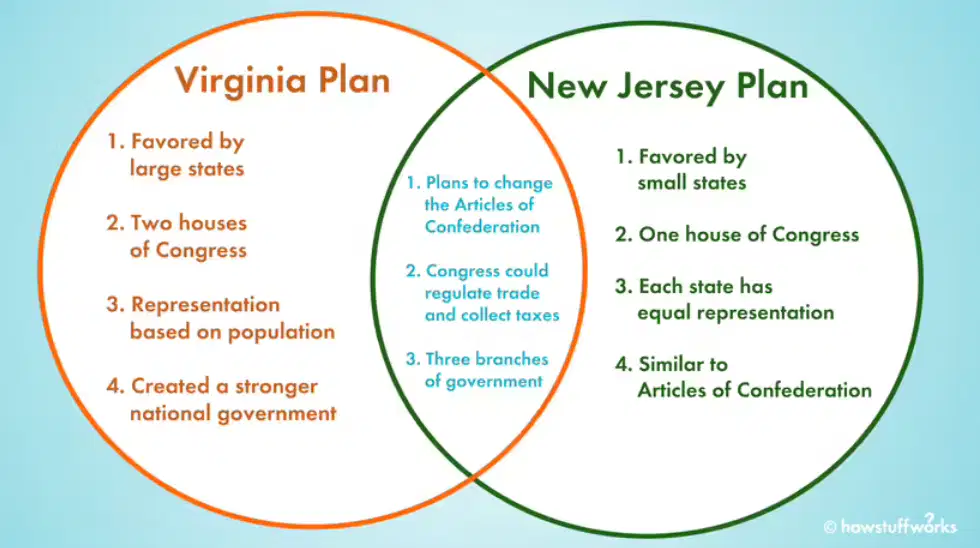
Why was the Great Compromise necessary at the Constitutional Convention of 1787?
Large and small states disagreed over how enslaved people would be counted
Delegates needed a way to balance the interests of large and small states in Congress
States wanted Congress to have the power to tax imported goods
Delegates argued over whether to keep the Articles of Confederation
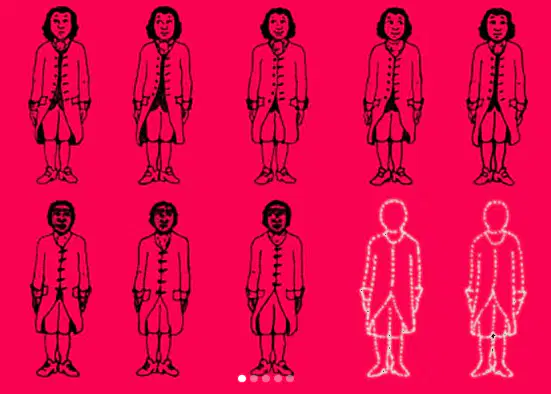
What was the main issue addressed by the Three-Fifths Compromise?
How to divide western lands into new states
Whether enslaved people would count toward state representation and taxation
How the president would be elected
Whether Congress could regulate interstate trade
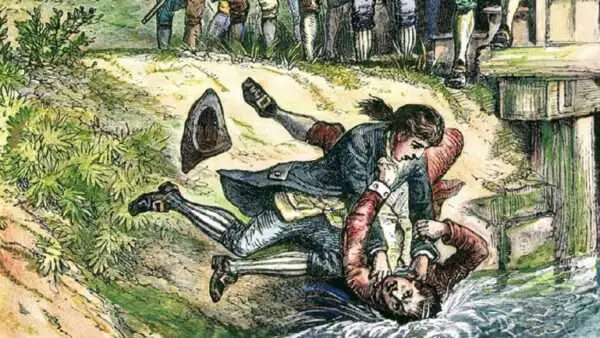
What conclusion can be drawn from the government’s inability to stop Shays’ Rebellion under the Articles of Confederation?
The Articles created too strong of a national army
The states needed to return to British control
The national government was too weak to maintain order
The rebellion proved that a monarchy was necessary
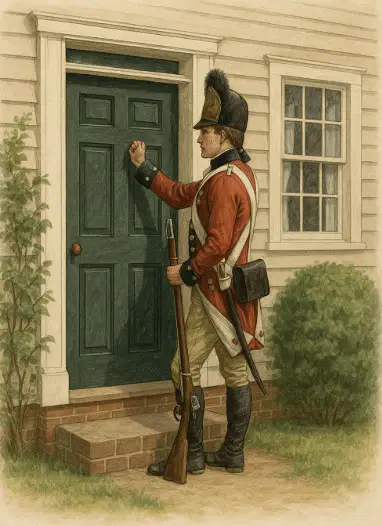
Which amendment prevents soldiers from being housed in private homes?
1st Amendment
3rd Amendment
5th Amendment
10th Amendment
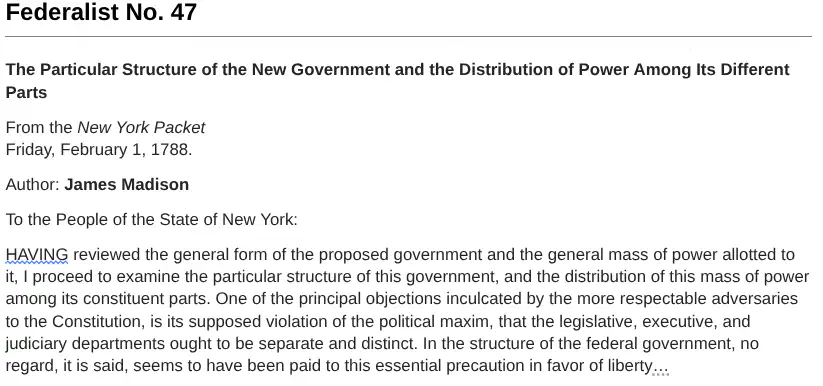
During debates over the ratification of the Constitution, Federalist James Madison used Federalist Papers No. 47 to argue that liberty is safest when government power is divided among different branches. Which constitutional principle was he defending?
Judicial review
Separation of powers
Popular sovereignty
Checks and balances
Which case established judicial review?
McCulloch v. Maryland
Marbury v. Madison
Gibbons v. Ogden
Plessy v. Ferguson
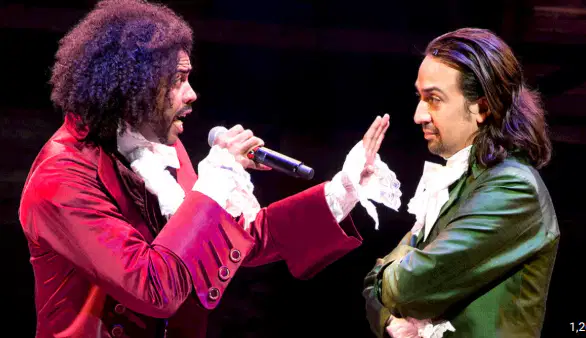
What was one effect of Alexander Hamilton’s financial plan to stabilize the U.S. economy?
The national government became weaker than the states
The federal government established a national bank to manage money
The United States ended all foreign trade
The Supreme Court gained the power of judicial review
Which statement best explains a major domestic problem faced by leaders of the new republic during the national security crisis of 1798?
The U.S. feared the French were influencing American politics, leading Congress to pass the Alien and Sedition Acts.
The U.S. government ordered states to remove citizens who refused to pay federal taxes, causing widespread protests.
Congress passed laws that violated The First Amendment by limiting free speech about the government.
All of the above describe challenges related to maintaining national security during the early republic.
Which development in the early republic most contributed to the split between Alexander Hamilton’s Federalists and Thomas Jefferson’s Democratic-Republicans?
Congress expanded voting rights to all white males
The creation of a national bank to stabilize the U.S. economy
The decision to move the capital to Washington, D.C.
The establishment of the first federal court system
How did Washington’s Proclamation of Neutrality relate to the later causes of the War of 1812?
It encouraged the United States to form a long-term military alliance with France
It warned American merchants to stop all foreign trade with Europe
It showed the United States wanted to avoid taking sides, but both Britain and France later ignored U.S. neutral trade rights
It required the United States to support Britain in future conflicts
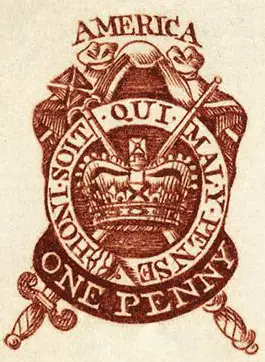
Which statement explains why the Stamp Act increased colonial opposition to British rule?
It forced colonists to house British soldiers in their homes
It placed a tax on all paper goods without colonial representation
It prevented colonists from moving west of the Appalachian Mountains
It banned colonial trade with all foreign nations
How did the Sugar Act contribute to growing tensions between Britain and the colonies?
It encouraged colonists to buy only British-made goods
It increased taxes on sugar and molasses, hurting colonial merchants
It required colonists to pay a fine for protesting British laws
It gave Parliament the right to choose colonial governors
Why did colonists oppose the Townshend Acts of 1767?
They believed the taxes on imported goods were another example of taxation without representation
The acts allowed Britain to take away all colonial weapons
The acts required colonists to join the British military
The acts replaced colonial assemblies with royal governors
What was one major colonial reaction to the Intolerable Acts?
Colonists offered to repay all taxes to avoid conflict
Colonists united to support Boston and formed the First Continental Congress
Colonists asked Britain to create a stronger royal governor
Colonists agreed that Britain had the right to punish Massachusetts
Which combination of British actions most directly pushed colonists toward independence?
Sugar Act and Tea Act for improving colonial trade
Stamp Act and Intolerable Acts for limiting colonial rights and taxing without representation
Townshend Acts and Navigation Acts to defend colonists from Native attacks
Quartering Act and Proclamation of 1763 to create new colonies in the West

A historian studying colonial economies finds that one region relied on enslaved labor and large farms that produced goods mainly for export. Which region is being described?
New England
Middle Colonies
Southern Colonies
Backcountry settlements

Which action best fits the definition of Civil Disobedience - resisting a law to protest government policy without trying to overthrow the government?
Declaring independence from Britain
Dumping taxed tea into Boston Harbor
Fighting British soldiers in battle
Forming a new national government
Which system shows how raw materials, manufactured goods, and enslaved labor moved between three regions of the Atlantic world?
Mercantilism
Triangular Trade
Columbian Exchange
Navigation Acts
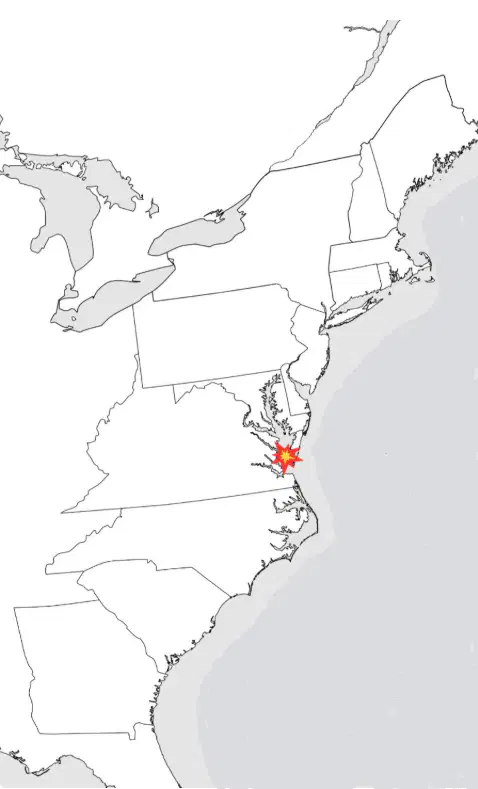
After which event did Britain accept that continuing the war would be too costly?
Saratoga convincing France to help
Bunker Hill proving colonial strength
The surrender of British forces at Yorktown
The signing of the Treaty of Paris
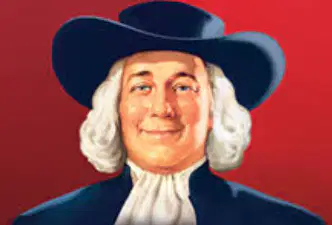
Which group migrated to Pennsylvania seeking freedom from religious persecution rather than economic profit?
Puritans
Catholics
Pilgrims
Quakers
Which document showed that colonists could create their own system of government without direct approval from the king?
Magna Carta
Mayflower Compact
Fundamental Orders of Connecticut
Articles of Confederation
Delegates at the Constitutional Convention disagreed over how states should be represented. How was this disagreement resolved?
By counting enslaved people equally
By creating two chambers of Congress
By giving Congress limited powers
By eliminating state governments
Which weakness of the Articles of Confederation became clear during Shays’ Rebellion?
Congress could not regulate trade
Congress could not enforce laws or raise an army
States lacked courts
The president had too much power
Madison warned that concentrating power in one branch of government threatened liberty. What solution did he support?
Federalism
Judicial review
Dividing power among branches
Popular elections
Why did Federalists support laws limiting speech and immigration in the late 1790s?
They feared Native American resistance
They believed foreign influence threatened national security
They wanted to expand voting rights
They opposed political parties
Colonists argued the Stamp Act violated which political principle?
Rule of law
Consent of the governed
Federalism
Separation of powers

