
 Worksheets
3rd Grade Science Benchmark
Total questions: 100
Worksheet time: 1hrs 5mins
A force is:
Something you watch
A push or pull
A sound you hear
When a ball rolls across the grass, it slows down because:
Friction slows it down
Grass pushes it forward
The ball gets heavier
Two students push a box with equal force in opposite directions. The box will:
Move toward the left
Not move
Spin in circles
When an object speeds up, its motion:
Changes
Does not change
Becomes friction
A student pulls a wagon north, while another pushes south with more force. The wagon moves:
North
South
Not at all
What happens if you push a light ball and a heavy ball with the same force?
The light ball moves farther
Both move the same distance
The heavy ball moves farther

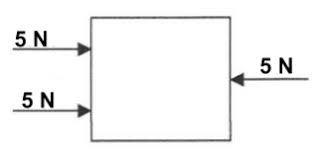
Is the Net Force balanced or Unbalanced?
Balanced
Unbalanced


what is the force acting in the ropes of the swing?
tension
friction
spring force

What will happen when these magnets are brought close together?
They will attract each other.
They will repel each other.

This object has a ___________ charge.
positive
negative
neutral

This object has a _________________ charge.
positive
negative
neutral

This object has a ____________ charge.
positive
negative
neutral
What items will a magnet attract?
Beach ball, glass jar
nails, paper clips
golf ball, glue
What is an electric force?
a buildup of electric charges in an object
an imbalance of negative and positive charges
A push or pull between objects that have an electric charge

These iron filings show __.
the magnetic field around the magnet
the poles are the weakest part of the magnet
what the magnet is made of
What does it mean to attract?
to push away from something
to pull toward something
What does it mean to repel?
to push something away
to attract something
In a ____, electrical charges cannot move easily.
conductor
insulator
attracts
In a ____, electrical charges can move easily.
conductor
insulator
repel
What is speed?
when things go really fast
how fast an object moves over a period of time
how slow something goes
Animals living in groups helps them:
Survive better
Have more homework
Play games
Prairie dogs use alarm calls to:
Warn others of danger
Show who is strongest
Count food
A habitat provides: (check all that are correct)
Food
Water
shelter
If predators increase, prey populations will likely:
Decrease
Increase
Stay the same
A rainforest receives lots of:
Rain
Snow
Sand
An example of competition is:
Two deer eating the same plants
Birds sharing a nest
A cat sleeping
Fossils help scientists learn about:
Ancient organisms
Future animals
Robots
What is mimicry?
Storing up food and sleeping through the cold months
Blending in with an environment
The close resemblance of an animal or plant to another object
The movement of a group in search of warmer weather, food, or better breeding conditions
If a forest burns down, animals may:
Lose their homes
Multiply instantly
Grow larger

A student creates a table to describe the physical characteristic of three environments.
According to the information in the table, which environment would best support populations of frogs, cattails, beavers, and waterfowl?
Tropical rainforest
Desert
Wetland

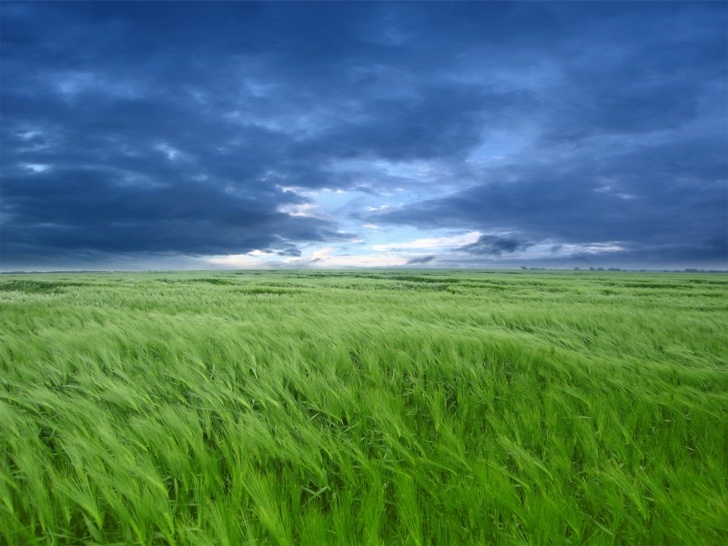
What is the habitat shown in the picture?
desert
mountains
jungle

What is migration?
The movement of a group in search of warmer weather, food, or better breeding conditions
The close resemblance of an animal or plant to another object
Blending in with an environment
Storing up food and sleeping through the cold months

You find a dinosaur footprint in a rock near your house. What is the BEST conclusion you can draw from this footprint about what happened many years ago?
a meteor hit where you live
dinosaurs once lived where you lived
dinosaurs were reptiles
What is a benefit of mimicking a more dangerous predator?
It is the same as camouflage
Other animals will leave it alone
Other animals will protect it
What needs to happen for a bone to become a fossil?
it must be buried
it must rot
it must be crushed
A scientist finds shell fossils in a rock in the desert. What conclusion can the scientist make?
Millions of years ago, the desert was an ocean.
Millions of years ago, the desert was covered by ice.
Millions of years ago, the desert was a rainforest.
Scientists know that dinosaurs actually lived because ____________________________.
people who have seen them told the scientists
they have seen the dinosaurs
they have found fossils of dinosaurs
What is a fossil?
fossils are the preserved remains of plants or animals that lived long ago
fossils are decayed remains of plants or animals
fossils are bugs found in soil
Scientist cannot tell an animal's ____________ when studying fossils.
size
diet
color
A trait that helps an organism survive is an:
Adaptation
Hobby
Accident
Learned behaviors include:
Reading
Breathing
Crying
Puppies look like their parents because of:
Inherited traits
Training
Their food
Which is a variation in a trait?
One tree being shorter than others
All trees being the same height
Trees never growing
A behavior animals are born knowing how to do is:
Instinct
Learning
Teaching
Which is inherited?
Hair color
Favorite food
Sports skills

Traits are passed down from parents to _____________.
inherit
offspring
parent

Pick the offspring


The picture shows an example of a ____ ______
Life
Life Cycle
Larva
Pupa

Which of the four plants might have developed from this young plant?


Plants and animals both have life cycles.
True
False

What does inherit mean?
to take something
to give traits
to have a certain eye color
to receive a characteristic that parents pass on

How is a plant life cycle different from an animal life cycle?
Plants Grow
Plants Talk
Plants Produce Seeds
Plants Move Around
What are differences in offspring with the same parent called?
organism
variation
offspring
inherit
What are the children of animal parents called?
organism
produce young
offspring
inherit
True or False: All life cycles last the same amount of time.
True
False
What are the physical characteristics passed down by parents called?
organism
variation
offspring
traits
What is a living thing called?
organism
produce young
offspring
inherit
What pattern does every organism follow during its life cycle?
birth, produce young, growth, death
birth, growth, produce young, death
birth, growth, death, produce young
birth, death, growth, produce young
Why is it important for plants and animals to produce young?
So their kind can continue to live on Earth.
So we can pet them.
Weather tells us:
Conditions outside right now
Average temperature over years
How oceans move
Climate describes:
A. Long-term weather patterns
B. Today's weather
C. Daily wind
A thermometer measures:
Temperature
Rain
Wind speed
A rain gauge measures:
Rainfall
Wind
Humidity
A meteorologist studies:
Weather
Oceans
Stars
Strong winds and lightning mean a:
Thunderstorm
Heat wave
Blizzard
Climate in Kentucky is best described as:
Temperate
Desert
Tropical
A natural hazard is:
A. A flood
B. A car wreck
C. A sunny day
Planting trees helps:
Reduce erosion
Increase pollution
Cause storms
A drought means:
Too little water
Too much rain
No wind
Building sea walls protects areas from:
Flooding
Tornadoes
What tool is used to measure wind speed?
Anemometer
Thermometer
Barometer
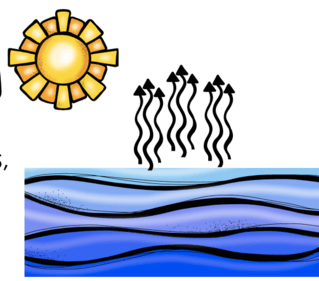
the movement of water from Earth's surface into the air and back again
runoff
water cycle
thunderstorm

water that falls to Earth as rain, sleet, snow, or hail
precipitation
runoff
humidity
the amount of water vapor in the air
atmosphere
humidity
hurricane
the blanket of air that surrounds Earth
atmoshpere
humidity
weather
a large storm that starts over warm ocean waters
tornado
thunderstorm
hurricane
Engineers solve:
Problems
Stories
Movies
The first step of engineering is:
Identifying the problem
Testing
Painting
Engineers improve designs by:
Making adjustments
Never changing anything
Giving up
A model is used to:
Help test ideas
Replace the real thing permanently
Decorate a room
When a design fails, engineers should:
Try again with improvements
Quit
Engineers test different materials to find the strongest. This is an example of:
Using evidence to make decisions
Guessing
Avoiding improvements
Why do engineers make a prototype?
For fun because they like it
To test and improve a design
To teach about a topic
True or False: The scientific Method and Engineering Process Method are the same.
True
False
A set of steps engineers follow to complete the design of an object or idea is called the
The Scientific Method
The Engineering Design Process
What is the second step in the Engineering Design process?
Draw a diagram
Imagine/Brainstorm ideas
Test it Out!
What's the fifth step in the Engineering Design process?
Discuss what can work better and improve your design
Gather your needed materials
Follow the plan and test it out

