
 Worksheets
Jr. Beta Social Studies
Total questions: 145
Worksheet time: 1hrs 15mins
The four main directions are called _________________.
geography
cardinal directions
compass rose

Label this compass rose with the cardinal direction it is missing.
north
south
east
west

Label this compass rose with the cardinal direction it is missing.
north
south
east
west

Label this compass rose with the cardinal direction it is missing.
north
south
east
west

Label this compass rose with the cardinal direction it is missing.
north
east
south
west
One of the 7 land masses on the Earth is
A continent
A country
A province
A state


If you were in the middle of Africa and you traveled north, what continent would you land on?
Asia
North America
Antarctica
Europe
The Great Pyramid of Giza can be found in which continent?
Africa
Asia
Australia
Europe
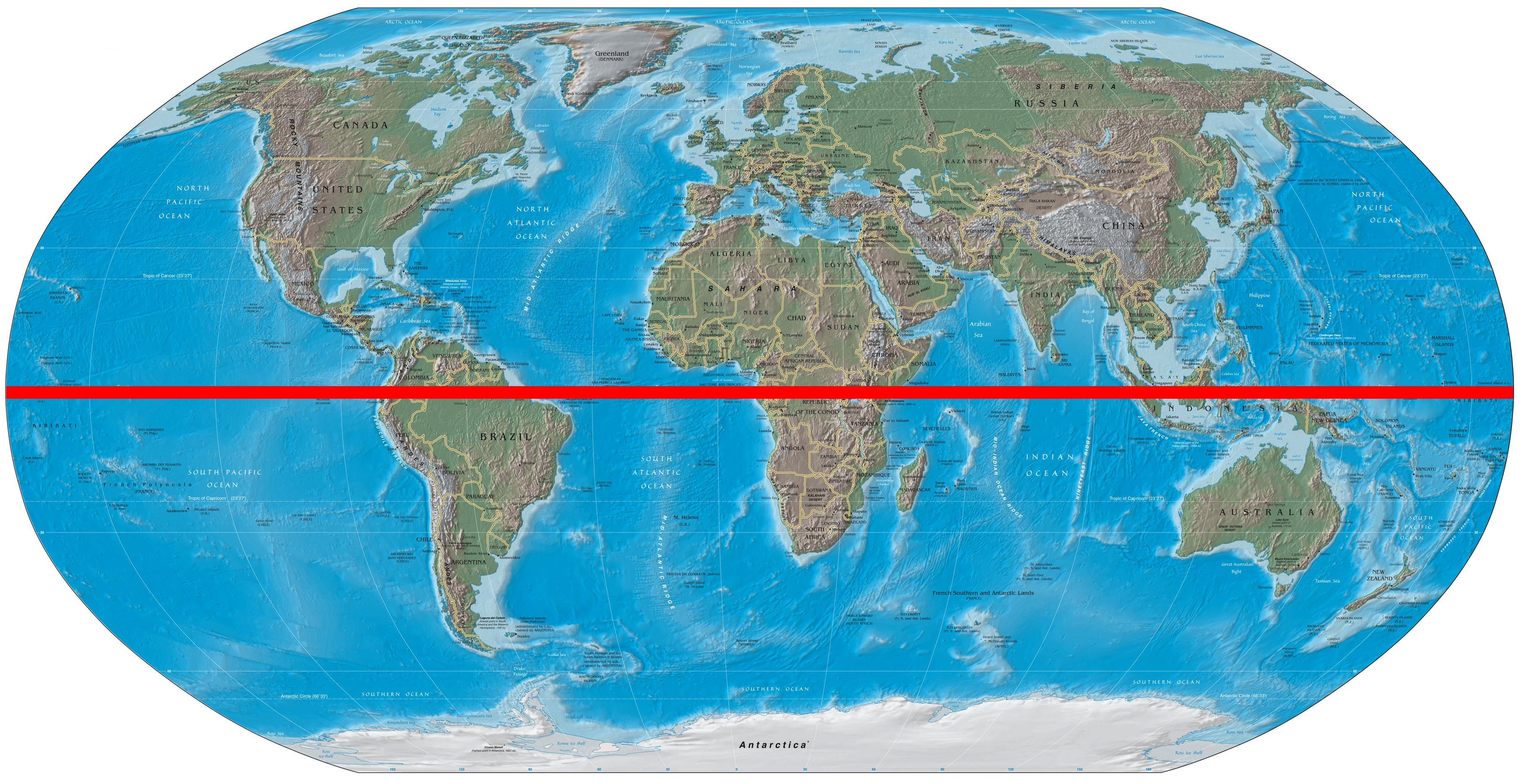

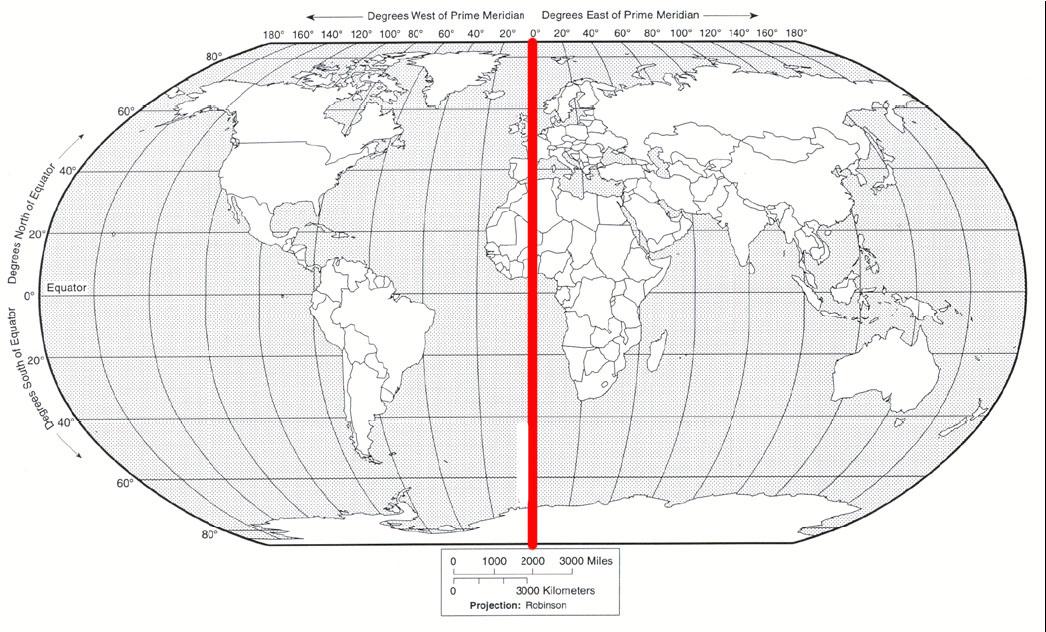
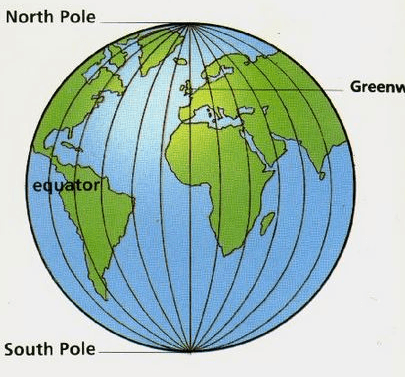
What is an imaginary line drawn from the North Pole through Greenwich, England to the South Pole?
longitude
latitude
equator
prime meridian
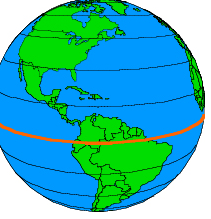
The equator is a line of:
longitude
latitude


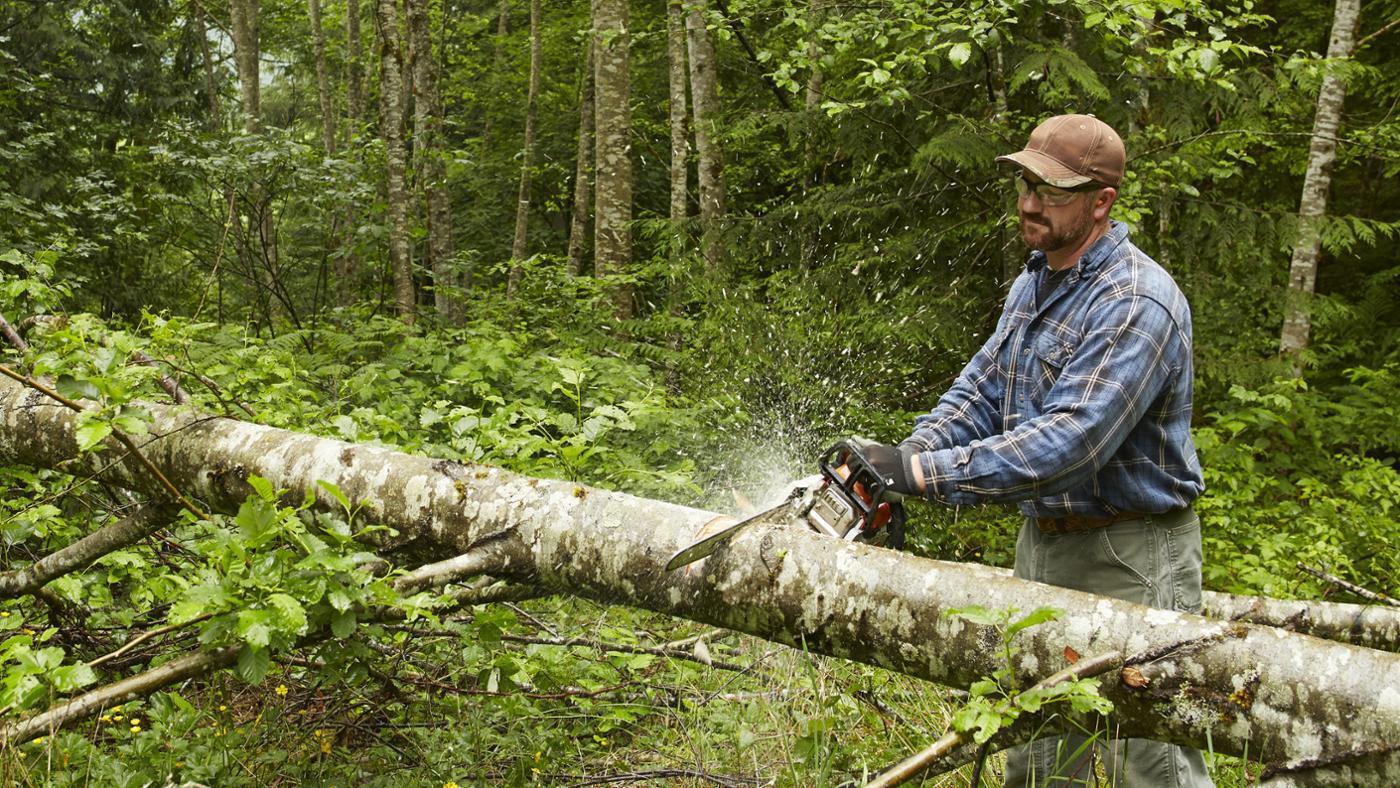
Which of the following is not a way in which humans have interacted with their environment?
Building irrigation systems
Using natural resources
Building dams in rivers
Reading books

Which continent includes the United States?
Africa
Asia
Europe
North America
South America
Do you live north or south of the equator?
north
south
What state do you live in?
Delaware
Philadelphia
Holmesburg
Pennsylvania
Which of the following countries was NOT a member of the Central Powers?
Austria-Hungary
Germany
Bulgaria
Russia
The machine gun changed the way the battles were fought because
of its ability to kill on a large scale.
it was used only on airplanes.
Which of the following correctly describes the assassination of Archduke Franz Ferdinand?
He was assassinated by terrorists from Russia
The assassination brought an end to European alliances
His death was the spark that started World War I
After the assassination, Germany gave Austria-Hungary an ultimatum
Which of the following was NOT one the MAIN cause of WWI?
Militarism
Alliances
Conscription
Imperialism
Why was the German government opposed to the terms of the Treaty of Versailles after WWI?
Nazi officers had to stand trial for war crimes.
Germany was forced to pay reparations, and there were other unfair consequences dealt to them.
The Allies were placed in control of the German government.
The League of Nations would become an international peace-keeping force.
The unsuccessful international association formed after World War I to maintain peace was called
United Nations
Triple Alliance
League of Nations
Reparations in the Treaty of Versailles at the end of WWI caused
German resentment toward Allied powers.
German hatred of the Spanish.
increased economic production.
stability in Europe.
All of the following describe the fighting of World War I EXCEPT:
Soldiers fought using trench warfare
New weapons like machine guns and air planes were introduced
The Ottoman Empire was the major fighting force of the Central Powers
Which of the following was NOT a new weapon introduced in World War I?
Aircraft carriers
Tanks
Submarines
flamethrowers
Which of the following accurately describe Russia during World War I?
Russia had the strongest military among the Allied Powers
Russia had difficulty producing weapons and food during the war and pulled out of the war.
No Allied nation was more important in defeating the Central Powers than Russia
The Russian military was weak, but their submarines were a major force in the war
All of the following were reasons that the USA entered World War I EXCEPT:
Sinking of the Lusitania
German unrestricted submarine warfare
Discovery of the Zimmerman Telegram
Membership in the Triple Entente
The Treaty of Versailles contributed to the economic collapse of Germany after WWI by...
Requiring that Germany spend money on its military
Placing a quota (limit) on goods exported from Germany
Forcing Germany to more strictly control its overseas colonies
Requiring that Germany pay high war reparations
What were the "Fourteen Points"?
Woodrow Wilson's proposals for peace following World War I
Great Britain and France's demands for peace from Germany
Conditions imposed upon Germany at the end of the war
Reasons officially presented to President Wilson by the US Senate explaining why that body has refused to approve US membership in the League of Nations
Why did US senators resist joining the League of Nations?
They were concerned they would have to renegotiate trade deals.
They feared US military leaders could be prosecuted for war crimes.
They feared that the United States would be drawn into costly foreign wars.
They were concerned that League members would have to lower trade barriers.
Which of the following was NOT a cause of the Russian Revolution?
Unpopularity of Czar Nicholas II
Destruction of Russia during World War I
The popularity of Adam Smith’s capitalism
Popularity of the Bolsheviks
What was the purpose of Stalin's Five-Year Plan?
Foreign policy
Political reform
Social restructuring
Economic development
What was the goal of Stalin's "collectivization?"
Improve industry & farming in the Soviet Union
Spread communism throughout Europe
Give more power to Russian citizens
Lose respect of citizens
One similarity between Italian Fascism and German Nazism in the 1930s was that both…
Use a democratic form of government to make major decisions
Allow the government to control industry and agriculture in order to make all citizens equal
Were led by dictators who use nationalism and terror to maintain control over citizens
They are Communist governments that attacked neighboring countries to increase their empires
One similarity between Adolf Hitler and Benito Mussolini is that both…
Supported communism
Led fascist governments
Rejected militarism
Remained in power after WWII
In an effort to expand the power of Italy, Mussolini ordered the invasion of
Ethiopia
Liberia
Poland
Czechoslovakia
Which is true of the Japanese invasion of China and attack of the city of Nanjing in 1937?
The Japanese committed atrocities (horrible things) against the Chinese soldiers and citizens, especially women.
The League of Nations ordered a strict embargo of oil and iron against Japan
The Chinese military was able to defeat Japan and stop Japanese aggression in Asia.
The Japanese demonstrated the first use of blitzkrieg tactics.
The Japanese invasion of Manchuria in 1931 and Hitler’s rebuilding of the German military in 1935 demonstrate the…
Support for the Treaty of Versailles
Success of defensive alliances
Failures of the Treaty of Versailles
Fear of communist expansion
The term appeasement is best defined as…
A declaration of war between two or more nations
an agreement removing economic barriers between nations
An attempt to avoid conflict by meeting the demands of an aggressor.
A period of peace and prosperity, resulting in cultural achievement.
All of the following joined the Axis Powers in WWII EXCEPT
Germany
Japan
Italy
The Soviet Union
Which event sparked the beginning of WWII in Europe?
The German invasion of France in 1940.
The Japanese attack on Pearl Harbor in 1941.
The Nazi-Soviet Nonaggression Pact.
The German invasion of Poland in 1939.
The Nuremburg Laws of 1935 and Kristallnacht in 1938 are similar because they both…
Were used by Benito Mussolini to come to power in Italy.
Showed appeasement policies of the League of Nations.
Targeted and took away the rights of German Jews.
Converted German factories to total war, rationed supplies, and drafted soldiers
During WWII, the Germans relied on “blitzkrieg” which was
A secret program designed to develop an atomic bomb for Germany
A military tactic that used the air force and tanks to quickly conquer territories.
A desire to gain more living space for Aryan Germans
Racial genocide targeted toward European Jews and non-Aryans
During WWII, the Allied invasion of France on D-Day (Operation Overlord) in 1944 was significant because it
Demonstrated the power of the atomic bomb
Forced Germans to fight a two-front war
Led to the immediate surrender of German and Italian forces
Resulted in a successful German revolt against Hitler and the Nazi Party
Which is true about the Holocaust?
It was part of Hitler’s “Final Solution”
It was inspired by the Nazi ideology found in Mein Kampf
Besides genocide it also involved taking away the rights of European Jews
All of the above.
Shortly after entering WWII, the United States began the Manhattan Project to
Recruit men for the military services
Defend New York City against a nuclear attack
Work on the development of an atomic bomb
Increase economic production to meet wartime demands
Which of the following WAS a reason President Truman decided to use the atomic bomb in Hiroshima and Nagasaki?
Truman wanted to end the war as quickly as possible
Truman felt that it would save thousands of American soldiers’ lives.
Truman believed the atomic bomb would convince Japan to surrender.
All of the above
Which event brought an end to WWII?
The Japanese surrender after the atomic bombing at Nagasaki
The German surrender after Hitler’s suicide.
The Italian surrender after the execution of Mussolini
The German surrender after the Battle of the Bulge
The United Nations was created primarily to
Prosecute persons accused of war crimes
Provide a way of solving international problems
Channel relief aid to war-torn nations
Contain the spread of communism
Kings in ancient Egypt were called ___________
nobles
scribes
pharaohs
farmers
Who was the first pharaoh to unite upper and lower Egypty?
Seth
Amon Re
Menes
Osiris
A triangular-shaped area of land made from soil deposited by a river.
delta
waterfall
silt
land
rapids to form is known as ________
rivers
technology
cataracts
rainfall
Pharaoh comes from the word meaning
"great job"
"great house"
"great king"
"great country"
What is a series of rulers from the same family?
monarchy
gods
dynasty
rivals
Egyptians had a government system that was ruled by religious authorities
politica
theocracy
laws
system
A huge stone slab inscribed with hieroglyphics
Symbols
Rock
Temple
Rosetta Stone
What is a tall four-sided pillar that is pointed on the top?
obelisk
field
building
river
Who was the most famous pharaoh of the Old Kingdom?
Khufu
Ahmose
Amon Re
Horus
They are binding legal agreements
laws
contracts
homes
slaves
people from rich and powerful families
nobles
farmers
peasants
people
What is life after death?
burial
magic
afterlife
health
they are specially treated bodied wrapped in cloth.
dead bodies
worms
mummies
peasants
people of wealth and power
elite
poor people
scribes
family
what are huge, stone tombs with four triangular-shaped sides that met in a point on top?
pyramids
houses
tombs
buildings
What are paths that followed by traders developed?
pathways
silk road
trade routes
great wall
What ruler worked to increase Egyptian trade?
Queen Hatshepsut
Amon Re
Ahmose
Tehenu
In the 1200's BC, he fought the Hittites
Thebes
Ramses The Great
Idris
Horus
This was the world's first writing system
hieroglyphics
alphabets
papyrus
numbers
Egyptians learned how to make a long lasting paper-like material made from a reed plant called ______
dirt
objects
scrools
papyrus
What are imaginary creatures with the bodies of lions and the heads of animals or humans ?
sphinxes
Egyptians
statues
columns
King Tutankhamen is known as _______
Amon re
Pharaoh
King Tut
Osiris
_______ is a hard gem stone.
jade
rock
ring
stone
an oracle is a _______
collection
idea
prediction
system
He became the most influential teacher in Chinese history.
Confucius
Master Ali
Wu di
emperor
______ are moral values.
harmony
laws
ethics
ideas
The ideas of Confucius is known as ________
Family
Subjects
Values
Confucianism
What word describes the belief that people were bad by nature and needed to be controlled?
beliefs
power
legalism
religion
this measures the strength of an earthquake
movement
seismograph
earth
scroll
what is a soft, light, highly valued fabric that increased Chinese production?
silk
cotton
rags
threads
The most famous trade route in China was known as the _______.
Deserts
Silk Road
Mountains
Great Wall
This a barrier across China's northern frontier that helped to protect them from invaders.
Great Wall
Rivers
Wagons
Lands
When he unified China he gave himself the title Shi Huangdi which means________
"First Emperor"
"First Noble"
"First Farmer"
"First Scholar"
______ was an early type of clock.
sundial
earth
eclipse
signs
The exchange of goods and services in a market
barter
trade route
trade
economics
Culture is
the spread of cultural traits from one culture to anther.
form of government in which citizens have the right to vote and elect officials.
convictions one holds to be true without actual proof or evidence
beliefs, customs, practices, and behaviors of a particular group of people
Which religion is the cultural, social, and religious beliefs and practice of the Jews?
Christianity
Islam
Judaism
Lutheranism
Which best defines the Crusades?
A series of military campaigns to establish Christian control over the Holy Land.
A social structure that has landowners grant people land or other rewards in exchange for labor or military service.
A religious movement that began in the 1500's to reform the Catholic Church
A time where Europeans conquered the Native peoples of the Americas.
This is the convictions one holds to be true without actual proof or evidence.
barter
economics
republic
beliefs
This is relating to the religion, law, or civilization of Islam
Calvinism
Catholicism
Muslim
Judaism
A physical map shows MOSTLY
roads
natural features
political units
population
What is the best description of economics?
the exchange for other goods or services without using money
an establishment of new settlers and their culture in other territories
the study of how people meet their wants and needs
tools and skills people use to meet their needs and wants
This is the faith, system, and practice of the Catholic church.
Catholicism
Christianity
Calvanism
Colonization.
A complex society that has cities, a well-organized government, and workers with specialized jobs.
city-state
civilization
colonization
conflict
Polytheism is...
Worship of Christ
Worship of One God
Worship of Buddha
Worship of Many Gods
What is the gross domestic product (GDP)
the total value of all goods and services produced in a country in a year.
the total value of all goods and services produced in a country in a month.
the total value of all goods and services produced in a country in ten years.
the total value of all goods and services produced in the world in a year.
What is the strict social system in which landowners grant people land or other rewards in exchange for military service or labor called?
Slavery
Reformation
Feudal System
Democracy
What is the best definition of Lutheranism?
The teachings of John Calvin and his followers focusing on religious views.
The religion based on the life and teachings of Jesus Christ.
The cultural, social, and religious beliefs and practices of the Jews.
The branch of protestant Christianity based on the teachings and religious beliefs of Martin Luther.
This form of government is where citizens have the right to vote and elect officials.
republic
dictatorship
oligarchy
democracy
What is the definition of a city-state?
independent country consisting of a city and the surrounding territory.
independent state consisting of a city and the surrounding territory.
independent county consisting of a city and the surrounding territory.
dependent country consisting of a city and the surrounding territory.
A serious disagreement between two or more groups is called a
democracy
latitude
colonization
conflict
This is the distance NORTH or SOUTH of the EQUATOR measured in degrees.
latitude
longitude
meridians
equator
What is the religious movement that began in the 1500's to reform the church called?
Renaissance
Republican
Reformation
Resistence
What is an oligarchy?
a form of government in which citizens hold political power.
a form of government in which a small group of people rule.
a form of government where on person as exclusive rule.
a form of government where citizens have the right to vote and elect officials.
The exchange of goods and/or services without using money is called...
barter
trade
finance
retail
What is the definition of a government?
the study of the human and non-human features of the Earth
the establishment of new settlers and their culture in other territories
the group of people who have the power to make and enforce laws for a country or area.
the tools and skills people use to meet their needs and wants.
Technology is...
the convictions one holds to be true without actual proof or evidence.
the beliefs, customs, practices, and behavior of a particular nation or group of people.
the pathways used to transport goods from areas with surplus to areas where they are needed.
the tools and skills people use to meet their needs and wants.
The spread of cultural traits from one culture to another
colonization
cultural diffusion
culture
Trade
Pathways used to transport goods from areas with surplus to others where they are in short supply is called...
gross domestic product (GDP)
republic
trade
trade routes
What is Calvinism?
the religion based on the teachings and life of Jesus Christ
the religion based the cultural, social, and religious beliefs and practices of the Jews
relating to the religion, law, or civilization of Islam
the teachings of John Calvin and his followers focusing on religious views.
What is the study of the human and non-human features of the Earth.
geography
geology
geometry
george
What kind of map shows the political units, such as countries or states?
Physical Map
Political Map
Topographic Map
Tension Map
The religion based on the life and teachings of Jesus Christ.
Christianity
Islam
Judaism
Shinto
The establishment of new settlers and their culture in other territories is...
civilization
conflict
culture
colonization
What is democracy?
A form of government in which citizens have the right to vote and elect officials.
A form of government in which a small group of people rule
A form of government in which citizens hold political power.
A form of government where kings rule.
This is the distance EAST or WEST of the PRIME MERIDIAN measured in degrees.
latitude
longitude
lineitude
limited

