
 Worksheets
Branding Unit Review
Total questions: 75
Worksheet time: 40mins
Which of these is a Wordmark (Logotype)?
HBO
Nike Swoosh
Ronald McDonald
What is a Lettermark (Monogram Logo)?
A logo made up of letters, usually initials. Used when a company name is long or when they want a simple, professional look.
A logo that uses only symbols or icons, with no text.
A logo that features a mascot or character to represent the brand.
A logo that combines both text and imagery in a single design.
Which brand is an example of an Abstract Mark?
Shell
Nike Swoosh
Burger King
Harley-Davidson
Fill in the blank: A Pictorial mark/Brandmark is _______.
A logo that is a picture or symbol representing the company. It's simple and recognizable on its own.
A logo that only uses the company’s initials in a decorative font.
A logo that is always a combination of text and image.
A logo that is exclusively made up of abstract shapes.
Fill in the blank: _______ is the color of energy, passion, love, excitement, urgency, and danger.
Red
Pink
Green
Gold
Tony the Tiger is an example of what type of logo?
Mascots
Wordmarks
Abstract Marks
Emblems
1. The best logo type for new businesses is:
Wordmark logo
Emblem logo
Abstract logo
Mascot logo
The color _______ is linked to enthusiasm, warmth, friendliness, creativity, and joy.
Orange
Red
Black
Blue
Fill in the blank: _______ is a color linked to playfulness, femininity, and sweetness.
Pink
Yellow
Green
Silver
Fanta, Nickelodeon, and Home Depot use the color _______.
Orange
Blue
Green
Purple
Which color is linked to Facebook, IBM, Samsung, and Walmart?
Blue
Green
Yellow
Purple
Barbie, T-Mobile, and Dunkin' use the color _______.
Pink
Blue
Green
Orange
Which color represents luxury, wealth, and power?
Gold
Silver
Black
Purple
Which color represents nature, growth, health, and freshness?
A) Blue
B) Green
C) Yellow
D) Black
Fill in the blank: ______ is a color linked to modernity, sophistication, and technology.
Silver
Green
Brown
Orange
Fill in the blank: A font type is _________. An example of a brand that uses a font type is ________.
a style of text used in design; Coca-Cola uses a script font
a color scheme for websites; Nike uses a bold font
a type of image used in branding; Apple uses a serif font
a layout format for magazines; Google uses a handwritten font
Fill in the blank: Fonts with small lines or 'feet' at the ends of letters are called ______. They look traditional and are best read on paper. What is this font type?
Serif
Sans-serif
Script
Display
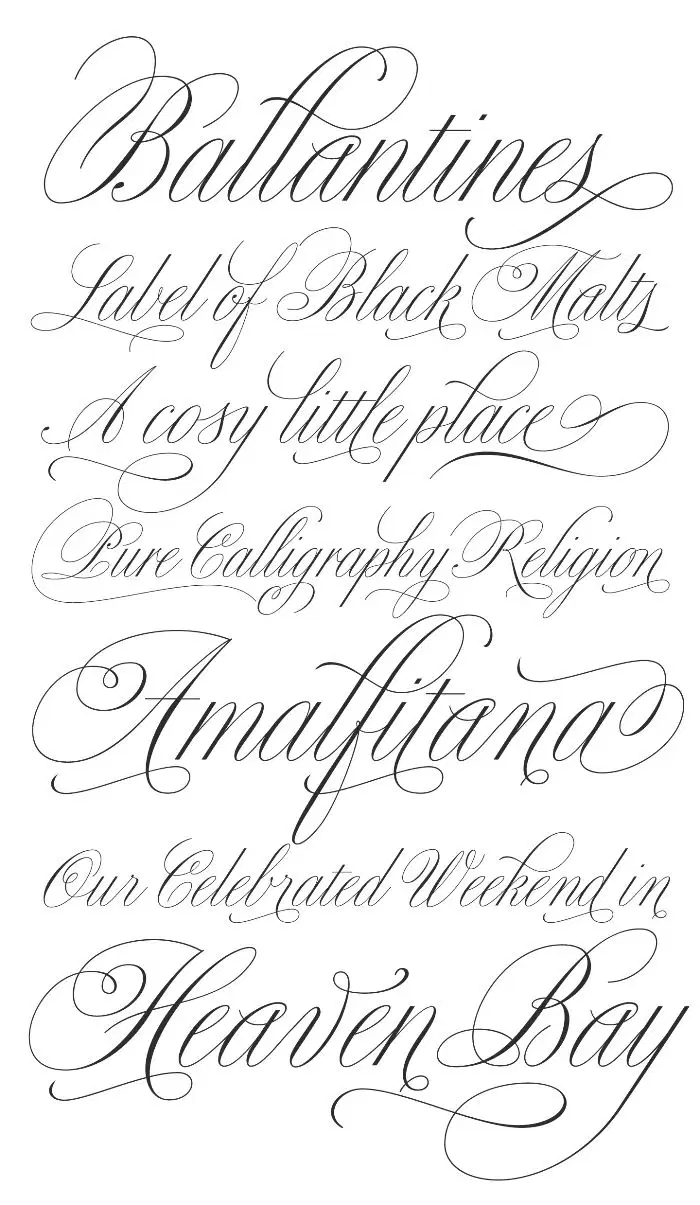
What is this font style called?
Script
Serif
Sans-serif
Arial
Fill in the blank: Fonts without small lines at the ends of letters are clean and modern. What is this font type called?
Sans Serif
Serif
Monospace
Script
Fill in the blank: Fonts that are bold and decorative, used for headlines and special purposes, not body text. What is this font type called?
Display
Serif
Script
Monospace
What message does a serif font usually convey?
Tradition and reliability.
Modernity and innovation.
Informality and playfulness.
Urgency and excitement.
What message does a script font usually convey?
Formality and elegance
Technical precision
Casualness and informality
Modern minimalism
Why is it important to choose a font that matches your brand's personality?
It helps show your brand's identity.
It makes your website faster.
It guarantees more sales.
It means you use popular fonts.
What is branding?
Branding is a combination of elements (name, design, image, etc.) that identifies and differentiates a business, product, or service.
Branding is selling products at a lower price than competitors.
Branding is advertising a product only on social media.
Branding is copying competitors' designs to attract customers.
Which of the following is NOT a benefit of branding?
Helps consumers recognize and relate to products and companies
Builds an emotional connection with consumers
Guarantees the lowest price
Differentiates a business from competitors
Consistent branding helps build ________ in a business and its products.
Trust & Credibility
Confusion & Doubt
Uncertainty & Skepticism
Disinterest & Apathy
Which is an example of emotional connection in branding?
People connect with brands that reflect their values
Brands offer discounts
Brands have colorful logos
Brands advertise on TV
Brand loyalty means consistent ________ by consumers.
repurchasing
complaining
switching
ignoring
Loyal customers spend ________ and recommend the brand to others.
more
less
rarely
never
Brand perception is how consumers ________ the brand.
view
purchase
ignore
design
What affects brand perception?
Social proof
Company behavior
Customer service experience
All of the above
Customers trust brands for ________ purchases.
routine
expensive
rare
impulsive
Packaging and logos can trigger ________ decisions.
emotional
logical
financial
technical
Consumers choose brands that match their ________ and values.
identity
budget
location
age
A corporate brand represents the entire ________ and its reputation, often including many products or services. (Fill in the blank)
company
department
employee
product
Which of these is a Product Brand?
Kirkland
Tide
Oprah
Great Value
A brand focused on a single product or product line is called a _________.
Product Brand
Umbrella Brand
Corporate Brand
Service Brand
Which is NOT a feature of Private Label Brands?
Owned and sold only by a retailer
Priced to compete with big brands
Very effective in influencer marketing
Offers trusted, lower-cost choices
A brand based on an individual's name and image is called a _________
Personal Brand
Corporate Brand
Product Brand
Service Brand
Which brand type is common in influencer marketing and entrepreneurship?
Product Brands
Private Label Brands
Personal Brands
Store Brands
Brand identity includes things like logo, design, and voice.
True
False
Brand image is what consumers think about a brand, like trust and reliability.
True
False
Which part of brand identity helps people quickly recognize the brand?
Logo
Color Scheme
Typography
Graphics and Icons
Fill in the blank: The set of colors used in all brand materials is called the _______.
Color Scheme
Font Style
Logo Design
Tagline
Which brand identity element shows personality and keeps text clear and consistent?
Logo
Typography
Graphics and Icons
Color Scheme
Fill in the blank: A brand's packaging design shows quality, value, and brand ______.
positioning
color
size
price
Fill in the blank: Visual branding creates instant brand ______.
recognition
profit
confusion
loss
Fill in the blank: Visual branding creates ______ across platforms.
consistency
confusion
randomness
disparity
Fill in the blank: Feelings like joy, trust, or excitement linked to a brand are part of ______ branding.
emotional
visual
functional
rational
Which type of branding focuses on the practical value and performance of a product or service?
Social Branding
Functional Branding
Product Placement
Endorsement
Which branding strategy is essential for reputation and word of mouth?
Functional Branding
Visual Branding
Emotional Branding
Product Branding
People use brands to ______ themselves in Social Branding.
express
hide
ignore
separate
Which branding strategy builds awareness through storytelling?
Product Placement
Logo Design
Sponsorship Deals
Pricing Strategy
Which branding strategy shows brand values and community involvement?
Sponsorship
Price Skimming
Product Bundling
Cost Leadership
Endorsement is especially effective with ______ consumers.
younger
older
wealthy
rural
What is the topmost element of the Brand Pyramid?
Purpose
Promise
Expression
Personality
Which element is at the base of the Brand Pyramid?
Promise
Purpose
Personality
Positioning
Brand strategy is the ________ plan that defines how a business will present itself to consumers and differentiate from competitors.
long-term
short-term
temporary
random
Brand strategy guides everything from brand messaging to customer experience.
True
False
Fill in the blank: Brand strategy increases brand ________, awareness, and market share.
loyalty
revenue
color
location
What is the extent to which consumers recognize or recall a brand called?
Brand Awareness
Brand Loyalty
Brand Equity
Brand Positioning
What drives customer consideration and preference according to the core elements of brand strategy?
Brand Awareness
Product Pricing
Distribution Channels
Customer Service
The collection of all brand elements (logo, name, colors, etc) that a company creates to portray the right image to customers is known as ________.
Brand Identity
Brand Loyalty
Brand Equity
Brand Awareness
Which element establishes visual and emotional consistency for a brand?
Brand Awareness
Brand Identity
Mission, Vision, and Values
Target Market
What reinforces what the brand stands for?
Brand Identity
Market Share
Product Price
Distribution Channel
An example of mixed brands is:
Michelin manufactures name brand, private distributor and generic tires
Ford makes only ford vehicles
Dunkin Donuts make different flavored donuts
Combining two different companies products is called
Licensing
Co-branding
Co-oping
Which of the following is an example of co-branding?


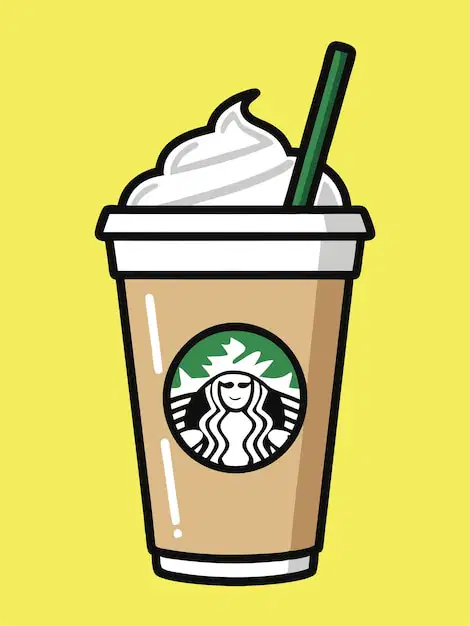
Mrs. Stemple will only buy Starbucks coffee is an example of
Tony the Tiger, the Energizer Bunny, and the GEICO Gecko are examples of
mascots
combination mark

The logo example is what type of logo?
Abstract Logo
Literal Logo
Emblem Logo
Wordmark Logo
Why is understanding the target market crucial in Brand Positioning?
It allows the company to reduce the size of its target market.
It helps tailor the branding message to resonate with the target audience.
It is only important for new companies.
It enables the company to ignore market trends.
How does Brand Loyalty benefit a company?
It reduces the need for advertising.
It allows for higher pricing due to perceived value.
It decreases production costs.
It eliminates competition.
What role does consistency play in Branding?
It ensures that products are always of low quality.
It helps build trust and loyalty among customers.
It increases the cost of marketing.
It decreases brand recognition.

