
 Worksheets
Biochemistry Test Review
Total questions: 60
Worksheet time: 2hrs 0mins
Which macromolecule is used as a primary energy source?
carbohydrates
lipids
proteins
nucleic acids
This macromolecule provides the genetic code to pass on to offspring and the template to make proteins.
carbs
lipids
proteins
nucleic acids
Many amino acids bonded together makes up a
polysaccharide
disaccharide
polypeptide
monomer
Which element below is found in all biomacromolecules?
carbon
nitrogen
phosphorous
sulfur
Amino acids are the monomer of nucleic acids.
True
False
Fatty acids are the monomer of carbohydrates.
True
False
Monosaccharides are the monomers of carbohydrates.
True
False
A polysaccharide is made up of
one monosaccharide
two monosaccharides
more than two monosaccharides
Which of the following is NOT a component of a typical carbohydrate?
Carbon
Hydrogen
Oxygen
Nitrogen
What is ATP used for?
It is an energy source used by cells to do work.
It is a carbohydrate used for sugars.
It is a protein used to build muscles.
It is a fat used to make cell membranes.
What are the building blocks for proteins called?
amino acids
sugars
monosaccharides
lipids
List 3 similarities between the 3 types of macromolecules.
They all contain carbon atoms.
Built from Smaller Units (Monomers)
They all contain oxygen atoms.
They all contain nitrogen atoms.
The four major groups of molecules that make up cells (and therefore life!) are:
Carbohydrates
Lipids
Enzymes
Proteins
Nucleic Acids

Translates to "one sugar"
glycerol
fatty acid
polysaccharide
monosaccharide
A macromolecule that contains carbon, hydrogen, oxygen and nitrogen; needed by the body for growth and repair
carbohydrates
lipids
nucleic acids
proteins
Which of the following is the monomer for proteins?
monosaccharides
glycerol and fatty acids
amino acids
nucleotides
A monomer is to a polymer as...
a polysaccharide is to a monosaccharide
a nucleotide is to nucleic acid
a lipid is to a carbohydrate
a protein is to an amino acid
What is cellular respiration?
the breakdown of glucose to release ATP
the breakdown of glucose to release carbon
Which of the following is the correct equation for PHOTOSYNTHESIS?
6CO2 + 6H2O → 6O2 + C6H12O6
6CO2 + C6H12O6 + 6H2O → O2
6O2 +6H2O → 6CO2 +C6H12O6
C6H12O6 + 6O2 → 6H2O + 6CO2
What gas is released by plants during photosynthesis?
nitrogen
carbon dioxide
oxygen
hydrogen
Select all that are inputs for Photosynthesis.
Water
Carbon Dioxide
Oxygen
Sunlight (Light Energy)
Glucose (Sugar/food)
Select all that are outputs of Photosynthesis.
Water
Carbon Dioxide
Oxygen
Sunlight (Light Energy)
Glucose (Sugar/food)
Select all that are outputs of Cellular Respiration.
Water
Carbon Dioxide
Oxygen
ATP (Cellular Energy)
Glucose (Sugar/food)
Select all that are inputs for Cellular Respiration.
Water
Carbon Dioxide
Oxygen
Sunlight (Light Energy)
Glucose (Sugar/food)
Explain the how the process of photosynthesis and cellular respiration cycle matter
The outputs of photosynthesis are the inputs for cellular respiration
The inputs of photosynthesis are the inputs of cellular respiration
The inputs of cellular respiration are the inputs of photosynthesis
The outputs of cellular respiration are the outputs of photosynthesis
If the amount of glucose is increased for an animal cell, what will happen?
the cell will produce less ATP
the cell will produce no ATP
the cell will produce more ATP
the cell will produce the same amount of ATP
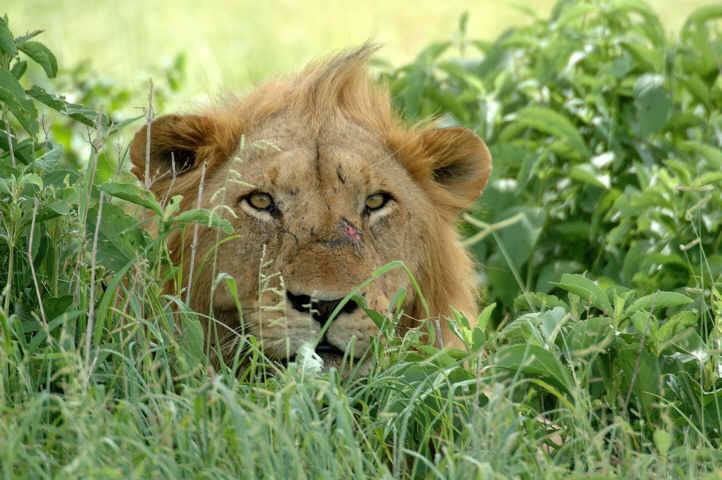

Carbon can be found in...?
The atmosphere
Inside of the Earth
Fossil fuels
All of the above!

If there is a fire in a forest, there will be more _ in the environment?
nitrogen
oxygen
carbon dioxide
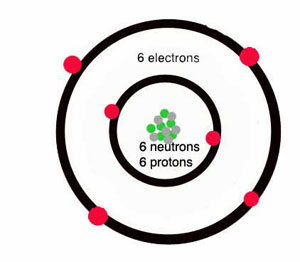
The circulation of the element Carbon among Earth's atmosphere, land, oceans, and organisms is called _____________.
the Carbon Cycle
the Oxygen Cycle
the Carbon dioxide Cycle
the Water Cycle


A bird in the sky is which 2 spheres?
Hydrosphere and cryosphere
Geosphere and Biosphere
Biosphere and atmosphere
Hydrosphere and Biosphere

A person drinking water is which 2 spheres?
Biosphere and hydrosphere
Atmosphere and geosphere
Cryosphere and atmosphere
Biosphere and geosphere
When a plant dies, it is broken down into the soil. Which 2 spheres is this?
Hydrosphere and atmosphere
Cryosphere and biosphere
Atmosphere and geosphere
Biosphere and geosphere
Comes from the Greek word for "water"
bio-
hydro-
atmo-
geo-
Comes from the Greek word for "life"
bio-
hydro-
atmo-
geo-
Comes from the Greek word for "ground"
bio-
hydro-
atmo-
geo-
Comes from the Greek word for "air"
bio-
hydro-
atmo-
geo-
When an animal or human breathes air, the interaction is between the __________ and the _____________.
atmosphere and hydrosphere
biosphere and geosphere
hydrosphere and biosphere
atmosphere and biosphere
What is the geosphere?
all the air and gases on the planet
all the frozen water on the Earth
the non-living soil, rocks, and minerals of the Earth
the rivers, lakes, and oceans of the Earth
What is the biosphere?
all the air and gases on the planet
made up of living things
the non-living soil, rocks, and minerals of the Earth
the rivers, lakes, and oceans of the Earth
What is the hydrosphere?
all the air and gases on the planet
made up of living things
the non-living soil, rocks, and minerals of the Earth
the rivers, lakes, and oceans of the Earth
What is the atmosphere?
all the air and gases on the planet
made up of living things
the non-living soil, rocks, and minerals of the Earth
the rivers, lakes, and oceans of the Earth
Because of biogeocheical cycling,
human activity has no effect on elements, chemical compounds, and other forms of matter.
nutrients are circulated throughout the biosphere.
many nutrients do not reach toxic concentrations in the biosphere.
Which process releases oxygen into the atmosphere?
Photosynthesis
Cellular respiration
Combustion
Decomposition

