Worksheets
Physiology P(2) Sem. 1 Exam Dec 2025
Total questions: 30
Worksheet time: 16mins
What position should a person be in before starting to measure blood pressure with a manual monitor?
Standing with arms raised
Sitting in a relaxed position
Lying flat on the stomach
Walking slowly
Where should the bottom of the blood pressure cuff be placed in relation to the elbow?
Directly on the elbow
About an inch above the elbow
Below the elbow
At the wrist
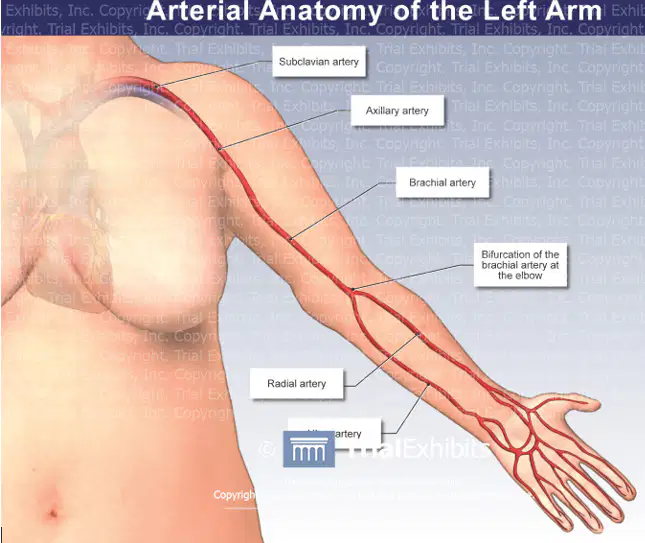
Which artery is used to measure blood pressure with a manual monitor?
Carotid artery
Brachial artery
Femoral artery
Radial artery
What instrument is used to listen to the pulse when measuring blood pressure manually?
Thermometer
Stethoscope
Otoscope
Sphygmomanometer
What should you avoid doing when placing the stethoscope over the brachial artery?
Compressing it completely
Placing it on the skin
Using the bell or diaphragm
Listening for sounds
When inflating the cuff to estimate systolic pressure, what are you feeling for at the wrist?
Temperature
Pulse
Blood flow
Muscle tension
What does the pressure on the gauge indicate when the pulse at the wrist disappears during inflation?
Diastolic pressure
Estimated systolic pressure
Heart rate
Body temperature
How much higher should you inflate the cuff above the estimated systolic pressure to measure the actual systolic pressure?
5-10 mmHg
20-30 mmHg
40-50 mmHg
60-70 mmHg
What is the correct action after inflating the cuff to the appropriate pressure for measuring systolic pressure?
Deflate the cuff rapidly
Slowly turn the valve counterclockwise to deflate
Remove the cuff immediately
Tighten the valve further
What do you listen for to determine the systolic pressure when deflating the cuff?
The last sound heard
The first sound to appear
The loudest sound
No sound at all
What is the reading on the gauge called when the first sound is heard during deflation?
Diastolic pressure
Systolic pressure
Pulse rate
Mean arterial pressure
What do you listen for to determine the diastolic pressure?
The first sound to appear
The point where the sound disappears completely
The loudest sound
The softest sound
What is the reading on the gauge called when the sound disappears completely during deflation?
Systolic pressure
Diastolic pressure
Pulse pressure
Heart rate
What should you do with the valve before inflating the cuff?
Loosen it
Tighten it
Remove it
Ignore it
Which part of the stethoscope is placed over the brachial artery?
Earpieces
Bell or diaphragm
Tubing
Chest piece only
What is the purpose of inflating the cuff above the estimated systolic pressure?
To stop blood flow completely
To ensure accurate measurement of systolic pressure
To measure heart rate
To check for arrhythmia
What should you do after noting the estimated systolic pressure?
Remove the cuff
Deflate the cuff
Inflate the cuff further
Take the temperature
Which direction should you turn the valve to deflate the cuff?
Clockwise
Counterclockwise
Upwards
Downwards
What is the main purpose of using a stethoscope during manual blood pressure measurement?
To measure temperature
To listen for blood flow sounds
To check oxygen levels
To measure pulse rate
What is the correct sequence for measuring blood pressure manually?
Place cuff, inflate, find pulse, listen, deflate
Sit, place cuff, find pulse, inflate, listen, deflate
Inflate, place cuff, listen, find pulse, deflate
Sit, listen, place cuff, inflate, deflate
What is the function of the valve on the blood pressure cuff?
To measure temperature
To control inflation and deflation of the cuff
To listen for sounds
To display the pressure
What should you do after measuring both systolic and diastolic pressures?
Inflate the cuff again
Remove the cuff from the arm
Tighten the valve
Place the stethoscope on the other arm
What is the typical unit of measurement for blood pressure readings?
Degrees Celsius
Millimeters of mercury (mmHg)
Liters per minute
Beats per minute

If the first picture is systolic and the second picture is diastolic pressure, what is the patient's blood pressure?
132/100 mmHg
126/100 mmHg
100/126 mmHg
100/132 mmHg

What vital sign is being taken?
Body temperature
Pulse rate
Respiration Rate
Blood pressure

What is the device pictured?
Manual aneroid sphygmomanometer
Manual mercury manometer
Electronic sphygmomanometer
Stethoscope
Blood pressure is recorded as
Hydrostatic /diastolic
Diastolic/ hydrostatic
Systolic/diastolic
Diastolic/systolic
What is a "normal" blood pressure
120/110 mmHg
120/80 mmHg
100/80 mmHg
140/80 mmHg
The first "thump" you hear when taking a blood pressure is....
the systolic blood pressure
the diastolic blood pressure
the lowest number