
 Worksheets
Chem Semester 1 Exam Part 2
Total questions: 35
Worksheet time: 35mins
Name
Class
Date
1.
Al(OH)₃ + Cu₂S-->
a)
AlCu + S(OH)
b)
Al₂S + OH
c)
Al + Cu(OH)
d)
Al₂S + Cu(OH)
2.
N₂ + 3H₂ --> 2NH₃
Which of the following is the word equation for the above formula equation
a)
nitrogen + hydrogen --> nitrogen hydride
b)
nitrogen + hydrogen --> nitrogen trihydride
c)
dinitrogen + dihydrogen --> nitrogen trihydride
d)
none of these
3.
According to the law of conservation of mass, the total mass of the reacting substance(s) is
a)
always more than the total mass off the products
b)
always less than the total mass of the products
c)
sometimes more and sometimes less than the total mass of the products
d)
always equal to the total mass of the product(s)
4.
In the word equation, sodium oxide + water --> sodium hydroxide, the formula for sodium hydroxide is represented by
a)
Na₂(OH)
b)
Na(OH)
c)
NaO₂
d)
Na₂O
5.
Which word equation represents the reaction that produces water from hydrogen and oxygen?
a)
Water is produced from hydrogen and oxygen
b)
Hydrogen plus oxygen yields water
c)
H₂ + O₂ --> water
d)
Water can be separated into hydrogen and oxygen
6.
Sodium + chlorine -->
a)
sodium monochloride
b)
sodium chlorine
c)
sodium chloride
d)
sodium monochlorine
7.
The equation AB + CD --> AD + CB is the general equation for a
a)
synthesis reaction
b)
decomposition reaction
c)
single replacement reaction
d)
double replacement reaction
8.
In what kind of reaction does one element replace a similar element in a compound?
a)
single replacement reaction
b)
combustion
c)
decomposition reaction
d)
ionic reaction
9.
The equation A + B --> AB is the general equation for a(n)
a)
combustion reaction
b)
decomposition reaction
c)
synthesis reaction
d)
double replacement reaction
10.
The equation AB --> A + B is the general equation for a
a)
synthesis reaction
b)
combustion reaction
c)
decomposition reaction
d)
single replacement reaction
11.

The following chemical reaction is a:
a)
synthesis reaction
b)
decomposition reaction
c)
single replacement reaction
d)
double replacement reaction
12.

The following chemical reaction is a:
a)
synthesis reaction
b)
decomposition reaction
c)
single replacement reaction
d)
double replacement reaction
13.

The following chemical reaction is a:
a)
synthesis reaction
b)
decomposition reaction
c)
single replacement reaction
d)
double replacement reaction
14.

The following chemical reaction is a:
a)
synthesis reaction
b)
decomposition reaction
c)
single replacement reaction
d)
double replacement reaction
15.
Which of the following is a combustion reaction?
a)
Option 1
Option 1
b)
Option 2
Option 2
c)
Option 3
Option 3
d)
Option 4
Option 4
16.
Atoms will gain or lose enough electrons in order to become isoelectronic with a noble gas. What is this called?
a)
Octet Rule
b)
Empirical Rule
c)
VSEPR Theory
d)
none of these
17.
A chemical formula that is arranged in the smallest whole number ration is called:
a)
Molecular formula
b)
Chemical formula
c)
Empirical formula
d)
Ionic formula
18.
Which of the following is a polar molecule?
a)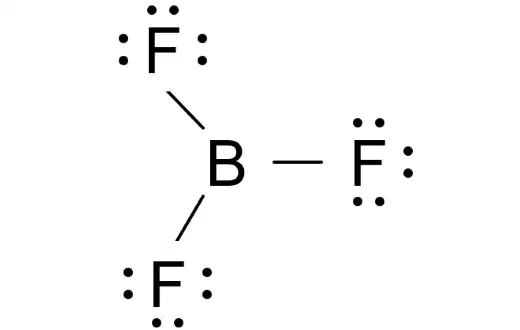
Option 1
Option 1
b)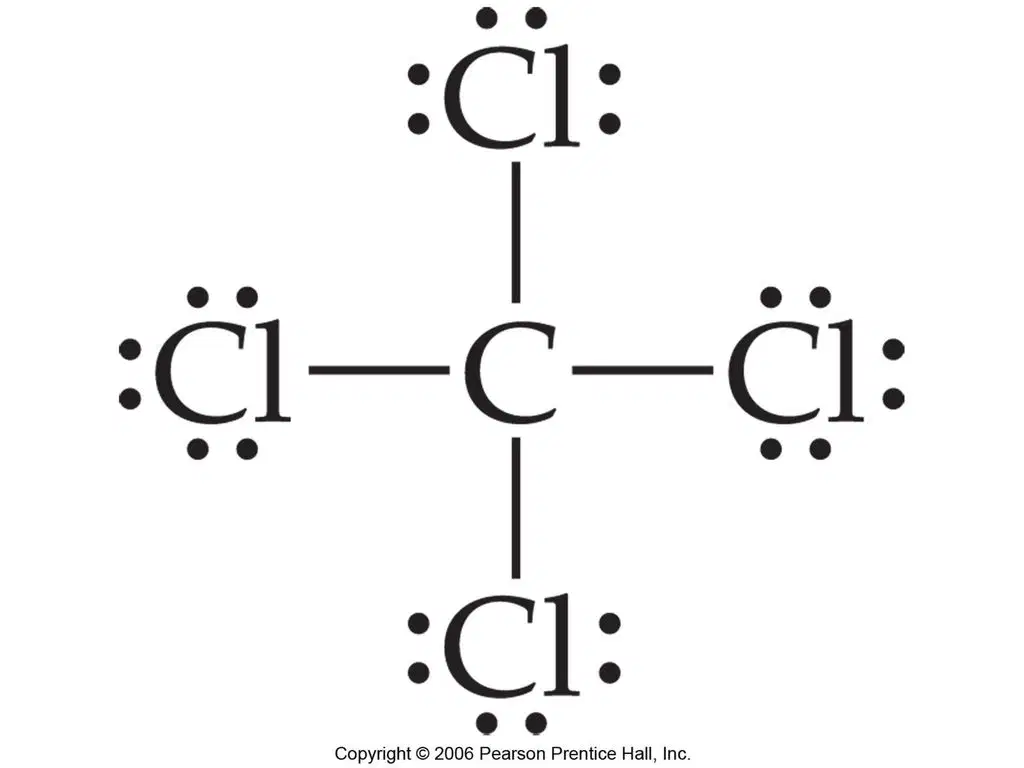
Option 2
Option 2
c)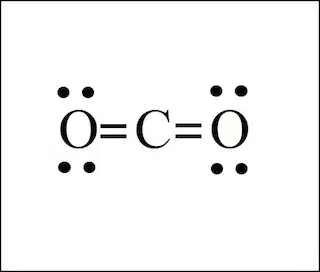
Option 3
Option 3
d)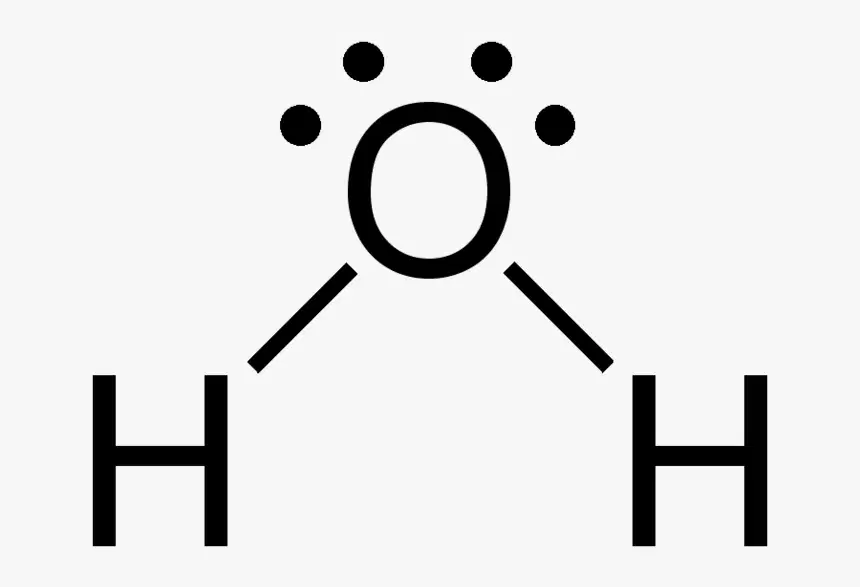
Option 4
Option 4
19.
Which of the following molecules is nonpolar?
a)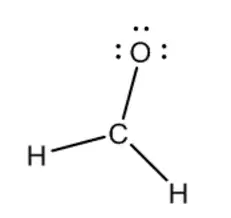
Option 1
Option 1
b)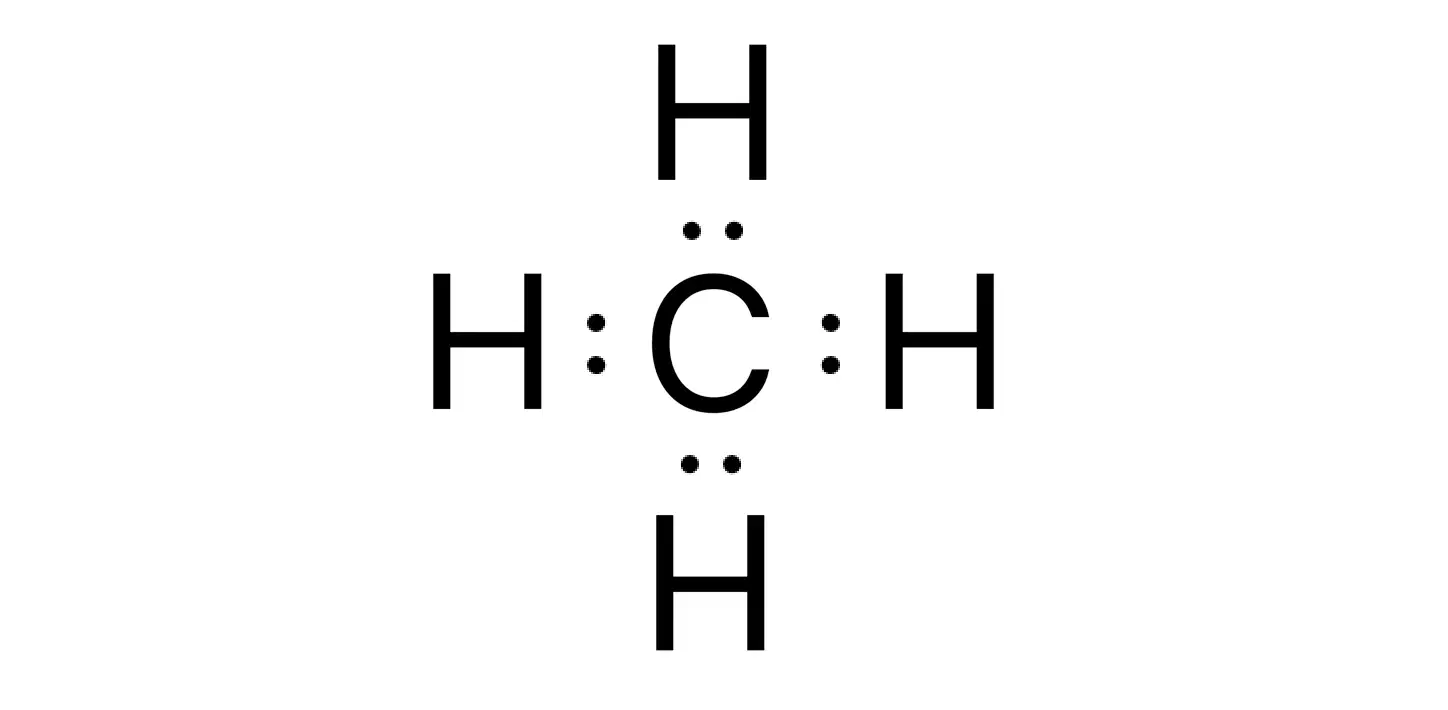
Option 2
Option 2
c)
Option 3
Option 3
d)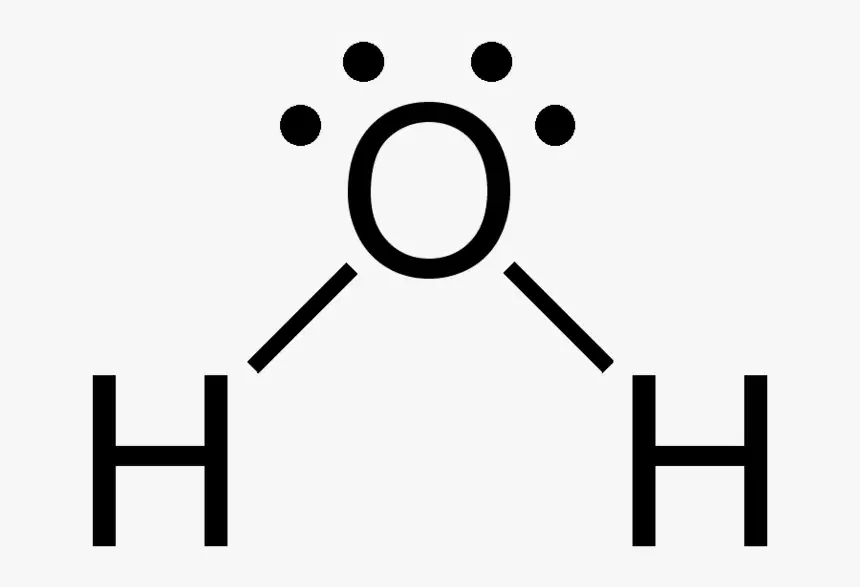
Option 4
Option 4
20.
Name this compound: MgCl ₂
a)
Magnesium Chloride
b)
Monomagnesium dichloride
c)
Magnesium dichloride
d)
Magnesium dichlorine
21.
A triple covalent bond shares ____ electrons between atoms.
a)
two
b)
three
c)
five
d)
six
22.
A transfer of electrons
a)
covalent bonding
b)
ionic bonding
c)
non-polar
d)
ductile
23.
What is the correct formula to describe dinitrogen octafluoride?
a)
N₂F₂
b)
N₂F₈
c)
N₈F₂
d)
N₃F₃
24.
A bond where electrons are shared unequally between atoms.
a)
polar
b)
nonpolar
c)
ionic
d)
crystal
25.
A bond where electrons are shared equally between atoms.
a)
polar
b)
nonpolar
c)
ionic
d)
crystal
26.
Which of the following pairs of elements is most likely to form an ionic compound?
a)
Magnesium and sodium
b)
Nitrogen and sulfur
c)
Oxygen and chlorine
d)
Magnesium and chlorine
27.
Which of the following elements does NOT want to have eight valence electrons?
a)
magnesium
b)
oxygen
c)
hydrogen
d)
nitrogen
28.
If N gains 3 electrons, what noble gas will it be isoelectronic with?
a)
Argon
b)
Neon
c)
Xenon
d)
Radon
29.
How many electrons does Ca need to gain/lose to become isoelectronic with a noble gas?
a)
gain 2
b)
lose 2
c)
gain 1
d)
lose 1
30.
Which of the following is the correct Lewis Dot Structure for Carbon?
a)
Option 1
Option 1
b)
Option 2
Option 2
c)
Option 3
Option 3
d)
Option 4
Option 4
31.
Which of the following elements is most similar in behavior to calcium?
a)
magnesium
b)
sodium
c)
sulfur
d)
chlorine
32.
Which periodic group or family of elements is NOT correctly matched with its common family name?
a)
Group 2: Alkaline-earth metals
b)
Group 3: Alkali metals
c)
Group 17: halogens
d)
Group 18: Noble gases
33.
Which of the following elements is a transition metal?
a)
calcium
b)
iron
c)
sodium
d)
sulfur
34.
All the alkali metal elements are found on the periodic table in
a)
Group 1
b)
Group 2
c)
Period 1
d)
Period 2
35.
The tendency of an atom to attract electrons when chemically bonded to another atom is called...
a)
electron affinity
b)
electron configuration
c)
electronegativity
d)
ionization potential
100 %

