
 Worksheets
Safety & Sanitation
Total questions: 88
Worksheet time: 44mins
Name
Class
Date
1.
1. What is the best/safest way to defrost frozen food?
a)
In the sink
b)
In the refrigerator
c)
In the microwave
2.
2. Which is the maximum time perishable foods can be left out?
a)
24 hours
b)
2 hours
c)
1 hour
3.
3. If a grease fire occurs what is one way to put it out?
a)
Water
b)
Dish Soap
c)
Baking soda
4.
4. Food borne illness is dangerous for anyone, however, it could be deadly to the following groups:
a)
Children under 5
b)
Elderly Adults
c)
All the above
5.
5. Which is the temperature danger zone for bacterial growth?
a)
32-100 degrees F
b)
20-140 degrees F
c)
41-135 degrees F
6.
6. Ways food can be contaminated include all of the following EXCEPT:
a)
Cross contamination
b)
Proper food preparation
c)
Leaving food out for 5 hours
7.
7. Which of the following causes food borne illness?
a)
Pathogens
b)
Seasoning food
c)
Over cooking
8.
8. What should you NEVER put on a grease fire?
a)
Water
b)
Baking soda
c)
Fire Extinguisher
9.
9. Do not touch ____________ with wet hands.
a)
Electrical Outlets
b)
Drains
c)
Equipment
10.
10. All of the following are ways to prevent falls EXCEPT:
a)
Standing on a rolling chair
b)
Cleaning the spill immediately
c)
Using a step stool
11.
11. Which are typical symptoms of food poisoning?
a)
Fever and Nausea
b)
Running and Exercising
c)
Coughing and Sneezing
12.
13. Touch the surface on the stove after use to be sure it is turned off.
a)
True
b)
False
13.
14. Wear loosely fitted, long-sleeved garments to protect your arms when cooking.
a)
True
b)
False
14.
15. Keep flammable materials away from hot surfaces.
a)
True
b)
False
15.
16. Wash SHARP knives with the other dishes.
a)
True
b)
False
16.
17. Lift the lid off the pan so it's opening is towards your face.
a)
True
b)
False
17.
18. Grease should be poured down the sink.
a)
True
b)
False
18.
19. Mix the household chemicals if dirt is hard to remove.
a)
True
b)
False
19.
20. How should you carry a knife around in the kitchens?
a)
Pointing at others
b)
Pointing at the ceiling next to your head
c)
Pointed towards the ground next to thigh
20.
21. Which food is the MOST likely cause of salmonella?
a)
Burgers
b)
Shellfish
c)
Chicken
21.
22. Abdominal thrust or Heimlich maneuver is used for
a)
Cleaning Spills
b)
Treating Choking
c)
Treating Burns
22.
23. List 3 examples of proper lab attire
4 lines
23.
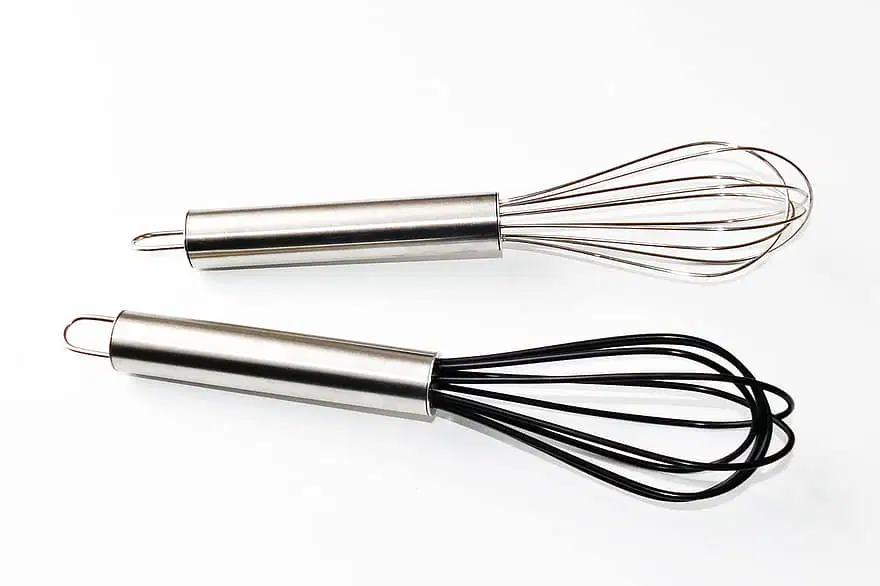
24. Name this item
a)
Wisk
b)
Mixing spoon
c)
Pizza cutter
24.

25. Name this item.
a)
Mixing bowl
b)
Colander
c)
steamer
25.
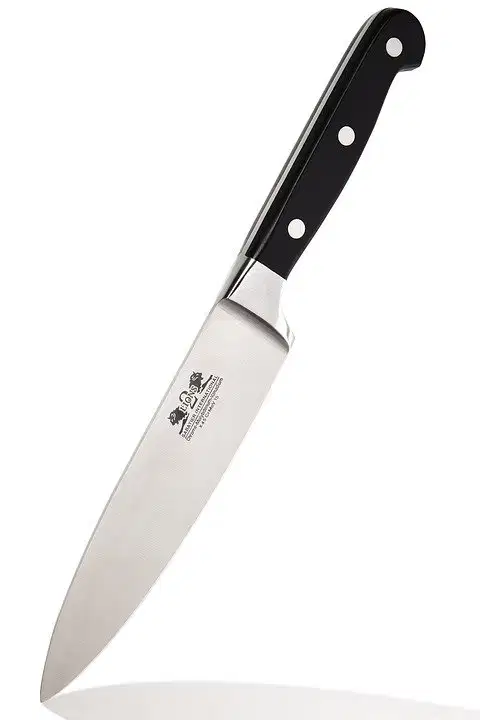
26. Name this item
a)
Bread Knife
b)
Chef's Knife
c)
Option 3
26.
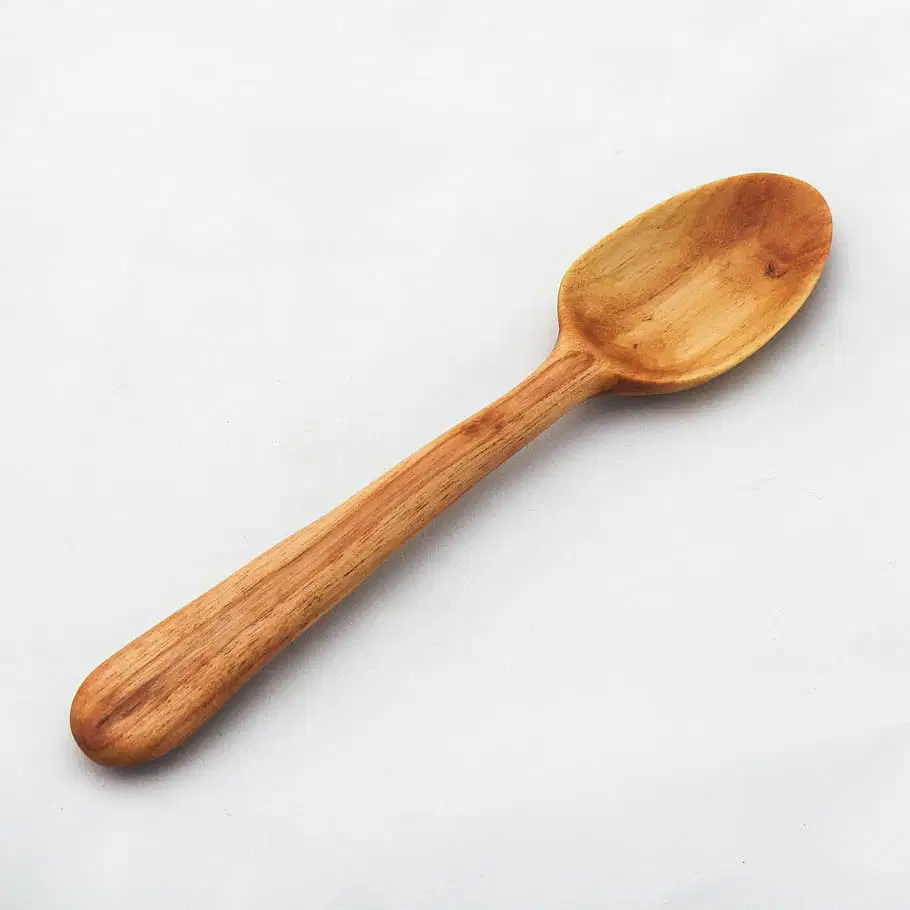
27. Name this item
a)
Mixing spoon
b)
Soup Ladle
c)
Knife
27.
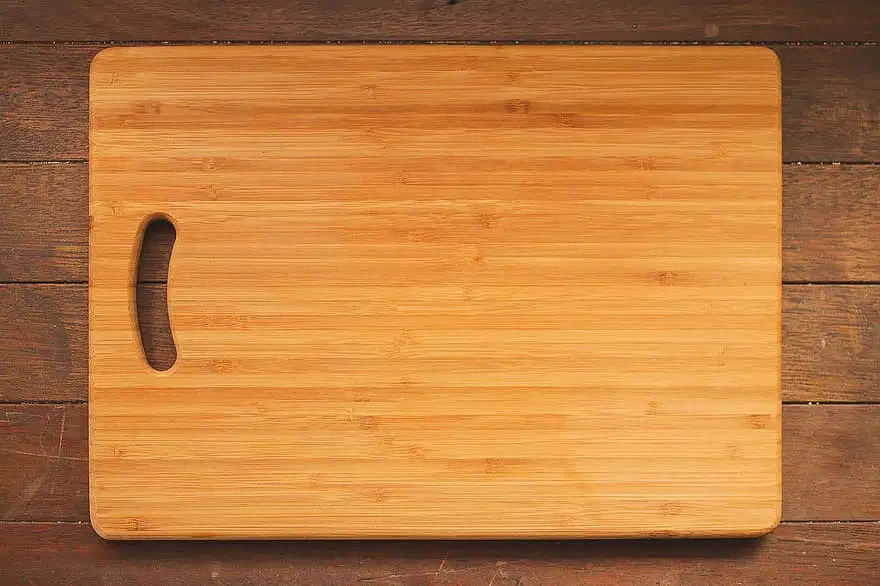
28. Name this item
a)
Wash board
b)
Cutting board
c)
Serving tray
28.

29. Name this item
a)
Tongs
b)
Scraper
c)
Ladle
29.

30. Name this item
a)
Sauce pan
b)
Stock pot
c)
Ice cream maker
30.
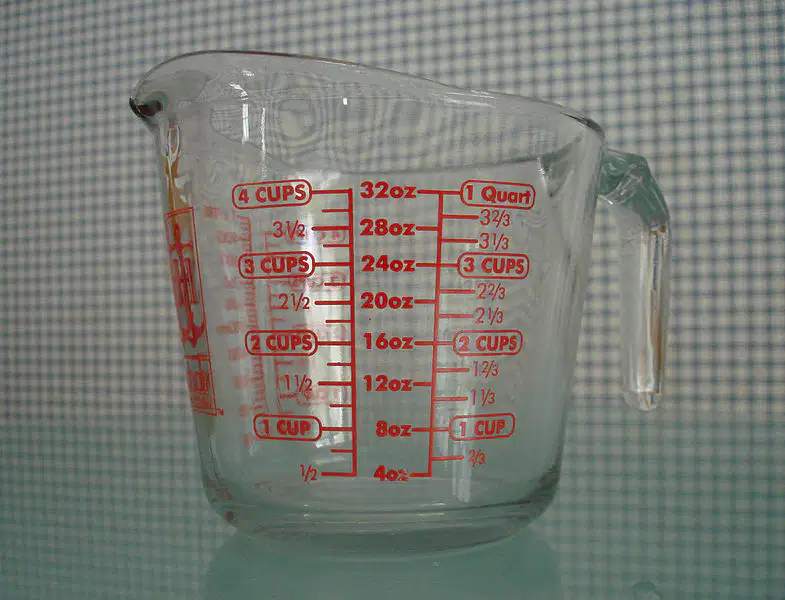
31. Name this item
a)
Liquid measuring cup
b)
Dry measuring cup
c)
Measuring cup
31.
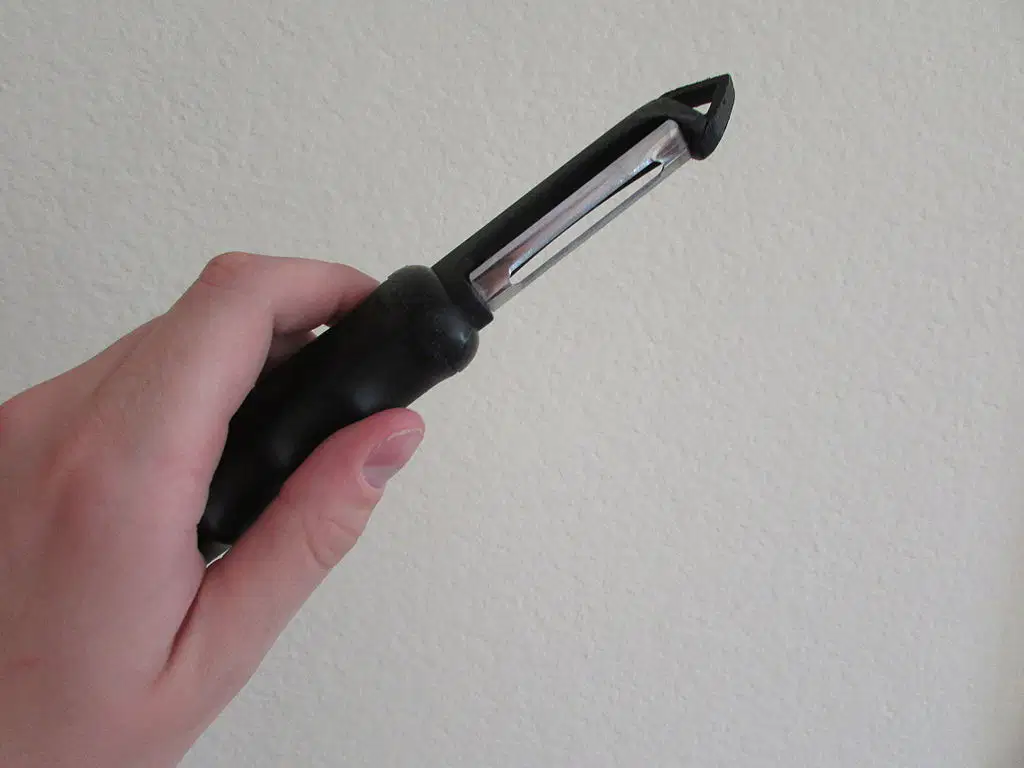
32. Name this item
a)
Paring Knife
b)
Vegetable Peeler
c)
Kitchen Shears
32.
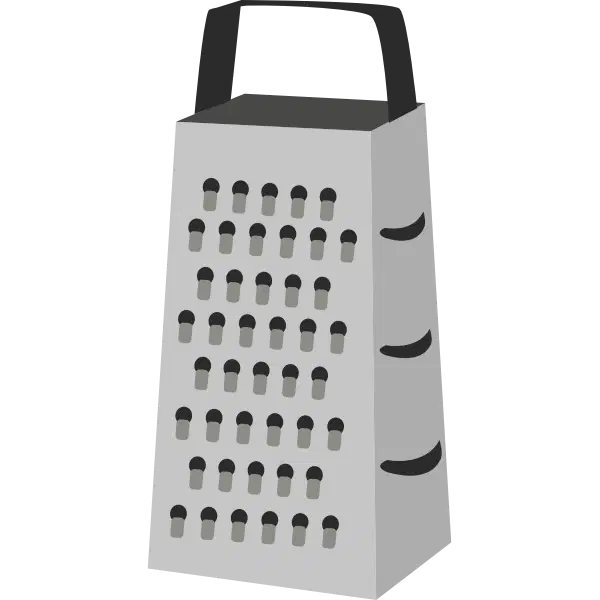
33. Name this item
a)
Scraper
b)
Box grater
c)
Vegetable Peeler
33.
1. How many cups are in 1 gallon?
a)
12
b)
16
c)
20
34.
2. What is the abbreviation for 1 pound?
a)
lb.
b)
pd.
c)
#
35.
3. What is the abbreviation for teaspoon?
a)
tsp
b)
Tbsp.
c)
c.
36.
4. How many cup(s) is equal to 1 stick of butter?
a)
3/4
b)
1/3
c)
1/2
37.
5. Flour would typically be measured with which piece of equipment?
a)
A spoon
b)
a dry measuring cup
c)
measuring spoons
38.
6. What is the abbreviation for Tablespoon?
a)
c.
b)
tsp.
c)
Tbsp.
39.
7. How many tablespoons are in a cup?
a)
12
b)
10
c)
16
40.
8. How many fl. oz. are in 1 cup?
a)
5
b)
4
c)
8
41.
9. How many tablespoons are in 1 stick of butter?
a)
8
b)
6
c)
10
42.
10. How much is 3/4 + 3/4 cups
(a)
43.
11. Name the 6 components of a Recipe.
4 lines
44.
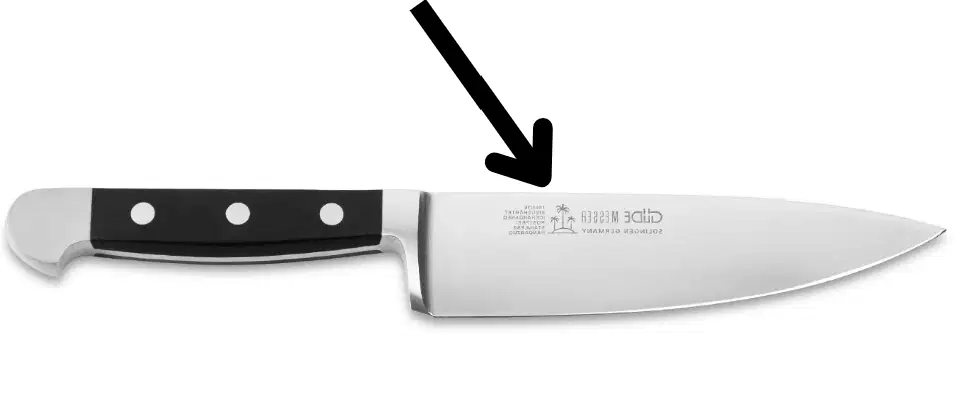
12. The top or dull edge of the knife is known as the _________.
a)
Cutting Edge
b)
Butt
c)
Spine
45.
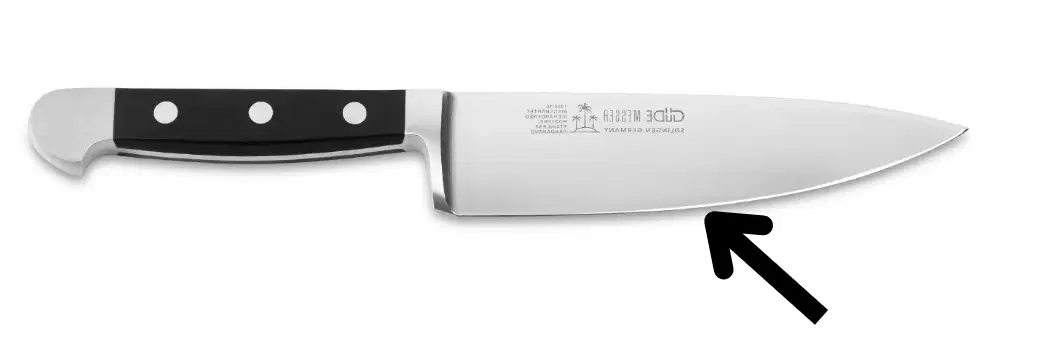
13. The sharp part of the knife is known as the ___________.
a)
Spine
b)
Cutting Edge
c)
Butt
46.
14. Choose the correct definition for Chef's Knife.
a)
A versatile, general-purpose kitchen knife, typically 8 to 10 inches long, with a blade that curves upward to a pointed tip.
b)
A knife used to cut bread and pastries.
c)
A knife used for peeling fruits and vegetables.
47.
15. Choose the correct definition for the word "vitamins".
a)
a solid inorganic substance of natural occurrence.
b)
organic compounds essential for growth and nutrition, required in small quantities because they cannot be synthesized by the body.
c)
To remove the outer layer on meat, fish, or poultry.
48.
16. Choose the correct definition for the word "recipe".
a)
The total quantity of food a recipe produces
b)
A set of instructions that describes how to prepare or make something, especially a dish of prepared food.
c)
A shortened form of a word or phrase.
49.
17. Choose the correct definition for the word "yield".
a)
The total quantity of food a recipe produces
b)
A set of instructions that describes how to prepare or make something, especially a dish of prepared food.
c)
A shortened form of a word or phrase.
50.
18. Choose the correct definition for the word "macronutrients".
a)
the 4 essential components of the diet—carbs, protein, fiber, and fat
b)
A set of instructions that describes how to prepare or make something, especially a dish of prepared food.
c)
A shortened form of a word or phrase.
51.
1. Large cuts of meat from a butchered animal are known as ________________ cuts.
a)
Wholesale
b)
Retail
c)
Restaurant
52.
2. Smaller cuts of meat, usually purchased at a grocery store, are known as _________________ cuts.
a)
Wholesale
b)
Retail
c)
Restaurant
53.
3. Which substance causes marbling?
a)
Invisible Fat
b)
Visible Fat
c)
Cholesterol
54.
4. Veal comes from which animal?
a)
Cows (12 months or older)
b)
Pigs
c)
Cows (3 months or younger)
55.
5. Pork come from which animal?
a)
Cows
b)
Chickens
c)
Pig
56.
6. True or False: Animal proteins DO NOT contain cholesterol.
a)
True
b)
False
57.
7. True or False: Organ meats contain LESS cholesterol than muscle meats.
a)
True
b)
False
58.
8. List the 3 grades of beef as graded by the USDA
(a)
59.
9. Which government agency is responsible to oversee production of meat and agricultural products in the U.S.?
a)
FDA
b)
USDA
c)
ATF
60.
10. What does USDA stand for?
a)
United States Department of America
b)
United States Department of Animals
c)
United States Department of Agriculture
61.
11. __________ is the milk protein.
a)
Casein
b)
Lactose
c)
Whey
62.
12. ____________ is the milk sugar.
a)
Casein
b)
Lactose
c)
Whey
63.
13. ________________ is the process of heating milk to a high temperature to kill bacteria.
a)
Pasteurization
b)
Homogenization
64.
14. _______________ is the process of breaking up fat particles in milk.
a)
Pasteurization
b)
Homogenization
65.
15. The liquid left over from the cheese making process is called the ____________.
a)
curds
b)
whey
c)
milk
66.
16. When making cheese, the solids are referred to as ___________.
a)
curds
b)
whey
c)
milk
67.
17. Goat cheese classified as which type of cheese?
a)
Hard
b)
Semi-soft
c)
Soft
68.
18. Parmesan is classified as which type of cheese?
a)
Hard
b)
Semi-soft
c)
Soft
69.
1. What is peak season for citrus fruit?
a)
winter
b)
Spring
c)
Fall
70.
2. Which is an example of a berry?
a)
Grapes
b)
Mango
c)
Grapefruit
71.
3. Which is an example of a drupe (a.k.a stone fruit)?
a)
Grapefruit
b)
Peach
c)
Pear
72.
4. Which is an example of a Pome?
a)
Peach
b)
Nectarine
c)
Apple
73.
5. Which is an example of a citrus fruit?
a)
Apple
b)
Lemon
c)
Banana
74.
6. Name an example of a melon.
(a)
75.
7. Which is an example of a tropical fruit?
a)
Kiwi
b)
Strawberry
c)
Grape
76.
8. When should you wash your berries?
a)
Right when you get home
b)
A week before you eat them
c)
Right before you eat them
77.
10. Which is an example of a bulb vegetable?
a)
Celery
b)
Onions
c)
Asparagus
78.
11. Which is an example of a leafy vegetable?
a)
Celery
b)
Garlic
c)
Spinach
79.
12. Which is an example of a root vegetable?
a)
Carrots
b)
Garlic
c)
Cabbage
80.
13. Which is an example of a seed vegetable?
a)
Peas
b)
Garlic
c)
Cabbage
81.
14. List the 3 parts of a whole grain.
4 lines
82.
15. Select the 3 most common grains.
a)
rice
b)
barley
c)
quinoa
d)
corn
e)
wheat
83.
16. What is the difference between white rice and brown rice?
a)
They are the same
b)
Brown rice has the bran and germ removed
c)
White Rice has the bran and germ removed
84.
1. Which ingredient provides structural integrity to the banana bread?
a)
Sugar
b)
Salt
c)
Flour
85.
2. Which ingredient helps the banana bread rise?
a)
Flour
b)
Baking Soda
c)
Milk
86.
3. Which ingredient binds (or holds) the other ingredients together in the banana bread?
a)
Eggs
b)
Baking Soda
c)
Milk
87.
4. What is the difference between Baking Powder and Baking Soda
a)
There is no difference
b)
Baking Soda needs an acidic ingredient to activate but Baking Powder only needs liquid to activate
c)
Baking Soda is only used for cleaning and Baking Powder is only used for baking.
88.
5. What does the A.P stand for in "A.P Flour"
a)
All Purpose
b)
After Purpose
c)
Alter Product
100 %

