
 Worksheets
Insulation Materials Quiz
Total questions: 30
Worksheet time: 15mins
What is the main purpose of installing insulation material?
To prevent the transmission of heat
To increase the transmission of sound
To decorate the building
To allow moisture to pass through
According to the material, why should any pipework in a vulnerable position be insulated?
To improve water taste
To prevent heat loss and protect from freezing
To increase water pressure
To reduce installation costs
A plumber is assessing a property and finds a service pipe running at a depth of 800mm. According to the guidelines, what should the plumber do regarding insulation?
Ignore it, as it is deep enough
Insulate the pipe, as it is within the 750-1,350mm range
Only insulate if the pipe is above ground
Remove the pipe
If a temporary supply (standpipe) is installed during construction, what should be done to the pipework according to the insulation guidelines?
Paint the pipework
Insulate the pipework
Leave the pipework exposed
Bury the pipework deeper
Which material is specifically listed as non-approved for installations?
Lead
Brass
Stainless steel
Plastic
Why is it important to use materials listed on the WRAS register for installations?
To ensure the materials are approved and meet safety standards.
Because they are the cheapest options.
Because they are easier to install.
To avoid using any metal in installations.
What is an example of a fluid in Category 2?
Hot water in cylinder
Mains water
Microorganisms
Urinal water
Which fluid category includes fluids representing a significant health risk, containing toxic substances?
Category 4
Category 2
Category 1
Category 3
If a fluid contains pathogenic organisms and is found in a medical room, which fluid category does it belong to and why?
Category 5, because it represents a severe/serious health risk.
Category 1, because it is wholesome water.
Category 3, because it has a slight health risk.
Category 2, because it only differs in temperature.
Which of the following best describes Category 2 fluids?
Water that would be classed as Category 1 except for colour, odour, appearance, or temperature.
Fluids containing toxic substances.
Wholesome water supplied from the water undertaker.
Fluids containing radioactive substances.
A Plumber is tasked with identifying the correct fluid category for softened water. What reasoning should they use to determine the answer?
Softened water is not wholesome due to changes in its properties, so it fits Category 2.
Softened water is always toxic, so it fits Category 4.
Softened water is always safe to drink, so it fits Category 1.
Softened water contains pathogenic organisms, so it fits Category 5.
Why must back flow and back syphonage be prevented in water installations?
They can allow contamination to occur
They increase water pressure
They improve water quality
They reduce water temperature
Which of the following is an example of back flow or syphonage that a customer would not want?
Dirty bath water being drawn into the kitchen tap
Clean water being drawn into the outside tap
Fresh water being drawn into the WC
Bath water being drawn into the garden hose
Why is it a legal requirement for a plumber to install proper protection against back flow and syphonage?
To prevent contamination of clean water supplies
To increase water pressure in the system
To reduce water usage in the household
To make plumbing installations cheaper
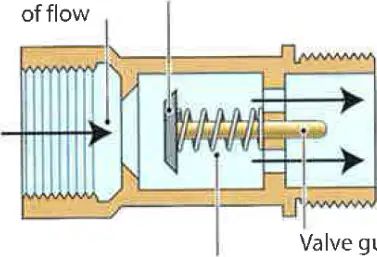
What is the purpose of installing a single check valve or non-return valve in a water system?
To prevent backflow and protect category 1 water from contamination
To increase water pressure in the system
To filter out impurities from the water
To regulate the temperature of the water
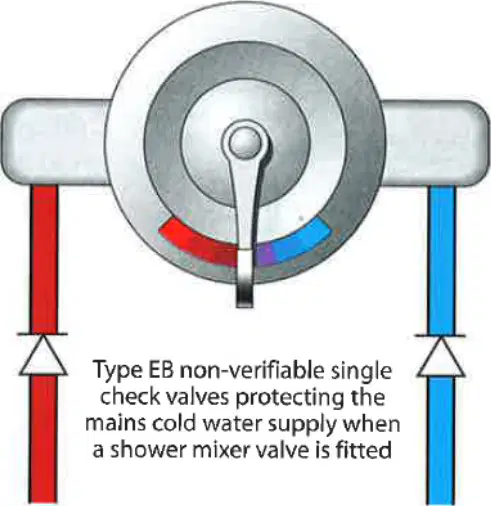
What is the primary purpose of a single check valve in water installations?
To prevent backflow and protect the mains cold water supply
To increase water pressure in the system
To filter impurities from the water
To mix hot and cold water more efficiently
Why is it necessary to install a double check valve prior to the outlet protecting wholesome water?
To prevent contamination from backflow
To increase water pressure
To reduce water temperature
To filter out sediments
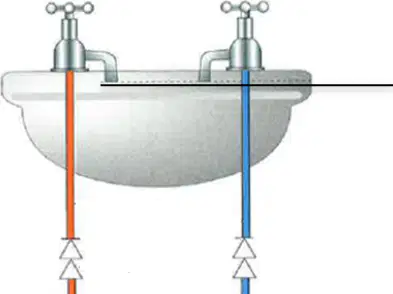
What is a potential risk when a tap outlet is below the spillover level of a basin?
The tap outlet could come into contact with contaminated water.
The tap outlet will always provide hot water.
The tap outlet will increase water pressure.
The tap outlet will prevent any water spillage.
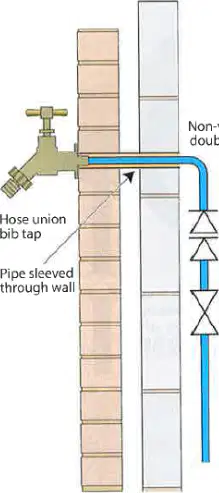
Which of the following is a method to protect category 1 water from contamination in installations?
Installing a non-verifiable double check valve.
Lowering the water temperature.
Using plastic pipes only.
Increasing the water flow rate.
Given a scenario where a tap outlet is installed below the spillover level of a basin, what strategic action should be taken to protect the water supply?
Install a suitable backflow prevention device such as a double check valve.
Increase the water pressure in the system.
Use only cold water through the tap.
Paint the tap to indicate it is safe.
Which of the following is NOT typically a location where an air gap is found to protect category 1 water?
Radiators
Basins
WC cisterns
Sinks
If a shower hose is installed without an air gap, what is the most likely risk?
Contamination of wholesome water by foul water
Increased water temperature
Reduced water pressure
Excessive water usage
What is the standard measurement for the AUK1 air gap?
300mm
25mm
100mm
50mm
The AG air gap is measured from which two points?
From the warning pipe to the FOV outlet
From the WC pan spillover to the cistern spillover
From the base of the cistern to the overflow
From the inlet valve to the water surface
Suppose a cistern installation has an AUK1 air gap of only 200mm instead of the required 300mm. What potential issue could arise from this deviation?
There is an increased risk of backflow contamination into the water supply.
The cistern will overflow more quickly.
The warning pipe will not function.
The FOV outlet will be blocked.
If a bidet is installed without an adequate air gap (AUK2), what potential problem could arise?
Contaminated water could siphon back into the clean water supply.
The bidet may overflow more easily.
The water temperature may fluctuate.
The tap may become loose.
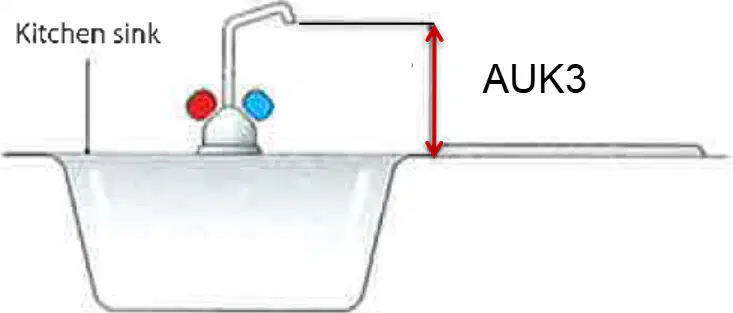
Why is it important to have an air gap (AUK3) between the tap outlet and the spillover level of a sink?
To prevent contaminated water from flowing back into the clean water supply.
To increase water pressure in the tap.
To reduce noise from running water.
To make the sink easier to clean.
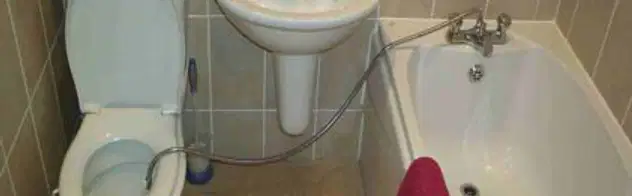
According to installation guidelines, what must be done to flexible shower hoses to ensure safety?
Restrict them from being submerged in bathwater
Paint them with waterproof paint
Install them only in kitchens
Use metal restrainers instead of rubber ones
Explain how the Water Regulations contribute to the safety and quality of water supply in a building. Provide at least two specific examples based on the regulations mentioned.
They prevent pipework from freezing and protect water from contamination.
They increase water temperature and reduce water usage.
They ensure pipes are painted and regularly replaced.
They require all pipes to be underground and made of plastic.
What are the four parts of the distribution network?
Principle main
Distribution main
Treatment and Pumping station
Local main
Trunk main

