
 Worksheets
Where Do Your Taxes Go? - Government Revenues
Total questions: 10
Worksheet time: 5mins
Which tax is the largest source of revenue for the federal government?
Sales taxes on retail purchases
Property taxes on land and homes
Individual income taxes from workers
Excise taxes on specific goods
Which two tax types are the biggest revenue sources for Virginia’s state government?
Licenses and fees
Individual income and sales taxes
Property and excise taxes
Corporate income and excise taxes
Local governments, like cities and counties, get most of their money from which source?
Lottery winnings and donations
Borrowing through selling bonds
Taxes and transfers from other governments
Fees from national parks only
Excise taxes are best described as taxes on which items?
All retail sales without exceptions
Specific goods such as gasoline
All forms of personal income
Entire property values annually
Which category took the largest share of federal spending in 2018?
Healthcare at twenty-six percent
Social Security at twenty-four percent
Defense spending at fifteen percent
Interest on national debt at seven percent
What is discretionary spending?
Spending chosen each year in the budget
Spending that must be paid by law
Spending only on state programs
Spending that never changes over time
Which is an example of mandatory (non-discretionary) spending?
Social Security benefits
Military equipment purchases
Highway construction
National park maintenance
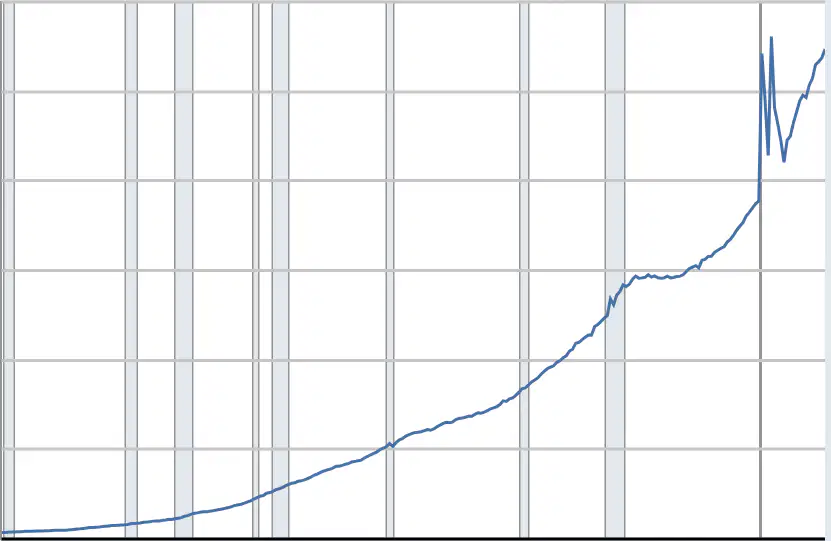
What trend is shown in the FRED graph of government total expenditures?
Steady decline since nineteen seventy
Overall upward growth with some spikes
Constant level with no changes
Flat line after two thousand ten
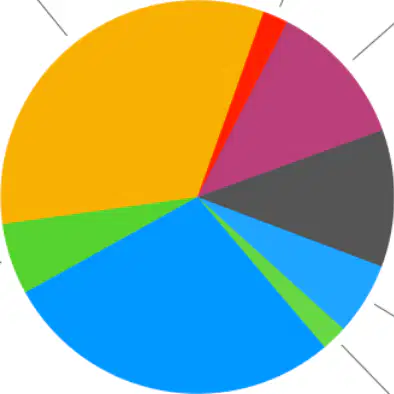
Look at the pie chart of Virginia’s 2019 expenditures. Which category appears to be the largest portion of the chart?
General Government slice on right
Education slice near bottom
Administration of Justice slice left
Transportation slice on right
Local governments and state governments spend in different proportions. Which area is a primary focus for local governments compared with state governments?
Public welfare programs
Resource and economic development
K–12 education services
Higher education funding

