
 Worksheets
Ch. 8 Volcano Test
Total questions: 33
Worksheet time: 17mins
Name
Class
Date
1.
1. Molten rock that reaches Earth's Surface.
a)
lava
b)
acid rain
c)
active volcano
d)
cinder cone volcano
e)
composite volcano
2.
2. rain that has become more acidic than normal due to pollution or volcanic eruption
a)
acid rain
b)
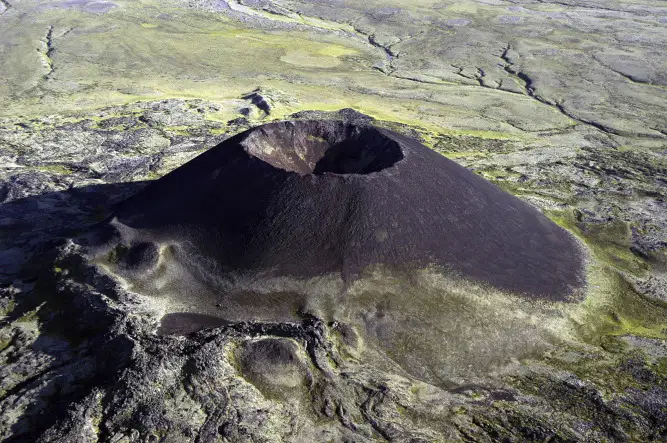
active volcano
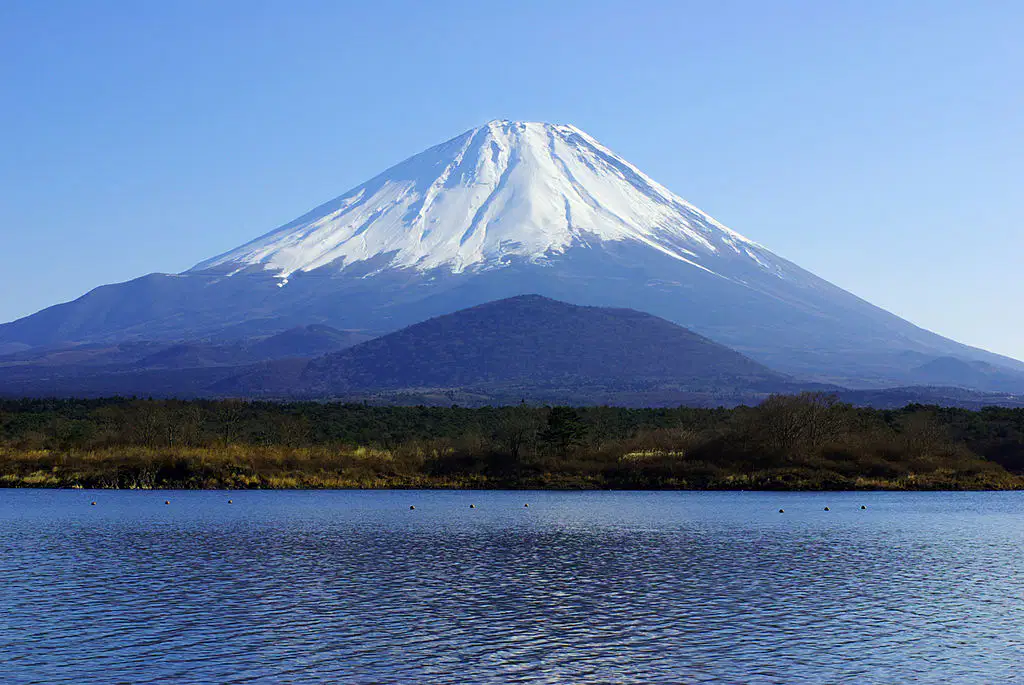
c)
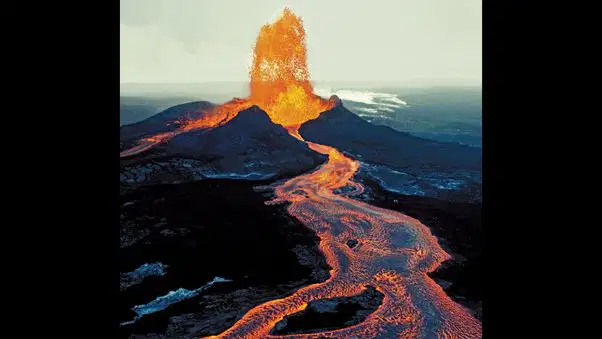
cinder cone volcano
d)
composite volcano
e)
dormant volcano
3.
3. mountains that form as blocks of rock move up or down along normal faults.
a)
fault-block mountain
b)
acid rain
c)
active volcano
d)
cinder cone volcano
e)
composite volcano
4.
4. an opening in Earth's crust through which molten rock, rock fragments, and hot gases erupt.
a)
volcano
b)
acid rain
c)
active volcano
d)
cinder cone volcano
e)
composite volcano
5.
5. mountains that form as 2 plates collide and the rock folds and crumples
a)
folded mountain
b)
acid rain
c)
active volcano
d)
cinder cone volcano
e)
composite volcano
6.
6. a dense cloud of super hot gases and rock fragments that race downhill
a)
pyroclastic flow
b)
acid rain
c)
active volcano
d)
cinder cone volcano
e)
composite volcano
7.
7. a type of hot spring that shoots water into the air.
a)
geyser
b)
acid rain
c)
active volcano
d)
cinder cone volcano
e)
composite volcano
8.
8. a term used to describe a volcano which is presently inactive but may erupt again.
a)
dormant volcano
b)
acid rain
c)
active volcano
d)
cinder cone volcano
e)
composite volcano
9.
9. steep, cone-shaped hill formed by the eruptions of cinders and other rock fragments that pile up around a single crater.
a)
cinder cone volcano
b)
acid rain
c)
active volcano
d)
composite volcano
e)
dormant volcano
10.
10. a broad, flat volcano that has a gentle eruption and is low in silica
a)
shield volcano
b)
acid rain
c)
active volcano
d)
cinder cone volcano
e)
composite volcano
11.
11. a volcano that is erupting or will erupt in the near future
a)
active volcano
b)
acid rain
c)
cinder cone volcano
d)
composite volcano
e)
dormant volcano
12.
12. large, cone shaped volcano built up of layers of lava and layers of rock fragments. High in silica=very explosive
a)
composite volcano
b)
acid rain
c)
active volcano
d)
cinder cone volcano
e)
dormant volcano
13.
13. a volcano that is thought to not have any further eruptions.
a)
extinct volcano
b)
acid rain
c)
active volcano
d)
cinder cone volcano
e)
composite volcano
14.
1. A folded mountain belt is located far from the edge of a present-day tectonic plate boundary. This mountain belt likely formed
a)
when two oceanic plates collided
b)
when two continental plates collided
c)
as the result of volcanic activity
d)
when blocks of crust moved along faults
15.
2. Folded mountains form at tectonic boundaries where
a)
new ocean crust is formed
b)
plates move away from each other
c)
plates move toward each other
d)
plates move horizontally past each other
16.
3. Blocks of rock that have tilted along faults are common
a)
where two oceanic plates collide
b)
where two continental plates collide
c)
along subduction zones
d)
along ocean spreading centers
17.
4. Which of the following lists the rock fragments released by a volcano in order from smallest to largest?
a)
bombs, blocks, cinders
b)
cinders, bombs, ash
c)
blocks, ash, cinders
d)
ash, cinders, bombs
18.
5. What makes a pyroclastic flow so dangerous?
a)
its speed and temperature
b)
its temperature and its silica content
c)
its speed and its cinder content
d)
its temperature and its volume
19.
6. Volcanoes form at
a)
converging boundaries and diverging boundaries only
b)
hot spots and faults only
c)
diverging boundaries and hot spots only
d)
converging, diverging boundaries, and hot spots
20.
7. Which of the following signs might indicate that a volcano might soon erupt?
a)
increased wearing away of volcanic rocks
b)
rising temperatures in volcanic lakes
c)
falling temperatures in volcanic lakes
d)
decreased wearing away of volcanic rocks
21.
8. Which of these can be dangerous to people who live hundreds of kilometers from an erupting volcano?
a)
volcanic ash clouds
b)
lava flows
c)
landslides
d)
volcanic soil
22.
9. What are some of the effects of volcanic eruptions on Earth's atmosphere?
a)
an increase in the amount of sunlight that reaches Earth and a decrease in acid rain
b)
a decrease in the amount of sunlight that reaches Earth and an increase in Earth's temperatures
c)
an increase in acid rain and an increase in Earth's temperature
d)
an increase in acid rain and a decrease in Earth's temperature
23.
10. What does a fumarole release?
a)
hot, liquid water
b)
steam and other gases
c)
cold, liquid water
d)
magma
24.
11. What type of Volcano is A?
a)
Shield
b)
Composite
c)
Cindercone
25.
12. What type of Volcano is B?
a)
Shield
b)
Composite
c)
Cindercone
26.
13. What type of Volcano is C?
a)
Shield
b)
Composite
c)
Cindercone
27.
14. Which volcano will most likely erupt violently?
a)
Cinder Cone
b)
Composite
c)
Shield
28.
15. Why is a composite volcano taller than a cinder cone volcano?
a)
Volcano B is lower in silica and doesn't have an explosive eruption
b)
Volcano B is made up of many layers of hardened lava, ash, and rock fragments
c)
Volcano B is a shield volcano and they don't get very large
29.
16. Suppose that a composite volcano hadn't erupted in 500 years. Could it erupt again?
a)
No, the magma chamber no longer exsits
b)
Yes, the magma chamber is still there and it is dormant
c)
Yes, the magma chamber is still there and it is extinct
d)
No, the magma plume is there but inactive.
30.
17. Why is a shield volcano shaped the way it is?
a)
It is low silica and the lava oozes out causing it to be broad and flat.
b)
It is high silica and the lava oozes out causing it to be broad and flat.
c)
It is low silica and the lava erupts violently.
d)
It is high silica and the lava erupts gently.
31.
18. Why do most people view volcanic eruptions as destructive events of nature?
a)
When lava hardens it becomes new crust
b)
Hot lava and gases can destroy nearly anything in their paths.
c)
Volcanic rock is rich in many minerals and are often mined for copper, gold, silver, and lead.
32.
19. How has Hawaii benefited from the eruptions of Mt. Kilauea?
a)
It provides geothermal energy for some parts of the world
b)
volcanic rocks can be used as abrasives, cleaning agents, and construction materials
c)
Since 1983, the continuous eruptions of Mt. Kilauea have added more than 540 acres of land in Hawaii.
33.
20. What useful items are made from volcanic rocks?
a)
hardened lava becomes new crust
b)
after weathering and erosion, volcanic rocks become rich soil
c)
volcanic rocks can be used as abrasives, cleaning agents, and construction materials.
100 %

