
 Worksheets
Unit 3 & 4 SE Review
Total questions: 120
Worksheet time: 2hrs 1mins
Andrew Jackson’s use of the spoils system was controversial because it
eliminated political parties
favored loyalty over qualifications
strengthened judicial power
reduced corruption
Which Supreme Court ruling did Andrew Jackson ignore during Indian Removal?
Marbury v. Madison
McCulloch v. Maryland
Worcester v. Georgia
Gibbons v. Ogden
The Panic of 1837 was largely caused by
overproduction in agriculture
Jackson’s destruction of the national bank
foreign invasion
abolitionist resistance
The Whig Party formed primarily in opposition to
slavery
westward expansion
Andrew Jackson
immigration
Which innovation most directly connected eastern markets to western farmers?
Telegraph
Cotton gin
Erie Canal
Mechanical reaper
A major economic change of the Market Revolution was the
end of agriculture
rise of wage labor
decline of factories
elimination of child labor
Women working in Lowell Mills contributed to
reduced immigration
increased women’s rights activism
the decline of manufacturing
stronger plantation economies
Interchangeable parts transformed American manufacturing by
requiring skilled artisans
lowering production costs
eliminating factories
increasing regional specialization
The Cult of Domesticity reinforced the idea that women should
vote and hold office
work in factories
focus on home and family
manage plantations
Which reform movement was most closely associated with Dorothea Dix?
Abolition
Temperance
Prison and asylum reform
Women’s suffrage
Which political development best explains the dominance of the Democratic-Republican Party in the early 1800s?
Expansion of voting rights to women
The collapse of the Federalist Party after the War of 1812
Strong support for industrial capitalism
Supreme Court rulings limiting state power
The Election of 1800 is often described as a “revolution” because it
expanded suffrage to all adult males
marked the first peaceful transfer of power between political parties
ended slavery in the North
weakened the presidency
Which belief most clearly distinguished Democratic-Republicans from Federalists?
Support for a strong national military
Strict interpretation of the Constitution
Promotion of industrial growth
Support for a national bank
Thomas Jefferson’s support of the Louisiana Purchase demonstrated
loyalty to Federalist principles
rejection of states’ rights
a loose interpretation of the Constitution
opposition to westward expansion
Which foreign policy conflict during Jefferson’s presidency increased tensions with Britain?
XYZ Affair
Barbary Wars
Chesapeake–Leopard Affair
Jay Treaty
The “Ograbme” political cartoon was primarily a criticism of
the Louisiana Purchase
the Alien and Sedition Acts
Jefferson’s Embargo Act
judicial review
Marbury v. Madison (1803) is significant because it
limited executive power
strengthened states’ rights
established judicial review
expanded voting rights
Which Supreme Court case strengthened Congress’s power under the Necessary and Proper Clause?
Gibbons v. Ogden
Worcester v. Georgia
McCulloch v. Maryland
Dred Scott v. Sandford
Gibbons v. Ogden (1824) reinforced federal authority by ruling that
states could regulate trade independently
Congress controls interstate commerce
monopolies were unconstitutional
states could tax federal institutions
Which was a major cause of the War of 1812?
French seizure of American ships
British impressment of American sailors
U.S. invasion of Canada
Expansion of slavery into the West
One major effect of the War of 1812 was
the end of political parties
increased American nationalism
decreased manufacturing
renewed loyalty to Britain
Why did the Hartford Convention damage the Federalist Party?
It supported slavery
It proposed abolishing the Constitution
It appeared disloyal during wartime
It opposed tariffs
The Tariff of 1816 was designed primarily to
raise revenue for westward expansion
protect American manufacturers
punish Southern planters
reduce foreign trade
The “Era of Good Feelings” was characterized by
intense political polarization
economic depression
one dominant political party
widespread sectional conflict
The Adams-Onís Treaty resulted in the United States acquiring
Texas
Oregon
Florida
California
Which agreement was part of the Missouri Compromise?
Slavery banned in all western territories
Maine admitted as a free state
Missouri admitted as a free state
Popular sovereignty applied nationwide
The Monroe Doctrine warned European nations against
trading with Latin America
intervening in Asian affairs
further colonization in the Western Hemisphere
supporting Native American tribes
Henry Clay’s American System included all of the following EXCEPT
protective tariffs
internal improvements
a national bank
expansion of slavery
Which change helped Andrew Jackson win the presidency in 1828?
Judicial review
Universal white male suffrage
Decline of political parties
Increased literacy requirements
The Election of 1824 was called the “Corrupt Bargain” because
foreign nations interfered
Jackson refused to concede
the House selected the president despite the popular vote
voting fraud was uncovered

What precedent did the Supreme Court case, Marbury v. Madison, set?
the precedent of giving additional powers to the Supreme Court
the precedent of Judicial Review
the precedent of overturning an act of Congress
the precedent of giving the president additional powers

The reason why Thomas Jefferson was interested in acquiring New Orleans from the French was because
to allow for easier trade with Canada
To make a Great Lake-Gulf of Mexico waterway
to aquire a new slave state
So westeren farmers could contintue to use the Mississippi River and the Guld of Mexico

Which of the following charateristic DOES NOT represent Jeffersonian Democratic-Republicans?
Believed in political and economic freedom
Strict interpretation of the Constitution
Favored farmers
Strong Central Government

What was a potential problem with the acquisition of the Lousiana Territory?
The purchase may be unconstitutional
the price was too much for the new American government to pay
the US feared war with Spain if the territory was purchased
Both Federalists and Republicans agreed that the purchase could be problematic

Jefferson recieved most of his support in the elections from the... (pick 2)
East
South
West
North

Impressment...
is a naval blockade
closed harbors to trade from certain counties
uses diplomacy to pressure nations to bend
forced enlistment of merchant sailors

How did Jefferson respond when England & France violated neutrality*
used impressment
did nothing
put an embargo in place
declared war

Chief Justice of the Supreme Court, ( and my 3rd favorite Federalist) appointed by Adams and served for 34 years.
William Marbury
James Madison
John Marshall
Samuel Chase

What event caused Jefferson in implement trade restrictions?
British interference with American shipping
British colonization of West Indian islands
French seizure of merchant ships under Napoleon
the recent election brought many changes to congress

How did many feel about Jefferson's trade policy?
they left the country
the wanted military involvement on the side of France against England
the smuggled goods to trade with other nations
they moved west

What word would describe Jefferson’s
Political stance during his presidency?
Republican
Federalist
Extreme
Moderate
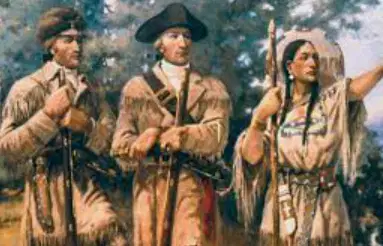
Thanks to the Lewis and Clark Expedition
Scientific observations were made
Maps of the area were created
Overland travel to the Pacific was proven possible
all ov the above
none of the above
What did Jefferson do to protect American trading rights?
nothing
issued a declaration of war against England
declared an embargo
declared neutrality
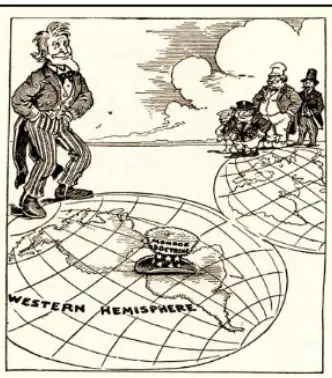
What was the Monroe Doctrine meant to do?
Keep European powers out of the Western Hemisphere
kick European powers out of the Western Hemishpere
Allow America to become and empire in the Western Hemisphere
Spread democracy throughout the Western Hemisphere
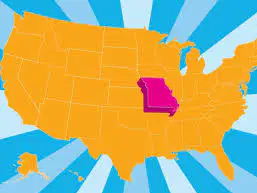
Which of the following is incorrect
Maine entered the Union as a free state in 1820
The Missouri Compromise was created by Henry Clay
Missouri entered the Union as a Slave state in 1821
Slavery was banned in all territory aquired from France (excpet MO)
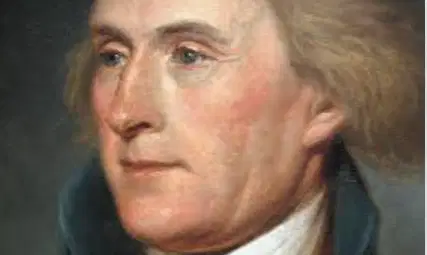
When Jefferson was first elected president,
federal debt increased
Pro-British trade policies were enacted
Hamilton's economic plan was dismantled
the excise tax was eliminated
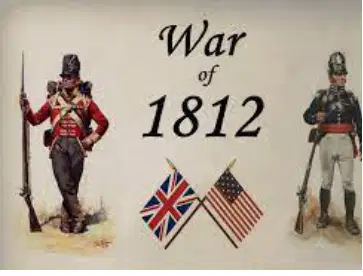
What was NOT a cause of the War of 1812
the invention of poutine
British relationships with Native Americans in the Northwest territory
American desire for westward expansion
the British policy of impressment
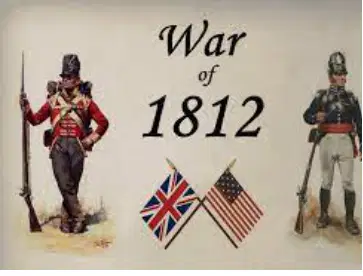
New Englanders who opposed the War of 1812 and resented the strength of Southern and Western interests in Congress
were called War Hawks
were called anglophiles
were members of the Hartford Convetion
favored restoring trade relations with France
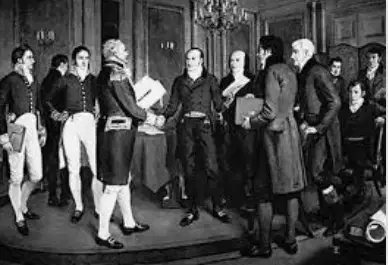
What was NOT a purpose of the Hartford Convention?
Called for economic protections for New Englanders/Federalists
To demanded compensation for lost revenue dating back to 1807
to strenghthen the American cause in the fight against England
Called for political protection for New Englanders/Federalists
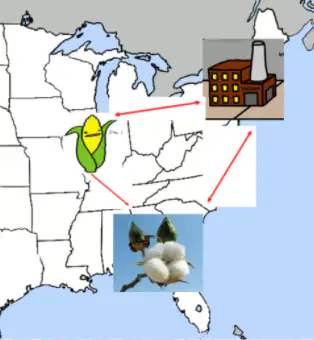
What was NOT a part of the American System?
Internal improvements for improved transportation
The re-charter of the Bank of the United States
Increased tariffs to protect American industry
Allowing Missouri to enter the Union
Which President(s) did their best to uphold Washington's Neutrality Proclamation?
John Adams
Thomas Jefferson
James Madison
James Monroe
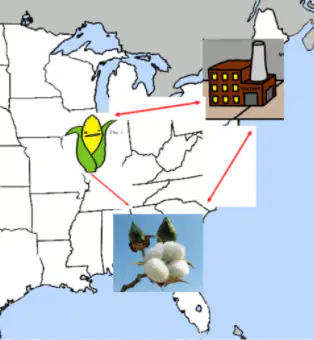
What was the major objective behind the American System?
to join the country to gether to promote nationalism and the economy
improve transportation internationally
finally evict England from the Old Northwest Territory
keep the regions of the country economically specialized
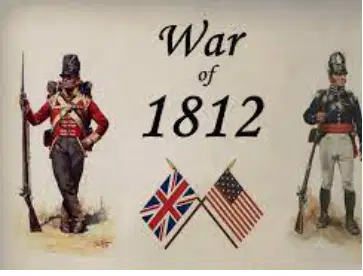
The majority of support for the War of 1812 came from
Federalists in the Northeast
War Hawks from the Western states
Merchants in the Mid-Atlantic region
Planters in the Southeast
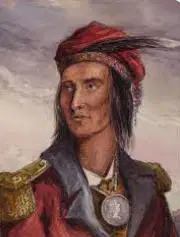
Name the Native American responsible for confederating tribes against the US immediately preceeding the War of 1812?
Pocahantas
Techumseh
Little Turtle
Sacajawea
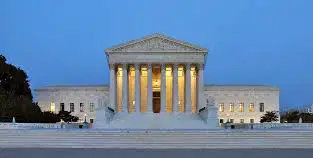
What is the signficance of the Supreme Court cases during this era?
the decisisons strengthened federal power
the decisions weakened federal power
the decisions strengthened state power
the decisions weakened federal power


What organized the western U.S. territory & provided for schools?
Land Ordinance of 1785
Proclamation of 1763
Western Decree of 1787
Kentucky & Virginia Resolutions
How did the Great Compromise solve the issue of state representation in the national legislature?
unicameral legislature with 3-7 delegates based on population
bi-cameral legislature; by population & equal representation
bi-cameral legislature with # of representatives based on population
unicameral legislature with equal representation
Alexander Hamilton believed in a-
Loose interpretation of the Constitution
Strict interpretation of the Constitution
As a result of the French and Indian War,
relations between the French and American colonists improved dramatically.
France was able to hold on to Canada but lost the rest of its North American empire.
the Americans and British developed a mutual respect for each other's military abilities
Britain felt it necessary to abandon the practice of salutary neglect
The argument that "abuses and usurpations" by King George and his government violated the social contract that had existed between Britain and its American colonies was articulated in
the Treaty of Paris
the Declaration of Rights
the Declaration of the Causes and Necessities for Taking Up Arms
the Declaration of Independence
The President's Cabinet refers to
Where the president keeps his unmentionables.
Where the president keeps his beverages.
The president's competition.
The president's advisers.

The most immediate objective of the Albany Congress was to
bring to an end the French and Indian War
convince American colonists to boycott British-made goods
end hostilities between Native Americans and French settlers in the Ohio Valley
improve relations with the Iroquois tribes
A major goal of the French in wanting to maintain control over the Ohio Valley was to
prevent attacks by Native Americans on their forts and outposts
eventually expand into Canada
merge their landholdings from Canada to the Mississippi Valley
exploit the lumber trade
Which of the following colonies did not send delegates to the First Continental Congress?
New York
Georgia
South Carolina
Pennsylvania
All of the following are true regarding the Antifederalists EXCEPT
their important leaders included John Hancock and Patrick Henry.
their political support came mostly from backcountry and agricultural areas
debtors were supporters of the Antifederalists
they maintained their was no need for a bill of rights
North Carolina refused to ratify the Constitution
because the government under the AOC had not yet determined the status of its western land claims.
until Congress imposed a boycott on the state.
until the government removed British forts from its western frontier.
unless a bill of rights would eventually be added.
Who created the national Bank?
Ms. Quarles
George Washington
Benjamin Franklin
Alexander Hamilton
Thomas Jefferson's political affiliation is
Democratic Republican
Federalist
Independent
Trumpsonian
The XYZ Affair
involved three French officials who tried to bribe the US in order to see Talleyrand
was a way to resolve the problems of Jay’s Treaty
occurred during Thomas Jefferson’s Presidency
created a strong wave of anti-British feeling at home in the US
Thomas Jefferson completing the Louisiana Purchase went against his belief of
A strict interpretation of the Constitution
Alliance with France
The Federal Government should expand its power
The State’s should be dissolved

