
 Worksheets
Respiratory Final Test Practice
Total questions: 85
Worksheet time: 59mins

Which structures branch off from the section in green? (select all that apply)
Trachea
Nasopharynx
Esophagus
Larynx
Uvula
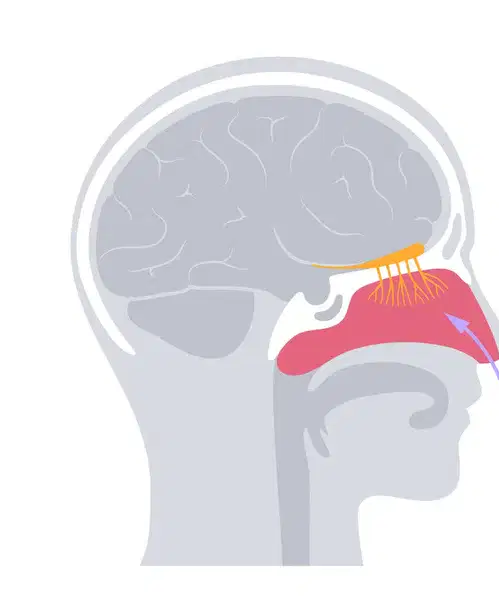
What is the function of the structure highlighted in yellow?
Filtering and humidifying air
Olfaction
Closing the nasopharynx during swallowing
Producing mucus
You go to urgent care, and the doctor notes swelling and inflammation in the back of your throat. What diagnosis would she likely write on your chart?
Esophagitis
Laryngitis
Pharyngitis
Mastitis
Which of the following are functions of mucus in the nasal cavity? (select all that apply)
Traps and clears dust and pathogens from the airway
Moistens and warms air as it enters
Closing off the nasopharynx during swallowing
Closing off the larynx during swallowing
Which structure creates the Adam's apple visible on the front of the throat (typically more so in men)?
C-shaped cartilage rings
The vocal cords
The pharynx
Thyroid cartilage
What is the function of the epiglottis?
Covers the esophagus during swallowing
Covers the larynx during swallowing
Covers the nasopharynx during swallowing
Houses the vocal cords for speech
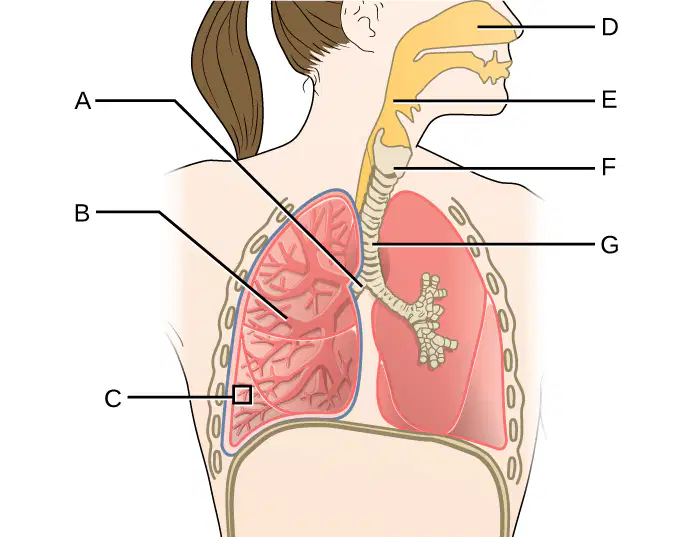
Match each structure with its correct label.
A
Bronchi
C
Bronchioles
E
Pharynx
F
Larynx
G
Trachea
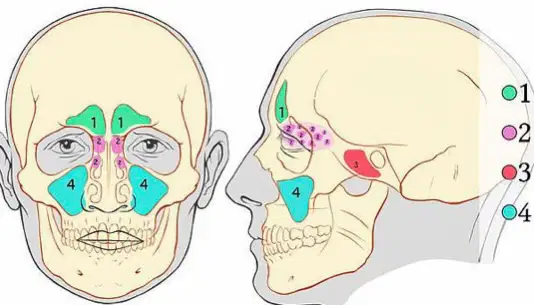
Match the numbered sinuses with their correct label.
1
Frontal
2
Ethmoid
3
Sphenoid
4
Maxillary
Label the following structures.
What is happening when the diaphragm contracts?
Inspiration (inhalation)
Expiration (exhalation)
What is happening when the diaphragm relaxes?
Inspiration (inhalation)
Expiration (exhalation)
True or False: the right lung has two lobes while the left lung has three.
True
False
True or False: there are millions of alveoli in each lung
True
False
Match each term with its corresponding description.
Parietal pleura
Outer layer forming sac around each lung
Visceral pleura
Inner layer directly attached to lungs
Pleural fluid
Provides lubrication in pleural cavity
Pleural space
Another name for pleural cavity
Mediastinum
Holds heart, esophagus, trachea, bronchi
You are having trouble speaking and your voice is very hoarse following a recent viral infection. What do you most likely have?
Pharyngitis
Laryngitis
Tracheitis
Bronchitis
The air that enters alveoli is high in ______ and low in ______.
Oxygen
Carbon Dioxide
Carbon Dioxide
Oxygen
Blood in the capillaries is high in ______ and low in ______.
Oxygen
Carbon Dioxide
Carbon Dioxide
Oxygen
Match each structure with the number of molecules it can hold.
Iron atom
1 oxygen molecule
Hemoglobin
4 oxygen molecules
Red blood cell hemoglobin capacity
250 million hemoglobin molecules
Red blood cell oxygen capacity
1 billion oxygen molecules
How is the majority of carbon dioxide transported in the blood?
As bicarbonate ions
Dissolved in plasma
Bound to hemoglobin
Bound to platelets
Which of the following is the process of gas exchange between the alveoli and the bloodstream?
Internal respiration
External respiration
Breathing
Cellular respiration
Which of the following is the process of gas exchange between the bloodstream and body cells?
Internal respiration
External respiration
Breathing
Cellular respiration
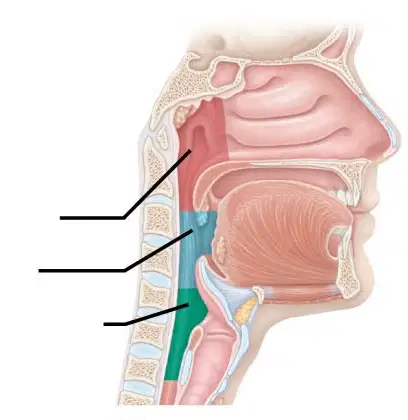
Match each colored section with its correct label.
Red
Nasopharynx
Blue
Oropharynx
Green
Laryngopharynx
Label the following structures.
How does the majority of oxygen travel in the bloodstream? (Select all that apply)
Dissolved in plasma
As bicarbonate
On platelets
On hemoglobin
On red blood cells
How does the majority of carbon dioxide travel in the bloodstream?
As bicarbonate
Dissolved in plasma
On hemoglobin
Through the alveoli
Which of the following is a waste product of body cells that needs to be removed by the bloodstream?
Carbon dioxide
Bicarbonate
Oxygen
Arsenic
Match each term with its definition.
Respiration
The process of gas exchange
Ventilation
Movement of air in and out of the lungs
Expiration
Movement of air out of the lungs
Inspiration
Movement of air into the lungs
Match each term with its definition.
Surfactant
Fluid lining the inside of alveoli
Compliance
The ability to stretch and expand
Internal Intercostals
Contract during expiration
External Intercostals
Contract during inspiration
Which of the following muscles contract during inspiration? (select all that apply)
External Intercostals
Diaphragm
Internal Intercostals
Epiglottis
Which of the following muscles contract during expiration? (select all that apply)
External Intercostals
Diaphragm
Internal Intercostals
Epiglottis
Which of these structures contracts to cause air to enter the lungs?
Alveoli
Epiglottis
Medulla Oblongata
Diaphragm
Which of the following is the strongest stimulus to increase respiratory rate?
Low oxygen levels
High carbon dioxide levels
Increased heart rate
Increased blood pressure
If your blood is low in carbon dioxide, how does your body respond?
Increase respiration rate
Decrease respiration rate
Increase heart rate
All of these
Match each term with its corresponding description.
Apnea
Cessation of breathing
Dyspnea
Difficulty breathing
-pnea
Breathing
Tachypnea
Abnormally fast breathing
Bradypnea
Abnormally slow breathing
Which of the following is characterized by an abnormally fast respiration rate that is not due to an increase in blood carbon dioxide levels?
Hypercapnia
Tachypnea
Hyperventilation
Hypoventilation
A person runs a mile and has a respiration rate of 38 breaths/min.
True or False: this would be considered tachypnea.
True
False
What is a normal adult resting respiration rate?
12-20 breaths/min
60-100 breaths/min
8-12 breaths/min
15-30 breaths/min
(a) is abnormally fast breathing without an underlying physiological reason.
(b) is abnormally fast breathing due to high carbon dioxide levels in the blood.
Why would breathing into a paper bag help treat hyperventilation?
It wouldn't; it does not work and is no longer recommended
It increases the amount of carbon dioxide inhaled in each breath
It decreases the amount of oxygen inhaled in each breath
It activates the sympathetic nervous system to slow heart rate and breathing
Why would sleeping cause the medulla oblogata to slow respiration rate?
Body cells are producing less carbon dioxide
Body cells need less oxygen at rest
It wouldn't; respiration rate would increase during sleeping
Sleeping doesn't have an effect on respiration rate
Which part of the body adjusts respiration rate in response to chemoreceptor signals from the bloodstream?
Medulla oblongata
Frontal lobe
Sympathetic nervous system
Sinoatrial node
Match each term with its description.
Hyperpnea
Rapid breathing due to exercise
Hyperventilation
Rapid breathing due to stress
Tachypnea
Rapid breathing at rest
Apnea
Temporary stopping of breathing
Bradypnea
Slow breathing at rest
If you have high lung compliance, would expiration be easier or harder?
Easier
Harder
A patient has episodic wheezing and dyspnea triggered by allergens and exercise. Which condition best explains this?
COPD
Asthma
Pneumonia
Emphysema
A patient has a productive cough following a recent viral illness. Which condition is most likely?
Acute bronchitis
Asthma
Tuberculosis
Asbestosis
Which condition is commonly referred to as a “Pink Puffer”?
Chronic bronchitis
Emphysema
Asthma
Atelectasis
Which feature best distinguishes emphysema from chronic bronchitis?
Dyspnea
Alveolar destruction
Smoking history
Chronic cough
Which condition involves collapse of alveoli due to lack of inflation?
Pneumothorax
Atelectasis
Pleural effusion
Pleurisy
Which pathology involves air entering the pleural space?
Pleural effusion
Pneumothorax
Atelectasis
Pleurisy
Sustained lack of oxygen delivery to tissues is known as:
Hypoxemia
Dyspnea
Asphyxia
Apnea
Which pathology is best described as chronic and progressive rather than acute?
Acute bronchitis
COPD
Pneumonia
Atelectasis
Which condition most directly interferes with exhalation rather than inhalation?
Asthma
Emphysema
Pleural effusion
Atelectasis
A patient has fever, body aches, fatigue, and cough from a viral respiratory infection. Which condition is most likely?
Nasopharyngitis
Influenza
Pneumonia
Tuberculosis
A patient has a runny nose, sore throat, and sneezing with mild symptoms. Which condition best fits?
Influenza
Nasopharyngitis
Pneumonia
Tuberculosis
Which feature is more characteristic of nasopharyngitis than influenza?
Viral cause
Airway inflammation
Mild, localized symptoms
Cough
Pneumonia primarily involves infection of the:
Bronchi
Pleural membranes
Alveoli
Pharynx
Which feature is shared by pneumonia and tuberculosis?
Chronic progression
Alveolar involvement
May be caused by virus, bacteria, or fungal infection
Exclusively bacterial
Tuberculosis is best described as:
Acute viral lung infection
Chronic bacterial lung infection
Autoimmune airway disease
Acute lung injury
Which is NOT typical of tuberculosis?
A. Bacterial cause
B. Gradual lung tissue damage
C. Rapid symptom resolution
D. Hemoptysis
A patient develops progressive dyspnea years after occupational exposure. Which condition fits best?
ARDS
Asbestosis
Pneumonia
Asthma
A critically ill patient develops sudden respiratory failure with fluid-filled alveoli. Which condition is most likely?
Asbestosis
ARDS
COPD
Tuberculosis
Which is NOT typical of ARDS?
Severe inflammation
Rapid development
Long-term asbestos exposure
Respiratory failure
A patient snores loudly and has daytime sleepiness despite continued breathing effort at night. Which condition fits?
Central sleep apnea
Obstructive sleep apnea
COPD
Laryngospasm
Which feature distinguishes obstructive from central sleep apnea?
Pauses in breathing
Reduced oxygen delivery
Continued respiratory effort
Sleep disruption
Central sleep apnea is caused by:
Airway obstruction
Failure of medulla oblongata to signal breathing
Lung tissue damage
Bronchial inflammation
A patient has repeated pauses in breathing during sleep with no respiratory effort. Which condition is most likely?
Obstructive sleep apnea
Central sleep apnea
Asthma
COPD
Which feature is shared by both types of sleep apnea?
Airway collapse
Neurologic cause
Pauses in breathing during sleep
Continued breathing effort
Which is NOT characteristic of central sleep apnea?
Open airway
No respiratory effort
Brain signaling failure
Loud snoring from airway collapse
What kind of medication do you think is used to treat an asthma attack?
Bronchodilators
Antibiotics
Bronchoconstrictors
There is no medication to help asthma
What is typically the cause of acute bronchitis?
Smoking
Exposure to a trigger like cold air
A viral infection
Alveolar collapse
Which of the following is NOT a common characteristic between asthma and acute bronchitis?
Wheezing
Dyspnea
Inflammation of the bronchi
Productive cough
Which of the following statements about Chronic Obstructive Pulmonary Disease (COPD) are TRUE? (select all that apply)
Chronic and worsens over time
Caused by viral infections
Caused by long term smoking
Includes acute and chronic bronchitis
Involves obstruction of airway making breathing difficult
Why do people with chronic bronchitis present as "blue bloaters"?
Lack of oxygen exchange leads to cyanosis
Hyperinflation of lungs leading to cyanosis
They cough up blue phlegm
Their skin turns blue due to high levels of carbon dioxide
As emphysema progresses, lung compliance _________.
Increases
Decreases
Stays the same
Improves
Why are patients with emphysema called "pink puffers"?
Their oxygen levels are normal compared to chronic bronchitis
They develop polycythemia due to low blood oxygen levels
They develop a rash due to low carbon dioxide levels
They are anxious and tend to hyperventilate
Which of the following is NOT a common characteristic between atelectasis and pneumothorax?
Limits the ability of a lung to inhale fully
Considered a "collapsed lung"
Treated with deep breathing exercises
May occur in surgical patients
Which pathology is treated by removing air from the pleural space with a needle or tube?
Atelectasis
Pneumothorax
Pleurisy is also known as:
Pleuritis
Pleuropathy
Pleural effusion
Hemothorax
What is occurring in a patient with pleural effusion?
Air in the pleural space
Inflammation of the pericardium
Fluid in the pleural space
Inflammation of the pleura
What structure is involuntarily closing during laryngospasm to block airflow?
Epiglottis
Vocal cords
Trachea
Thyroid Cartilage
Low levels of oxygen in blood is ________ and low levels of oxygen reaching the tissues is ________.
Hypoxemia
Hypoxia
Hypoxia
Hypoxemia
Anemia
Bradypnea
Hypopnea
Bradycardia
Which of the following is TRUE about asphyxia and anoxia?
Asphyxia leads to anoxia
Anoxia leads to asphyxia
The two terms are unrelated
Both mean the same thing
Match each pathology with its corresponding description.
Asthma
Chronic inflammatory airway disease with reversible bronchoconstriction
Acute Bronchitis
Short-term viral inflammation of the bronchi
Chronic Bronchitis
Chronic airway inflammation with excessive mucus
Emphysema
Alveolar destruction causing loss of elastic recoil
Pneumonia
Acute infection of alveoli impairing gas exchange
Match each pathology with its description.
Atelectasis
Collapse of alveoli due to lack of inflation
Pneumothorax
Air in pleural space causing lung collapse
Pleurisy
Inflammation of the pleural membranes
Pleural Effusion
Fluid in pleural space compressing the lung
Match each pathology with its corresponding description.
Influenza
Acute viral respiratory infection with systemic symptoms
Nasopharyngitis
Mild viral infection of nasal cavity and pharynx
Tuberculosis
Chronic bacterial lung infection with slow tissue damage
Asbestosis
Chronic lung scarring from asbestos exposure
ARDS
Acute lung injury with fluid-filled alveoli

