
 Worksheets
Chapter 2 Learning Objectives
Total questions: 10
Worksheet time: 5mins
Which combining form refers specifically to the abdomen region in medical terminology?
abdomin/o
adip/o
anter/o
brachi/o
A clinician documents anterior chest pain. Which combining form aligns with anterior?
cephal/o
caud/o
dors/o
anter/o
Identify the combining form that means skull, distinguishing it from head in general.
cervic/o
dermat/o
cephal/o
crani/o
Pick the combining form that means cell
enter/o
eti/o
dermat/o
cyt/o
Which combining form denotes epithelium, the tissue lining surfaces?
cyt/o
epitheli/o
crani/o
dermat/o
Which combining form refers to blood in medical terminology?
immun/o
hemat/o
hist/o
laryng/o
Eti/o is best defined as the combining form meaning what?
Cell structure
Back side body
Intestinal tract
Cause of disease
Select the combining form that best relates to the armpit region in clinical terminology.
Inguin/o
Infer/o
Later/o
Laryng/o
Glute/o
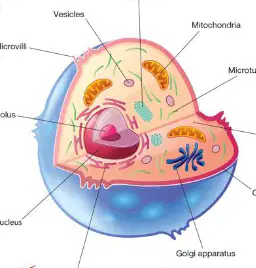
Which statement best distinguishes somatic cells from gametes in humans?
Gametes are diploid with paired chromosomes
Somatic cells are haploid with single chromosomes
Somatic cells are diploid with paired chromosomes
Gametes divide only by mitosis in adults
Which set best illustrates how multiple organs form the respiratory system to exchange gases with the environment?
Atria, ventricles, arteries, veins, capillaries, valves
Mouth, esophagus, stomach, pancreas, liver, colon
Nasal cavity, pharynx, larynx, trachea, bronchi, lungs
Skin, sweat glands, hair follicles, nails, sensory nerves

