
 Worksheets
Cranial n
Total questions: 20
Worksheet time: 10mins
56-year-old woman has recurrent, brief (seconds) episodes of severe, stabbing pain over the right cheek and
jaw. Attacks are triggered by brushing teeth and light touch. Between attacks, neuro exam is normal; no rash.
Best initial treatment?
High-dose NSAIDs as first-line therapy
Start sodium-channel blocker therapy
Immediate facial CT to confirm diagnosis
Emergent steroids + antivirals
Opioids as long-term primary therapy
32-year-old man woke up with left facial weakness progressing over 24 hours. He cannot raise his left
eyebrow or close the left eye fully. Taste is altered. No limb weakness, no speech deficit, no rash, afebrile.
Most appropriate ED treatment?
Reassurance only—no medications
Start oral corticosteroids as soon as possible
Start anticoagulation for presumed stroke
Head CT in all cases before any therapy
Start antibiotics for otitis media
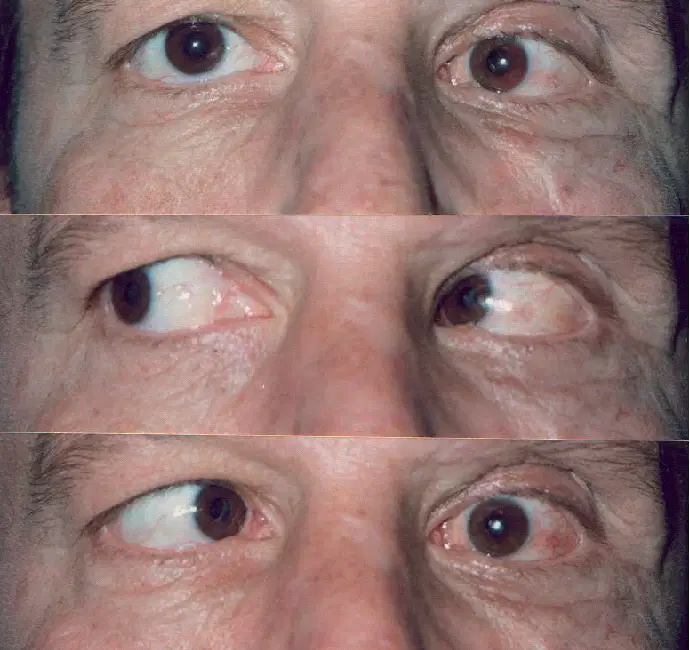
Which cranial nerve is affected?
CN II
CN III
CN IV
CN VI
47-year-old woman has right facial weakness plus severe ear pain and vertigo. Exam shows vesicular lesions
in the external auditory canal; she has hyperacusis and difficulty closing the right eye.
Best treatment?
Prednisone
Valacyclovir/acyclovir
Prednisone + antiviral therapy + meticulous eye care
Immediate thrombolysis
No treatment—self-limited
70-year-old man develops sudden right lower facial droop and dysarthria. He can raise both eyebrows
symmetrically. Arm strength is subtly reduced on the right. BP 190/100.
Next best step?
Diagnose Bell’s palsy and start steroids
Discharge with eye drops and reassurance
Activate stroke evaluation and obtain emergent brain imaging
Start antivirals for presumed zoster
Treat as trigeminal neuralgia

Which nerve is affected?
CN II
CN III
CN IV
CN VI
52-year-old man reports 8 months of progressive left-sided hearing loss and constant tinnitus. He describes
imbalance rather than true spinning vertigo. Neuro exam is otherwise normal.
Best diagnostic test to evaluate suspected cause?
Non-contrast head CT
MRI (posterior fossa/internal auditory canal) plus outpatient audiometry assessment
Carotid ultrasound
Lumbar puncture
Trial of antibiotics for otitis interna
54-year-old man with poorly controlled diabetes presents with diplopia. Exam: right eye is ‘down and out’
with ptosis. Right pupil is larger than the left and poorly reactive to light. No limb weakness.
Most appropriate next step?
Discharge with reassurance—microvascular palsy
Start steroids for presumed inflammatory neuropathy
Urgent neurovascular imaging to evaluate for aneurysm/compression (CTA/MRA/MRI)
Start anticoagulation for presumed embolic event
Treat with antibiotics for sinusitis

Which Cranial nerve is affected?
CN II
CN III
CN IV
CN VI
62-year-old man with long-standing diabetes has 2 days of binocular diplopia and mild right ptosis. Exam:
limited adduction/elevation on the right, but pupils are equal and reactive. No pain and no other neuro
deficits.
Most likely mechanism and typical course?
External compression; requires emergent aneurysm repair in all cases
Zoster infection; vesicles usually appear later
Neuromuscular junction disorder; fluctuating weakness is expected
Microvascular ischemic cranial mononeuropathy; often pupil-sparing and resolves over weeks
Acute stroke; permanent deficits are expected
28-year-old woman presents with horizontal diplopia worse when looking to the left. Exam: inability to
abduct the left eye (CN VI palsy). She also has daily headaches and papilledema on fundoscopy.
Next best step?
Urgent neuroimaging to evaluate for increased intracranial pressure/structural lesion, then LP if
appropriate
Discharge—isolated cranial nerve palsies are always benign
Urgent neuroimaging to evaluate for increased intracranial pressure/structural lesion, then LP if
appropriate
Start carbamazepine
Start prednisone for Bell’s palsy
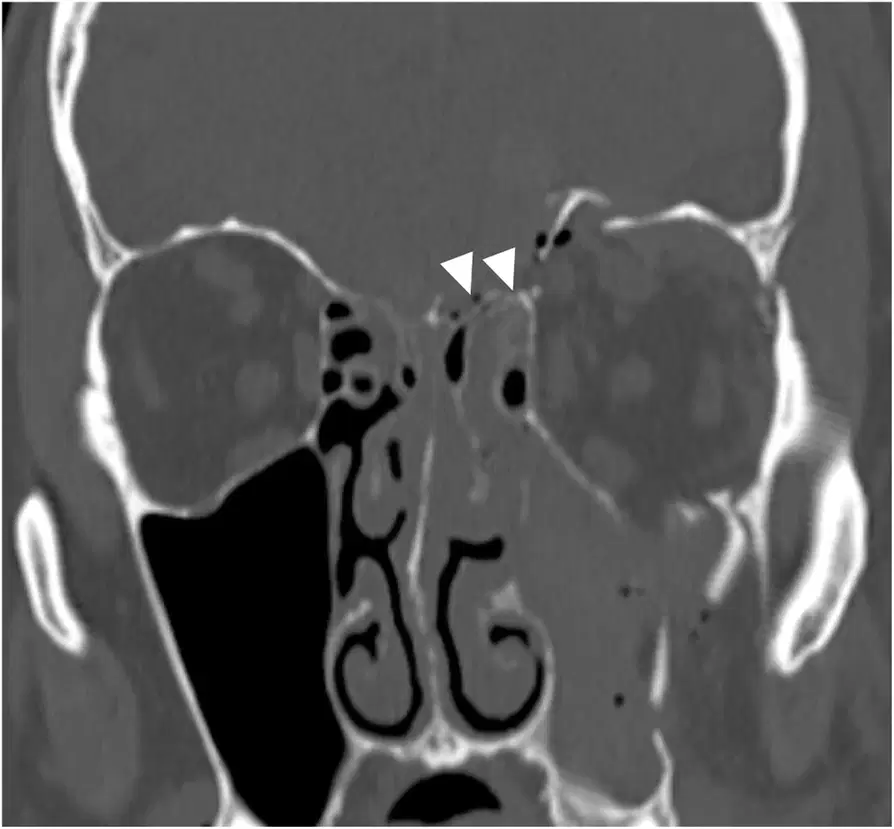
45 y/o man presenting after MVA and head trauma. He complains of salty taste dripping into his throat. This is his Head CT. What cranial nerve injury is associated with this injury?
CN IV
CN I
CN II
CN III
Most common cause of bilateral LMN Facial Nerve Palsy?
Sarcoidosis
Borrelia Burgdorfrei
GBS
Diabetic cranial neuropathy
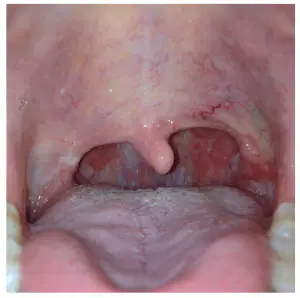
70 y/o male presents with sore throat, muffled voice and dysphasia. Which nerve is affected?
Right CN IX
LEFT CN IX
RIGHT CN X
LEFT CN X
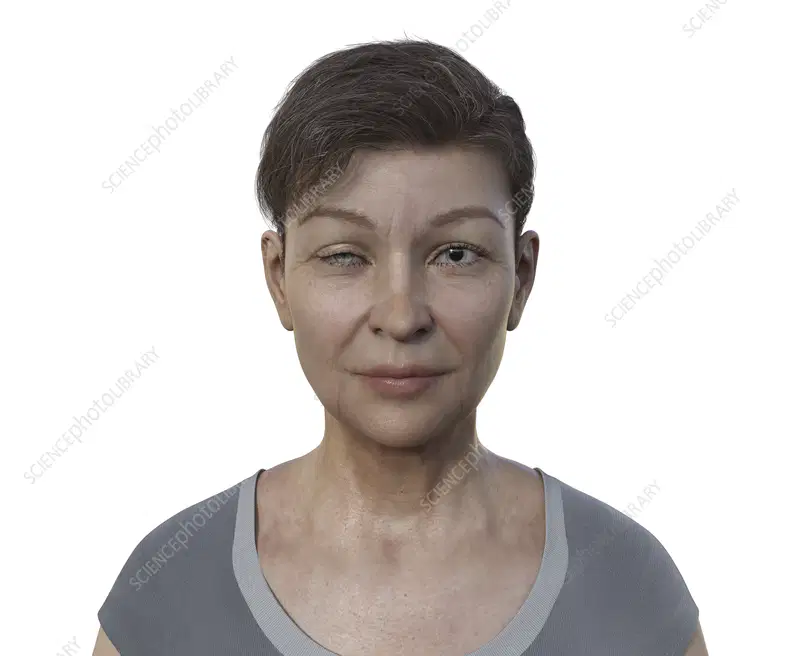
67 y/o female presents with sudden onset nystagmus, dysphagia and vertigo. On p/e she appears like this. Dx?
Horner’s Syndrome
Oculomotor nerve palsy
PCA stroke
Wallenberg Syndrome
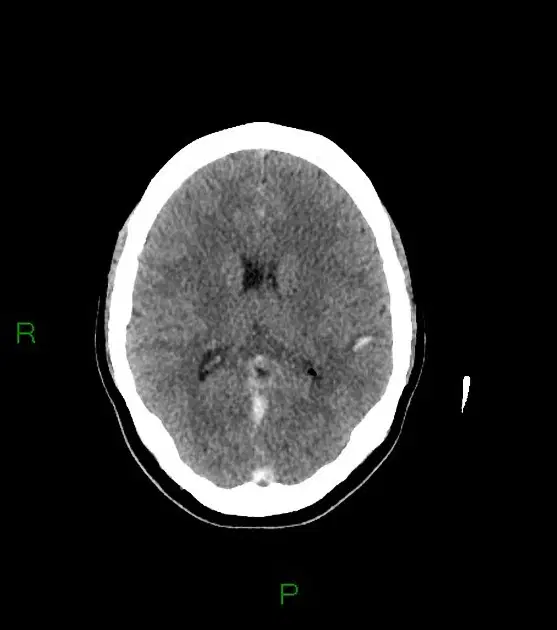
A 33-year-old postpartum woman presents with severe progressive headache for 5 days, nausea, and vomiting. She then develops a generalized seizure in the ED. Neurologic exam shows mild left arm weakness.
This is her plain CT Brain. What is the name of this sign?
Empty Delta Sign
Cashew nut sign
Venous Thrombus
Intraventricular hemorrhage
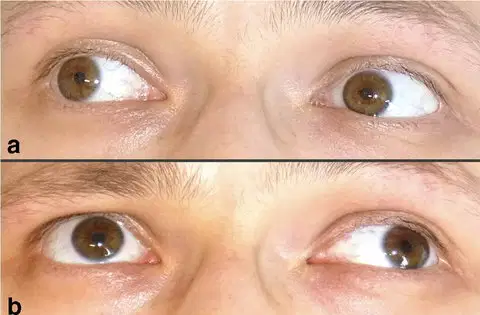
29-year-old woman presents with 3 days of progressive right-sided weakness and diplopia. She denies headache or seizures. She reports a similar episode one year ago that resolved spontaneously. She is afebrile. CT head is normal.
Ocular exam reveals is abnormal.
What is the most likely diagnosis?
CVT
Ischemic stroke
Multiple Sclerosis
Optic neuritis
34 y/o male presents with RT upper limb weakness for 5 days. He has difficulty shrugging his shoulder and turning his head. PSH is significant for tumor resection in neck 1 month ago. Which nerve injury is suspected?
CN XI
CN XII
Suprascapular nerve
Axillary nerve
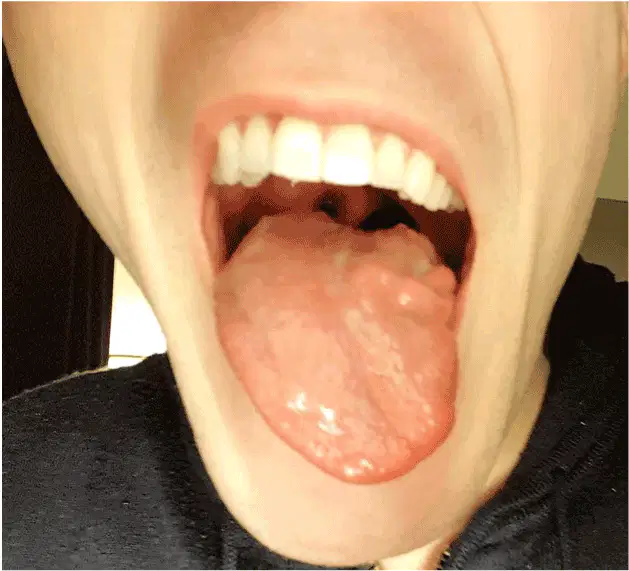
56 y/o female DM2 HTN presents with dysarthria and dysphagia for 6 months. On protrusion on the tongue it is atrophied & deviated to one side. Which cranial nerve injury is suspected?
RIGHT CN XI
RIGHT CN XII
LEFT CN XI
LEFT CN XII
Which of the following best defines optic neuritis?
Painless, bilateral loss of peripheral vision
Painful monocular vision loss
Gradual, painless vision loss
Sudden, painless complete vision loss

