
 Worksheets
First Semester Biology Final Study Guide
Total questions: 65
Worksheet time: 33mins
Name
Class
Date
1.

Kalani wants to know the effect of different colors of light on the growth of plants. Kalani makes the claim that, if plant growth is affected by color of light, then white light will produce the most plant growth.
1. She buys 5 ferns of the same species, which are all approximately the same age and height.
2. She places one in white light, one in blue light, one in green light, one in red light and one in the closet.
3. All of the ferns are planted in Miracle-Grow and given 20 mL of water once a day for 2 weeks.
4. After the two weeks, Kalani observes the plants and makes measurements.
What is the INDEPENDENT (MANIPULATED) VARIABLE in this experiment?
a)
the plants
b)
the color of the light
c)
the amount of water
d)
the amount the plants grow
2.
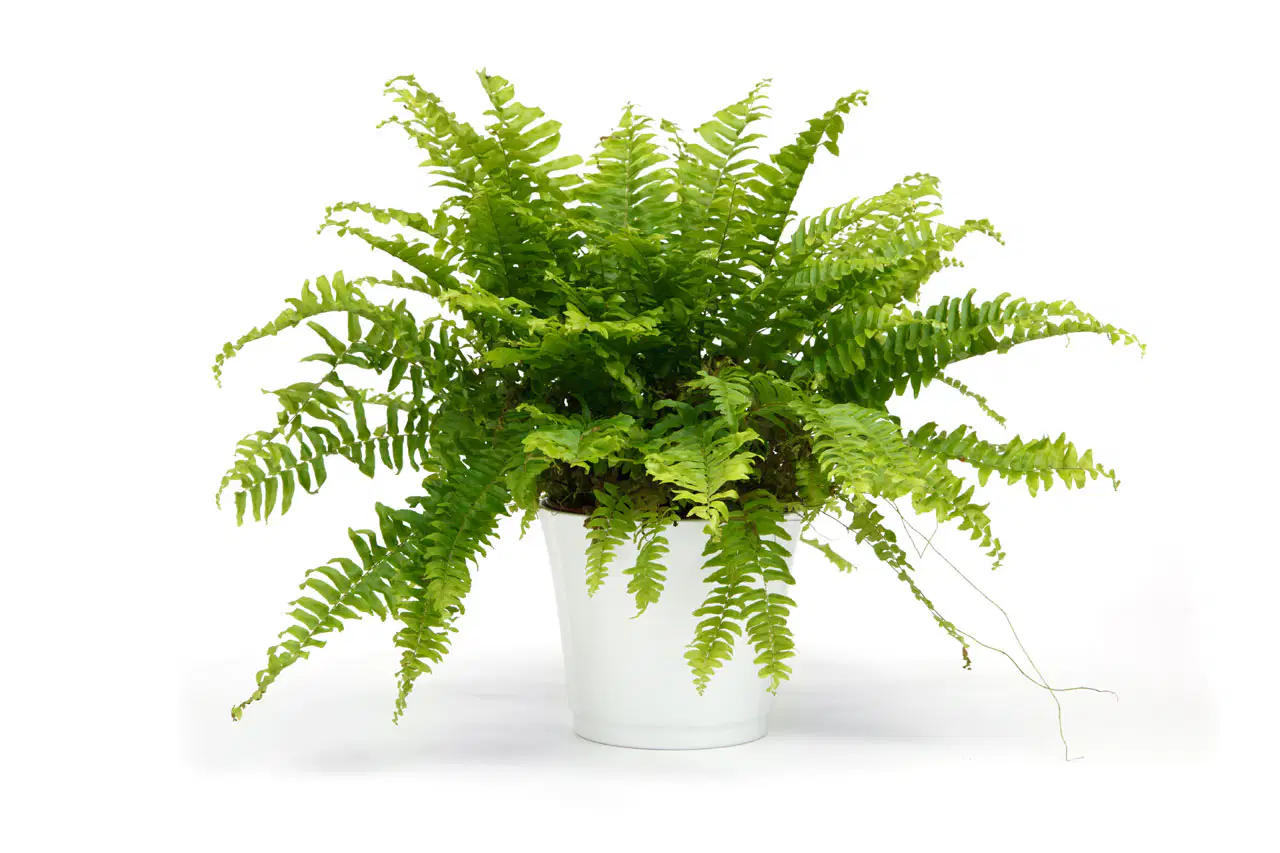
Kalani wants to know the effect of different colors of light on the growth of plants. Kalani makes the claim that, if plant growth is affected by color of light, then white light will produce the most plant growth.
1. She buys 5 ferns of the same species, which are all approximately the same age and height.
2. She places one in white light, one in blue light, one in green light, one in red light and one in the closet.
3. All of the ferns are planted in Miracle-Grow and given 20 mL of water once a day for 2 weeks.
4. After the two weeks, Kalani observes the plants and makes measurements.
What is the DEPENDENT (RESPONDING) VARIABLE in this experiment?
a)
the plants
b)
the color of the light
c)
the amount of water
d)
the amount the plants grow
3.

Kalani wants to know the effect of different colors of light on the growth of plants. Kalani makes the claim that, if plant growth is affected by color of light, then white light will produce the most plant growth.
1. She buys 5 ferns of the same species, which are all approximately the same age and height.
2. She places one in white light, one in blue light, one in green light, one in red light and one in the closet.
3. All of the ferns are planted in Miracle-Grow and given 20 mL of water once a day for 2 weeks.
4. After the two weeks, Kalani observes the plants and makes measurements.
What is the CONSTANT FACTOR in this experiment?
a)
the color of the light
b)
the amount of water
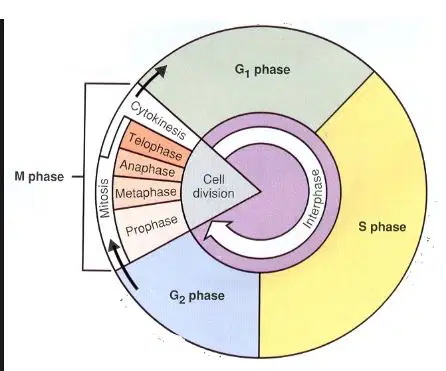
c)
the amount the plants grow
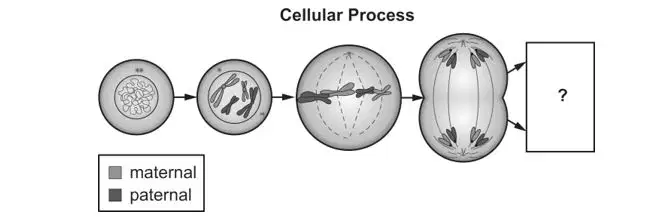
4.

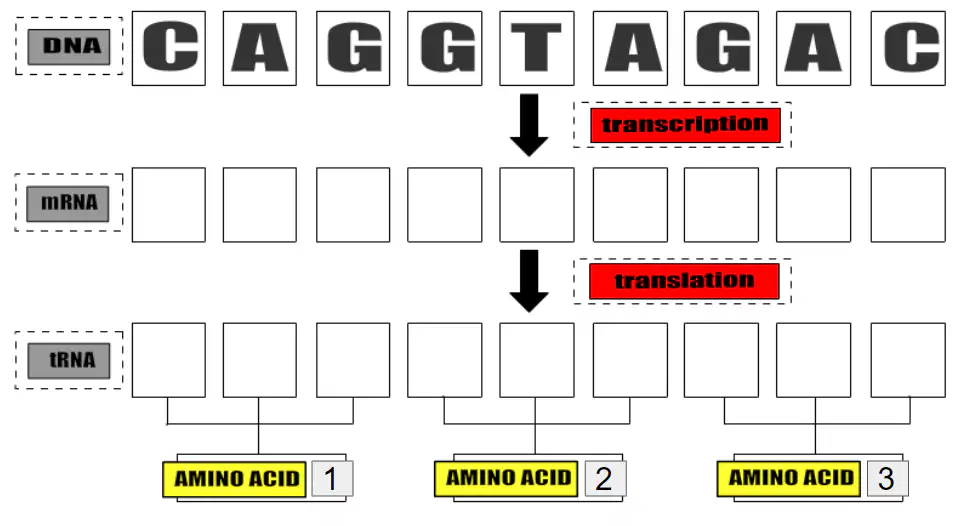
Kalani wants to know the effect of different colors of light on the growth of plants. Kalani makes the claim that, if plant growth is affected by color of light, then white light will produce the most plant growth.
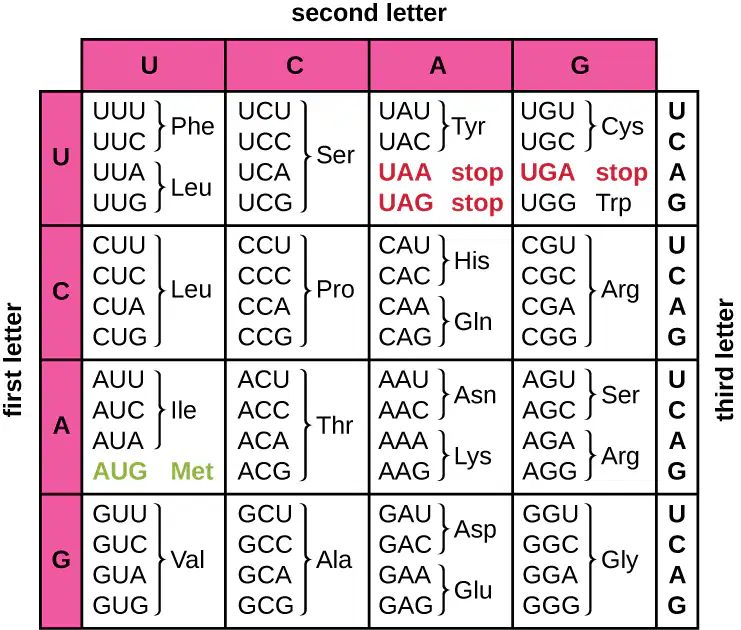
1. She buys 5 ferns of the same species, which are all approximately the same age and height.
2. She places one in white light, one in blue light, one in green light, one in red light and one in the closet.
3. All of the ferns are planted in Miracle-Grow and given 20 mL of water once a day for 2 weeks.
4. After the two weeks, Kalani observes the plants and makes measurements.
What is the EXPERIMENTAL CONTROL GROUP?
a)
The fern in the closet
b)
the amount of water given to all
c)
the amount the plants grow
5.
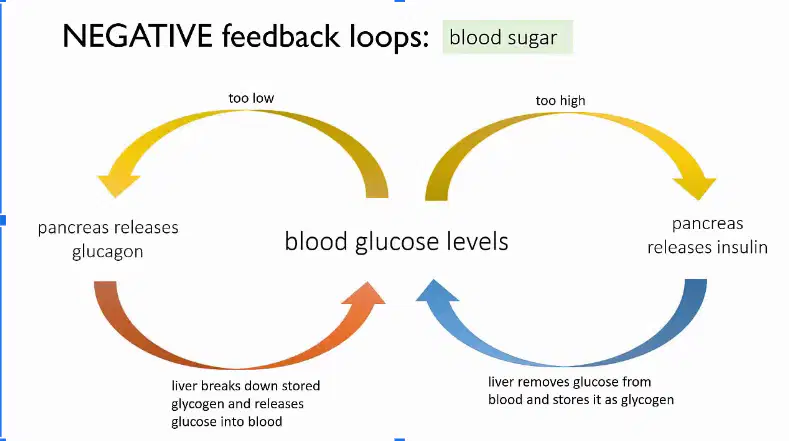
In the image below... why would the release of insulin from the pancreas be an example of a NEGATIVE feedback loop
a)
Because the release of insulin counteracts the increase the blood glucose
b)
Because the release of insulin amplifies the increase the blood glucose
c)
Because the release of glucagon counteracts the increase the blood glucose
d)
Because the liver distributes oxygen to the body
6.
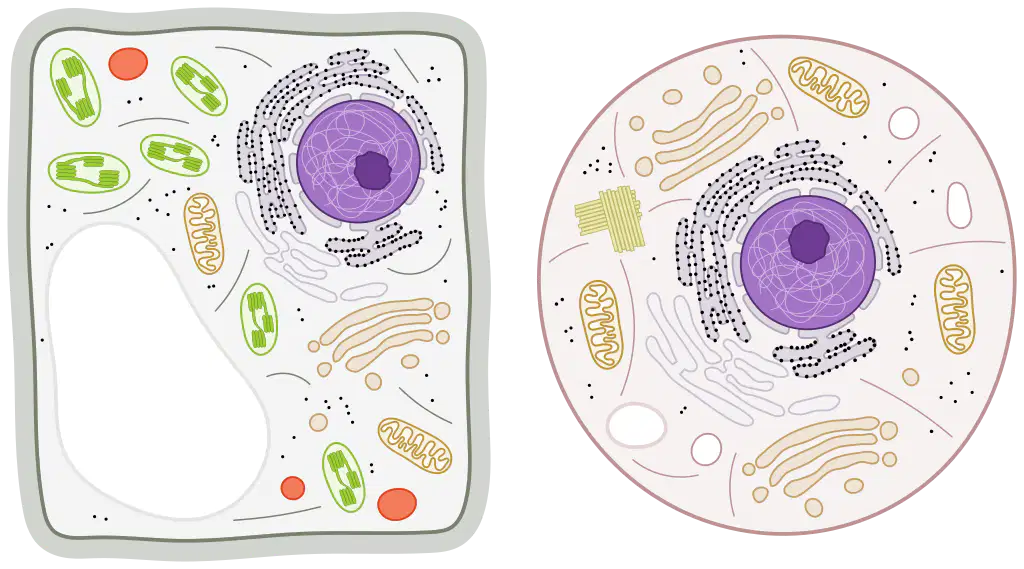
Which characteristics do animal and plant cells share?
a)
Cell membrane
b)
Cytoplasm
c)
Nucleus
d)
Membrane bound organelles
e)
All listed
7.
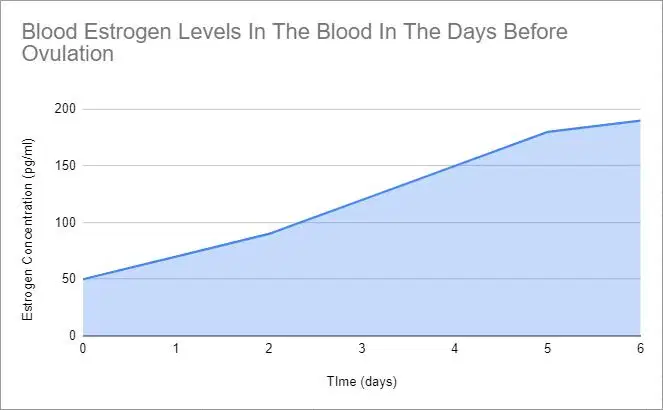
Is this graph an example of positive or negative feedback?
a)
Positive feedback
b)
Negative feedback
8.
On a hot day, which of these is an outward sign that thermoregulation is taking place to maintain homeostasis?
a)
sunburn
b)
sweating
c)
dry mouth
d)
slow breathing
9.
Which of the following is NOT a characteristic of life?
a)
Respond to Environment
b)
Grow and Develop
c)
Maintains homeostasis
d)
Has at least 5 senses
10.
Your body shivers when you are cold. This is because of the concept of...
a)
homeostasis
b)
heredity
c)
energy metabolism
d)
cellular organization
11.
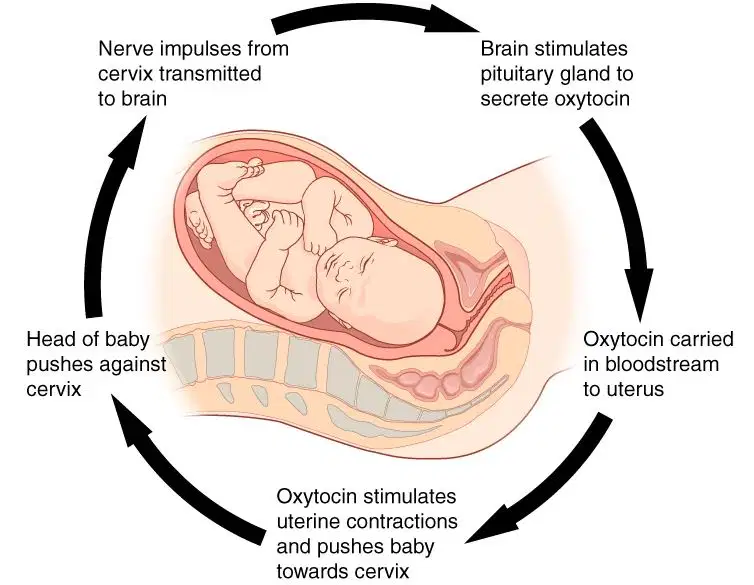
What type of feedback loop occurs during childbirth, and is shown below?
a)
negative
b)
neutral
c)
positive
12.
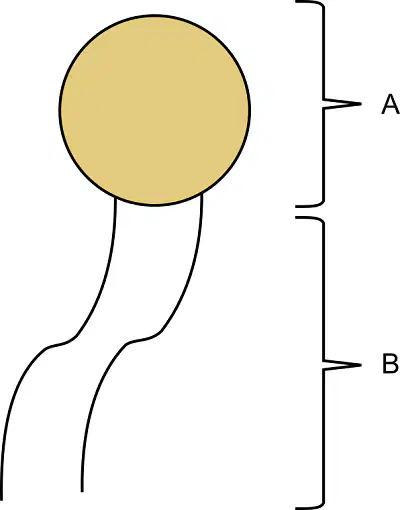
Which region of the phospholipid is hydrophobic?
a)
A
b)
B
13.
Enzymes are an example of which macromolecule?
a)
Lipids
b)
Carbohydrate
c)
Protein
d)
Nucleic Acid
14.
What is the function of an enzyme?
a)
a catalyst that speed up chemical reactions in a cell
b)
a catalyst that slows down chemical reactions in a cell
c)
a large molecule that stores genetic information
d)
a long term store of energy
15.
The term hydrophobic means:
a)
water fearing
b)
water changing
c)
water loving
d)
water making
16.
What is the monomer that makes up protein?
a)
glucose
b)
nucleic acid
c)
amino acid
d)
fatty acid
17.
Which property of water is most responsible for water moving from the roots to the leaves of a plant?
a)
osmosis
b)
high specific heat
c)
low boiling point
d)
adhesion and cohesion
18.
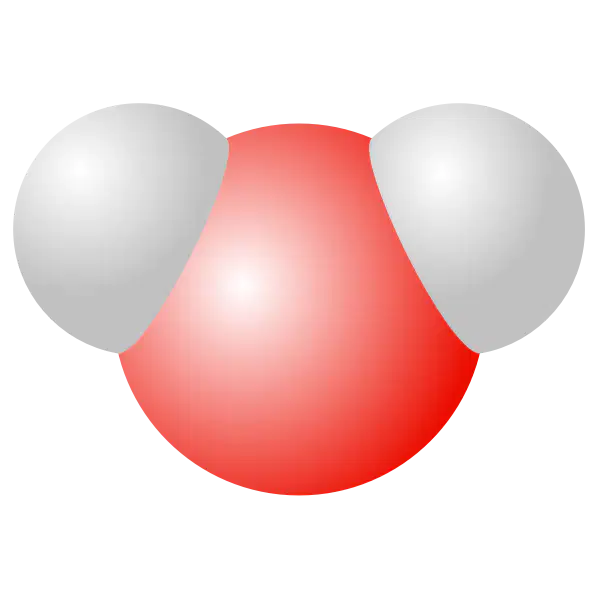
Which of the following makes up a molecule of water?
a)
one atom of hydrogen and one atom of oxygen
b)
one atom of sodium and one atom of chlorine
c)
carbohydrates, fats, nucleic acids, protein
d)
two atoms of hydrogen and one atom of oxygen
19.
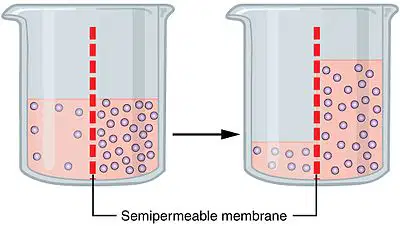
The image shows water (red liquid) moving across a semipermeable membrane. Solute particles are shown as purple circles.
The process of water molecules diffusing from an area of high concentration to low concentration is called...
a)
Exodiffusion
b)
Endocytosis
c)
Osmosis
d)
Active transport
20.
The monomer of a lipid is:
a)
monosaccharide
b)
amino acid
c)
fatty acid
d)
sucrose
21.
Water molecules are polar, with the
a)
oxygen side being slightly positive and the hydrogen side being slightly negative.
b)
oxygen and hydrogen sides being slightly positive.
c)
oxygen and hydrogen sides being slightly negative.
d)
oxygen side being slightly negative and the hydrogen side being slightly positive.
22.

What is the main function of phospholipids in a cell?
a)
form the cell membrane
b)
produce energy for the cell
c)
contain genetic information
d)
increase the rate of reactions
23.
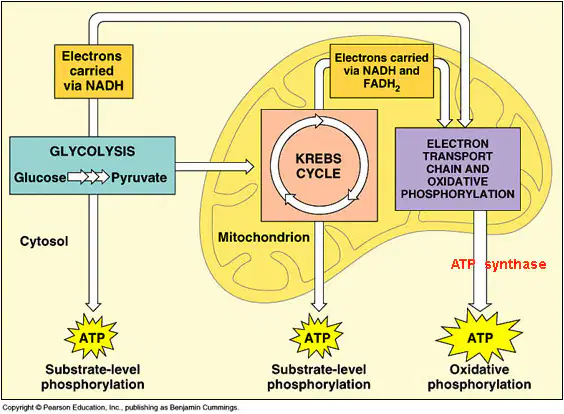
What step in cellular respiration is glucose broken down into pyruvate?
a)
photosynthesis
b)
Krebs Cycle
c)
Glycolysis
d)
The Electron Transport Chain
24.
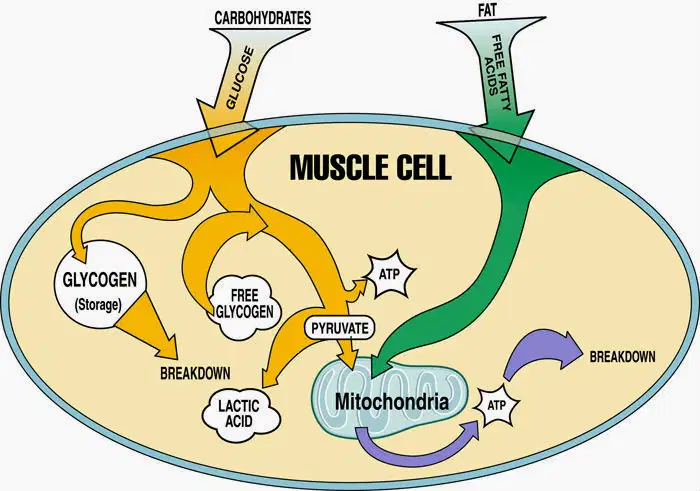
During which process is lactic acid formed when there is not enough oxygen present for cellular respiration to take place?
a)
fermentation
b)
gycolysis
c)
Calvin Cycle
d)
Krebs Cycle
25.
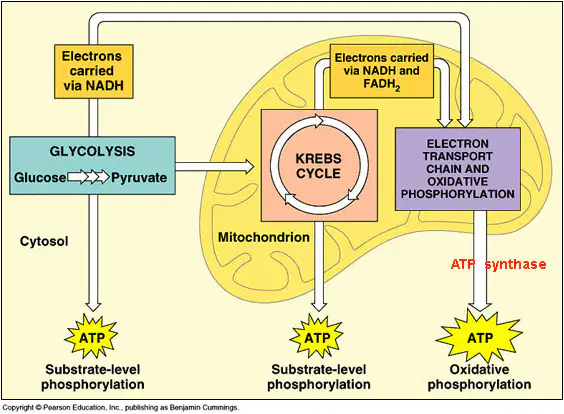
Approximately how many ATP are produced in the electron transport chain?
a)
2-4
b)
4-6
c)
10-12
d)
32-34
26.
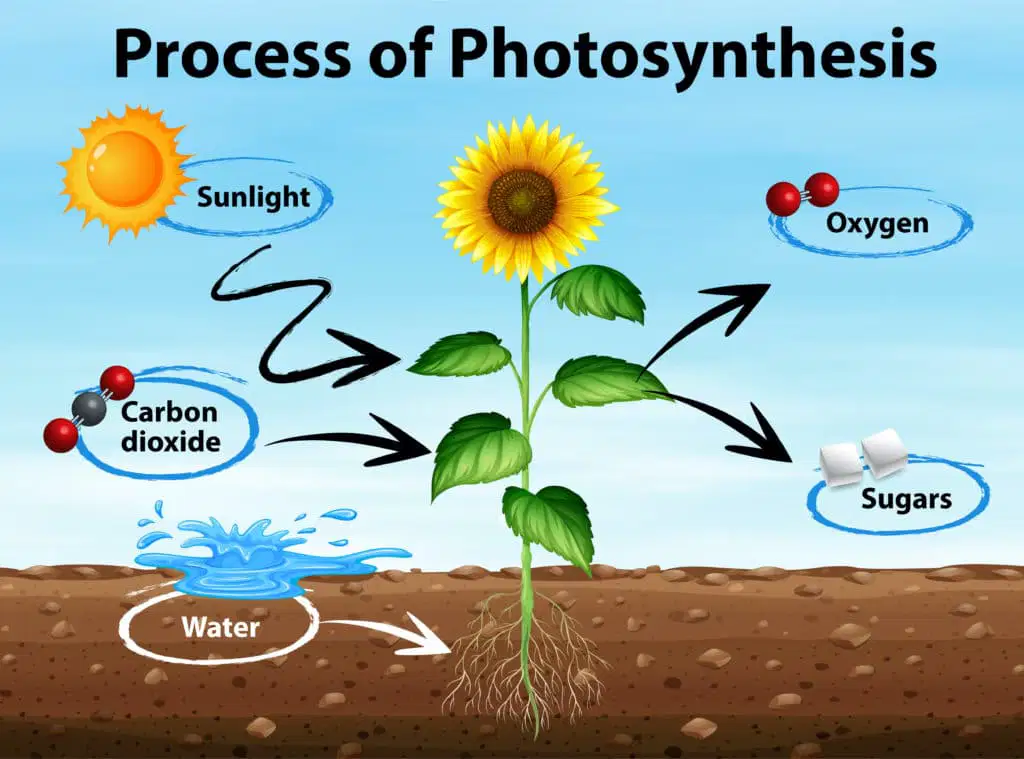
Plants get the energy they need for photosynthesis by absorbing:
a)
high-energy sugars.
b)
chlorophyll a.
c)
chlorophyll b.
d)
sunlight.
27.
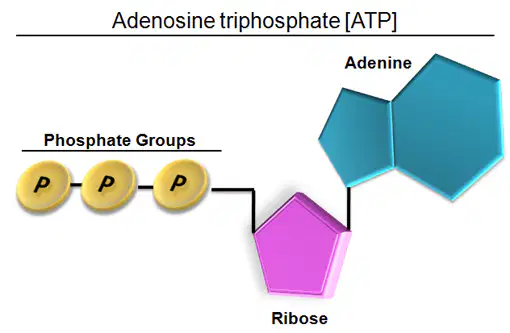
Energy is released from ATP when
a)
a phosphate group is added.
b)
adenine bonds to ribose.
c)
ATP is exposed to sunlight.
d)
a phosphate group is removed.
28.

What happens during photosynthesis?
a)
Heterotrophs consume ATP.
b)
Heterotrophs produce ATP.
c)
Autotrophs consume carbohydrates.
d)
Autotrophs produce carbohydrates.
29.
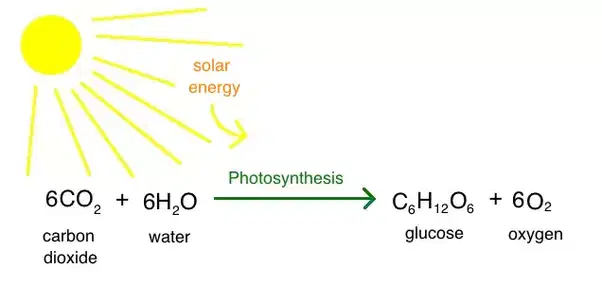
A student is collecting the gas given off from a plant in bright sunlight at a temperature of 27C (81F). The gas being collected is probably
a)
oxygen
b)
carbon dioxide
c)
ATP
d)
glucose
30.
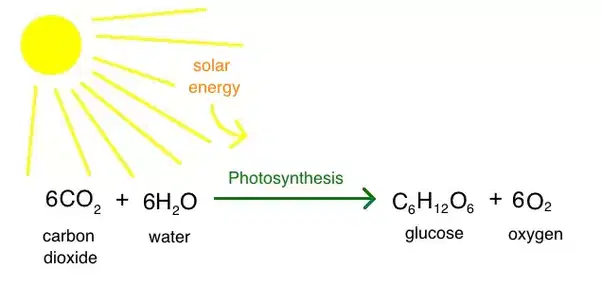
What are the reactants of photosynthesis?
a)
oxygen and carbon
b)
glucose and oxygen
c)
ATP and oxygen
d)
carbon dioxide and water
31.
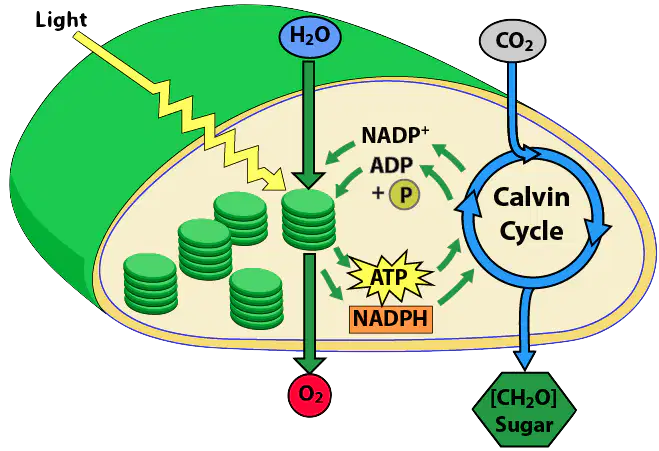
What is a product of the Calvin cycle?
a)
oxygen gas
b)
ATP
c)
high-energy sugars
d)
carbon dioxide gas
32.
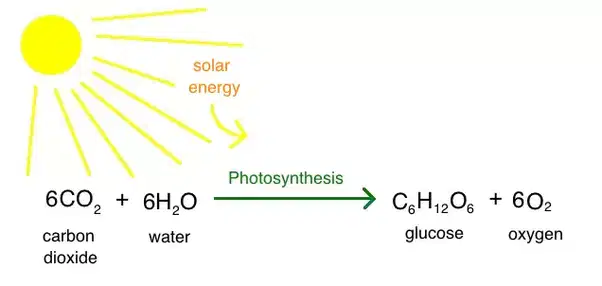
Photosynthesis uses sunlight to convert water and carbon dioxide into
a)
oxygen and carbon.
b)
high-energy sugars and proteins.
c)
ATP and oxygen.
d)
oxygen and high-energy sugars.
33.
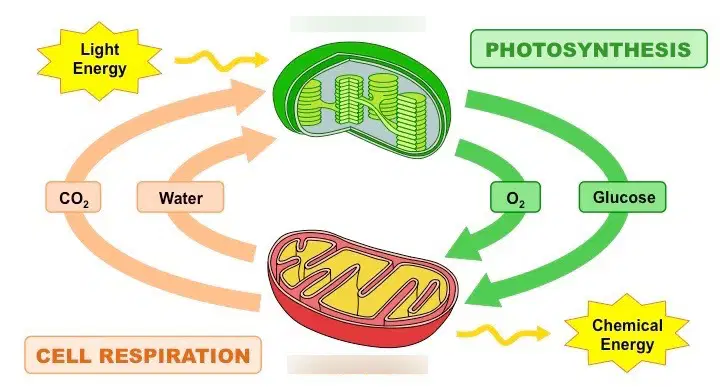
Which organelles are involved in energy conversion?
*Conversion means to change from one form into another form*
a)
mitochondria and chloroplasts
b)
mitochondria and ribosomes
c)
smooth and rough endoplasmic reticulum
d)
Golgi apparatus and chloroplasts
34.
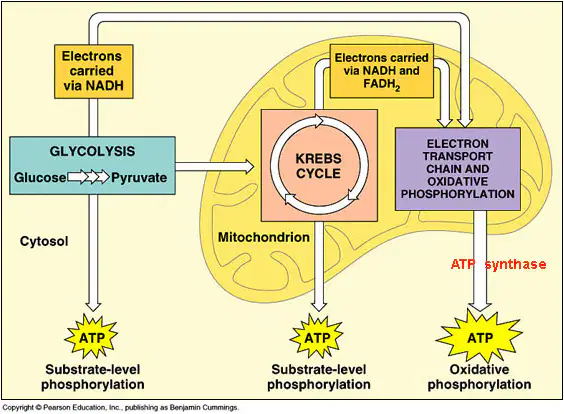
Which of the following is the correct sequence of events in cellular respiration?
a)
glycolysis -> fermentation -> Krebs cycle
b)
Krebs cycle -> electron transport -> glycolysis
c)
glycolysis -> Krebs cycle -> electron transport
d)
Krebs cycle -> glycolysis -> electron transport
35.
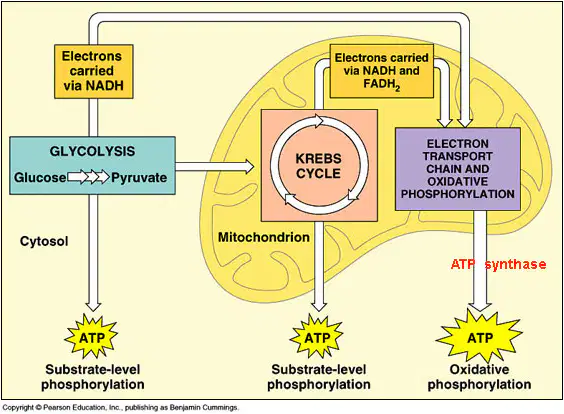
Cellular respiration releases energy by breaking down
a)
ATP.
b)
carbon dioxide.
c)
glucose.
d)
water.
36.
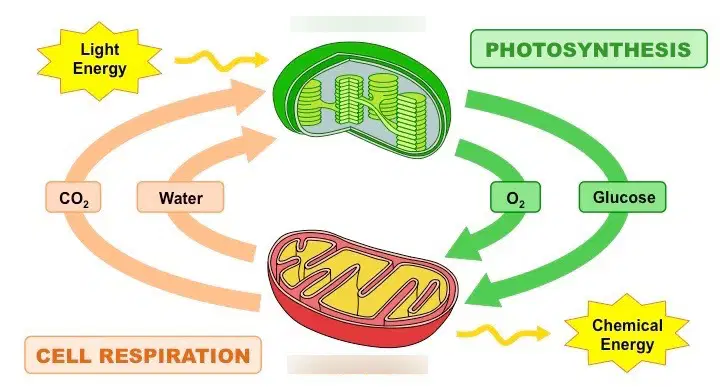
Unlike photosynthesis, cellular respiration occurs in
a)
animal cells only.
b)
plant cells only.
c)
prokaryotic cells only.
d)
all eukaryotic cells.
37.
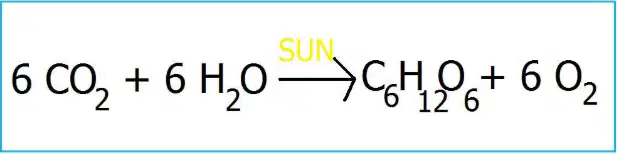
What process is the equation representing?
a)
Cellular Respiration
b)
Fermentation
c)
Mitosis
d)
Photosynthesis
38.
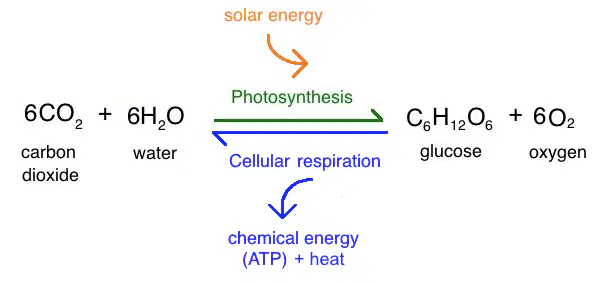
How are the equations for photosynthesis and cellular respiration related to each other?
a)
They are not related to each other at all
b)
They are opposites of each other
c)
The reactants of each reaction are the same
d)
The products are the same
39.
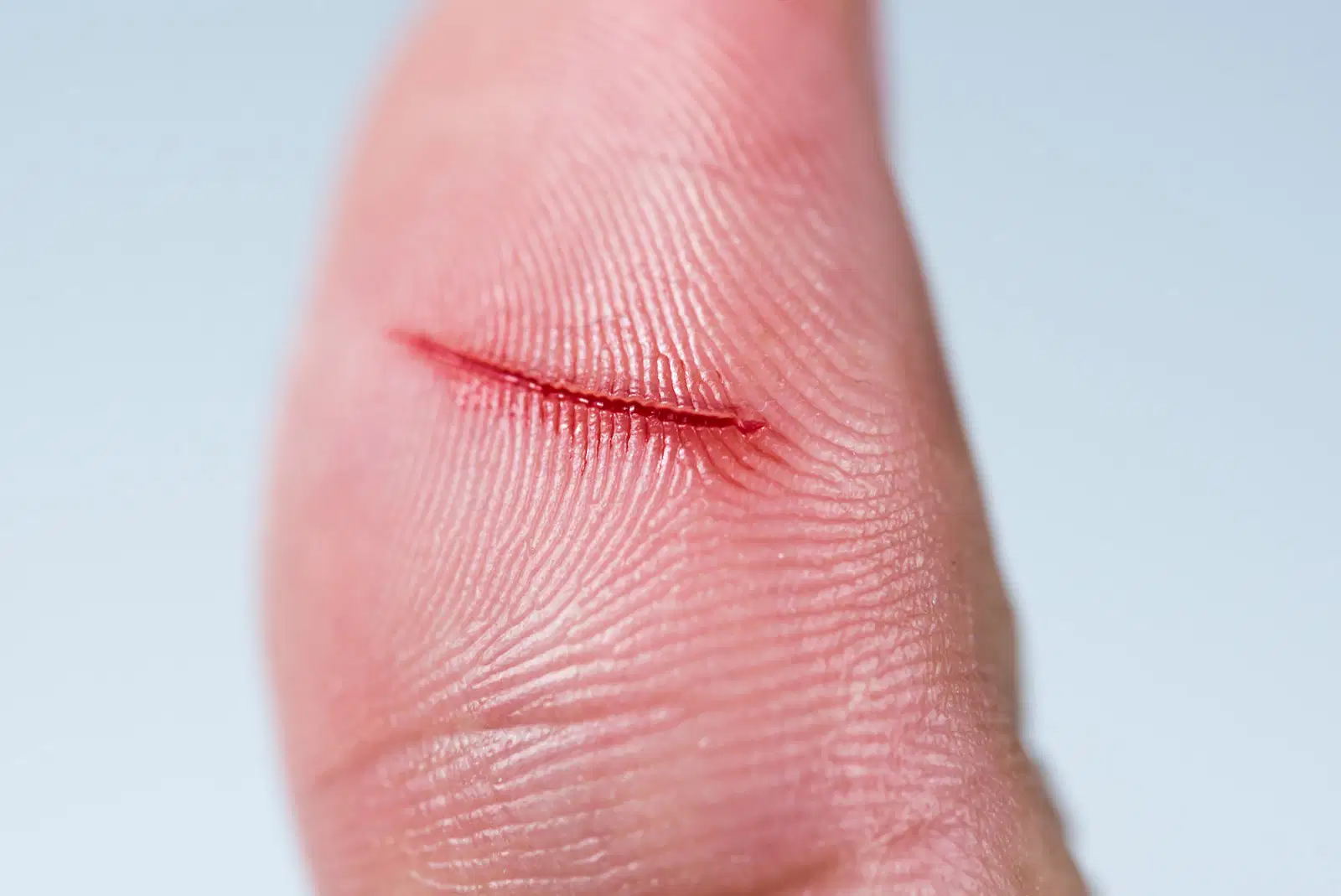
A person cuts their finger. How does the process of mitosis help to repair the wound?
a)
Mitosis forms a clot to prevent blood from flowing.
b)
Mitosis allows air to enter the skin to encourage healing.
c)
Mitosis prevents bacteria from entering the site of injury.
d)
Mitosis forms new cells in the area where the old ones were damaged.
40.
What is the longest phase of the cell cycle?
a)
interphase
b)
prophase
c)
metaphase
d)
anaphase
e)
telophase
41.
Most cells are ______ because it maximizes their efficiency.
a)
Small
b)
Large
42.
After mitosis, the cytoplasm and organelles are divided between the two new forming cells in a process called
a)
anaphase
b)
telophase
c)
cytokinesis
d)
metaphase
43.
This structure extends from the centriole and moves the sister chromatids apart:
a)
Spindle Fibers
b)
Replication
c)
Centriole
d)
Interphase
44.
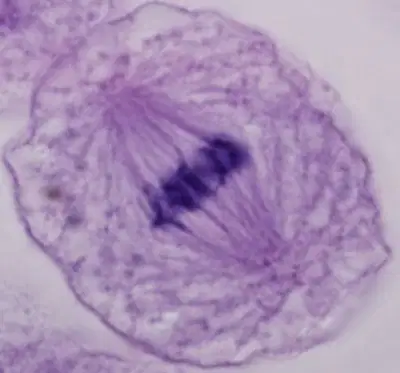
What stage of the cell cycle is the cell pictured below in?
a)
Interphase
b)
Prophase
c)
Metaphase
d)
Anaphase
e)
Telophase
45.
When during the cell cycle are chromosomes visible?
a)
only during interphase
b)
only during S phase
c)
only during cell division (mitosis/cytokinesis)
d)
only during the G1 phase
46.
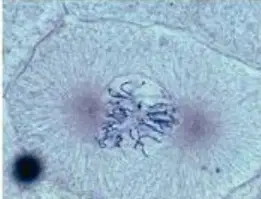
What stage of the cell cycle is the cell pictured below in?
a)
Interphase
b)
Prophase
c)
Metaphase
d)
Anaphase
e)
Telophase
47.
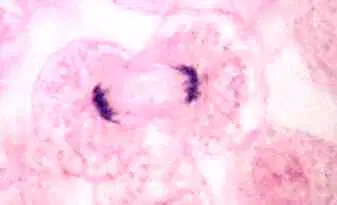
What stage of the cell cycle is the cell pictured below in?
a)
Interphase
b)
Prophase
c)
Metaphase
d)
Anaphase
e)
Telophase
48.
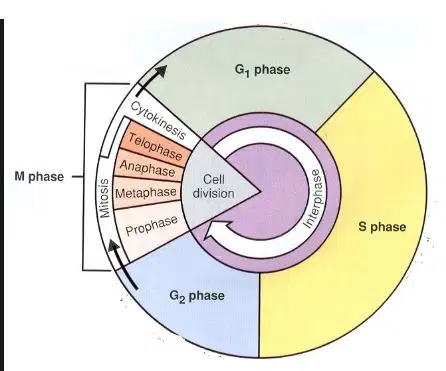
During which part of the cell cycle does the cell divide?
a)
Interphase
b)
M phase
c)
S phase
49.
During which part of the cell cycle is DNA copied?
a)
Mitosis
b)
Cytokinesis
c)
S phase
50.
What will be the end result of the process shown in the model?
a)
Two identical daughter cells will be produced.
b)
Chromatids will have just moved toward opposite poles.
c)
One much larger cell will be produced through nuclear fusion.
51.
What should the mRNA sequence be in the image below?
a)
GACCUACAG
b)
GUCCAUCUG
c)
AUCTACGUG
d)
TGCCACTCA
52.
What amino acid is represented by GUC? You can use Image B to find the answer.
a)
Serine
b)
Leucine
c)
Argenine
d)
Valine
53.
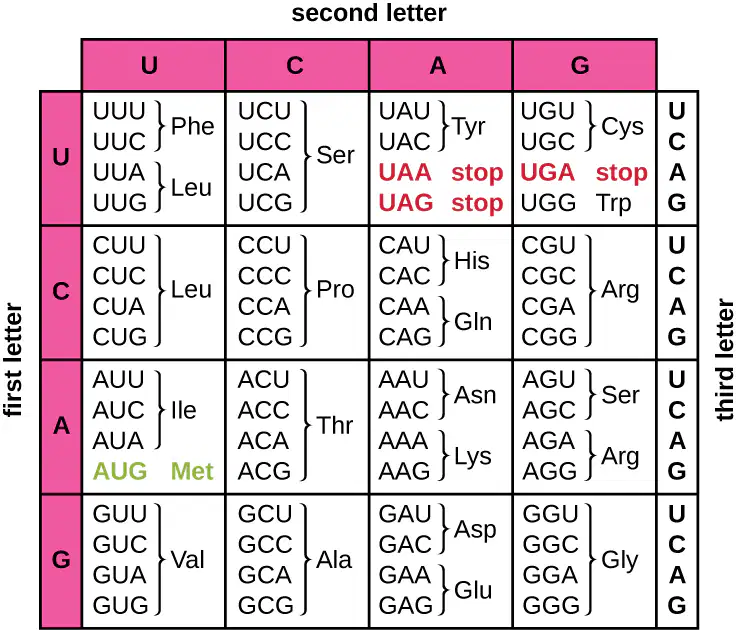
What amino acid is represented by CAU? You can use Image B to find the answer.
a)
Histidine
b)
Valine
c)
Methionine
d)
Proline
54.
Because of base pairing in DNA, the percentage of
a)
adenine (A) molecules in DNA is about equal to the percentage of guanine (G) molecules.
b)
thymine (T) molecules in DNA is about equal to the percentage of adenine (A) molecules.
c)
adenine (A) molecules in DNA is much greater than the percentage of thymine (T) molecules.
d)
cytosine (C) molecules in DNA is much greater than the percentage of guanine (G) molecules.
55.
Which of the following forms a base pair with thymine?
a)
deoxyribose
b)
adenine
c)
guanine
d)
cytosine
56.
DNA replication is considered 'semi-conservative' because it results in two DNA molecules,
a)
each with two new strands.
b)
one with two new strands and the other with two original strands.
c)
each with one new strand and one original strand.
d)
each with two original strands.
57.
If one side of a DNA molecule contains the following sequence of nucleotides, AGTCCG, the complementary sequence on the other side would be:
a)
GCCTGA
b)
AGTCCG
c)
TCAGGC
d)
CTGAAT
58.
In eukaryotes, DNA
a)
is located in the nucleus.
b)
floats freely in the cytoplasm.
c)
is located in the ribosomes.
d)
is circular.
59.
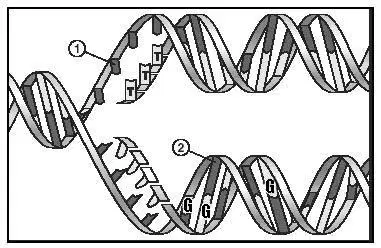
In the figure below, what nucleotide is going to be added at point 1 as the DNA replication occurs?
a)
guanine
b)
adenine
c)
cytosine
d)
thymine
60.
Unlike DNA, RNA contains
a)
adenine.
b)
phosphate groups.
c)
uracil.
d)
thymine.
61.
Which type of RNA brings the information in the genetic code from the nucleus to other parts of the cell?
a)
rRNA
b)
mRNA
c)
tRNA
d)
RNA polymerase
62.
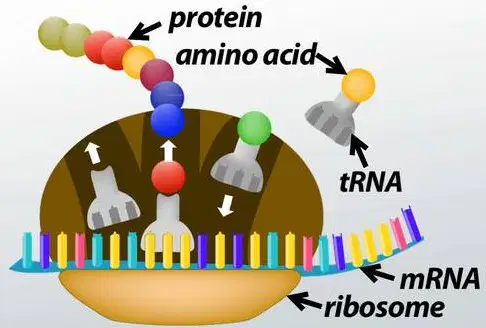
A protein is being assembled when
a)
DNA is being translated.
b)
RNA is being transcribed.
c)
RNA is being translated.
d)
DNA is being transcribed.
63.
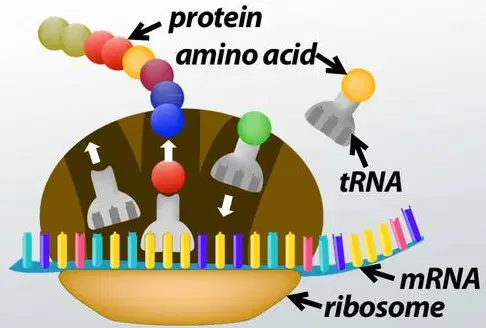
Where is this protein being assembled?
a)
nucleus
b)
mitochondria
c)
ribosome
d)
chloroplast
64.

How did Rosalind Franklin's photo 51 affect the work of Watson and Crick?
a)
It was used to determine the physical structure of DNA
b)
It was used to identify the four bases that make up DNA
c)
It was used to determining the theory of independent assortment
d)
It was used to show DNA was the molecule of inheritance
65.
Which scientist's work said, "The amount of Adenine = the amount of Thymine, and the amount of Guanine = the amount of Cytosine"?
a)
Chargaff
b)
Avery
c)
Griffith
d)
Franklin
100 %

