
 Worksheets
UNIT 4: LESSON: 1
Total questions: 95
Worksheet time: 50mins
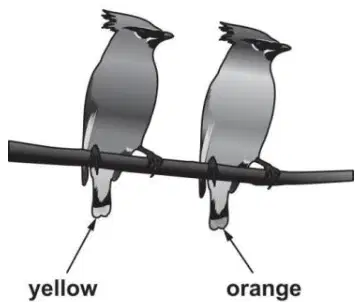
The picture shows two of the same type of bird. They live in different areas and eat different kinds of food. How do you think the environment affected these birds?
One bird gets more water than the other.
One bird eats more food than the other.
One bird eats different colored berries than the other.
One bird lives where it is hot, and the other lives where it is cold.
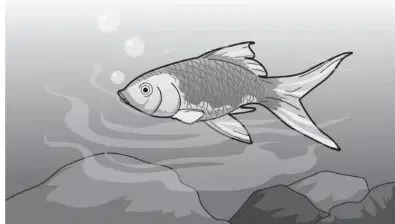
Some goldfish live in a lake. Some goldfish live in a fishbowl. Why is there a size difference between the goldfish in the lake and the goldfish in the bowl?
The lake hides the growing goldfish.
The lake has other fish chasing the goldfish.
The fishbowl limits the goldfish from growing large.
The fishbowl is the better environment for the goldfish.
Which bird trait is due to the environment?
It eats insects.
It builds a nest.
It has a broken wing.
It uses its wings to fly
An Arctic fox changes at different times of the year. Which trait of the Arctic fox changes throughout the year?
Tail
Fur Color
Weight
Length
The two lizards shown in the picture live in different environments. How are their environments most likely different?
The color is different.
The amount of food is different.
The amount of rain is different.
The number of hours of light is different.
What causes the difference in their color?
Sunlight
Water
Nutrients in the food
Air
This reptile changes color each day. In the morning when the weather is cool, it turns dark brown. When the weather is hot, the reptile turns light brown. What type of a trait is the reptile color?
It is an environmental trait that is learned from its parents.
It is a trait that only appears in a designed environment.
It is a trait received from its parents that changes with the environment.
It is a trait received from its parents that does not change with the environment.
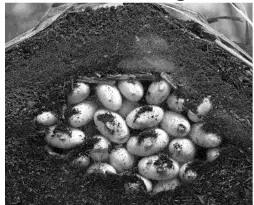
Look at the picture below which shows Reptile eggs. Which environmental factor determines the gender in many reptiles?
Nutrients
Temperature
Water
Air
Use the terms in the box to complete the sentences. (nutrients – soil – brown – Pruning) ____ __________ Promotes basil plant’s growth.
Pruning
nutrients
soil
brown
Use the terms in the box to complete the sentences. (nutrients – soil – brown – Pruning) Sea slug’s brighter color is caused by ______ in the food they eat.
nutrients
soil
brown
Pruning
Use the terms in the box to complete the sentences. (nutrients – soil – brown – Pruning) Too much sunlight can cause leaf to turn _____
brown
green
yellow
nutrients
Nutrients in ___ can affect the color of flowers.
soil
brown
Pruning
nutrients
Write whether the statement is True (T) or False (F): Plants are affected by the amount of water, light and nutrients they receive.
True
False
Write whether the statement is True (T) or False (F): Walking sticks can change their color and are found in areas with lot of trees.
True
False
Write whether the statement is True (T) or False (F): Seeds can germinate in a dry environment.
True
False
Write whether the statement is True (T) or False (F): The Arctic fox’s ability to change color and blend with its environment helps it surprise and catch its prey.
True
False
Write down the environmental factors that affect the plant structures or traits?
Amount of Water, sunlight, and nutrients.
Type of soil, color of leaves, and plant height.
Shape of roots, number of petals, and stem thickness.
Season of harvest, taste of fruit, and flower fragrance.
Snakes are predators that catch their food by surprise. Which snake is most likely able to catch its food by surprise?
a. a green snake on a green bush
b. a brown snake on white desert sand
c. a yellow corn snake on green grass
d. a red and black king snake on a white rock
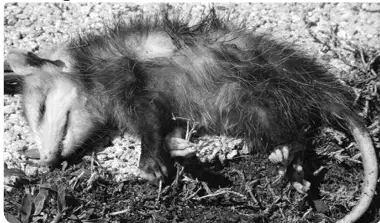
An opossum pretends to be dead and gives off a smelly odor. Why is opossum showing this behavior?
To make predators think the opossum is decomposing
It is mimicking another animal
To find food easily
To hibernate
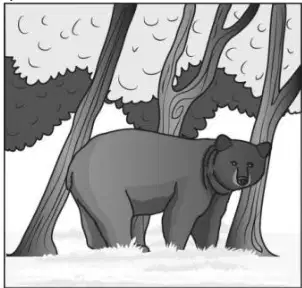
The picture shows a bear. How does this bear change for winter?
Its fur will turn white.
It will look for shelter in a tree.
It will develop a large fat layer.
It will become very active at night
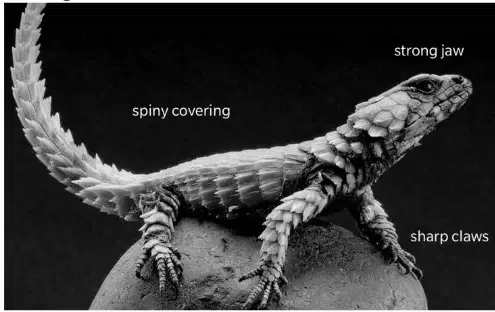
Look at the picture of Armadillo lizard. Which trait helps it to discourage predators from eating it?
Spiny covering
Sharp claws
Strong jaw
Long tail
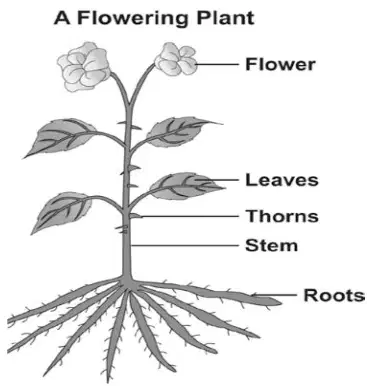
The picture shows a flowering plant. Which adaptation keeps the plant from being eaten?
stem
roots
thorns
flower
Emus are birds that have small wings and strong legs. How do these structural adaptations help them survive in their habitat?
Fly quickly
Run quickly because they can’t fly
Swimming in the water
Climb trees.
Which behavior helps brown bears to survive during winter when food is not readily available?
Mimicry
Camouflage
Hibernation
Blubber
Vampire fish live in South America. They catch smaller fish to eat. Which adaptation helps them catch their prey?
Gills
Fins
Tails
Sharp teeth
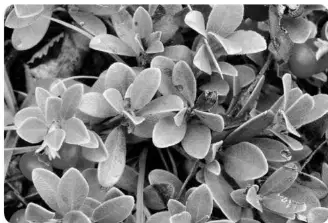
Bearberry plants grow in places that get little rain for long periods. What adaptation helps it to survive?
flowers
thick, leathery leaves
color of leaves
thorns
Seal leopard has _________ to help keep them warm and store energy.
blubber
scales
feathers
shell
Use the terms in the box to complete the sentences. Blackberry leaves and stem _________ back even after severe weather.
grow
fall
break
wither
Seeds scattered after passing through an animal help trees in _________?
Reproducing
Sleeping
Flying
Swimming
_________ is a physical place where organism lives.
Habitat
Niche
Population
Community
Write whether the statement is True (T) or False (F) Sweet pinesap flowers are protected from animals by camouflaging with dead leaves.
True
False
Write whether the statement is True (T) or False (F) Mangrove trees grow in wet soil.
True
False
Write whether the statement is True (T) or False (F) Viceroy butterflies mimic colors of monarch butterflies.
True
False
Write whether the statement is True (T) or False (F) Vicuna adaptations help it survive in desert.
True
False
Write whether the statement is True (T) or False (F) Wild goat teeth are flat for grinding up the plants.
True
False
Write whether the statement is True (T) or False (F) Hippo’s eyes, nose and ears are on top of its head to survive under water.
True
False
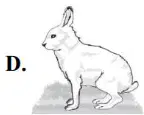
The pictures show hares with different-colored fur. Which hares can hide from predators during the snowy winter?
A
B
C
D
Define the following term: Mimicry.
Mimic or copy colors/appearance of others
Live in groups for protection
Change body temperature with environment
Produce own food through photosynthesis
Define the following term: Camouflage.
Blending in with environment
Making loud noises to scare predators
Building nests in trees
Flying long distances to migrate
Adaptation: Fill in the blank.
is a trait or characteristic that helps an organism survive.
is a type of food that organisms eat.
is a place where organisms live.
is a process of photosynthesis.
How many types of adaptations are there?
Two: Structural and Behavioral adaptation
Three: Structural, Behavioral, and Functional adaptation
One: Only Structural adaptation
Four: Structural, Behavioral, Functional, and Seasonal adaptation
Why are adaptations important for organisms?
Adaptations help organisms to survive in their environment.
Adaptations make organisms more colorful.
Adaptations allow organisms to live forever.
Adaptations help organisms to become larger.
A landslide may happen if too much rain falls on the mountainside. Which living things would not survive a large landslide?
fish
birds
worms
plants
Buffalo eats grass. The grass in one area burned. What most likely will happen to the buffalo in that area?
There will be fewer buffaloes.
There will be more buffaloes.
The number of buffaloes will stay the same.
The buffalo will learn to eat something else.
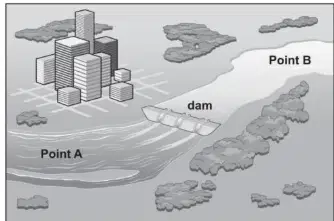
A dam is built on a river. How will it affect salmon, a type of fish that swim upstream to lay their eggs?
Block their migration path
Help them lay more eggs
Make the water cleaner
Help them swim faster
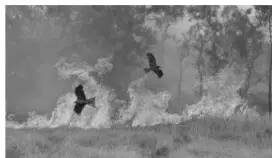
A forest catches fire. What do animals in the forest do?
change their diet to eat burned trees
hide in the burning forest to stay safe
live in the burned area until a new forest grows
escape the fire to find new homes in other places.
After a volcano erupts, the temperature in the area increases because of the extremely hot lava. How does lava affect plants?
All the nearby plants are destroyed.
The plants move to a different habitat.
The volcano releases oxygen, and the plants grow better than before.
The heat causes the plants to release their seeds, and many new plants grow right away
The pictures show a pond over a 4-year period. Which picture shows the most change to the habitat due to a lack of rain?
Year 1
Year 2
Year 3
Year 4
A group of people camp in the woods. Which activity would be harmful to organisms living in the woods?
using a rowboat in the river
leaving the area exactly as they found it
cutting down a tree to burn in a campfire
keeping trash off the land and away from the river
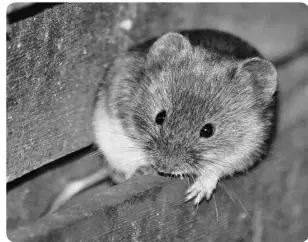
Amargosa voles live in certain parts of California. When drought occurs, plants die. What will be its effect on the vole?
Eat other animals
Survive on water
Moving to new areas to find food
Can survive without food
A pika lives in the northwest area and survives only in cool temperatures. If the area becomes too warm, what will be its effect on the pika?
Move to north where temperature is cooler
Stay and survive the warm weather
Hides in hole
Hibernates during warm temperature
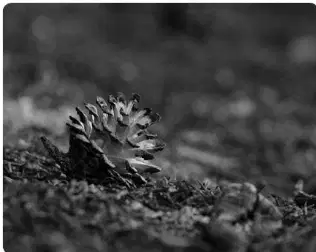
What will be effect of wildfire on pine trees?
Their cones release seeds after the fire and sprout new plants
All trees will burn
Pine trees will stop producing cones
Pine trees will not grow again after fire
Question 2: Use the terms in the box to complete the sentences. Heavy rain – environment– drought–lava– resources 1. Organisms can be affected by their ____
environment
drought
lava
resources
Question 2: Use the terms in the box to complete the sentences. Heavy rain – environment– drought–lava– resources 2. _______________ is a melted rock from inside a volcano
lava
drought
environment
resources
Use the terms in the box to complete the sentences. 3. ____________________ may cause rivers, lakes, or streams to overflow
Heavy rain
Strong winds
Earthquakes
Sunny weather
Question 2: Use the terms in the box to complete the sentences. Heavy rain – environment– drought–lava– resources 4. ____________________ causes environment to dry out.
Drought
Heavy rain
Lava
Resources
Question 2: Use the terms in the box to complete the sentences. Heavy rain – environment– drought–lava– resources 5. Population share ________
resources
lava
drought
environment
Write whether the statement is True (T) or False (F) 1. Animal and plant habitats are destroyed by making roads and highways.
True
False
Write whether the statement is True (T) or False (F) 2. Deforestation or cutting down of forests affects plants and animals.
True
False
Population is made up of members of different kinds of organism.
True
False
Availability of resources is not affected by size of a population.
True
False
Write whether the statement is True (T) or False (F) 5. Salmon moves upstream to lay eggs.
True
False
Write down human-made events that can change environment?
Dam construction, Deforestation, Clearing of land to build roads
Sunrise and sunset, Moon phases, Tides
Volcanic eruptions, Earthquakes, Tsunamis
Seasonal changes, Rainfall, Snowfall
During any environmental change, who will be more affected — plants or animals?
Plants will be more affected because they cannot move to escape unfavorable conditions.
Animals will be more affected because they can adapt quickly.
Both plants and animals are equally affected.
Animals will be more affected because they depend on plants for food.
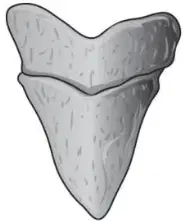
A scientist compares a megalodon tooth to a great white shark tooth. Which conclusion can she make from studying the different teeth?
The megalodon and great white shark both only ate plants.
The megalodon was bigger than the great white shark.
The megalodon ate meat, but the great white shark did not.
The megalodon was smaller than the great white shark.
Which part of an animal is most likely to become a fossil?
fur
skin
teeth
Heart
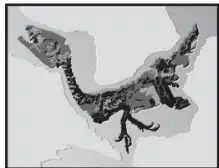
The picture shows a fossil. Circle the letters of all the statements that describe the picture.
This animal had a tail.
This kind of animal is alive today.
The animal that makes this fossil is now extinct.
This animal lived on Earth millions of years ago.
Kyle found a rock with a fossil shaped like a clam shell. Which conclusion can Kyle make from the find?
Clams are now extinct.
Clams used to live on land.
The rock formed underwater.
The rock was eaten by a clam
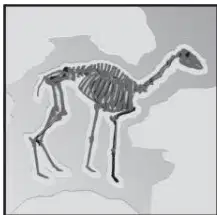
What can be learned about organism by studying fossil?
It was an animal that probably ate meat.
It was an animal that was probably aquatic.
It was an animal that was probably a fast runner.
It was a plant that probably lived in a temperate environment
What does the word extinct mean?
found in a fossil
made of soft body parts
no longer living on planet Earth.
buried in clay, sand, or mud
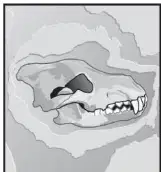
What can be learned about organism by studying fossil?
It was an animal that probably ate meat.
It was an animal that was probably aquatic.
It was an animal that was probably a fast runner.
It was a plant that probably lived in a temperate environment
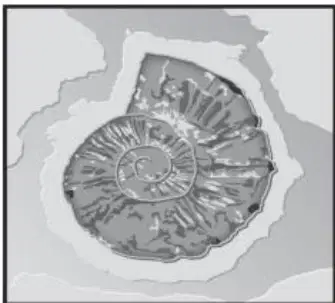
The picture shows fossils. What can be learned about organisms by studying fossils?
It was an animal that probably ate meat.
It was an animal that was probably aquatic.
It was an animal that was probably a fast runner.
It was a plant that probably lived in a temperate environment.
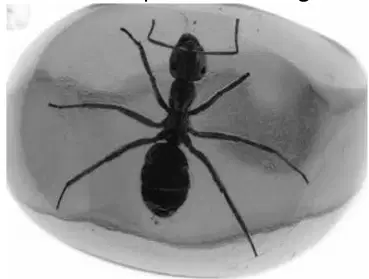
Some fossils preserve an organism’s body in tree sap. These fossils are called___
Amber fossils
Shell fossils
Trace fossils
Petrified
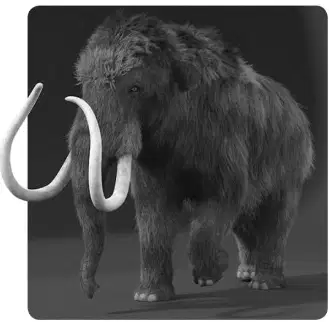
Look at the picture of an Extinct Woolly mammoth. It looks like which present day animal?
Tiger
Monkey
Rabbit
Elephant
Use the terms in the box to complete the sentences.
1. Fossilized trees are called _____tree.
Petrified
Deciduous
Evergreen
Coniferous
Fossils tell us about___________in which organism lived.
environment
size
color
speed
Use the terms in the box to complete the sentences. 3. Fossils of Extinct animals provide _ as how long life has been on earth.
clue
food
shelter
danger
Use the terms in the box to complete the sentences. 4. In petrified tree wood is replaced by __________.
minerals
water
soil
sand
Write whether the statement is True (T) or False (F): 1. While hiking, you find the bones of an animal that died recently. It is fossil.
True
False
Write whether the statement is True (T) or False (F): 2. Woolly mammoths have less fur than elephants.
True
False
Write whether the statement is True (T) or False (F): 3. Trace fossils such as footprints can tell us about how quickly the organism moved.
True
False
Write whether the statement is True (T) or False (F): 4. Fossils tell us how environment changed over time.
True
False
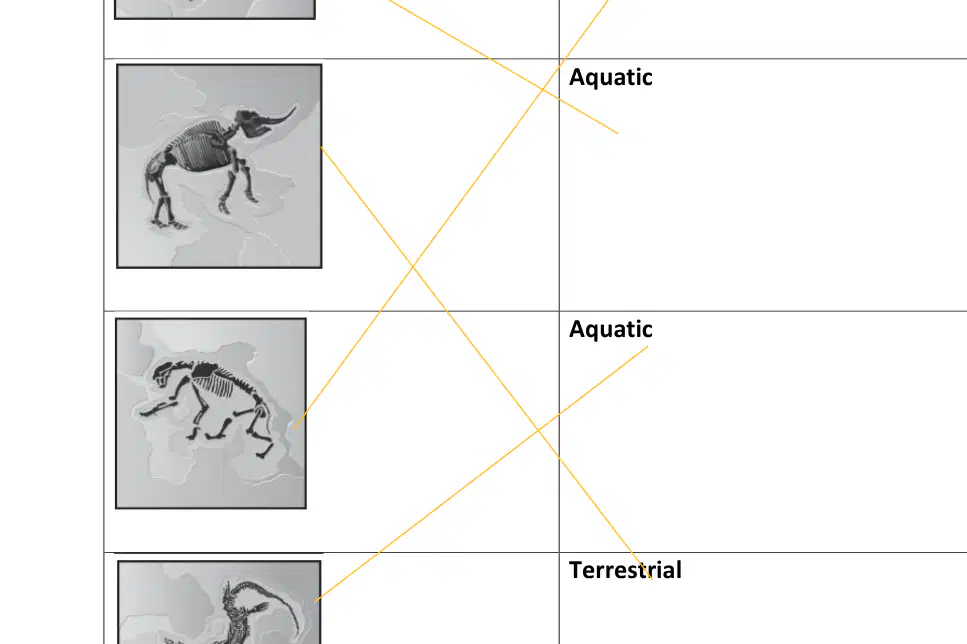
Look at the features of each fossil. Determine the environment the organism lived in long ago. Which environment did the organism in the first image (fossil of a turtle) live in?
Terrestrial
Aquatic
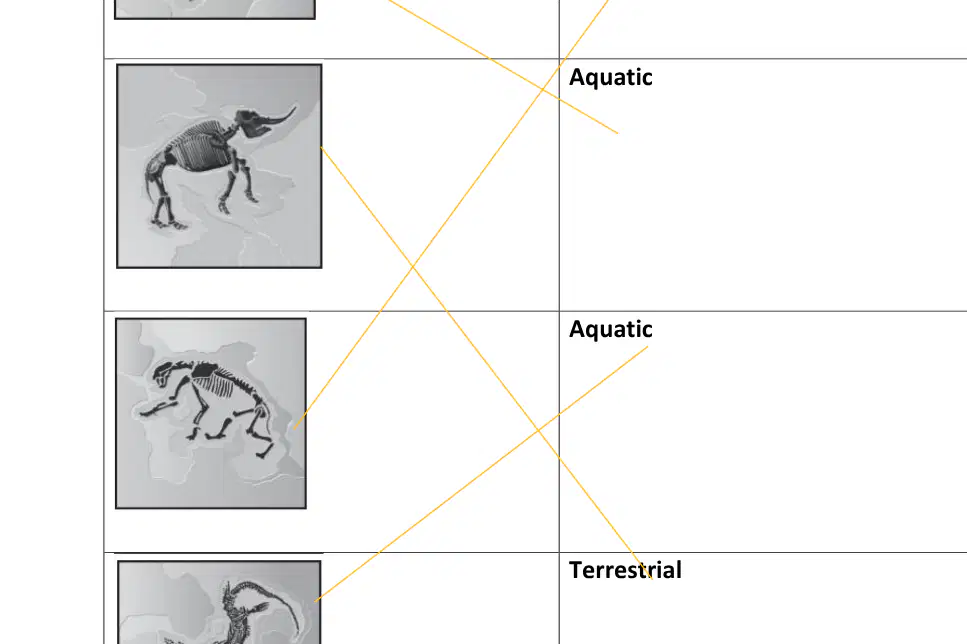
Look at the features of each fossil. Determine the environment the organism lived in long ago. Which environment did the organism in the second image (fossil of a mammoth) live in?
Terrestrial
Aquatic
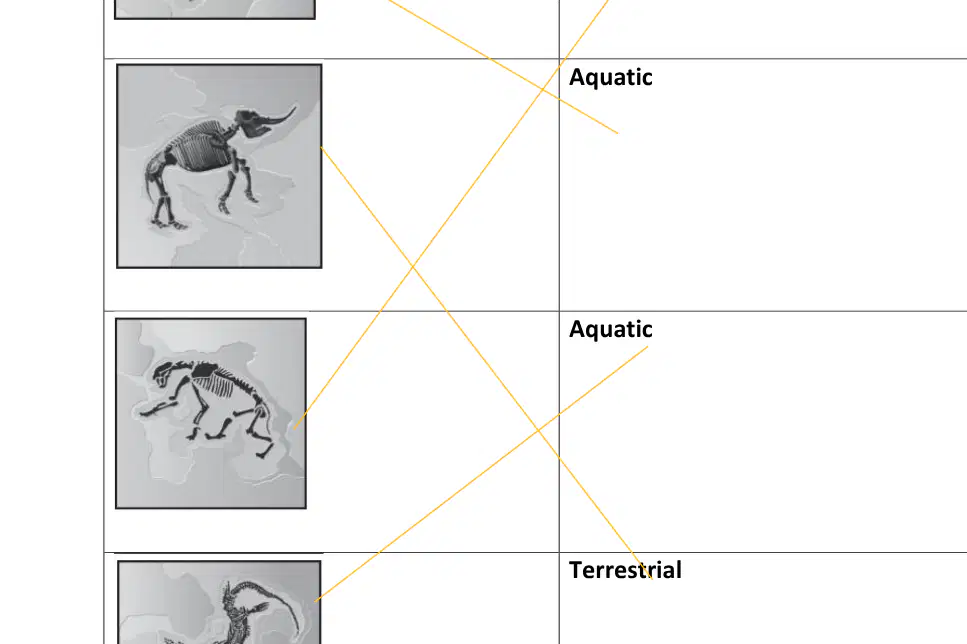
Look at the features of each fossil. Determine the environment the organism lived in long ago. Which environment did the organism in the third image (fossil of a dinosaur) live in?
Terrestrial
Aquatic
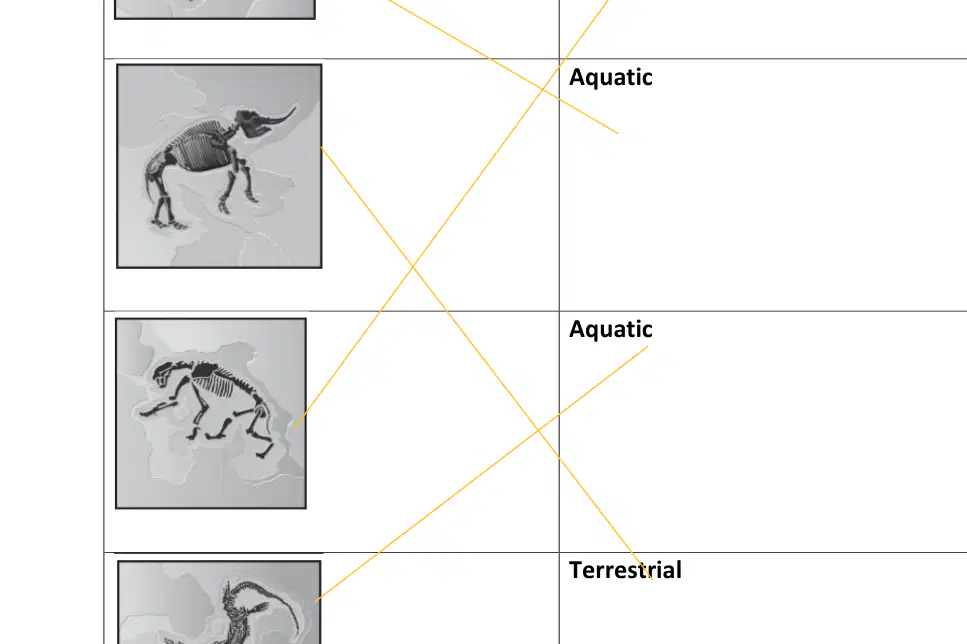
Look at the features of each fossil. Determine the environment the organism lived in long ago. Which environment did the organism in the fourth image live in?
Terrestrial
Aquatic
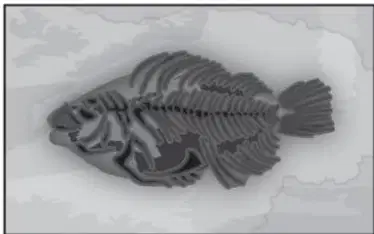
Scientists found the fossil below in an area that is now a forest. Identify in which type of environment the animal most likely lived
Aquatic
Desert
Mountainous
Grassland
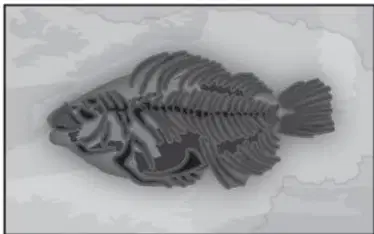
Scientists found the fossil below in an area that is now a forest. Describe how the environment changed from the time this animal lived to today.
The environment was once covered with water
The environment was always a desert
The environment was always a mountain range
The environment was always a grassland
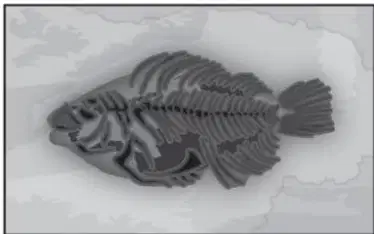
Scientists found the fossil below in an area that is now a forest. Name an animal that cannot live in same environment as this fossil.
Deer
Camel
Penguin
Dolphin
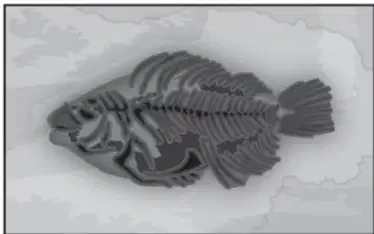
Examine the fossil.
It is a fossilized leaf.
It is a fossilized shell.
It is a fossilized bone.
It is a fossilized insect.
What can scientists learn from looking at this fossil? Decide if each statement is true.
What can scientists learn from looking at this fossil? Decide if each statement is true.
They can tell if it represents a plant or an animal.
They cannot determine its type.
What can scientists learn from looking at this fossil? Decide if each statement is true. C. They can figure out the shape and size of the organism’s body.
True
False
What can scientists learn from looking at this fossil? Decide if each statement is true.
True
False
What can scientists learn from looking at this fossil? Decide if each statement is true.
True
False

