
Font size
 Worksheets
Posterior Pituitary Hormones
Total questions: 32
Worksheet time: 1hrs 4mins
Which statement best describes the pathway of posterior pituitary hormones before release into blood?
Made in pituitary then stored in adrenal cortex
Made in hypothalamus then stored in posterior pituitary
Made in posterior pituitary then sent to hypothalamus
Made in kidneys then stored in posterior pituitary
During childbirth, which primary target and action are associated with oxytocin?
Kidney tubules increasing urine volume
Uterus muscles contracting during labor
Breast ducts stopping milk production
Adrenal cortex releasing stress hormones
A person drinks coffee, a diuretic. Predict how antidiuretic hormone levels and kidney action should change to conserve water.
ADH unchanged and kidneys reabsorb less water
ADH increases and kidneys excrete more solutes
ADH decreases and kidneys excrete more water
ADH increases and kidneys reabsorb more water

A patient has reduced liver responsiveness to growth hormone. Which outcome is most likely?
Decreased mitosis in bones and muscles
Increased milk production in breast tissue
Enhanced mineralization of cartilage plates
Stronger immediate muscle contractions
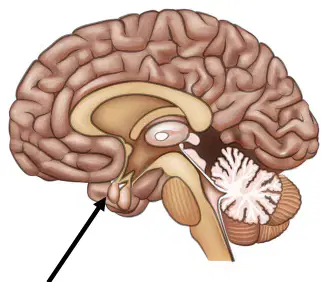
Which gland releases thyroid-stimulating hormone (TSH) that regulates the thyroid’s hormone release?
Posterior pituitary in the brain
Anterior pituitary in the brain
Adrenal medulla near the kidneys
Adrenal cortex near the kidneys
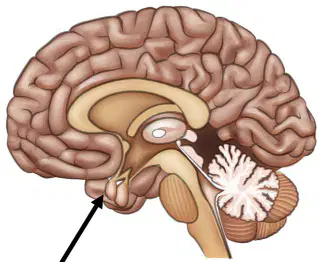
Trace the signaling path for ACTH by choosing the correct sequence.
Pituitary anterior to bloodstream to adrenal cortex
Bloodstream to adrenal medulla to pituitary
Adrenal cortex to pituitary to bloodstream
Thyroid gland to bloodstream to pituitary
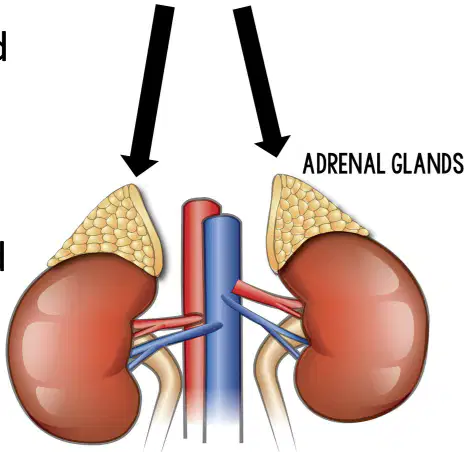
ACTH specifically targets the adrenal cortex. Which outcome best demonstrates this specificity?
Greater hormone output from adrenal medulla
Reduced hormone synthesis in thyroid gland
Stimulated hormone production in adrenal cortex
Suppressed TSH release from anterior pituitary
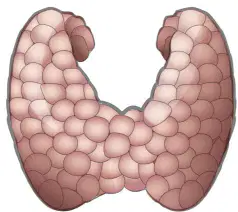
Which statement best distinguishes T3 from T4 in regulating metabolism?
T4 never converts to T3 in organs
T4 is the only hormone released by pituitary
T3 is the active form increasing metabolic rate
T3 targets only the liver for energy use
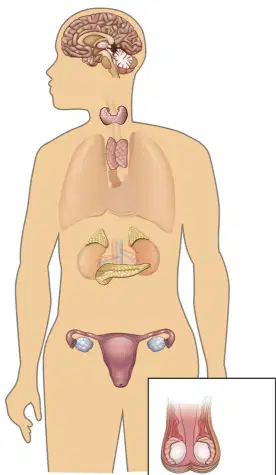
A patient's lab shows low T3 and T4. Which outcome is most likely related to energy use?
Slower metabolism and reduced calorie burning
Faster metabolism and rapid weight loss
Metabolism fluctuating randomly each day
Unchanged metabolism with normal energy use
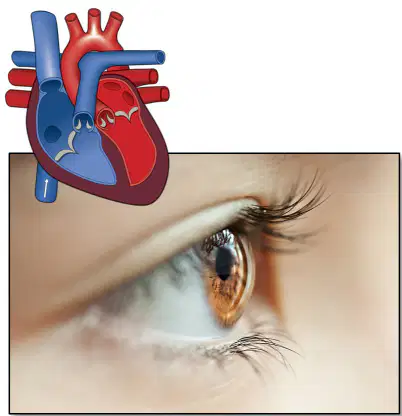
During a fight-or-flight response, which direct physiological change is most characteristic?
Elevated heart rate and dilated pupils
Decreased heart rate and narrow bronchioles
Lower blood sugar and reduced lung airflow
Constricted pupils and slowed blood flow
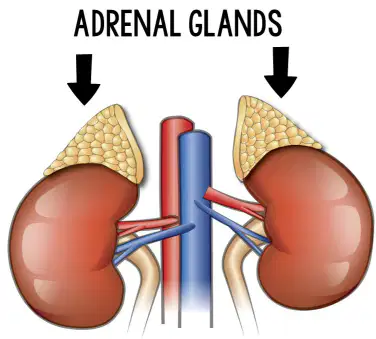
Cortisol primarily helps the body by increasing which resource for cellular respiration?
Calcium release from bones
ATP synthesis in mitochondria
Oxygen binding in hemoglobin
Glucose production across tissues
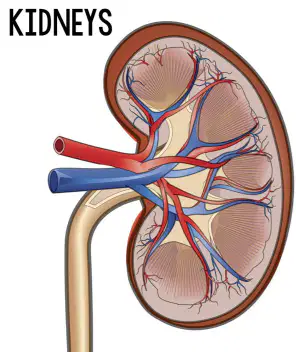
Aldosterone acts on the kidneys to adjust blood pressure by:
Blocking glucose reabsorption in nephrons
Retaining salt and water in the blood
Excreting more salt and water in urine
Increasing filtration of proteins in urine
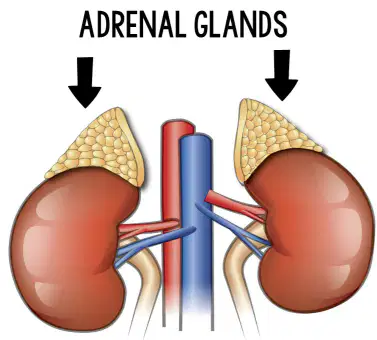
Which pairing correctly matches hormone with source layer?
Cortisol—adrenal medulla region
Norepinephrine—renal medulla layer
Aldosterone—adrenal cortex layer
Epinephrine—adrenal cortex layer
Which organ is the primary site of estrogen production in females?
Adrenal glands in cortex
Pituitary gland anterior lobe
Ovaries in pelvic cavity
Uterus smooth muscle
Progesterone is mainly produced in which female organ?
Pancreas islet cells
Thyroid follicular cells
Ovaries endocrine tissue
Uterus muscular wall
During pregnancy, progesterone most directly maintains which condition of the uterine lining?
Calcified and rigid layer
Thin and loosely attached
Thick and stable structure
Inflamed and shedding tissue
Testosterone is produced primarily in which male organ?
Prostate gland tissue
Testes interstitial cells
Pancreas exocrine acini
Kidneys cortical nephrons
Which system is mainly targeted by testosterone?
Nervous central system
Endocrine glands network
Male reproductive system
Digestive organs system
Which outcome is directly stimulated by testosterone in males?
Increase in blood clotting
Secretion of insulin hormone
Production of sperm cells
Reduction of bone density
Which hormone primarily raises blood glucose levels during fasting?
Progesterone from ovaries
Glucagon from pancreas
Insulin from pancreas
Estrogen from ovaries
After a meal high in carbohydrates, which hormone is expected to increase to maintain homeostasis?
Estrogen increases after meals
Glucagon increases after meals
Insulin increases after meals
Progesterone increases after meals
During prolonged fasting, which hormone helps prevent dangerously low blood sugar?
Progesterone prevents hypoglycemia
Insulin prevents hypoglycemia
Estrogen prevents hypoglycemia
Glucagon prevents hypoglycemia
If insulin signaling is impaired, which immediate effect on blood sugar is most likely?
Blood sugar increases excessively
Blood sugar remains unchanged
Blood sugar becomes zero
Blood sugar decreases rapidly
After consuming a banana split, which hormones would be expected to increase?
Prolactin
Glucagon
Insulin
Parathyroid
Match the following hormones to the function it performs.
ACTH
Stimulates the production of cortisol, stress control hormone
Luteinizing
Hormone
Stimulates the production of sex hormones in people
Calcitonin
Regulates calcium levels in the blood
Oxytocin
Stimulates uterine contractions during labor and bonding after sex
Testosterone
Spermatogenesis and develops male genetalia/features
insulin
released when you eat
glucagon
rleased when fasting
glucose
used by cells for energy
glycogen
stored in liver and muscles
Match the following
regulates sleep cycles
pineal
growth hormone
anterior pituitary
oxytocin & antidiurectic
Posterior pituitary
fight or flight
adrenal
egg and sperm development
gonad
Match the following
above pituitary
hypothalamus
regulates metabolism and weight gain/loss
thyroid
secretes PTH to raise Ca+
parathyroid
near sternum
thymus
diabetes results in malfunction
pancreas
The endocrine system secretes (a) which are (b) messages.
Match the following gland with the hormones is produces/ actions
Epinephrine to activate the sympathetic nervous system
Adrenal
Somatotropin (GH) to stimulate the normal body growth
Pituitary
Glucagon to maintain the blood level of the glucose
Pancreas
Melatonin to regulate the body's circadian rhythm
Pineal
Calcitonin to accelerate absorption o the calcium by the bones
thyroid
Luteinizing hormone
Stimulates ovulation; secretes progesterone
Thyroid stimulating hormone
Controls the production of thyroid hormone
Adrenocorticotropic hormone
Controls the production of cortisol
Prolactin Hormone
Develops breast tissue; produces milk after childbirth
Follicle Stimulating Hormone
Simulate growth of ovarian follicle; production of estrogen in females; Sperm production in males
Hormones from this gland control other endocrine glands
Pituitary
Thymus
Hypothalamus
Pancreas

