
 Worksheets
Cardiovascular System Review
Total questions: 35
Worksheet time: 12mins

Which part of the heart is this? It delivers oxygenated blood to the rest of the body.

Which part of the heart is this? It pumps blood into the aorta and out to the body.
Aorta
Right Ventricle
Left Atrium
Left Ventricle

Which part of the heart is this? These vessels bring blood back to the heart from the lungs.


The heart is fully contracted
The ventricles are relaxed
When the ventricles are contracted
All of the above
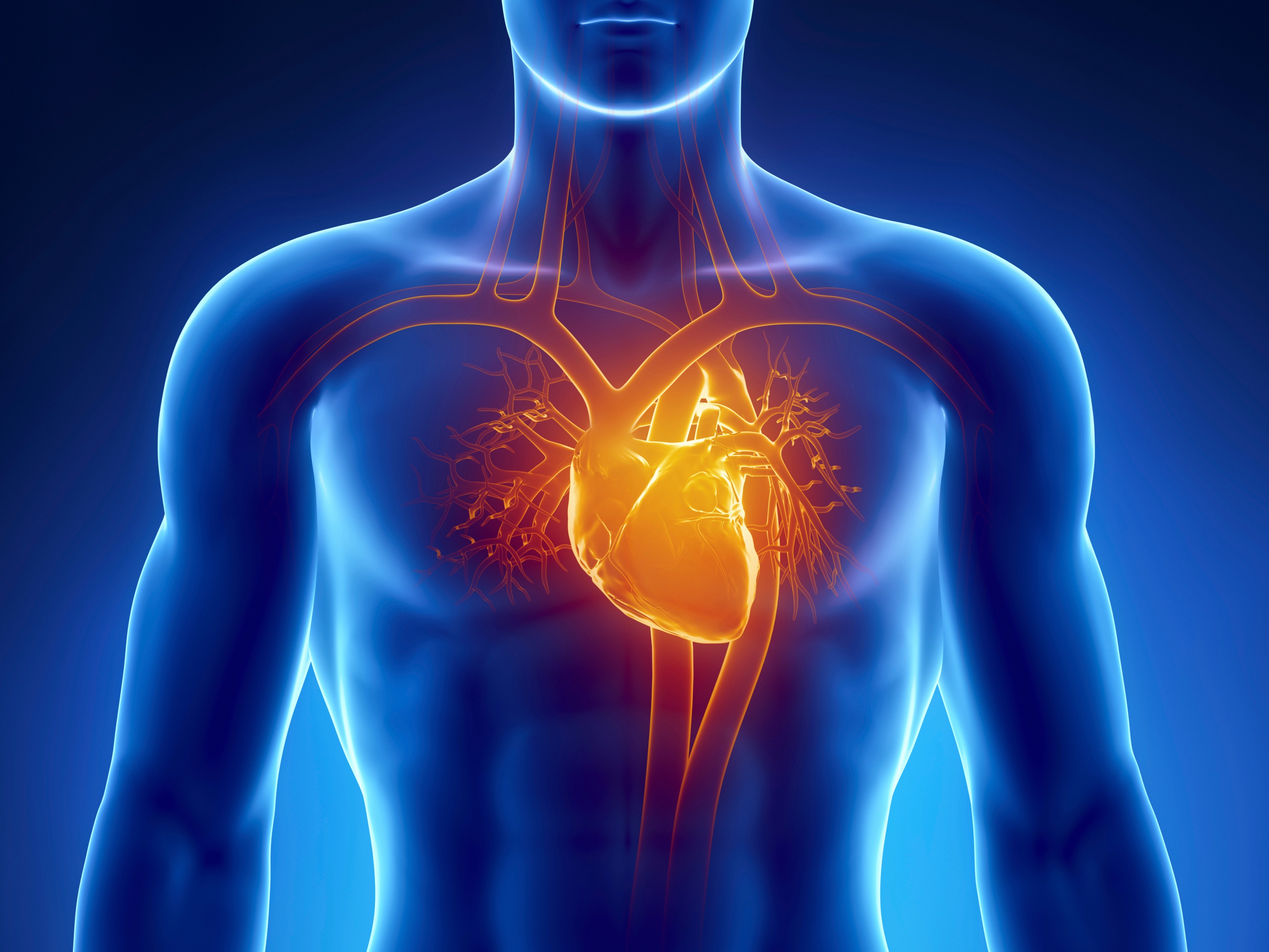

Tachycardia is ____
What prevents blood from flowing back into the atria when the ventricles contract?
semilunar valves
sinoatrial node
atrioventricular node
tricuspid and bicuspid valves
When blood leaves this chamber of the heart, it heads out the pulmonary arteries to the lungs.
left atrium
right atrium
left ventricle
right ventricle
One of the body's largest blood vessels that transports blood from the body region below the diaphragm to the heart
superior vena cava
inferior vena cava
pulmonary trunk
pulmonary veins
This initiates the action potential that causes the heart to beat. Called the pacemaker.
Inferior vena cava
Atrioventricular node (AV node)
Superior vena cava
Sinoatrial node (SA node)
Blood returning from the brain, will return to the heart in this chamber.
right atrium
right ventricle
left atrium
left ventricle
This stops blood from flowing back into the ventricles when they relax
semilunar valves
tricuspid and bicuspid valves
Sinoatrial node (SA node)
Aorta
This blood vessel splits in two and sends oxygen-poor blood away from the heart and to the lungs
aorta
pulmonary veins
superior vena cava
pulmonary trunk/artery
This chamber of the heart receives oxygenated blood from the lungs
right atrium
right ventricle
left atrium
left ventricle
Which best explains why capillary walls are so thin?
because they do not need to pump blood
because they are found only in the smallest organs and tissues
because they maximize diffusion of nutrients
because blood only travels through them slowly
These carry blood towards the heart
arteries
veins
These carry blood away from the heart
Arteries
Veins
Blood traveling through the pulmonary circuit goes through the right side of the heart and out to the _______
left side of the heart
body
lungs
tricuspid valve
Blood traveling through the systemic circuit goes through the _____ side of the heart and out to the body
right
left
Why is coronary circulation necessary?
because blood needs to be pushed throughout the entire body
because the heart itself needs nourishment
because the scalp requires an exceptional amount of nourishment
plasma
platelets
white blood cells


Name the proteins on the surface of red blood cells.
Antibodies
Antigens
Plasma
Collagen
What type of antigens can be found on the surface of RBC's when someone has blood type O?
A
B
Both A and B
none
What type of antigens can be found on the surface of RBC's when someone has blood type AB?
A
B
Both A and B
none
Where are antibodies located?
surface of red blood cells
surface of white blood cells
plasma
surface of platelets
What antibodies can be found in the plasma when someone has blood type A?
none
A
B
A and B

What blood type is this?
A+
B+
AB+
AB-

