
 Worksheets
Fire Safety Fundamentals
Total questions: 30
Worksheet time: 15mins
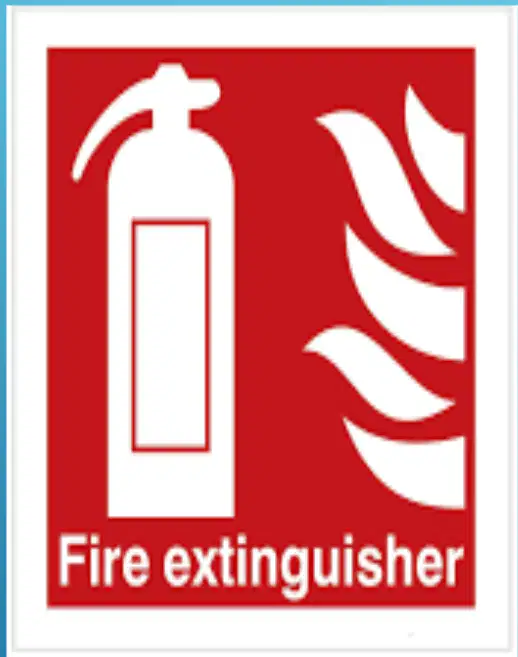
Which action should you take first after discovering a fire on a work site?
Open windows to let smoke escape
Finish your current task quickly
Search for the fire extinguisher nearby
Evacuate the area immediately and safely
After hearing a fire alarm indoors, what is the correct movement to safety?
Run toward any exit you remember
Wait at your workstation for updates
Use elevators to reach ground level
Walk to the nearest exit assembly point
Which phone action is specified when raising the alarm externally in the UK?
Use social media to alert others
Dial 411 for emergency services
Text the site manager a warning
Dial 999 to call the fire brigade
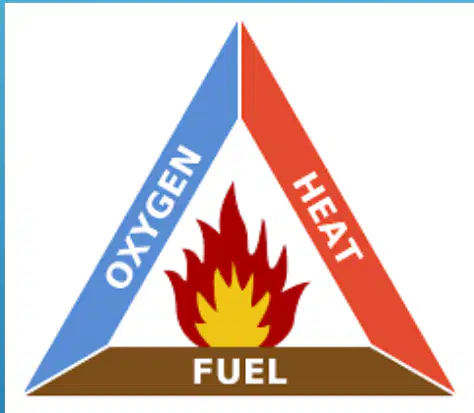
Which set lists the three components of the fire triangle?
Oxygen, water, sparks
Heat, fuel, oxygen
Water, fuel, ignition
Fuel, smoke, heat
Which of the following is a main cause of workplace fires on construction sites?
Wet floors near entrances
Cold weather during winter
Defective electrics like loose wires
Newly painted safety lines
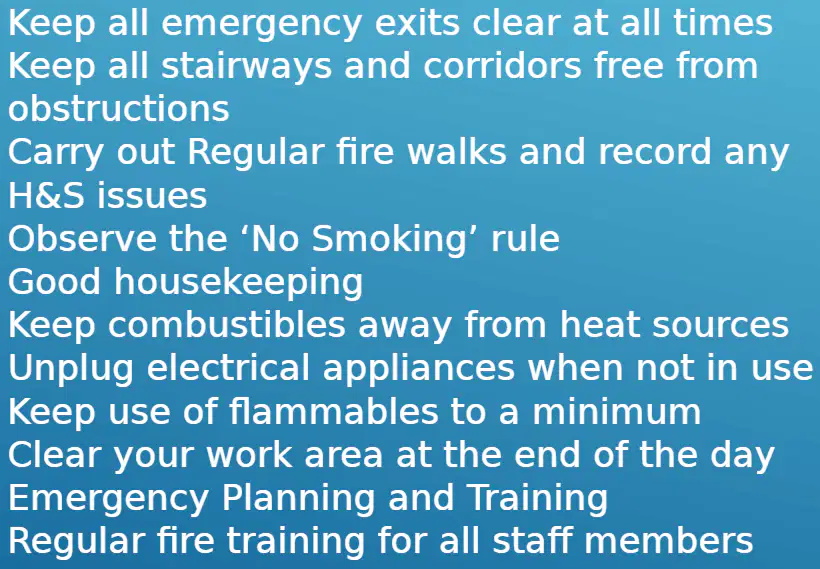
Which practice best minimizes fire risk in corridors and stairways?
Place bins near landings for waste
Prop fire doors open for airflow
Store tools along corridor walls
Keep all areas clear of obstructions
A coworker leaves space heaters next to cardboard boxes. Which fire triangle element is most directly increased by this setup?
Heat near available fuel materials
Oxygen concentration in the room
Moisture levels around equipment
Fire extinguishing capability nearby
You are the last to leave a workshop at day’s end. Which action aligns with good fire prevention?
Disable the alarm to avoid false alerts
Unplug electrical appliances not in use
Leave equipment on for quick start
Stack combustibles for tomorrow
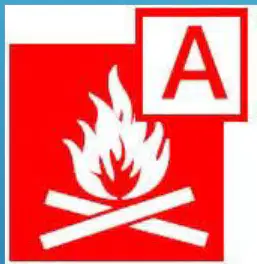
Which fire class involves combustible solid materials like wood, paper, textiles, and many plastics?
Class B fires involving flammable liquids
Class A fires involving solid combustibles
Class D fires involving reactive metals
Class C fires involving flammable gases
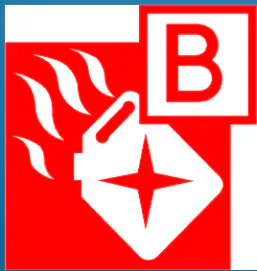
A spill of petrol ignites in a workshop. Which fire class best describes this incident?
Class D involving burning metals
Class B involving flammable liquids
Class A involving organic solids
Class F involving hot cooking oils

Which statement best matches Class C fires in the provided classification?
They involve metals like magnesium and titanium
They involve cooking fats like hot oil in pans
They involve gases such as LPG and propane
They involve solids such as paper and textiles

Class D fires mainly involve which group of materials?
Metals such as magnesium and titanium
Solids such as furniture and plastics
Liquids such as turpentine and ethanol
Gases such as propane and butane
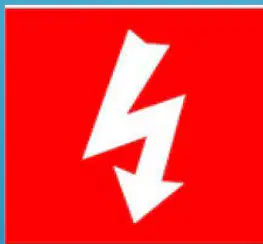
An overheating electrical appliance causes a short circuit and sparks. How is this hazard categorized for firefighting purposes?
Class F cooking oil fire classification
Class C gas fire classification
Class B liquid fire classification
Electrical equipment risk, not a fuel class
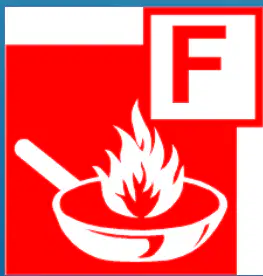
A pan of superheated cooking oil bursts into flame in a kitchen. Which class applies and why?
Class F because it involves cooking fats
Class A because oil is an organic solid
Class B because any liquid counts as liquid
Class D because oil reacts like metals

Which extinguisher is most appropriate for a Class A fire involving wood, paper, or textiles as shown in the diagram?
CO2 extinguisher for live electrics
Water extinguisher for solid combustibles
Foam spray for flammable liquids
Wet chemical for cooking oil fires
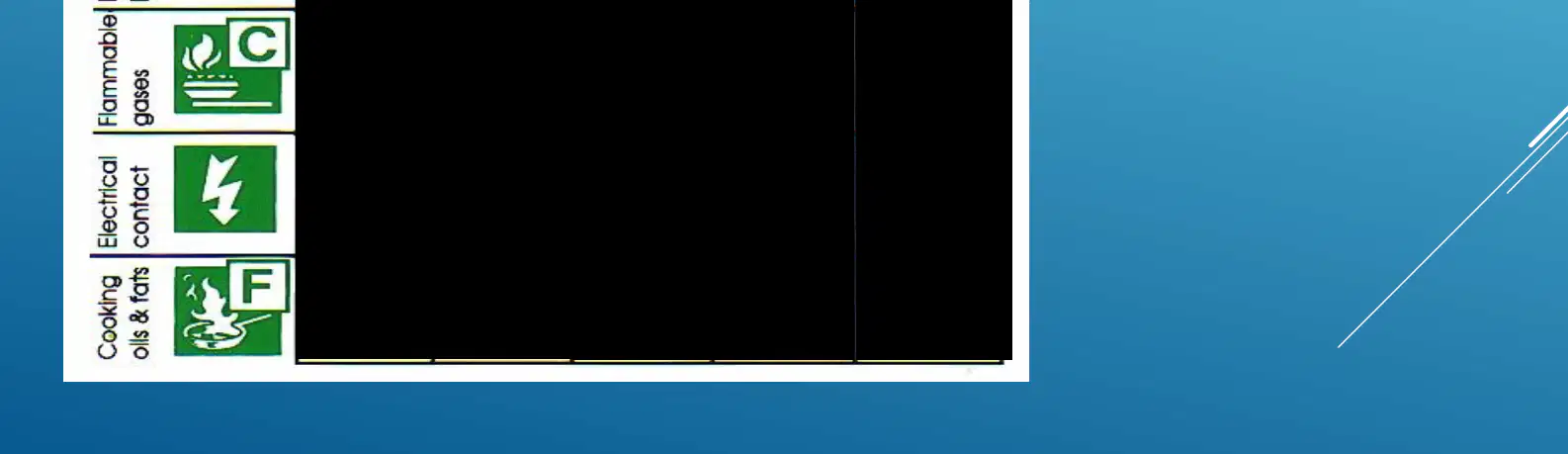
A small electrical panel ignites. Based on the diagram, which extinguisher should be chosen first to avoid conducting electricity and minimize residue?
Water extinguisher with high conductivity
Foam spray leaving aqueous residue
CO2 extinguisher with non‑conductive gas
Wet chemical designed for fats
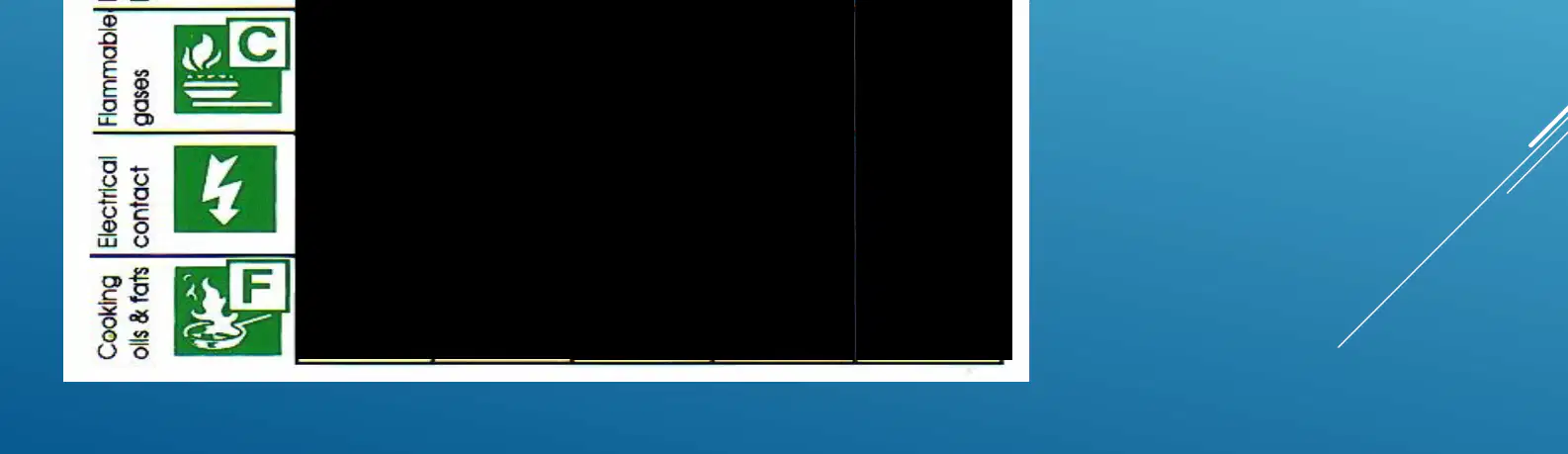
You encounter a deep‑fat fryer fire in a kitchen. Using the selection chart, which option best matches the correct extinguisher-to-class pairing and reason?
Use ABC powder because it works on most classes
Use foam because it blankets all liquid fires
Use CO2 because it displaces oxygen briefly
Use wet chemical because it saponifies hot oils
Which step in the PASS method comes first when operating a portable fire extinguisher?
Squeeze the handle to start discharge
Sweep side to side across the base
Aim low at the base of the flames
Pull the pin to break the tamper seal
When aiming a fire extinguisher, where should the nozzle or hose be directed for best effectiveness?
At the top of the flames for quick cooling
At the center of the smoke column
At the nearest wall to block heat
At the base of the fire, the fuel source
Why must you avoid touching an uninsulated CO2 extinguisher nozzle during use?
It becomes extremely hot and may blister skin
It becomes incredibly cold and can cause cold burns
It conducts electricity and causes electric shock
It may release toxic gas that irritates skin
You are using a fire extinguisher correctly with PASS. After pulling the pin and aiming low, what should you do next to release the extinguishing agent?
Twist the hose clockwise to unlock
Shake the cylinder repeatedly before use
Squeeze the handle firmly to discharge
Tap the pressure gauge lightly to prime
Which term best describes a fire started intentionally on a construction site?
Spread from combustible accumulation
Sparks from equipment failure
Ignition from poor housekeeping
Arson committed by an individual
Which situation most clearly shows poor housekeeping that can lead to a workplace fire?
A welder using a fire watch nearby
Gas cylinders stored upright outside
Electrical tools tested before use
Rags soaked with solvents left in piles
Uncontrolled hot works most likely cause a fire when
work areas are cleared of debris first
sparks reach nearby combustible materials
metal cutting is done in a wet zone
a permit and fire watch are used
A frequent ignition source during equipment failure on sites is
using tools with insulated handles
scheduled preventive maintenance
overheated motors and wiring faults
keeping batteries in dry storage
A stack of timber offcuts beside scaffolding catches a stray spark. Which primary factor allowed the fire to start?
Arson by an unknown trespasser at night
Combustible accumulation in the work area
Strong winds increasing flame spread
Fire extinguishers stored too far away
To reduce the chance of human error causing a fire during hot works, the most effective immediate step is to
ban all welding on the project
lock up all cutting equipment daily
rely on workers’ experience only
use a permit system with trained fire watch
Which practice best reduces trip hazards when using cable reels on site?
Run cable through protective cable covers
Stretch the cable tightly across walkways
Lay cables diagonally across open corridors
Leave excess cable coiled near doorways
Why should a cable reel be fully unwound during use?
Full length stops plugs from loosening
Coils reduce voltage and damage batteries
Unwound cable makes tools work faster
Coiled cable can overheat and start a fire
You must power a saw and a heater from one cable reel. What is the safest plan?
Keep the reel partly coiled to save setup time
Use a double adapter to add extra sockets quickly
Check total load, avoid overloading, fully unwind reel
Rely on the plug fuse to prevent overheating

