
 Worksheets
Unit 3: The Muscular System — Worksheet Questions
Total questions: 30
Worksheet time: 30mins
Select the statements that describe what the muscular skeletal system is needed for.
All types of movement (internal and external)
Pumping blood
Breathing
Producing body heat and regulating body temperature
Protecting internal organs
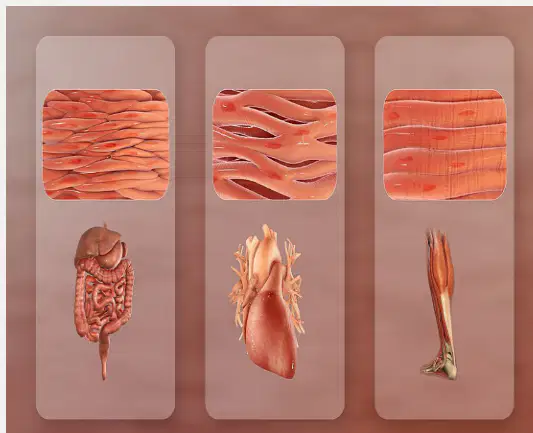
Select the three different types of muscle found in the human body.
Smooth
Cardiac
Skeletal
Connective
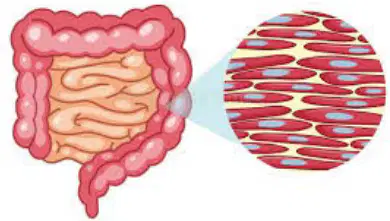
Where are smooth muscles located?
Within the layers of the skin
Attached to bones via tendons
Only in the chambers of the heart
In the walls of internal organs such as the digestive tract, blood vessels, and ducts leading from glands
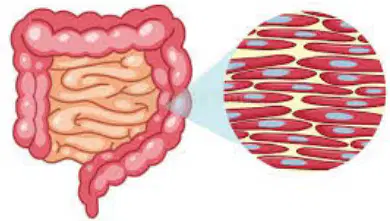
What is the primary function of smooth muscles?
Maintain upright posture
Enable voluntary movement of limbs
Move and control the flow of fluids through internal structures
Transmit electrical impulses to nerves
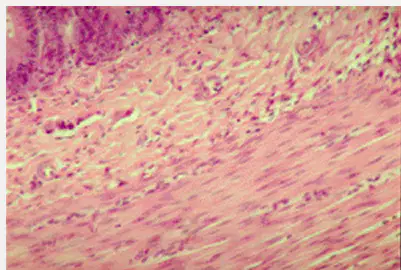
Select the characteristics that describe smooth muscle.
Unstriated
Involuntary
Visceral
Striated
Under conscious control
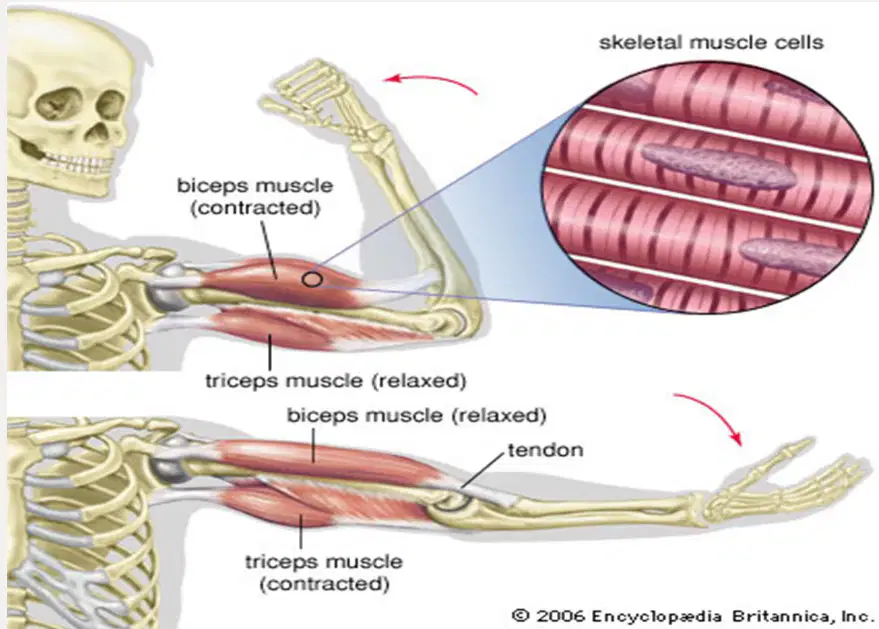
Based on the diagram of the arm, which muscle contracts to bend the arm at the elbow while its antagonist relaxes?
Biceps
Triceps
Deltoid
Quadriceps
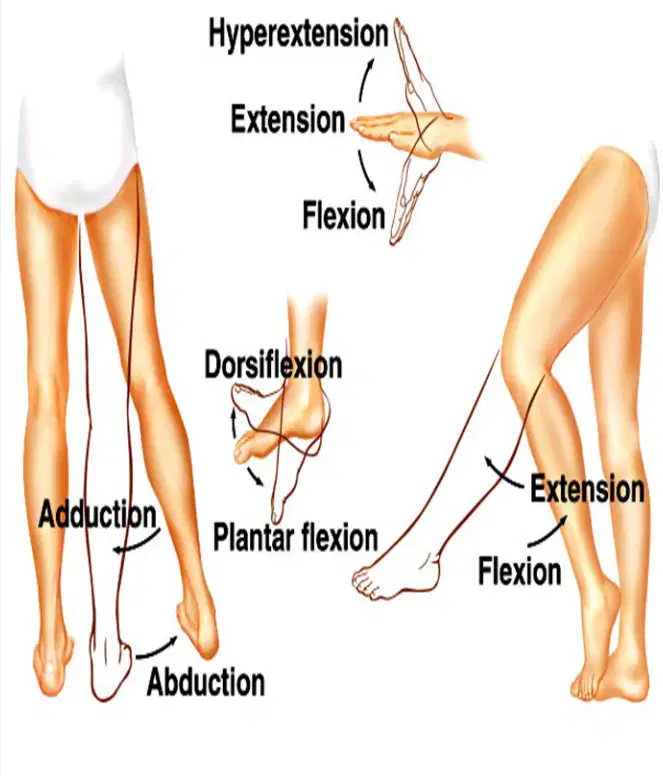
Which movement moves a limb away from the body’s midline?
Adduction
Abduction
Flexion
Extension
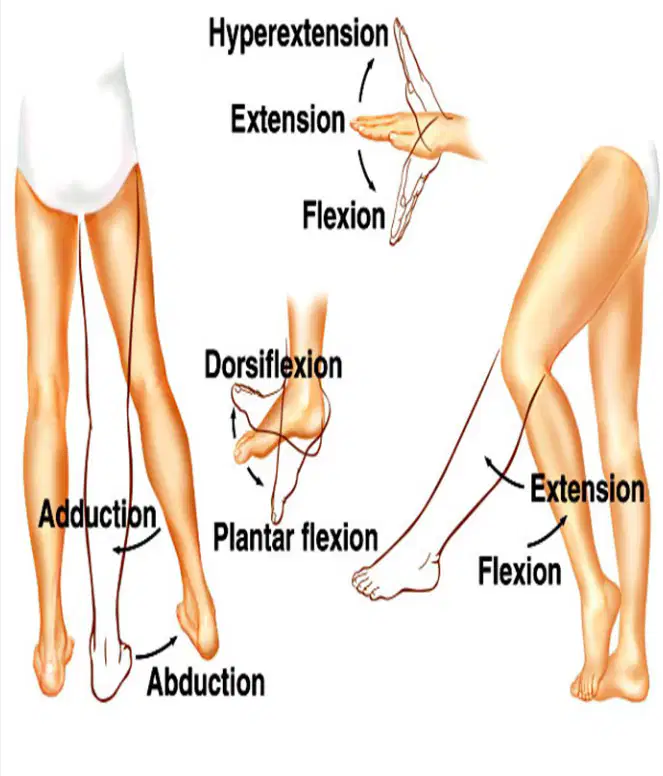
Which movement decreases the angle of a joint as in bending it?
Flexion
Extension
Hyperextension
Circumduction
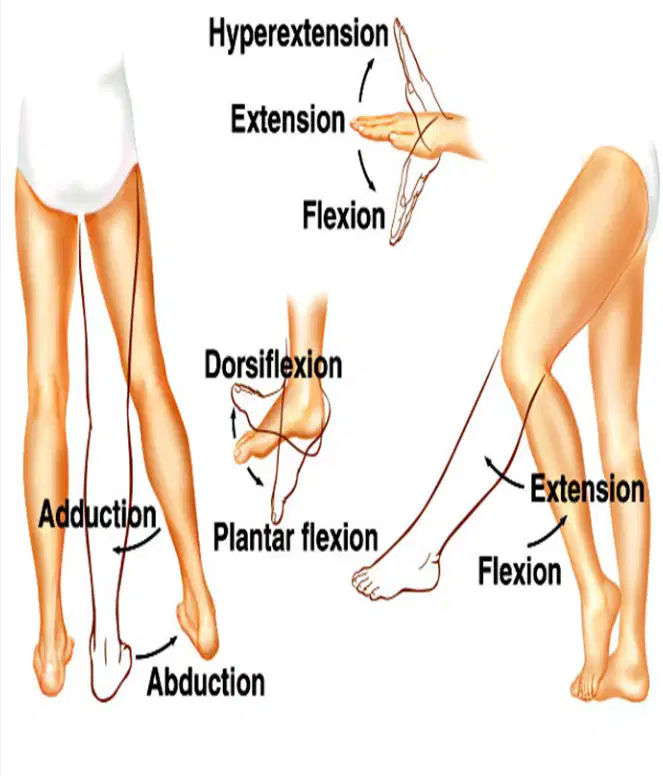
Which movement increases the angle at a joint as in straightening it?
Extension
Flexion
Abduction
Adduction
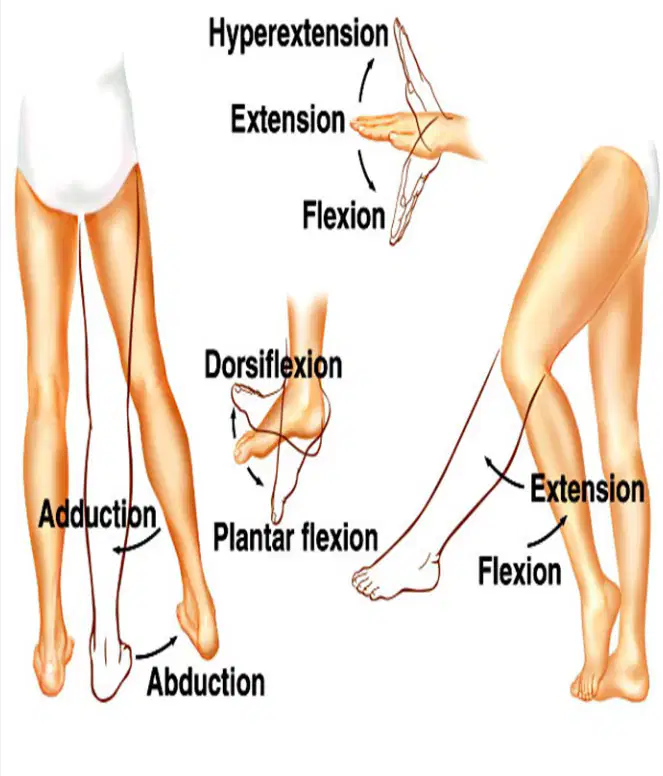
Which ankle movement bends the foot upward?
Dorsiflexion
Plantar flexion
Inversion
Eversion
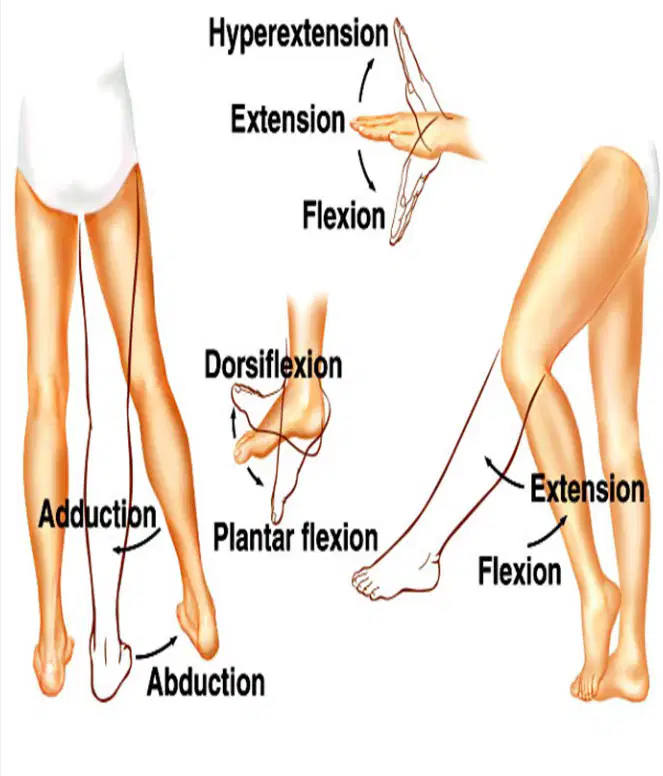
Which ankle movement bends the foot downward?
Dorsiflexsio
Plantar flexion
Inversion
Eversion
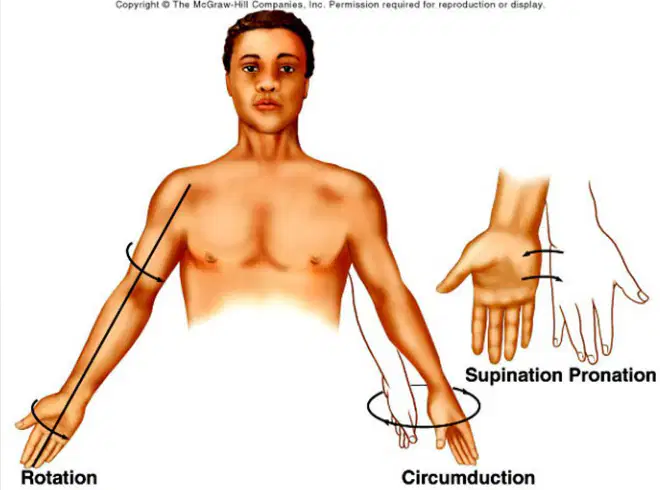
Which movement turns a bone on its own axis?
Rotation
Circumduction
Supination
Pronation
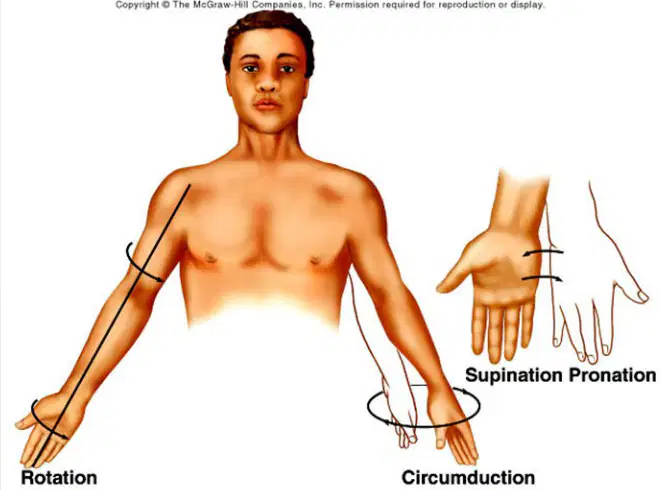
Which movement is a turn at the far end, tracing a cone-shaped path?
Supination
Rotation
Circumduction
Extension
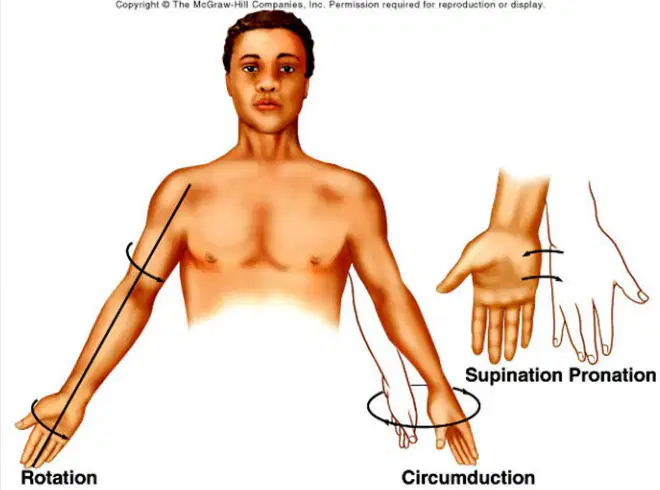
Which forearm movement turns the palm upward or forward?
Depression
Pronation
Supination
Elevation
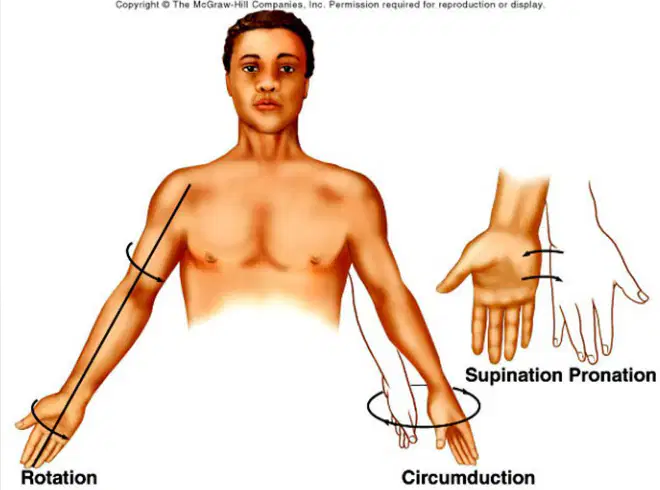
Which forearm movement turns the palm downward or backward?
Pronation
Supination
Rotation
Circumduction
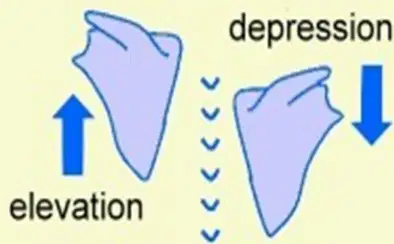
Which term describes raising a body part in the frontal plane?
Elxtension
Depression
Flexion
Elevation
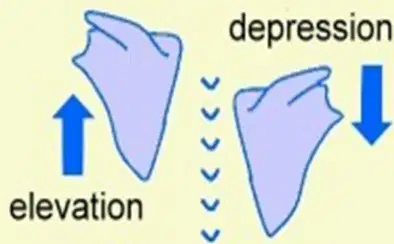
Which term describes lowering a body part in the frontal plane?
Depression
Elevation
Abduction
Adduction
In muscle naming, what does insertion refer to?
Where the muscle begins
Where the muscle ends
The muscle’s size
The muscle’s action
In muscle naming, what does origin refer to?
Where the muscle begins
Where the muscle ends
The number of muscle divisions
The muscle’s shape
Which action is performed by the biceps femoris?
Shoulder depression
Elbow extension
Shoulder abduction
Knee flexion
Which muscle group includes Rectus Abdominus, Transverse Abdominus, Internal and External Obliques?
"Abs"
"Hamstring"
"Quads"
"Calves"
Which list matches the muscles shown under "Hamstring"?
Semi-Membranosis, Semi-Tendonosis, Biceps Femoris
Vastus Medialis, Vastus Intermedius, Vastus Lateralis, Rectus Femorui
Gastrocnemious, Soleus
Rectus Abdominus, Transverse Abdominus, Internal and External Obliques
Which muscle group includes Vastus Medialis, Vastus Intermedius, Vastus Lateralis, Rectus Femoris?
"Hamstring"
"Abs"
"Quads"
"Calves"
Which pair of muscles is considered the "Calves"?
Vastus Lateralis, Rectus Femoris
Rectus Abdominus, External Obliques
Semi-Membranosis, Biceps Femoris
Gastrocnemious, Soleus
Which root word means muscle?
My/o
Neur/o
Orth/o
Sarc/o
Which paired roots words shown denote a tendon?
Ten/o, Tendin/o
My/o, Muscul/o
Kines/o, Kinesi/o
Fasci/o, Sarc/o
Which root word refers to a nerve?
Condyl/o
Brachi/o
Flex/o
Neur/o
Which pair of root words indicates movement?
Kines/o, Kinesi/o
Brachi/o, Cardi/o
Electr/o, Ton/o
Orth/o, Condyl/o
Which root word refers to the arm?
Tax/o
Cardi/o
Sarc/o
Brachi/o
Which root word means electricity?
Orth/o
Electr/o
Sarc/o
Condyl/o

