
 Worksheets
Quiz T11: L3 (WWI Ends)
Total questions: 20
Worksheet time: 2hrs 40mins
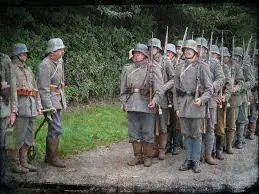
The Treaty of Versailles included limits on Germany's military. To what number did Germany have to reduce its army?
1 million
500,000
100,000
15,000
300,000
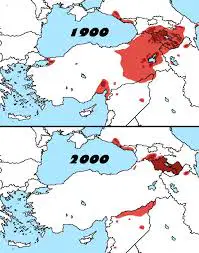
The Ottomans allegedly targeted the Armenians living in their empire because ________.
the Armenians were Sunni Muslim
they believed the Armenians would help Russia
the Armenians were Shia Muslim
they believed the Armenians were disloyal because they were Buddist
the Armenians were Jewish

An international diplomatic group developed after World War I to solve disputes between countries before they erupted into open warfare. This was the idea of Woodrow Wilson and was the precursor to the United Nations
Lusitanian
Zimmerman Telegram
Treaty of Versailles
League of Nations
Warsaw Pact
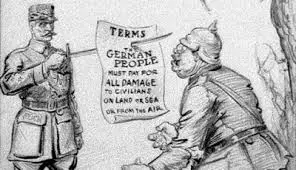
Payments to cover war costs
mandate system
damages
armistice
imperialism
reparations
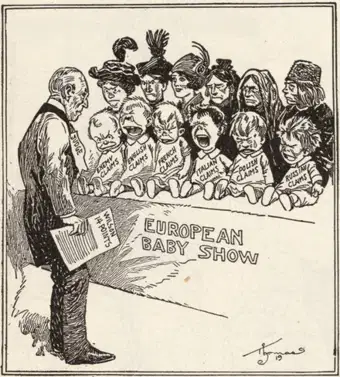
“There shall be no private international understandings of any kind but [instead] diplomacy shall proceed always frankly and in the public view.”
—Woodrow Wilson, The Fourteen Points
In stating this goal, Wilson was seeking an end to agreements such as the
Treaty of Brest-Litovsk
secret treaties and agreements
nationalism
famine
Schlieffen plan
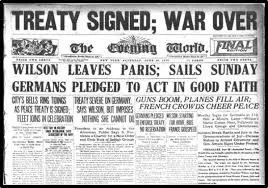
Which country was blamed for WWI in the Treaty of Versailles, via the war guilt clause?
France
Germany
Austria-Hungary
Russia
Ottoman Empire
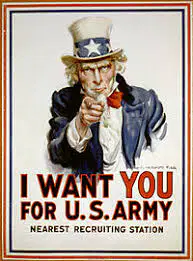
All the nations that participated in the ‘Great War’ implemented ______, requiring all young men to be ready for military service. This is known as the draft in the United States.
isolationism
propagandizing
conscription
nativism
collectivism
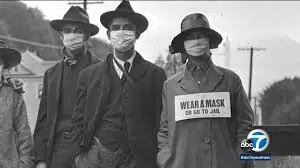
Worldwide, more people died from an influenza pandemic that began towards the end of World War I than died from the Great War.
True
False
Which of the following was a direct result of the Treaty of Versailles?
The establishment of the League of Nations
The start of the Cold War
The signing of the Magna Carta
The Russian Revolution
The Partitioning of Germany
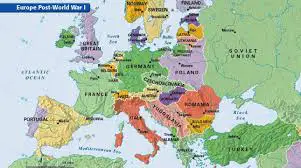
After WWI, Austria-Hungary
remained as a dual monarchy
was divided into Austria & Hungary
became a single unified country
joined the League of Nations
became part of Russia
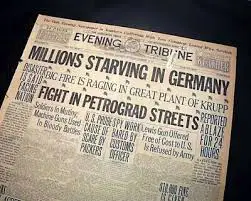
A British blockade that stopped military supplies, food, and clothing from reaching Germany, along with a failing potato crop, caused Germany to experience ____ in 1916 and 1917.
Baltic Revolutions
The Treaty of Versailles
The Great Depression
Turnip Winters
Bolshevik Poli
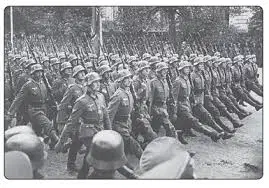
Which European nation had the largest army in 1914?
France
Russia
Germany
Austria-Hungary
China
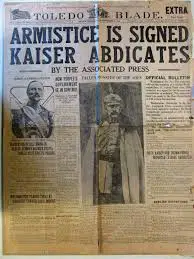
Which country asked for an Armistice?
England
Germany
France
Italy
Spain
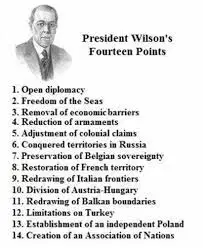
What was the purpose of Wilson's 14 Points?
To address the causes of the war & prevent future wars
To promote isolationism and avoid international cooperation
To establish a global dictatorship
To expand the territorial claims of the Allied Powers
Project the power of the United States

The country of ____ was established via the Treaty of Versailles after the Great War.
Austria-Hungary
Italy
Portugal
Bulgaria
Turkey
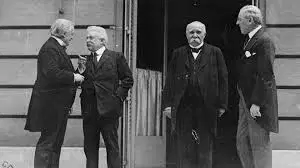
Which of these countries were NOT invited to the Paris Peace Conference?
British Empire & Russia
Germany & Russia
USA & Germany
Germany & France
Italy & France
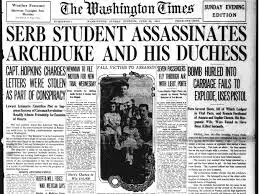
Which country was the first to declare war in WWI?
Germany
Austria-Hungary
Serbia
Russia
France
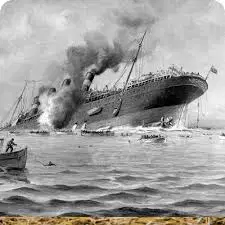
The Germans sank the British passenger ship __________ off the coast of Ireland in 1915
The HMS Queen Elizabeth II
The U.S.S Maine
The HMS Titanic
HMS Lusitania
HMS Astoria
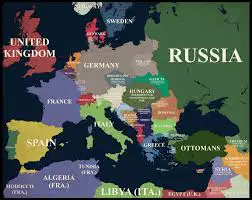
The Russian Empire increased in size after the Great War
True
False

Which of the following was a common role for women on the Home Front during World War I?
Frontline combat roles
Serving as diplomats
Working in factories and farms
Designing military strategies

