
 Worksheets
WW2 Mastery
Total questions: 143
Worksheet time: 1hrs 18mins
Which army had better winter clothing?
Wehrmacht (Germans)
Red Army (Soviets)
What eventually happened to German soldiers at Stalingrad?
they were surrounded
they were given cake
they wrote comic strips
they escaped
Who won the Battle of Stalingrad?
Germans
Soviets
Americans
Capturing the Russian cities of Stalingrad and Leningrad was part of the German plan to conquer Russia (or the Soviet Union). What was the codename of this plan?
Operation Sealion
Operation Dynamo
Operation Barbarossa
Operation Torch

U-boats were German (a) that hunted allied convoys in the Atlantic.
Label

Why did Allied ships travel in groups?
Protection from German submarines
To save fuel
To avoid getting lost
To make them better targets for submarines

How long did it take a convoy to travel across the Atlantic Ocean?
3 days
45 minutes
About 13 to 17 days
About 2 to 3 months
Add the best description for area #2 for convoys trying to cross the Atlantic in 1942.
Most Dangerous
Least Dangerous
Impossible to cross

Identify the 2 main challenges faced by Allied ships trying to sail over 3,000 miles across the Atlantic Ocean.
Long range German bombers
Wolfpacks of German submarines
Time and distance to cross the Atlantic Ocean
Access to ports on both sides of the Atlantic
What did the Allied forces manage to do to the Axis troops in Tunisia by May 1943?
Captured their leaders
Forced them to retreat to Italy
Forced over 250,000 Axis troops to surrender
Signed a peace treaty
What did Allied aircraft drop to attack underwater U-boats?
Depth charges
Guided missiles
Torpedoes
Napalm bombs
What technology did Allied ships and airplanes use to detect U-boats?
GPS
Radar and sonar
Infrared cameras
Satellites
How did Allied bombers and fighter planes protect convoys?
By deploying naval mines
By electronic warfare
By using submarines
By flying from aircraft carriers or launching from shore
What did Hitler aim to cut in the North Atlantic?
Communication lines
Allied supply lines
Underwater cables
Military alliances
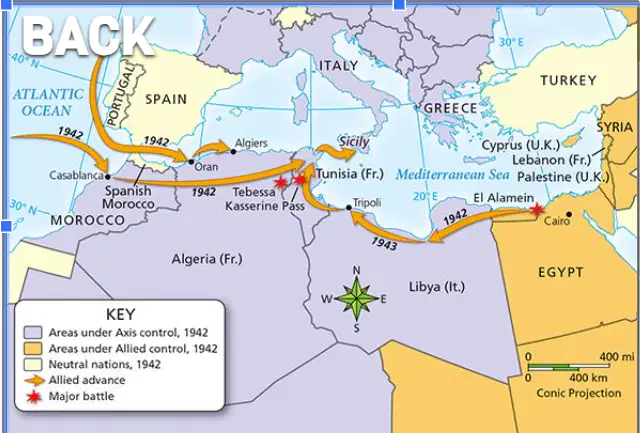
When did the British begin to push Axis forces towards Tunisia?
1943
1942
1941
1940
What was unique about warfare in North Africa compared to Europe and the Pacific?
Primarily naval battles
Primarily infantry battles
Primarily tank warfare
Primarily aerial dogfights
What did airplane crews do in the war effort in North Africa?
Rescue missions only
Transporting soldiers only
Bombing enemy troops and carrying supplies
Surveillance only
Where were Africa's war zones located during the conflict?
Kenya and Nigeria
Algeria and Sudan
South Africa and Morocco
Tunisia and Egypt
Which two French occupied colonies were the target of the Allies?
Morocco & Algeria
Sicily & Rommel
Spain & Morocco
Tunisia & Libya

What tough American commander was promoted during the North African Campaign and was known for his rapid armor attacks?
George S. Patton
Dwight D. Eisenhower
Douglas MacArthur
Bradley Clark
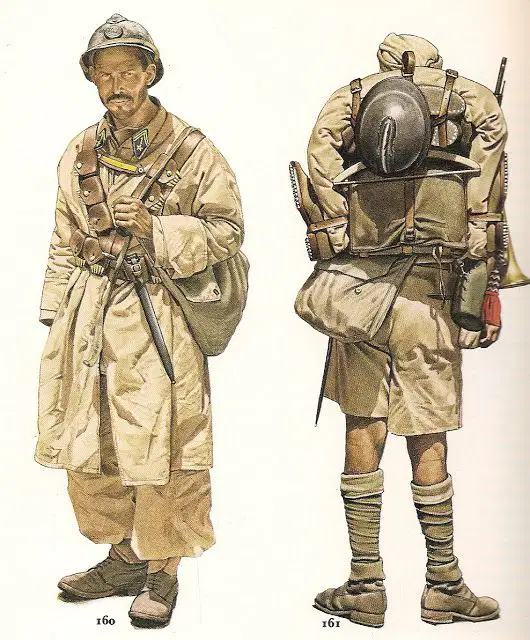
Some Vichy French forces put up fierce resistance in North Africa while others quickly surrendered.
True
False
Where did it take place?
Dunkerque, close to the Belgiam border
The beaches of Normandy
In Brittany France
Just south of Calais
On which beach was the fighting fierce, causing the Americans to lose many lives?
Omaha
Gold
Juno
Utah
Who was the Supreme Allied Commander during the war?
Dwight Eisenhower
Chester Nimitz
George Patton
Franklin Roosevelt

A multiple layer of defenses built by Hitler and the Germans in northern France that included Belgian gates, hedgehogs, land mines, barbed wire, pillboxes, and large artillery guns was the ___________________________.
Holocaust
Operation Overlord
Erwin Rommel
Atlantic Wall
True or False: The Allies deceived the Germans by making them think they were attacking Calais.
True
False

Why is the D-Day battle significant?
It was the turning point of the war in the Pacific.
It was the turning point of the war in Europe.
It began the liberation of Western Europe.
It was the turning point of the war in Africa.
The victory at Normandy was important because
it made Germany continue the war
it helped end the war
it allowed Russia to regain control of the world
it started world war III
Adolf Hitler's autobiography
isolationism
Axis Powers
fascism
Mein Kampf
Manchuria
resource-rich province of China invaded by the Japanese
isolationism
Axis Powers
fascism
Mein Kampf
Manchuria
In 1928 the Soviet dictator Joseph Stalin began a massive effort to _______________ .
overthrow communism.
industrialize his country.
educate the peasants.
increase trade.
One of the new political parties to rise during the political and economic chaos in Germany after World War I was the National Socialist German Workers' Party, also known as the ____________ .
Socialist Party
Nazi Party
Fascist Party
Bolshevik Party
In the Soviet Union under Stalin, family-owned farms were turned into ___________, or government owned farms.
concentration camps
collectives
cooperatives
factories
The United States felt stronger about being ______________ after WWI, especially since nations struggled to pay back debts from that war.
antagonists
militarists
isolationists
facist
FDR believed in ___________________ which was the idea that trade between nations creates prosperity and helps prevent war.
interventionism
neutrality
isolationism
internationalism
What happened at Dunkirk?
the British Army was saved by civilians
US Army defeated the Japanese Empire
the Soviets surrendered to Germany
the British Army defeated the French
What did British soldiers do at Dunkirk?
waited around on the beaches
formed long lines into the shallow water
destroyed their equipment
were attacked by German planes
all of these things
Why did the British leave so much of their equipment on the beaches of Dunkirk? Choose 2.
there was no room for it on the ships
it was heavy and would be hard to carry
they wanted Germany to have it
they really hated all their equipment
What was Churchill's strategy for dealing with Hitler and Germany?
He planned to negotiate a peace with Hitler.
He used the Royal Navy to blockade Germany.
He declared that they would never surrender and continue to fight at all costs.
Convince Stalin and the Soviet Union to invade Germany from the East.
What city was bombed for 57 nights in a row during the Battle of Britain?
Manchester
Birmingham
Paris
London
Newcastle
What new technology helped the British air force defend against the Germans?
radar
internet
radio
computers
telephone
At the beginning of the Blitz there were daily bombing raids
True
False
The only Western European country that remained for Germany to attack was?
Great Britain
United States
Italy
Iceland
According to Winston Churchill, where will the British fight? Click all that apply.
On the beaches
On the landing grounds
In the fields
In the streets
Under the ground
Where did the British people seek refuge in the city during Germany's attacks?
Underground train stations
In the sewers
In Big Ben
On the river Thames
What new technology did Britain use to help against Germany's attacks?
Radar
Atomic bombs
Poison gas
Tanks
Where was the Battle of Britain was mainly fought?
On the land
In the air
On the water
Under the water
At which city did thousands of British and French troops escape after they were surrounded by the Germans?
London
Dunkirk
Paris
Antwerp
What was Hitler's main goal in bombing the British in the Battle of Britain?
To keep them from attacking his troops in France
To destroy the air force in preparation to invade Britain
To prove his air force was stronger
To keep the British on the defense
To stop them from bombing Germany
What was Churchill's most important weapon at the start of the war?
His speeches.
Radar.
The Spitfire.
The Royal Naval.
What was Churchill's strategy for dealing with Hitler and Germany?
He planned to negotiate a peace with Hitler.
He used the Royal Navy to blockade Germany.
He declared that they would never surrender and continue to fight at all costs.
Convince Stalin and the Soviet Union to invade Germany from the East.

What was the name of the bombing campaign where the German Luftwaffe (air force) bombed British cities and military bases?
The Blitz
The Blitzkrieg
The Terror
The Bad Time
What happened first?
Invasion of France
Battle of Stalingrad
D-Day
Invasion of Poland
What was Japan trying to do in World War 2?
Build themselves an empire
Become a fascist superhouse
Japan was unleashing 127 years of rage
Trying to help Nazi Germany
Joseph Stalin’s policies in Ukraine during the 1930s directly resulted in
widespread starvation
agricultural self-sufficiency
the development of cottage industries
the use of subsistence farming techniques
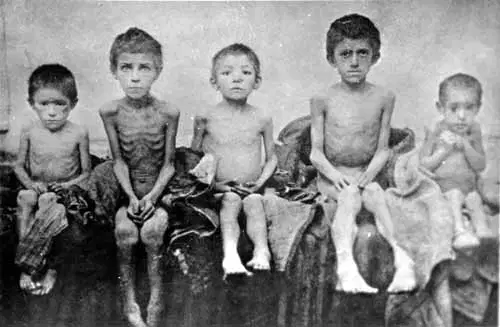
Why did Stalin refuse to feed the Ukrainian's as they were starving to death?
They had plenty of food and there was no need
He wanted all of the Ukrainian people to die
Ukrainians refused help
Stalin wanted the food for workers in cities and to sell
Q. In order to avoid conflict and another war, European leaders gave in to Hitler's demands because of the policy of ...
containment
Appeasement
Advancement
Internment
Q. What is one action that Hitler did in his attempt to make Germany bigger (or rebuild Germany)?
Agreeing to the terms of the Treaty of Versialles
Take loans from the US to rebuild Germany
Increase the size of Germany's military and conquering neighboring countries
Asking to be invited to the League of Nations
Q. The Allies and Hitler reached an agreement that Hitler could keep the land he had already taken if he did not invade any more countries. Hitler broke that promise when he invaded ___________________.
Denmark
France
Sweden
Poland
Q. What country was annexed, or added to Germany by force? The union was called 'Anschluss?"
Italy
The Soviet Union
Austria
Lithua
Q. What two countries declared war on Germany after the invasion of Poland?
Britain and the Soviet Union
Britain and France
Britain and the United States
Italy and the Soviet Union
Q. What even started WW2?
The invasion of Poland
The bombing of Pearl Harbor
The Battle of El-Alamein
The use of the atomic bomb on Hiroshima
How did the Atlantic Charter impact World War II?
It had no impact on World War II
It caused the Allied powers to lose the war
It laid out the goals of the Allied powers and helped shape the post-war world order.
It led to the formation of the Axis powers
What was the purpose of the Lend-Lease Act?
To provide financial aid to Axis powers
To establish trade agreements with neutral countries
The purpose of the Lend-Lease Act was to provide military aid to the Allies during World War II.
To support the development of nuclear weapons
How did the Lend-Lease Act impact the United States' economy during World War II?
The Lend-Lease Act boosted the U.S. economy by increasing production and creating jobs.
The Lend-Lease Act caused a decrease in production and job opportunities in the U.S.
The Lend-Lease Act had no impact on the U.S. economy during World War II
The Lend-Lease Act led to a surplus of goods and resources in the U.S. economy
On what date did Japan attack Pearl Harbor
September 11, 1941
May 8, 1945
December 7, 1941
June 6, 1944
Where is Pearl Harbor?
The Canary Islands
The East Indies
Indochina
Hawaii
According to Order 9066, which people on the west coast were to be relocated?
People of Japanese ancestry
People of Hawaiian ancestry
People of Native American ancestry
People of French ancestry
TRUE or FALSE: Some interned Americans fought in the armed forces during World War 2.
TRUE
FALSE

What program brought in about 4 million Mexican citizens to labor on farms during WW2?
Agriculture Adjustment Act
Bronco Program
Victory Garden Act
Bracero Program
What were the two targets of the Double-V Campaign?
Fascism Abroad
German U-boats
Racism at Home
Inadequate Supplies
The enactment of the Lend-Lease Act in 1941 showed that what idea about United States involvement in
World War II was true?
The United States became more isolationist in an attempt to avoid participation in the war.
The United States shifted from a policy of neutrality to support for the Allies.
The United States shifted its support from the Allied Powers to the Axis Powers.
The United States was willing to send soldiers to Europe to support the war effort.
During the 1930s, how did the United States respond to the increasing tensions in Europe?
The United States formed an alliance with France and Britain to oppose Germany.
The United States passed Neutrality Acts to avoid involvement.
The United States sent economic aid to Germany to help with its financial situation.
The United States denounced the Soviet Union to stop the spread of communism.
Why were consumer goods rationed during World War II in the United States?
to guarantee military troops had needed supplies
to cause a shortage of crops as a way to raise prices
to limit goods sent to Germany
to increase reserves of natural resources

What does D-day refer to?
the battle of WWII
The invasion of Normandy
The world war
The french revolution
A multiple layer of defenses built by Hitler and the Germans in northern France that included Belgian gates, hedgehogs, land mines, barbed wire, pillboxes, and large artillery guns was the ___________________________.
Holocaust
Operation Overlord
Erwin Rommel
Atlantic Wall
The Battle of Iwo Jima was fought between
U.S. vs Japan
U.S. vs China
Japan vs Great Britain
Japan vs China
How did the Japanese defend Iwo Jima?
Using tanks to drive back the Americans
Using their battleships to attack the U.S. fleet
Using a vast system of bunkers, hidden artillery, and underground tunnels
Using their air force to attack and bomb U.S. soldiers
What happened to most of the Japanese fighters?
They surrendered
The went missing
They were captured
They died
What did the Japanese General order to be built on Iwo Jima in order to defend it from the American attack?
Duck boats
Caves and tunnels
Huge above ground military base
A system of Tree forts
What was Iwo Jima primarily used for by the Japanese during World War II?
A naval base
A training ground
An air base
A supply depot
What does "Iwo Jima" mean in Japanese?
Volcanic island
Sulfur island
Battle island
Hidden island
What was the United States strategy in the Pacific known as during World War II?
Island hopping
Trench warfare
Blitzkrieg
Guerrilla tactics
What did the USA learn about Japan during the battle of Iwo Jima?
Japan would be easy to defeat
Japan would not surrender
Japanese soldiers did not want to fight
All of these are true
What was the result of the Battle of Iwo Jima?
America lost the battle
America won the battle
Nobody won the battle
Germany won the battle
Which country had more losses during the Battle of Iwo Jima?
Japan
USA
Russia
Germany
Where was the Battle of Leyte Gulf primarily fought?
In the Bay of Bengal near India
In the East China Sea near Okinawa
In the Coral Sea near Papua
In the Philippine Sea near Leyte
Where was the Battle of Leyte Gulf primarily fought?
In the Bay of Bengal near India
In the East China Sea near Okinawa
In the Coral Sea near Papua
In the Philippine Sea near Leyte
What were the dates of the Battle of Leyte Gulf?
June 4–7, 1942
December 16–19, 1944
October 23–26, 1944
August 6–9, 1945
Which forces opposed each other in the Battle of Leyte Gulf?
United States and Allies vs Imperial Japanese Navy
Germany and Italy vs Soviet Navy
United States vs German U-boat fleet
United Kingdom alone vs Japanese Army
The Battle of Leyte Gulf was part of which larger campaign?
Allied invasion of Okinawa
Defense of the Aleutian Islands
Allied invasion of the Philippines
Operation Torch in North Africa
Why is the Battle of Leyte Gulf often considered the largest naval battle in history?
Sheer tonnage and number of ships involved
Longest continuous days of fighting
Greatest number of submarines used
Largest number of coastal batteries
Which U.S. naval assets played key roles at Leyte Gulf?
Aircraft carriers, battleships, cruisers, destroyers
Submarines, torpedo boats, minesweepers, gunboats
Coast guard cutters, merchant ships, ferries, tugs
Dreadnoughts, ironclads, monitors, paddle steamers
Which losses did the Japanese fleet suffer during the battle?
3 carriers, 3 battleships, 10 cruisers, 11 destroyers
5 carriers, 1 battleship, 4 cruisers, 7 destroyers
1 carrier, 6 battleships, 2 cruisers, 3 destroyers
No carriers, 2 battleships, 8 cruisers, 2 destroyers
What did Leyte Gulf demonstrate about modern naval warfare?
The superiority of battleships in all roles
The dominance of coastal artillery over fleets
The importance of aircraft carriers and air power
The decline of naval aviation after 1943
Despite heavy losses, what tactic did some Japanese forces manage to execute?
Diversionary tactics to mislead Allied forces
Successful amphibious landings on Leyte
Coordinated blockade of American bases
Mass paratrooper drops behind enemy lines
Which countries were involved on the Allied side?
United States and Soviet Union
United States and the Philippines
United States and United Kingdom
United States and Australia
How many Japanese aircraft carriers were sunk?
3
2
1
4
What was the outcome of the battle?
Japanese victory
Allied victory
Stalemate
Japanese regained control of Leyte
What role did aircraft carriers play in the battle?
Central role in attacking ships and supporting landings
Minimal role
Used only for transport
Carried troops to shore
Why is the Battle of Leyte Gulf historically significant?
It was the last European Theater battle
It secured Allied control of the Philippines and destroyed Japanese naval power
It marked the first use of kamikaze planes
It allowed Japan to regain the Philippines
When did Japan attack the United States at Pearl Harbor, causing the U.S. to enter World War II?
October 1941
November 1940
December 1941
January 1942
Which battle marked the great turning point in the Pacific War?
Battle of Leyte Gulf
Battle of Midway
Battle of Coral Sea
Battle of Guadalcanal
What was the significance of securing Saipan during World War II?
It was a major supply route
It was a strategic location for airfields
It was rich in natural resources
It was used as a naval base
How many Japanese troops defended Saipan and how many survived?
30,000 defended, less than 1,000 survived
25,000 defended, 500 survived
40,000 defended, 2,000 survived
35,000 defended, 1,500 survived
What was General Douglas MacArthur's famous quote when he returned to the Philippines?
Back to reclaim
Onward to victory
We have won
I have returned
What was the largest naval battle in the history of warfare?
Battle of Leyte Gulf
Battle of Jutland
Battle of Midway
Battle of the Philippine Sea
During which battle did U.S. sailors first witness kamikaze attacks?
Battle of Leyte Gulf
Battle of Iwo Jima
Battle of Saipan
Battle of Okinawa
How many Japanese soldiers died defending Leyte?
About 65,000
About 50,000
About 75,000
About 40,000
Which island did American forces invade on February 19, 1945?
Guam
Iwo Jima
Saipan
Okinawa
What was the final land battle of World War II?
Battle of Leyte Gulf
Battle of Iwo Jima
Battle of Saipan
Battle of Okinawa
How many U.S. soldiers and Navy personnel were dead or missing after the battle of Okinawa?
More than 8,000
More than 12,000
More than 10,000
More than 15,000
What major decision did the bloodbath at Okinawa influence?
The decision to invade Japan
President Truman's decision to use atomic bombs
The decision to increase troop deployment
The decision to negotiate peace
When did the Japanese surrender in World War II?
June 22, 1945
July 4, 1945
September 2, 1945
August 14, 1945
What was the outcome of the Battle of the Philippine Sea?
The U.S. lost two aircraft carriers
Japan lost three aircraft carriers
The battle was inconclusive
Japan gained air superiority
How many civilians died on Okinawa during the battle?
25,000 to 50,000
100,000 to 150,000
50,000 to 75,000
200,000 to 250,000
When did Japan attack the United States at Pearl Harbor, causing the U.S. to enter World War II?
October 1941
November 1940
December 1941
January 1942
Which battle marked the great turning point in the Pacific War?
Battle of Leyte Gulf
Battle of Midway
Battle of Coral Sea
Battle of Guadalcanal
What was the significance of securing Saipan during World War II?
It was a major supply route
It was a strategic location for airfields
It was rich in natural resources
It was used as a naval base
How many Japanese troops defended Saipan and how many survived?
30,000 defended, less than 1,000 survived
25,000 defended, 500 survived
40,000 defended, 2,000 survived
35,000 defended, 1,500 survived
What was General Douglas MacArthur's famous quote when he returned to the Philippines?
Back to reclaim
Onward to victory
We have won
I have returned
What was the largest naval battle in the history of warfare?
Battle of Leyte Gulf
Battle of Jutland
Battle of Midway
Battle of the Philippine Sea
During which battle did U.S. sailors first witness kamikaze attacks?
Battle of Leyte Gulf
Battle of Iwo Jima
Battle of Saipan
Battle of Okinawa
How many Japanese soldiers died defending Leyte?
About 65,000
About 50,000
About 75,000
About 40,000
Which island did American forces invade on February 19, 1945?
Guam
Iwo Jima
Saipan
Okinawa
What was the final land battle of World War II?
Battle of Leyte Gulf
Battle of Iwo Jima
Battle of Saipan
Battle of Okinawa
How many U.S. soldiers and Navy personnel were dead or missing after the battle of Okinawa?
More than 8,000
More than 12,000
More than 10,000
More than 15,000
What major decision did the bloodbath at Okinawa influence?
The decision to invade Japan
President Truman's decision to use atomic bombs
The decision to increase troop deployment
The decision to negotiate peace
When did the Japanese surrender in World War II?
June 22, 1945
July 4, 1945
September 2, 1945
August 14, 1945
What was the outcome of the Battle of the Philippine Sea?
The U.S. lost two aircraft carriers
Japan lost three aircraft carriers
The battle was inconclusive
Japan gained air superiority
How many civilians died on Okinawa during the battle?
25,000 to 50,000
100,000 to 150,000
50,000 to 75,000
200,000 to 250,000

