
Font size
 Worksheets
7th grade Vocab Quiz: Review Discovery Ed
Total questions: 100
Worksheet time: 50mins
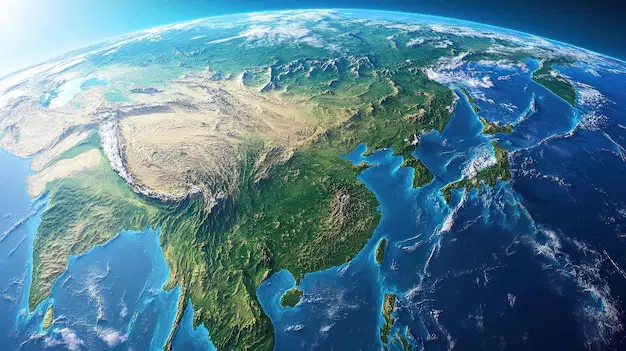
The largest continent on earth.
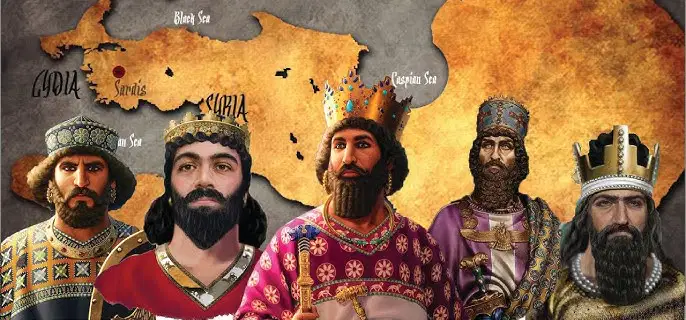
A series of rulers all from a single family.
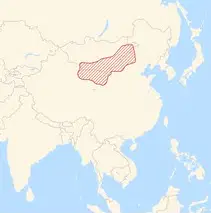
The sixth largest desert in the world, this cold desert separates China and Mongolia.
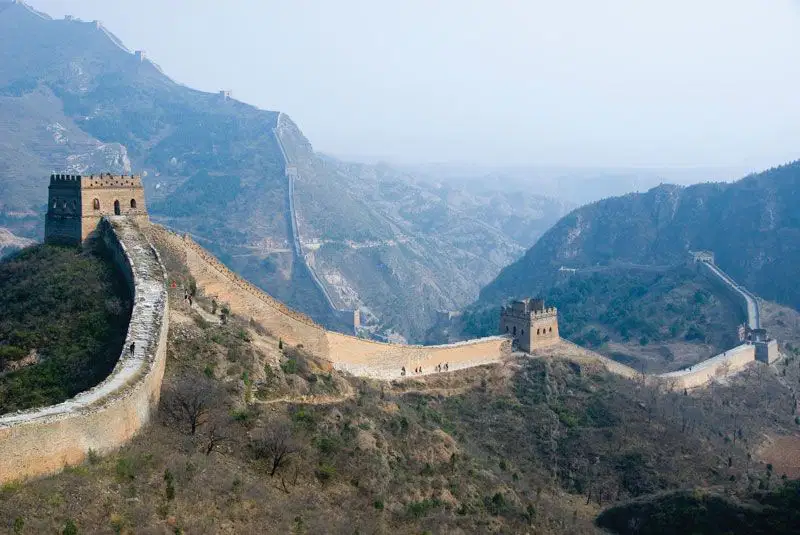
The largest man made structure on Earth, this structure at one point circled all of China.
Founded by Lui Bang, this Chinese took control after the Qin Dynasty.
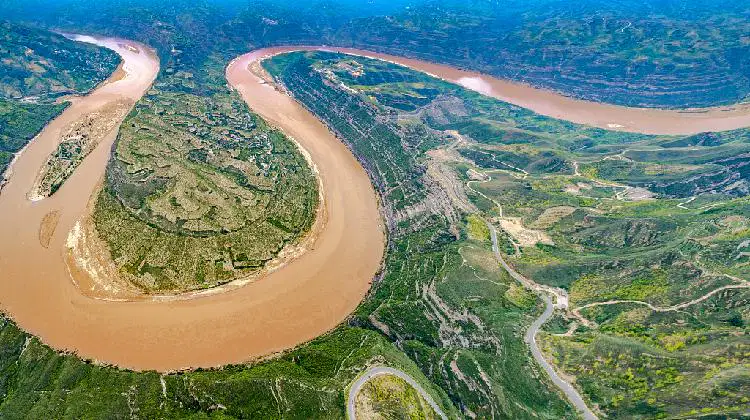
Also known as the Yellow River, this is the second longest river in China. Sometimes called "China's Sorrow" because of its violent flooding.
Huang He River
Horizontal lines on a map that tell you how far North or South from the Equator something is.
Longitude
Topographic
Latitude
Vertical lines that tell you how far from the Prime Meridian someplace is.
Longitude
Latitude

The shortest of all Chinese dynasties, this dynasty was the first to unite all of China.
This trade network connected Europe and Africa to China.
The highest and largest plateau in the world, located in Central Asia.
Ancient civilization, the source of silk, gunpowder, and ice cream.

Most influential of ancient Chinese philosophers, he emphasized moral values, social harmony, and loyalty to the family.
This Chinese philosophy emphasizes moral values, social harmony, and loyalty to the family.
What does filial piety mean?
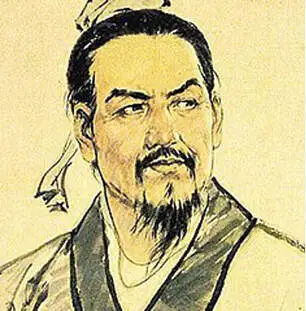
This Chinese philosopher founded Legalism and emphasized that people needed a strict code of laws to be "good."
This Chinese philosophy believes people are innately corrupt and that people should be subject to a strict legal code to enforce justice and social norms.

The study of the fundamental nature of knowledge, reality, and existence, especially when considered as an academic discipline.
Founded by Lao Tzu, this Chinese philosophy emphasizes balance and naturalism, it's name meaning "the Way."
A system where important decision making and services are entrusted to civil servants.
A social system revolving around land and favors in exchange for military service and loyalty.

The imperial palace complex of ancient China. The largest preserved palace standing today.
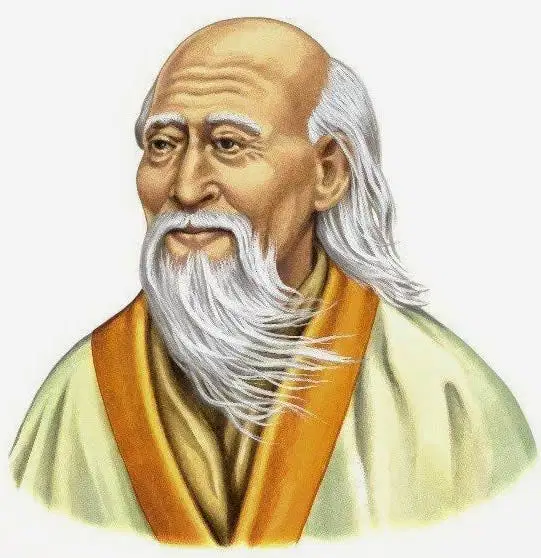
The founder of Daoism (Taoism), this philosophers name means "Old Master."
An official order, command, or commission to do something.
Obfuscate
The idea in ancient China that the Emperor was chosen by the gods, and must maintain their favor to rule properly. A series of bad events may be seen as the Emperor having lost this favor.

A Venetian merchant who spent 25 years traveling the silk road, including 17 years in the service of the Chinese Emperor Kublai Khan.
A government or social system in which people are rewarded based upon ability.

The first emperor to unify China. Also built the Terra Cotta Army.
Qin
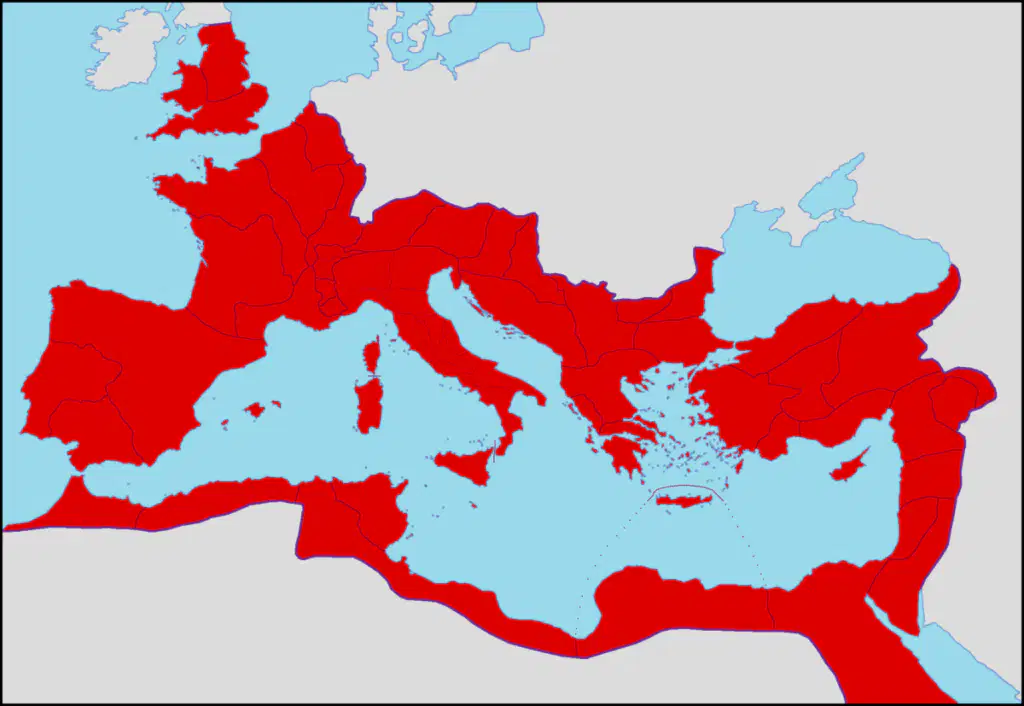
This empire, located in modern Italy, controlled the Mediterranean Sea and traded glass for Chinese silk.
An approximately 250 year period of civil war in ancient China that marked the end of the Zhou Dynasty.
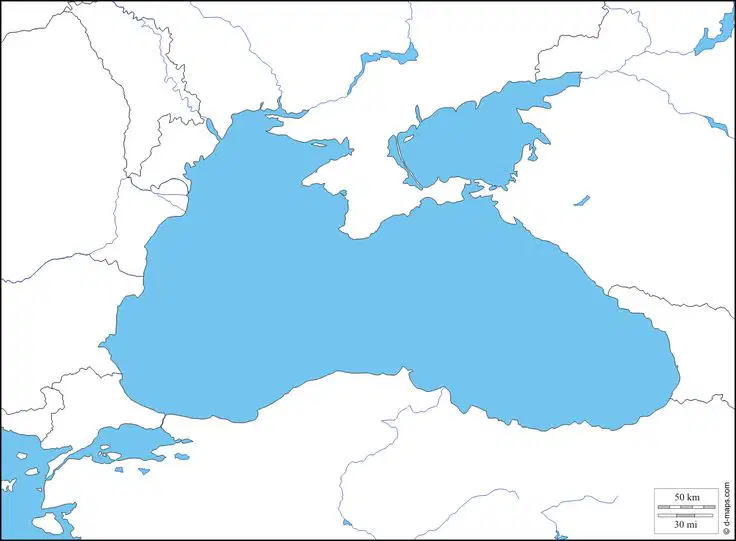
This sea marks the border between Asia and Europe.
Black Sea
This religion, founded in India, is popular in China today. It emphasizes the "Middle Way."

A group of merchants or people traveling together for protection.
This Chinese invention always points North, helping people navigate.
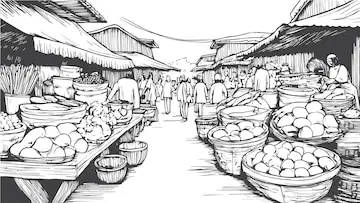
A place where things are sold, usually near the center of a community.

This sea separates Europe from Northern Africa.
A person or company who is the only provider of a particular good or service.
This sea east of the Arabian Peninsula is part of the Indian Ocean and separates Arabia from India.
A fortress, especially around a city to defend it, often built on a high point of land with low, thick walls dotted with bastions.
Fort
Moat
Rampart
Citadel
General atmospheric conditions of a location, or weather over an extended period of time.
A major seasonal weather pattern where wind systems switch directions, often bringing massive seasonal rains or drought.
To have more of a product than is needed, desired, or required.
A human or animal believed to be the reincarnation of a deity. The soul of a god inhabiting the body of a mortal, often to fight a great evil.
This religion was founded by Siddhartha Gautama around 2,500 years ago and encourages its followers to follow the Eightfold Path to escape the suffering of the world.
The idea that a soul is reborn after death, often as another person but sometimes as an animal, insect, or even plant.
Oldest of the world's major religions, this is the native religion of India and features thousands of gods... and yet considers them all aspects of a single god.

People living this kind of life style do not farm plants, but rather raise domesticated livestock like sheep, cows, or goats that have to be moved from place to place periodically for care and feeding.
Pastoral

The formal word for farming.
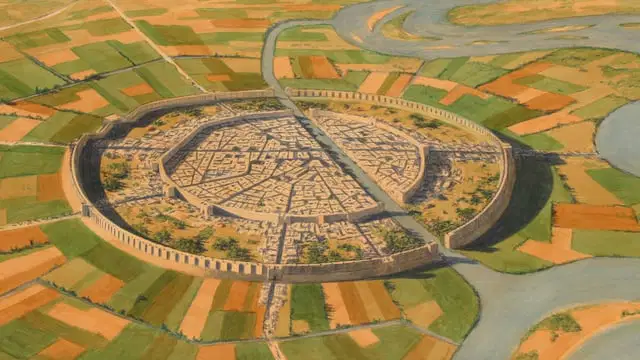
A city that also functions as an independent nation.
Levee
Civilization
City-State
An fertile C-shaped area of the middle east were human civilization first arose.
The continent human life originated on.
Anything that helps people.
Artifacts
Data.
Distractions.
Technology
A foundational theory of modern biology that states that all life develops from preexisting life on Earth.
Astrophysics
The scientific term for modern people.
A fortress, especially around a city to defend it, often built on a high point of land with low, thick walls dotted with bastions.
Fort
Moat
Rampart
Citadel
This sea east of the Arabian Peninsula is part of the Indian Ocean and separates Arabia from India.
A major seasonal weather pattern where wind systems switch directions, often bringing massive seasonal rains or drought.
A human or animal believed to be the reincarnation of a deity. The soul of a god inhabiting the body of a mortal, often to fight a great evil.
This religion was founded by Siddhartha Gautama around 2,500 years ago and encourages its followers to follow the Eightfold Path to escape the suffering of the world.
Oldest of the world's major religions, this is the native religion of India and features thousands of gods... and yet considers them all aspects of a single god.
Siddhartha Gautama was an India prince, foretold to change the world. He came to be called this term by his followers, which translates to "The Enlighted One."
A lawmaking body used in nations such as India, Great Britain, and Canada. Usually, there is an upper and a lower house, with an executive called the Prime Minister to ensure laws are carried out.
Congress
Parliament
Poor workers, often farmers, of a pre-industrial society.
A series of rulers of a kingdom or empire each from a particular family.
A large group of territories and diverse peoples ruled by a single sovereign or government.

The destroyer god of Hinduism, he sweeps away the old so that new creations can be made.

During the last ice age, this land bridge allowed people to walk from Asia to North America.
Beringia
An fertile C-shaped area of the middle east were human civilization first arose.
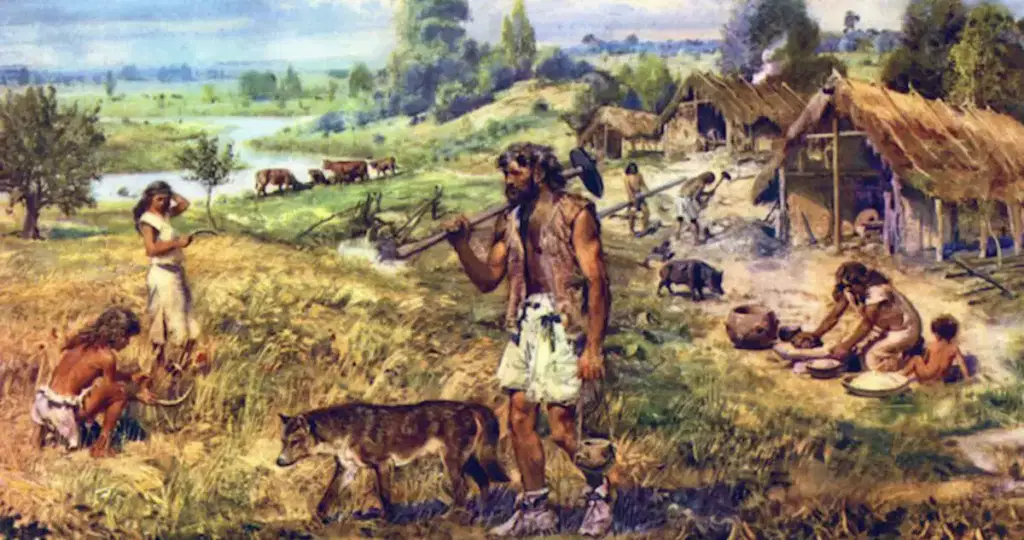
This term means "New Stone Age."

This area is separated from the rest of the continent by the Sahara Desert and abuts the Mediterranean Sea.
This technological leap in human history centered around the invention of farming.
Neolithic Revolution
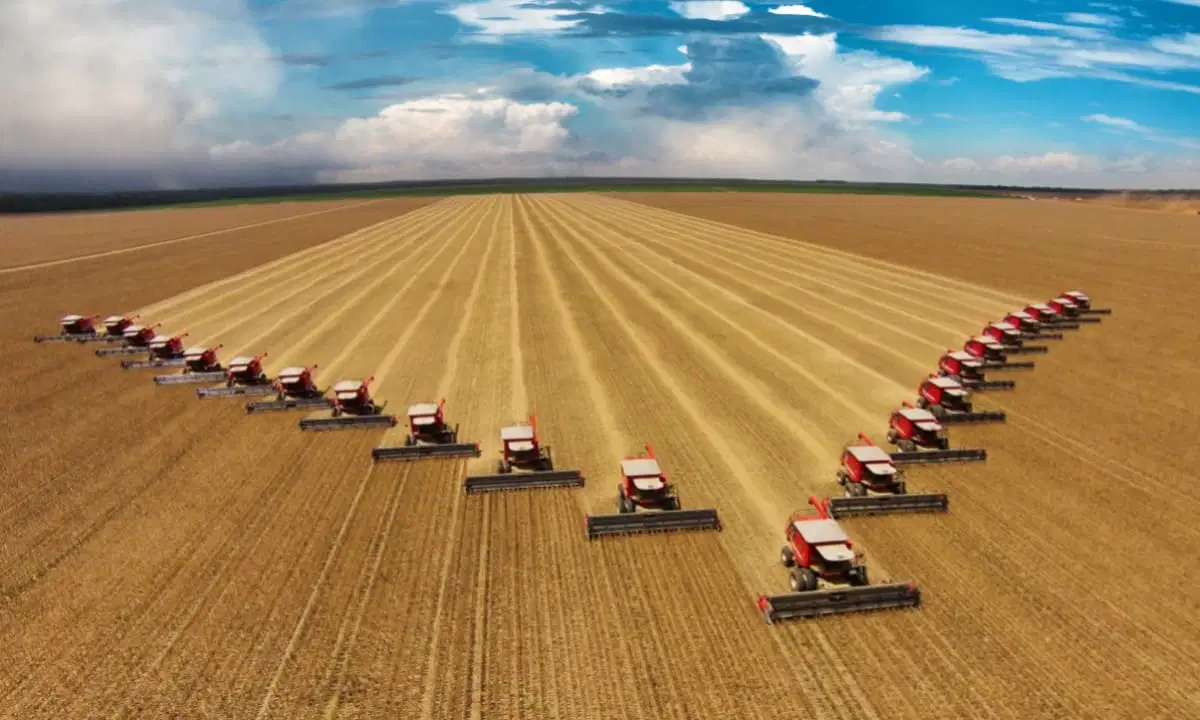
Farmers engage in this industry...

What continent is this?
Europe
Asia
Antarctica
North America
Anything that helps people.
Artifacts
Data.
Distractions.
Technology
The continent human life originated on.
The scientific term for modern people.
The molecule that carries our genetic code.
In economic terms, how much people want to buy or own a certain product or resource.
How much of a given resource or product there is in economics.
Supply
When an individual focuses on a certain skill for economic reasons.
A lack or unavailability of a resource or product.
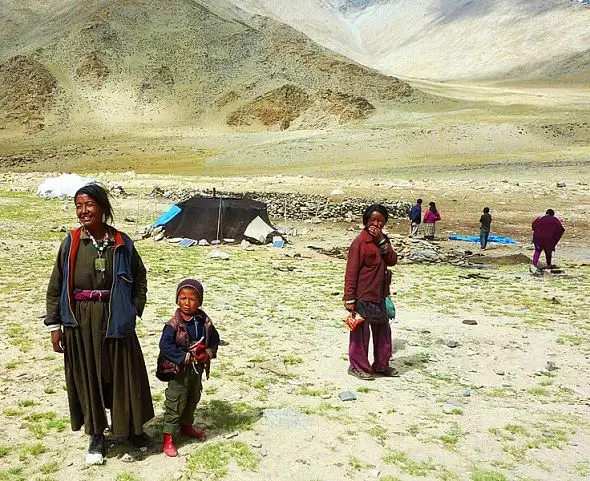
A lifestyle who move from place to place periodically.
Sedentary
Urban
Static
Nomadic
Soil in the water of rivers, carried down stream.
Silt
A safe space for ships that shelters them from ocean storms while allowing access to the land.
The removal of soil or material through natural processes like wind or water.
Weather patterns in a region over the long term.
A city that also functions as an independent nation.
Levee
Civilization
City-State

The seat of political control of a nation.
Economic
Cultural Hub
Capital
The formal word for farming.
To move, either seasonally, for food, or following other patterns.
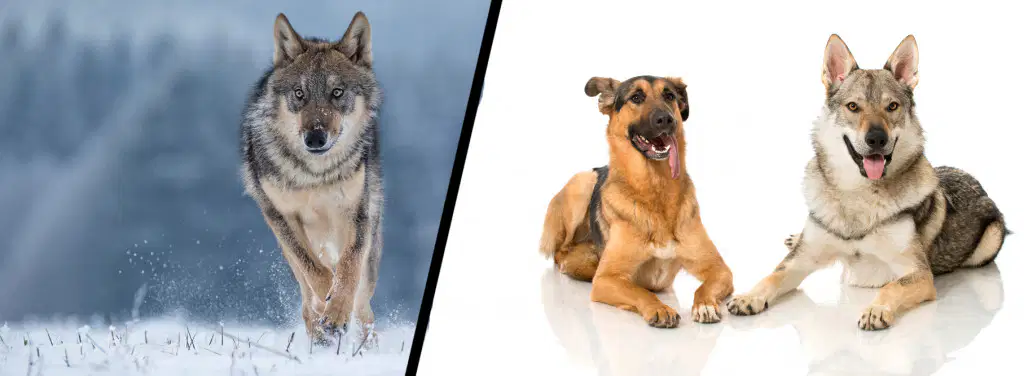
To tame, or develop a plant or animal to suit human needs.

This area of Asia is the crossroads of the world, pinned between Africa, Europe, and the rest of Asia.
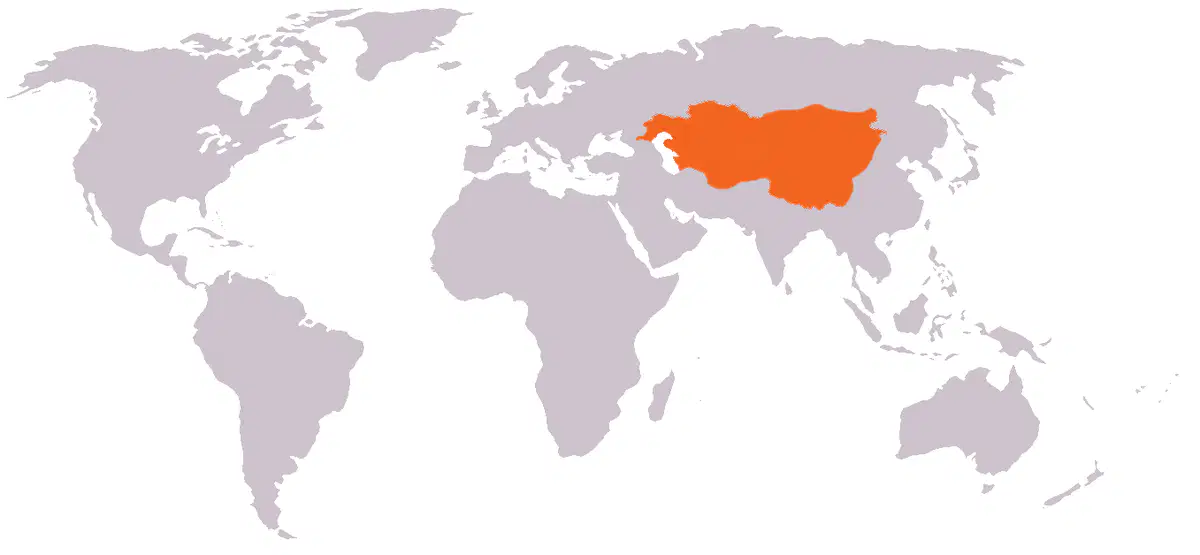
This geographic region is the middle of Earth's largest continent.
Placing things, events, or people in order of the time that they happened.
Reverse order
Chronological
Random

What continent is this?
Europe
Asia
North America
South America
An expanse or continuous land mass.
Continent
Island
Isthmus
Penninsula

What continent is this?
Asia
Africa
Australia
South America

What continent is this?
Asia
Africa
North America
Australia

What continent is this?
South America
Antarctica
Africa
Asia

What continent is this?
Antarctica
Europe
Australia
Asia

