
 Worksheets
New Routes
Total questions: 29
Worksheet time: 15mins
Which of the following are reasons people explore, both today and long ago?
To gain knowledge and make scientific discoveries
To find resources and new trade routes
To avoid change by staying at home
To claim land, spread influence, or seek adventure
Match each term to its definition.
Expedition
A journey or voyage undertaken for a specific purpose, like exploration and science
Route
A path or course that someone travels, such as a ship’s voyage across the ocean
Claim
When a country declares that it owns a piece of land or territory, even if people already live there
Colony
A settlement or territory that is controlled by another country
Resources
Valuable things that a country needs or wants, such as gold, silver, spices, fish, timber, or fertile land for farming
What is the Northwest Passage?
A hoped-for sea route through northern North America connecting the Atlantic Ocean to the Pacific Ocean and leading to Asia
A canal that already links the Atlantic Ocean and the Pacific Ocean through Central America
A trade agreement between European countries and Asia
A river that flows from Europe to North America
Europeans had three main reasons for exploring the Western Hemisphere. Select all that are listed.
Finding new trade routes to reach Asia and buy valuable goods
Finding resources and wealth
Gaining glory and power
Staying in Europe to protect borders
According to the reasons for exploration, what did kings and queens want for their country?
To be the greatest
To avoid all contact with other lands
To move their capitals to the New World
To end sea travel
For which country did Christopher Columbus sail?
Spain
England
France
Portugal

Where did Christopher Columbus explore?
The Caribbean islands and nearby coasts of Central and South America
The Gulf of St. Lawrence and the St. Lawrence River
The northeastern coast of North America including Newfoundland
The Arctic Ocean near Greenland
Why did Christopher Columbus sail west across the Atlantic Ocean?
He believed he could reach Asia by finding a faster trade route for Spain
He wanted to settle permanently in the Caribbean
He planned to map the St. Lawrence River for France
He was searching for rich fishing grounds off Newfoundland
For which country did John Cabot sail?
England
Spain
France
Portugal
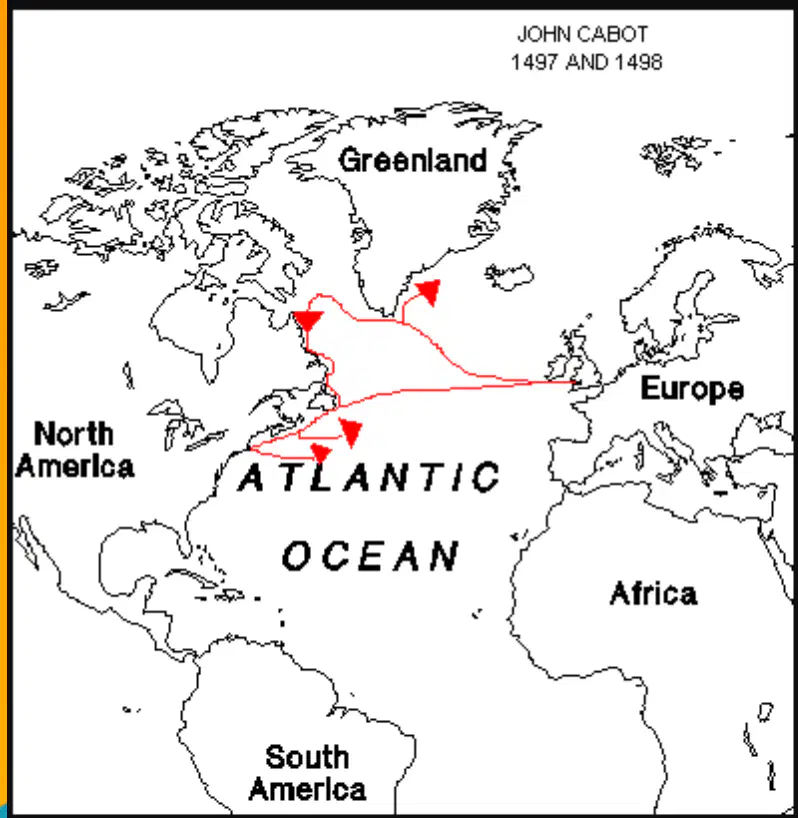
What region did John Cabot explore?
The northeastern coast of North America, including Newfoundland and the Atlantic coast
The Caribbean Sea and Central America
The Gulf of St. Lawrence and the St. Lawrence River
The Pacific coast of South America
Why did John Cabot sail for England?
To find the Northwest Passage, a hoped-for northern route to Asia, and to seek resources and land for England
To compete with Portugal for control of Africa
To explore the interior of South America by river
To establish a colony in the Caribbean
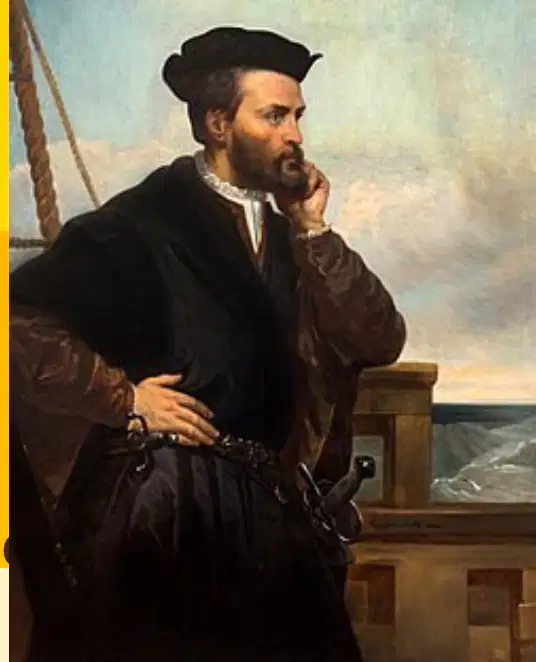
For which country did Jacques Cartier sail?
France
Spain
England
Portugal
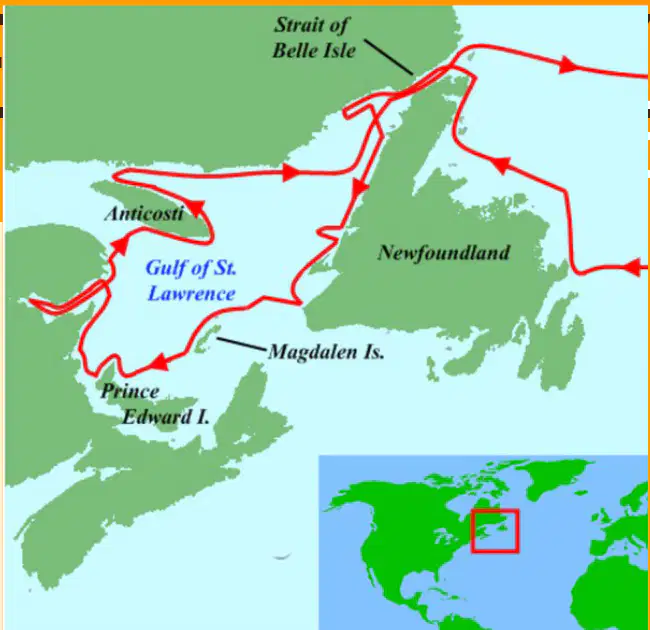
Which waterways did Jacques Cartier explore?
The Gulf of St. Lawrence and the St. Lawrence River in present-day Canada
The Caribbean Sea and the Gulf of Mexico
The Hudson Bay and the Mississippi River
The northeastern Atlantic coast including Newfoundland
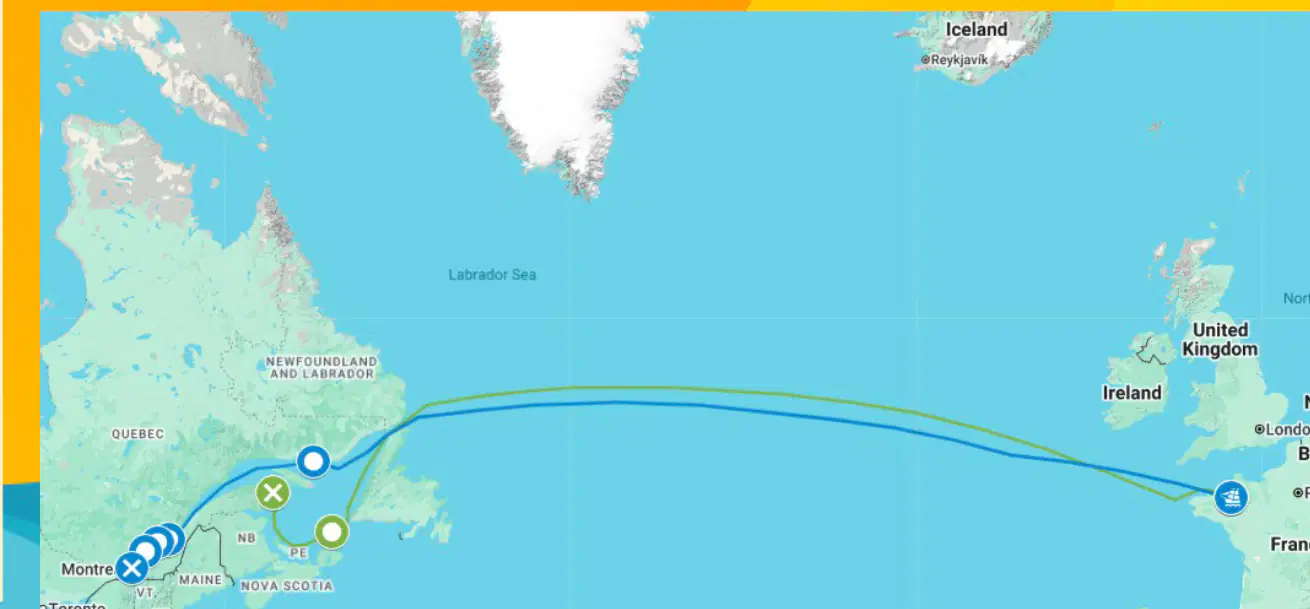
Why did Jacques Cartier sail for France?
To search for the Northwest Passage and valuable resources for France
To find new fishing grounds for England
To establish trade with Africa
To map islands in the Pacific Ocean
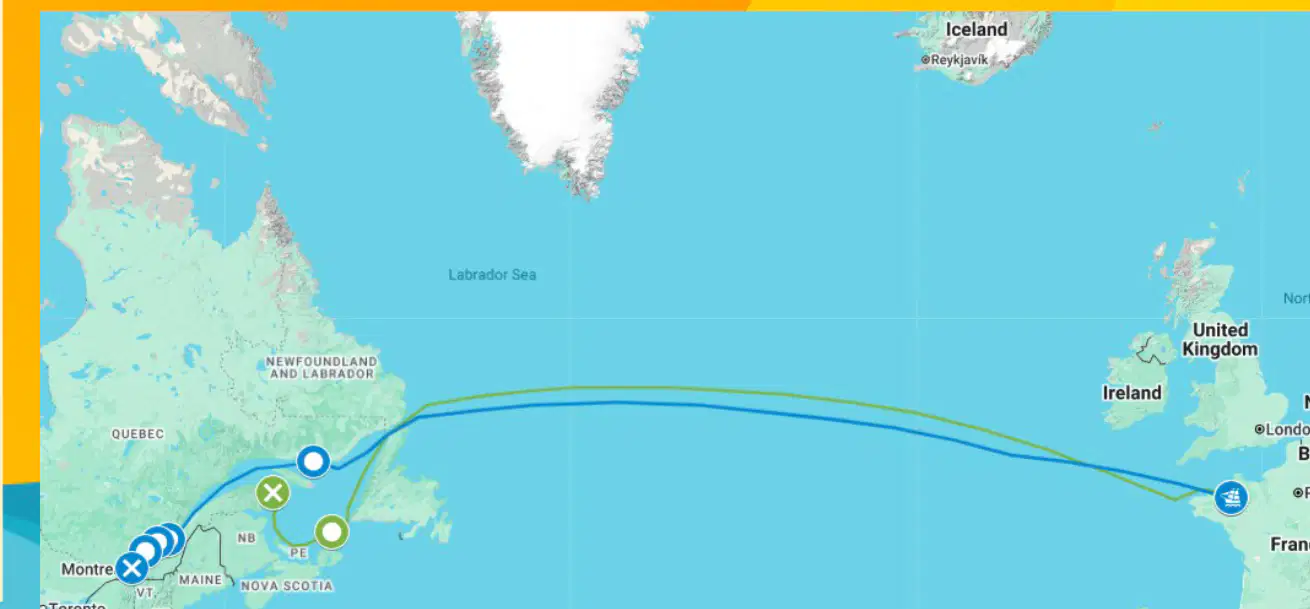
What lasting result came from Jacques Cartier’s explorations?
France used his explorations to claim territory in what is now Canada, and he found valuable furs
He found the Northwest Passage to Asia
He established a permanent French capital in the Caribbean
Spain used his maps to claim Central America
Who did Pedro Cabral sail for?
Portugal
Spain
England
France
What place did Pedro Cabral explore on the coast of South America?
Brazil
Argentina
Peru
Venezuela
Why did Pedro Cabral set sail, according to the text?
To reach India for spices and trade goods
To map the Arctic Ocean
To find a route to China over land
To conquer islands in the Pacific
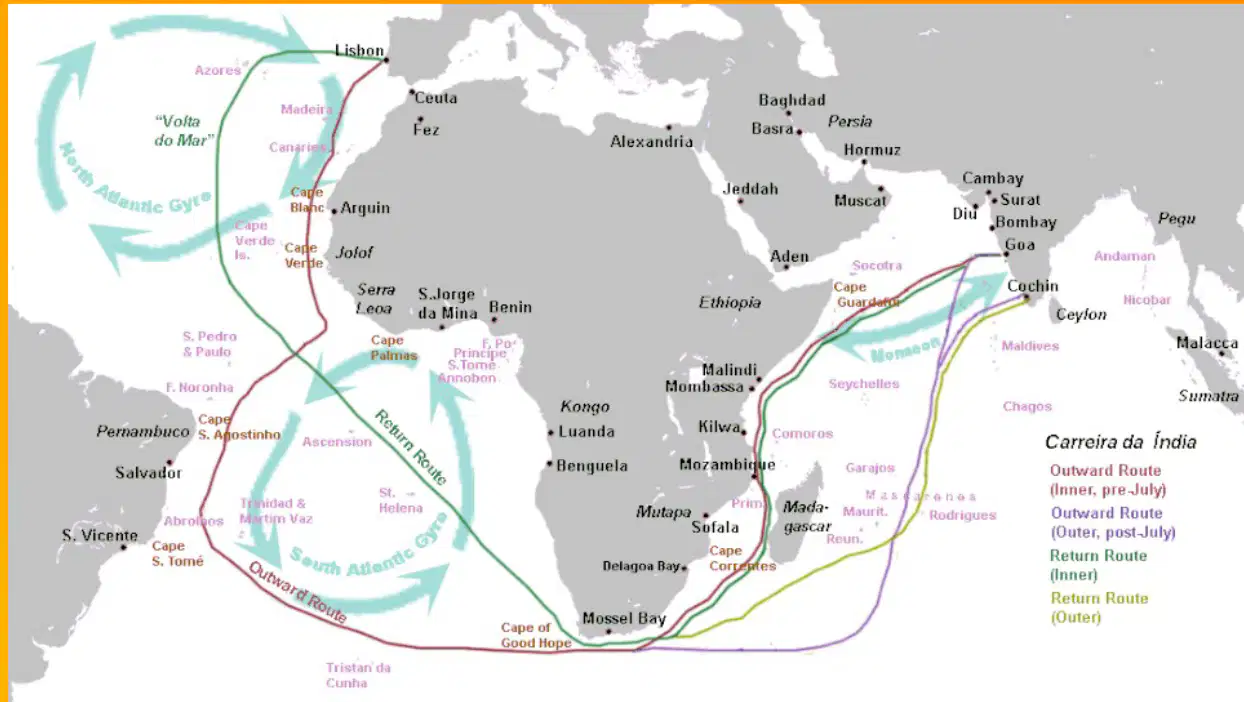
Look at the route map of voyages shown next to Pedro Cabral’s information. Which ocean did his westward sailing cross to reach the coast of Brazil?
Atlantic Ocean
Pacific Ocean
Indian Ocean
Arctic Ocean
Which country did Vasco Núñez de Balboa explore for?
Spain
Portugal
England
France
What time period is listed for Vasco Núñez de Balboa?
1510
1500–1501
1600s
1450
What region did Vasco Núñez de Balboa explore?
The Isthmus of Panama and the Pacific Ocean coast
The Amazon River in Brazil
The coast of North America
The Mediterranean Sea
Why did Vasco Núñez de Balboa cross the land in Central America?
To look for gold and other riches and to reach the ocean on the other side
To build a permanent Spanish city on the Atlantic coast
To search for a northern passage to Europe
To avoid meeting other explorers
What important discovery is credited to Vasco Núñez de Balboa?
He was the first European to reach the Pacific Ocean by crossing the Isthmus of Panama
He discovered a new river through Europe
He proved the Atlantic Ocean was the largest ocean
He was the first to sail around Africa
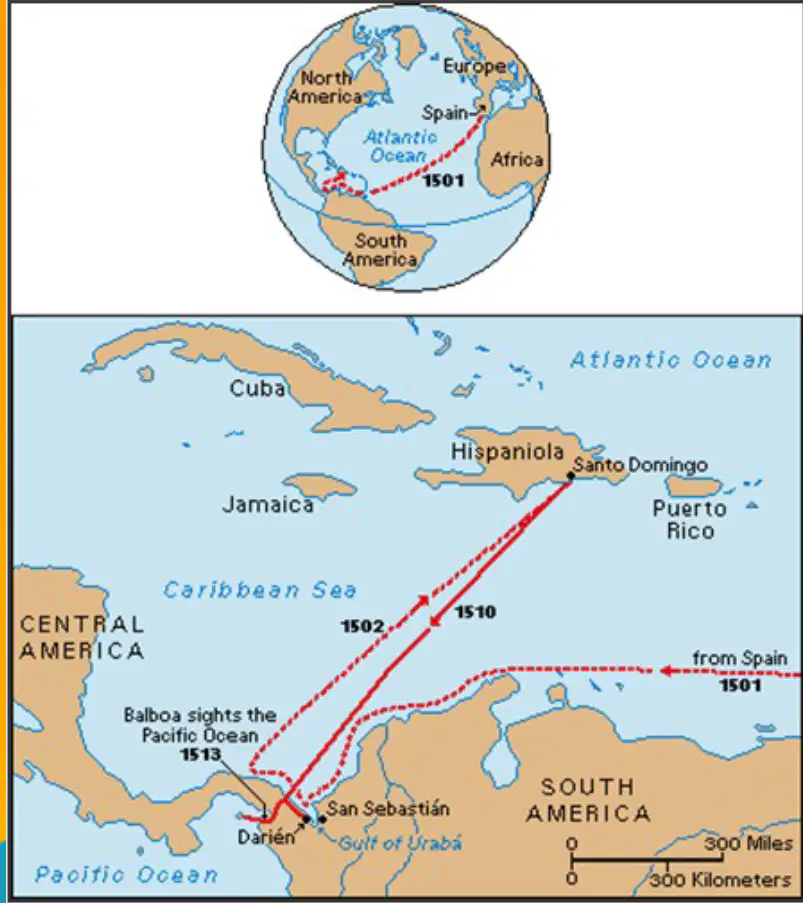
Refer to the map near Balboa’s passage that traces his routes across Central America. Which ocean did Balboa sight after crossing the Isthmus of Panama?
Pacific Ocean
Atlantic Ocean
Indian Ocean
Arctic Ocean
How did exploration changed history for the Indigenous peoples? Select all that apply.
Communities faced diseases, warfare, and colonization
Their lands were claimed by European countries
They immediately gained independence and equal rights
No major changes occurred in their communities
Which statement best summarizes a global effect of the Age of Exploration?
It connected Europe, Africa, Asia, and the Americas
It isolated continents from one another
It ended all sea travel between continents
It made only Europe more connected
What happened to trade during the Age of Exploration?
New trade routes were established
Trade routes were closed permanently
Only local trade continued within Europe
Trade stopped until peace treaties were signed
How is the Age of Exploration describe with how it connected the world.
More connected, though not always fairly or peacefully
Completely fair and peaceful everywhere
Less connected than before
Connected only by land routes

