
 Worksheets
Human Anatomy and Physiology Study Guide – Extracted Questions
Total questions: 60
Worksheet time: 30mins
Choose the correct order of the human body’s basic structural organization.
atoms → molecules → organelles → cells → tissues → organs → organ system → organism
atoms → cells → tissues → molecules → organelles → organs → organism → organ system
molecules → atoms → cells → organelles → tissues → organs → organ system → organism
cells → molecules → atoms → organelles → tissues → organs → organism → organ system
Which body plane is a horizontal plane that divides the body into a top half and a bottom half?
Transverse plane
Midsagittal plane
Frontal/Coronal plane
Oblique plane
Which body plane divides the body into right and left sides?
Transverse
Midsagittal
Frontal/Coronal
Sagittal-but-not-midline
Which directional term describes body parts away from the midline?
Medial
Lateral
Proximal
Caudal
When describing extremities relative to the point of reference (main trunk of the body), which term refers to body parts close to the point of reference?
Distal
Proximal
Inferior
Posterior
Which cavity is located in the chest and contains the esophagus, trachea, bronchi, lungs, heart, and large blood vessels?
Dorsal cavity
Thoracic cavity
Abdominal cavity
Pelvic cavity
Which abdominal cavity division contains the stomach, small intestine, most of the large intestine, appendix, liver, gallbladder, pancreas, and spleen?
Pelvic cavity
Cranial cavity
Abdominal cavity
Spinal cavity
Which cavity contains the eyes?
Orbital cavity
Buccal cavity
Nasal cavity
Pericardial cavity
Which cavity contains the heart?
Orbital cavity
Nasal cavity
Pericardial cavity
Buccal cavity
Select all valid ways the abdomen is divided according to the worksheet.
4 quadrants
6 quadrants
9 regions
5 regions
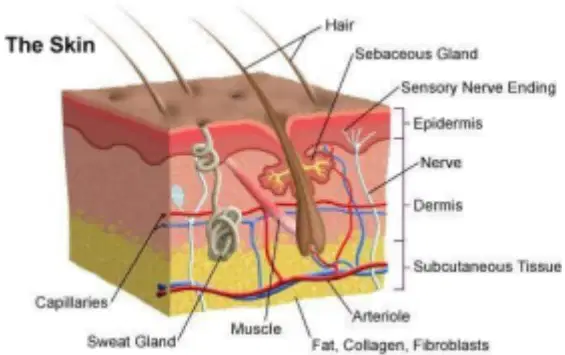
According to the labeled skin diagram, which layer is the outermost layer of the skin?
Dermis
Subcutaneous tissue
Epidermis
Muscle
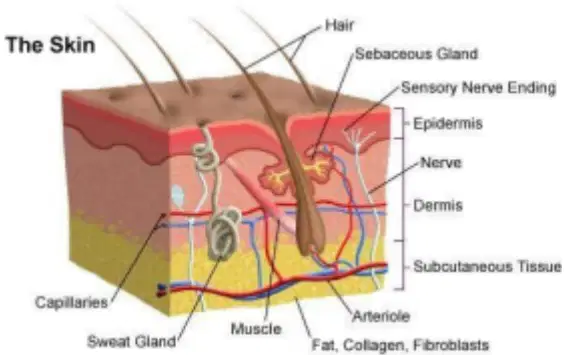
According to the labeled skin diagram, which structure produces sebum?
Sweat gland
Sebaceous gland
Capillary
Sensory nerve ending
In the cardiac cycle list, which chamber first receives deoxygenated blood entering from the superior and inferior vena cava (SVC/IVC)?
Left atrium
Right atrium
Left ventricle
Right ventricle
Which valve controls blood flow from the left atrium to the left ventricle?
Tricuspid valve
Pulmonary valve
Mitral/Bicuspid valve
Aortic valve
Which vessels carry oxygenated blood from the lungs to the left atrium?
Pulmonary arteries
Pulmonary veins
Superior vena cava
Aorta
Which valve prevents backflow from the pulmonary trunk into the right ventricle?
Aortic valve
Mitral/Bicuspid valve
Pulmonary valve
Tricuspid valve
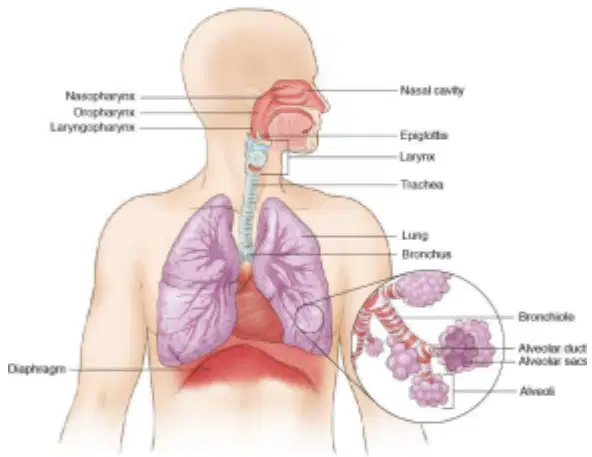
In the pathway of respiration list, where is O2 and CO2 exchanged?
Bronchi
Pharynx
Alveoli
Larynx
According to the pathway of respiration list, which structure comes immediately after the larynx?
Pharynx
Trachea
Bronchi
Bronchioles
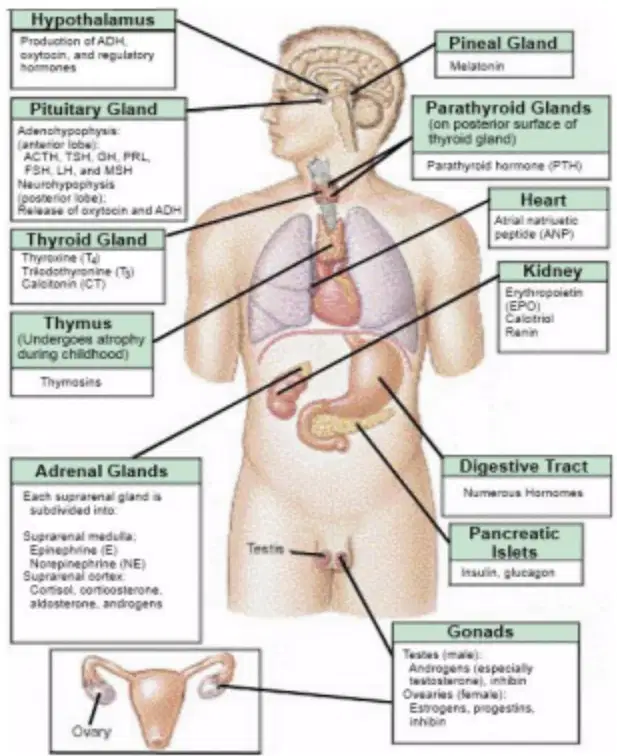
Which endocrine gland produces melatonin according to the labeled diagram?
Pituitary gland
Pineal gland
Thyroid gland
Adrenal gland
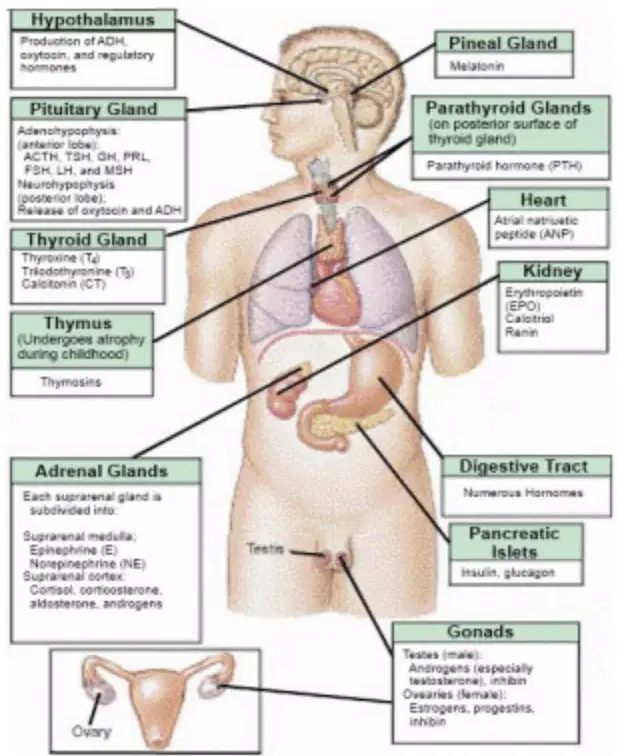
Which organ produces erythropoietin (EPO) according to the labeled diagram?
Heart
Kidney
Liver
Pancreatic islets
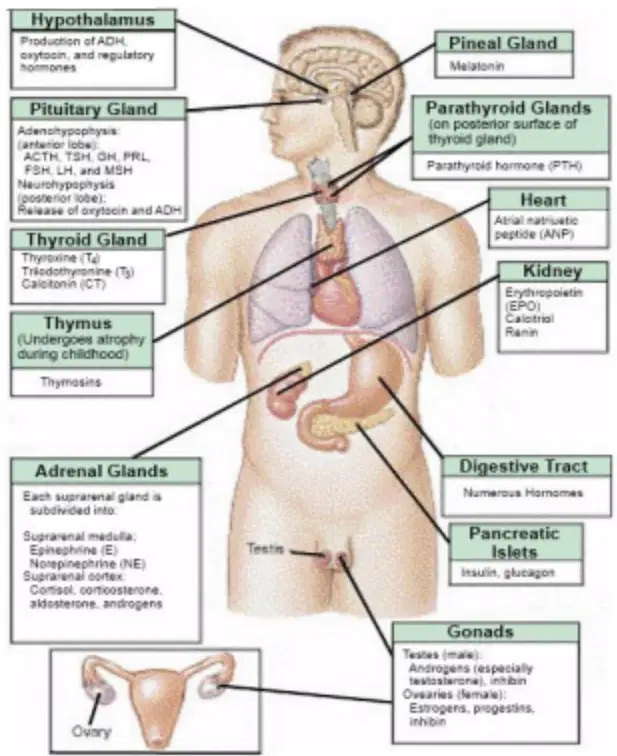
Which hormones are produced by the pancreatic islets according to the labeled diagram?
Insulin and glucagon
Thyroxine and calcitonin
Epinephrine and norepinephrine
Estrogens and progesterone
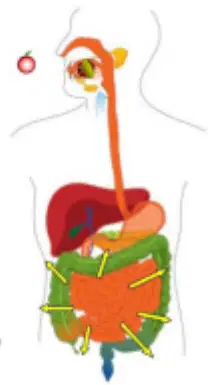
Which digestive process refers to swallowing?
Ingestion
Deglutition
Absorption
Egestion
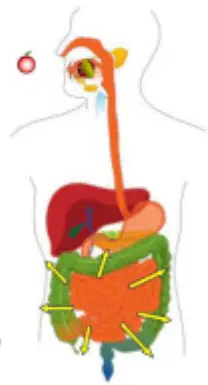
Which digestive process describes the elimination of non-digested substances out of the body?
Absorption
Chemical digestion
Egestion (defecation)
Mechanical breaking down
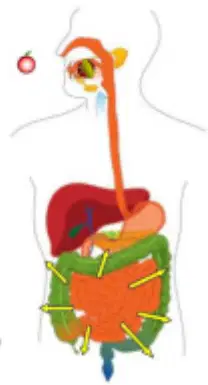
Which digestive process involves chemical breaking down using enzymes released by accessory glands?
Mechanical breaking down
Deglutition
Chemical digestion
Absorption
Diseases and Disorders: TB – Tuberculosis is a bacterial infection of the lungs transmitted by being airborne. What precautions are required when caring for a patient with TB?
Droplet and airborne precautions
Contact precautions only
Protective (reverse) isolation
No special precautions beyond standard
Diseases and Disorders: Symptoms of Diabetes listed include polydipsia, polyuria, and hypoglycemia. Which set below correctly lists symptoms of diabetes from the worksheet?
Polydipsia
Polyuria
Hypoglycemia
Hemoptysis
Bradycardia
Diseases and Disorders: CVA refers to cerebrovascular accident; stroke. What does CVA stand for?
Cardiovascular arrhythmia
Cerebrovascular accident
Chronic venous aneurysm
Cranial vascular abrasion
Diseases and Disorders: Preventative behaviors for heart disease include exercise, low fat and salt intake, reduction of stress, healthy diet, and controlling blood pressure. Which behaviors from the options are preventative for heart disease? Select all that apply.
Regular exercise
Low fat and salt intake
Reducing stress
Smoking to reduce appetite
Controlling blood pressure
Calculate intake for baby using oz -> mL (example: drank 16 oz – how many mL?). How many milliliters are in 16 ounces? No calculator available. (hint: 1oz = 29.57 mL)
240 mL
355 mL
473 mL
500 mL
A doctor prescribes 90 mg of medication. The available concentration is 30 mg/mL. How many mL should you administer? No calculator available.
2.0 mL
2.5 mL
3.0 mL
3.5 mL
24‑Hour Clock (Military Time) Conversion Chart: Convert each standard time to its 24‑hour (military) time equivalent.
9:30 am
09:30
11:00 pm
23:00
1:00 pm
13:00
2:00 pm
14:00
4:00 am
04:00
Concepts of Effective Communication: Methods of effective communication include that the message must be clear, the sender must deliver in a clear, concise manner, the receiver must be able to hear and understand, and interruptions and distractions must be avoided. Which statement best reflects these methods?
Ensure the message is clear and delivered concisely, the receiver can hear and understand, and avoid interruptions
Speak as quickly as possible to save time
Let the receiver decide how to interpret the message
Encourage side conversations to verify attention
Listening is an essential part of effective communication. Good listening skills include showing interest, being alert and maintaining eye contact, avoiding interrupting, paying attention, eliminating prejudices, removing distractions, and asking for clarification. Which actions are examples of good listening? Select all that apply.
Maintain eye contact with the speaker
Avoid interrupting the speaker
Move to a quiet area to reduce distractions
Think about how you will respond instead of listening
Ask for clarification if you do not understand
Subjective Observations are symptoms reported by the patient in the patient’s own words. Objective Observations are signs that can be observed or measured. Which example is subjective?
Patient states they feel dizzy
Blood pressure measured at 120/80
Visible bruise on the forearm
Temperature of 38∘C
Vital signs are important because they are measurable, objective data. Which best explains why vital signs are recorded?
They provide measurable, objective data about the patient’s condition
They are based solely on patient feelings
They are optional unless the patient requests them
They are only for documentation and have no clinical use
If a patient calls and is complaining about scheduling, what should the receptionist do according to the worksheet?
Listen to patient concerns
Refer the patient to social media
Tell the patient to call back later without explanation
Ignore the complaint
Medical Terminology and abbreviations: Oophorectomy – surgical removal of the fallopian tubes and ovaries; Algia – pain; PRN – as needed or desired. Match the term to its definition.
Oophorectomy
Surgical removal of the fallopian tubes and ovaries
Algia
Pain
PRN
As needed or desired
Health Care Delivery Systems: Deductibles are amounts paid by the patient before the policy begins to pay; Co‑Insurance shares percentages between patient and company; Co‑Payment is a specific amount paid for a particular service; PPO is a preferred provider organization; Medicare provides insurance for the elderly and disabled; Medicaid provides insurance to aid the less fortunate and needy. Which pairing is correct?
Co‑Insurance: a fixed dollar amount per service
Medicaid: insurance for the elderly and disabled
Deductible: amount paid by patient before policy pays
PPO: patients receive care at increased rate when using preferred providers
Additional Health Care Delivery Systems: TRICARE provides insurance to US military personnel and families; Worker’s Compensation covers injuries at work; AHA/Affordable Care Act provides insurance despite preexisting conditions. Which statement is accurate?
TRICARE serves US military members and families
Worker’s Compensation only pays for time off, not medical bills
Affordable Care Act denies coverage for preexisting conditions
TRICARE is for senior citizens only
Personal Traits of the Healthcare Professional: Health involves promoting health and preventing disease. A healthy appearance includes diet, rest, exercise, good posture, and avoidance of tobacco, alcohol, and drugs. Which combination below reflects these factors?
Balanced diet
Adequate rest
Regular exercise
Poor posture
Avoidance of tobacco, alcohol, and drugs
Desirable Personal Traits and Attitudes include empathy, honesty, dependability, flexibility, patience, acceptance of criticism, initiative, tact, competence, responsibility, discretion, and being a team player. Which is the best example of dependability?
Shows up to work on time
Keeps private information private
Relates to others’ feelings
Takes classes to earn CEUs
Career Decision Making: Which credential requires completion of two or more years beyond a bachelor’s or master’s degree, totaling 8 years?
Associate’s Degree
Bachelor’s Degree
Master’s Degree
Doctorate/Doctoral/Doctor’s degree
Licensure is a process whereby a government agency authorizes individuals to work in a given occupation. Which statement best describes licensure?
Recognition by a professional society
Government authorization to practice in a specific occupation
Completion of a short training course
Volunteer certification
A biomedical science major would have what type of job according to the worksheet?
Lab technician
Paramedic
Hospital administrator
Billing clerk
Western Medicine is the traditional medical model using doctors/PAs/NPs for treatment and diagnoses. Eastern Medicine uses nontraditional therapies such as acupuncture, massage therapy, and chiropractic. Which statement is correct?
Eastern Medicine relies on nontraditional therapies such as acupuncture and massage
Western Medicine avoids diagnosing conditions
Eastern Medicine prohibits manual therapies
Western Medicine primarily uses herbal remedies
Chiropractor believes misalignment of the spine causes physical problems; Homeopathy treats disease with minute doses of natural substances that would produce similar symptoms in a healthy person. Which description matches homeopathy?
Manual realignment of the spine
Treatment using minute doses of natural substances that mimic disease symptoms
Electrical stimulation of muscles
High‑dose vitamin therapy
A portfolio highlights knowledge, ability, and skills. Which items are components of a personal portfolio according to the worksheet? Select all that apply.
Introductory Letter
Resume
Skill List and Competency Level
Letters of Recommendation
Copies of Work Evaluation
Legal Implications: Malpractice is being trained and educated on providing care and making careless mistakes; Negligence is failing to care for a patient. Which situation is negligence?
Leaving a sponge inside a patient during surgery
Failing to assist a patient who needs help to the restroom and going home anyway
Performing a procedure outside your scope of practice
Providing incorrect medication due to misreading a label
Before performing procedures, obtain patient permission; Assault is threatening to harm; Battery is touching without permission. Which action is battery?
Telling a patient you will harm them
Moving a patient in a wheelchair without consent
Explaining a procedure and obtaining signed consent
Refusing to perform a task outside your scope
Informed consent: the doctor provides information to the patient about a procedure and obtains a signed consent. Which statement best describes informed consent?
Consent is implied when the patient is competent
Doctor explains the procedure and the patient signs consent
Consent is unnecessary for minors
Consent is verbal only and does not require documentation
Libel is written false information; Slander is spoken false information. Which is an example of slander?
Posting false statements about a patient in a chart
Telling coworkers false information about a patient verbally
Misfiling a patient record
Failing to sign an incident report
HIPAA: A friend wants you to take a picture of her in the ED and post it on social media. What should you do?
Do not do it
Post it with the patient’s approval only
Post it if no identifiers are visible
Share only with friends and relatives
Ethical Boundaries: Ethics provide a standard of conduct or code of behavior to analyze information and make decisions about what people believe is right or good conduct. Which principle is part of the ethical code listed in the worksheet?
Promote comfort and preserve life whenever possible
Favor certain patients based on social status
Share patient information with family without permission
Decide based on personal profit
Cultural, Social, and Ethnic Diversity: To show respect for an individual’s beliefs and practices, the health care worker should be a willing listener, provide support for spiritual and religious practices, respect religious symbols and books, allow privacy during religious customs, and refrain from imposing personal beliefs. Which actions demonstrate respect? Select all that apply.
Allow privacy during prayer or meditation
Respect religious symbols and books
Impose personal beliefs to guide the patient
Be a willing listener
Provide support for spiritual practices
Health care workers must learn to appreciate and respect personal characteristics of others. Which practice helps achieve this goal?
Recognize and avoid bias, prejudice, and stereotyping
Assume all patients share the same beliefs
Ignore cultural differences to save time
Decide on care based solely on provider preferences
Cultural Diversity definitions: Culture is the values, beliefs, attitudes, languages, symbols, rituals, behaviors, and customs unique to a particular group; Ethnicity is classification of people based on national origin. Which pairing is correct?
Culture: national origin classification; Ethnicity: shared rituals and behaviors
Culture: shared values and customs; Ethnicity: national origin classification
Culture: genetic traits; Ethnicity: dietary needs
Culture: language only; Ethnicity: religion only
Some people do not allow certain medications, procedures, blood transfusions due to cultural and religious beliefs. Bias is defined as preference. Which statement aligns with this note?
Bias refers to a preference that can affect care decisions
Bias means equal treatment for all patients
Cultural beliefs never affect medical decisions
Providers should ignore all patient preferences
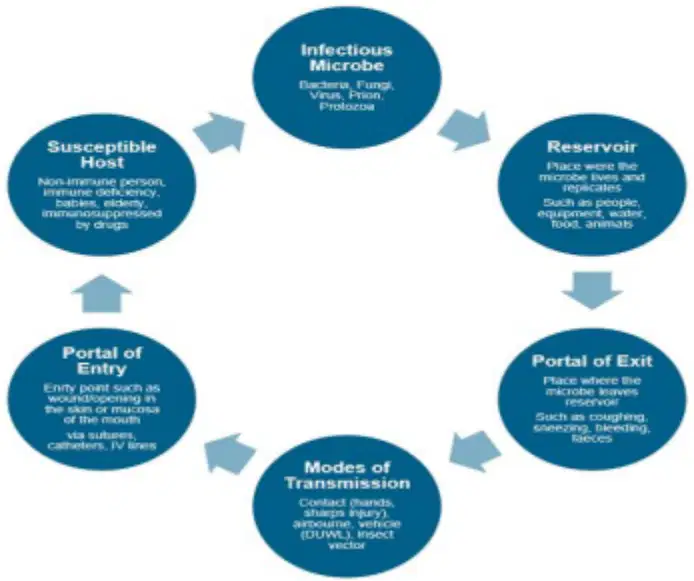
Chain of Infection diagram shows six linked stages with brief descriptions in circles. Match each stage to its correct description.
Infectious Microbe
Bacteria, fungi, viruses, protozoa
Reservoir
Place where the microbe lives and multiplies (such as people, food, animals)
Portal of Exit
Place where the microbe leaves the host (such as coughing, sneezing, feces)
Modes of Transmission
Contact, droplet, airborne, vehicle, vector
Portal of Entry
Entry point such as mouth, nose, eyes, a break in the skin, or mucous membranes
If a bottle of cleaner is dropped and splashes into eyes, what should you do?
Flush eyes with water, read the Safety Data Sheet (SDS), contact poison control, notify supervisor
Wipe eyes with a dry cloth and return to work
Wait for redness to subside, then report at end of shift
Call 911 immediately and avoid rinsing until told otherwise
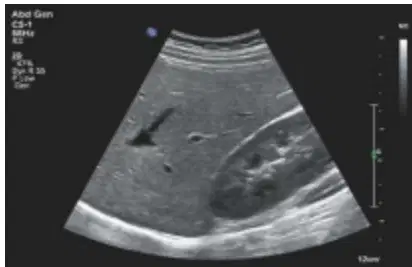
What is this type of procedure? (Image shows a grayscale abdominal study with a probe using sound waves.)
Ultrasound
X-ray
CT scan
MRI

