
 Worksheets
Vocab Check in 8
Total questions: 15
Worksheet time: 53mins
Name
Class
Date
1.

What is the place where two bones meet?
a)
hinge
b)
bone
c)
spot
d)
joint
2.
Which of the following is not a function of bones?
a)
Support and Protection
b)
Blood cell formation
c)
Storage
d)
Absorption
e)
Movement
3.
These are the three types of muscles.
a)
skeletal, cardiac, and smooth
b)
smooth, long, and short
c)
skeletal, round, and flat
d)
smooth, rough, and flat
4.
This system includes a group of organs and tissues that carry needed materials to cells and remove their waste products.
a)
digestive
b)
circulatory
c)
skeletal
d)
muscular
5.
These carry blood from all parts of the body back to the heart.
a)
heart
b)
arteries
c)
veins
d)
capillaries
6.
The site of gas exchange that look like small grapes are the...
a)
Alveoli
b)
Vein
c)
Artery
d)
Diaphragm
7.
Which two systems work together to provide oxygen to the body?
a)
Skeletal and Respiratory
b)
Circulatory and Muscular
c)
Muscular and Respiratory
d)
Respiratory and Circulatory
8.
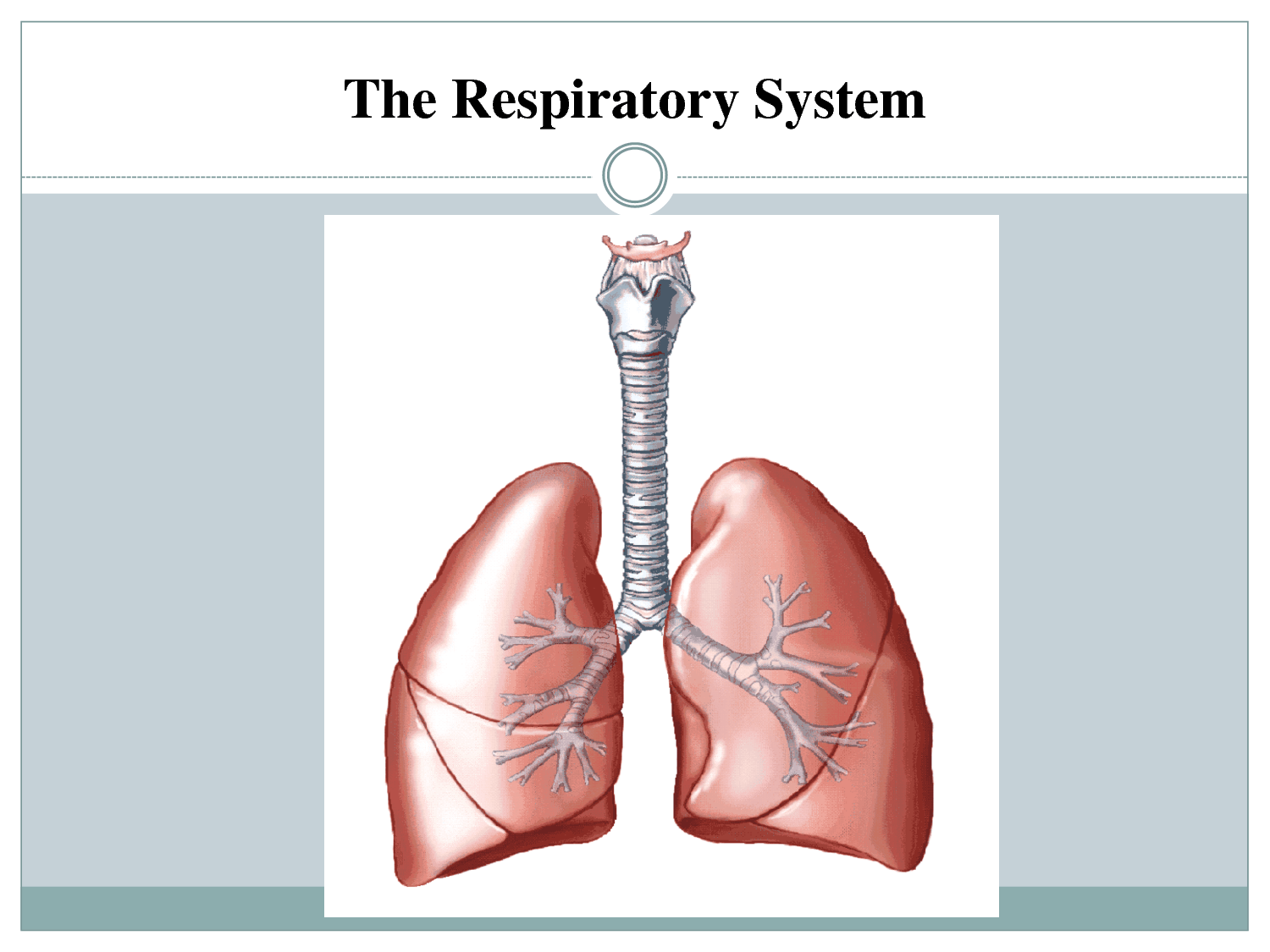
What is the main function of the respiratory system?
a)
to provide oxygen and remove carbon dioxide from the body
b)
to bring oxygen to the body
c)
to break down food and absorb nutrients
d)
to remove oxygen from the body and deliver carbon dioxide
9.
What is a voluntary muscle?
a)
You have control over the muscle
b)
You have no control over the muscle
c)
Muscle works automatically
d)
Muscles fuse together
10.
Involuntary muscle is
a)
muscle found in the heart
b)
muscle found in the organs
c)
muscle that works automatically
d)
all of these are true
11.
The smooth muscle is located
a)
In the heart
b)
Bones
c)
Head
d)
Within organs
12.
Cardiac muscles are ONLY located in the heart
a)
TRUE
b)
FALSE
13.
Skeletal muscles are attached to the _________.
a)
Stomach
b)
Lungs
c)
Bones
d)
Involuntary Muscles
14.
What are the functions of the muscular system?
a)
Move your body
b)
Generate heat
c)
stabilize joints
d)
maintain posture
e)
all of the above
15.
The function of this system is to relax and contract for movement.
a)
Muscular
b)
Skeletal
c)
Circulatory
d)
Respiratory
100 %

