
 Worksheets
Semester 1 Exam - 7th Grade
Total questions: 50
Worksheet time: 39mins
What term describes a set of written laws such as Hammurabi’s?
scribe
code
ziggurat
dynasty
What is the term for the earliest Sumerian writing made of wedge shapes?
hieroglyphics
cuneiform
alphabet
papyrus
What name describes a large political unit that rules many peoples and lands?
city-state
republic
empire
democracy
What do we call a person with legal rights and responsibilities in a state?
subject
citizen
patrician
plebeian
Which word means the long-term weather patterns of a place?
climate
region
environment
ecosystem
What is a primary source?
a later summary in a textbook
a modern opinion piece
a document created at the time of the event
a fictional account based on events
What is the term for belief in many gods?
monotheism
atheism
polytheism
secularism
What word refers to the shared beliefs, customs, and arts of a group?
culture
economy
architecture
perspective
Which word names a professional who copied and recorded documents in ancient societies?
scribe
senator
merchant
artisan
What is the process of placing events in the order they happened called?
chronology
continuity
adaptation
change
What term describes an object made by people used to learn about the past?
artifact
archive
manuscript
relic
What name refers to a stepped temple common in Mesopotamia?
pyramid
ziggurat
basilica
agora
Which term means a small independent political unit made up of a city and its surrounding land?
empire
city-state
province
township
What term identifies the practice of supplying water to crops through channels?
terrace farming
irrigation
domestication
metallurgy
What word refers to the ranking of people into levels like nobles and peasants?
social class
citizenship
democracy
guild
Which term means the study and love of wisdom, involving systematic questioning?
philosophy
theology
rhetoric
law
What do we call the unfair slant in a source that favors one side?
neutrality
bias
perspective
objectivity
Which word describes the way people produce, buy, and sell goods?
political system
economy
culture
geography
What is the name for a Roman structure that brought water into cities?
amphitheater
aqueduct
colonnade
forum
Which term refers to things that stay the same over time in history?
change
adaptation
continuity
revolution
Which of the following best defines a democracy?
rule by a king or queen
rule by the people, often by voting
rule by a single hereditary family
rule by appointed officials only
What is a republic?
a direct-democracy where everyone votes on every law
a state where citizens elect representatives to govern
a religious state ruled by priests
a territory with no government
What term describes skilled design and building style of structures and monuments?
culture
architecture
economy
irrigation
Which term names wealthy, aristocratic Roman families?
plebeian
legion
patrician
citizen
Which term names common Roman citizens (non-aristocrats)?
patrician
plebeian
legionary
senator
What is a temporary ruler appointed in emergencies with total power in Rome called?
emperor
dictator
consul
tribune
What is one basic unit of the Roman army called?
phalanx
legion
cohort
squadron
Which term refers to adapting habits to fit an environment?
modification
adaptation
migration
innovation
Which word means altering the environment to suit human needs (e.g., building dams)?
adaptation
conservation
modification
domestication
What is an area with common features such as language or landscape called?
climate
region
nation
culture
Which word means change over time in history?
continuity
sequence
transformation
change
What term describes early Egyptian picture writing?
cuneiform
runes
hieroglyphics
ideographs
Which term best describes a complex society with cities, government, and specialization?
tribe
village
civilization
commune
Which of these best defines a code?
a temple for worship
a type of writing tool
a set of written laws
an economic system
What term refers to the ordering of historical patterns that remain the same over time?
change
continuity
bias
perspective
Which choice best matches “chronology & timelines — why order matters” as an objective?
understanding artifacts
learning about climate zones
placing events in chronological order
comparing social classes
Which word describes the viewpoint shaped by someone’s background or experience?
objectivity
perspective
continuity
code
Click on the correct location of ancient Mesopotamia.
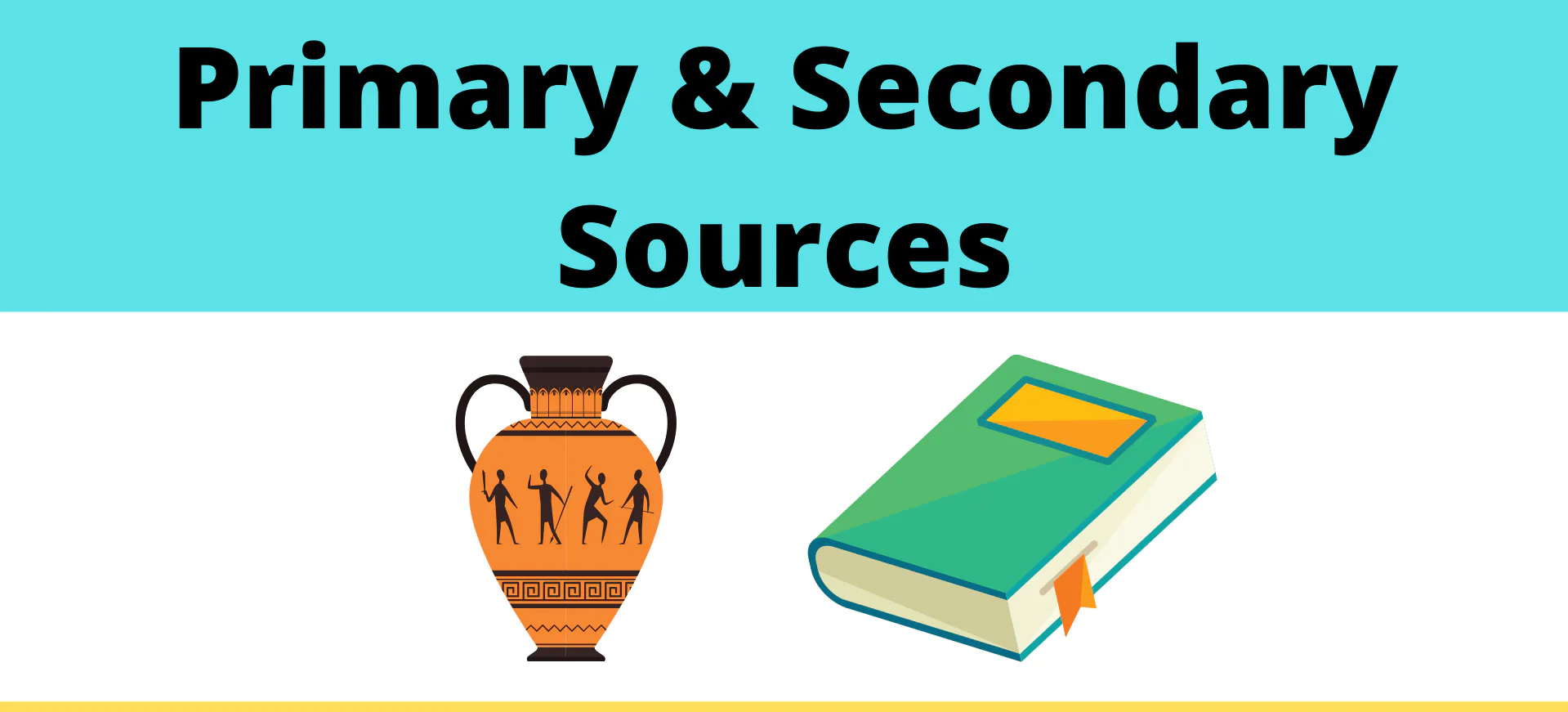
(a) describe any source that come from people who were actually at an event. Whereas (b) describe any source that come from people who were NOT actually at an event.
Match the following
A Mesopotamian pyramid with a temple on the top.
Ziggurat
A set of laws that apply to everyone under a government.
Code of Law
An area of very good soil from the Persian Gulf to the Mediterranean Sea
Fertile Crescent
Match the following
monarchy
power belongs to 1 ruler
acropolis
a flat-topped hill with a city-state
tyrant
someone who rules with total control
citizen
member of community with rights + duties
agora
public open space where people met up
How were Hammurabi's Code and the Roman Twelve Tables similar?
Both were written on bronze tablets
Both were displayed in public places for all to see
Both had extremely harsh consequences for breaking the law
Both were created to promote equality between social classes
"If a patrician (rich man) has knocked out the tooth of a man that is his equal his tooth shall be knocked out. If he has knocked out the tooth of a plebeian (poor man) he shall pay one-third of a mina of silver." Hammurabi's Code.
Question - How does this excerpt (text) portray (show) ancient Babylonian society?
Fines were reserved for only the most violent crimes
All men received harsh punishments regardless of the social class
Punishments reflected (showed) the divisions in social classes
Violent acts were always punished with violence
The choice to build pyramids like the Great Pyramid of Giza shows that ancient Egyptians placed great value on (a)
environmental issues
attracting tourists
military conquest
religious beliefs
What do all four Early River civilizations have in common about their religion?
They are all polytheistic
They are all monotheistic
They all believe in Buddhism
They all believe in Hinduism
(a) the order or organization of groups of people in a civilization.

