
NEW
Font size
 Worksheets
Bab 5 — Pakaian (Vocabulary and Antonyms)
Total questions: 45
Worksheet time: 23mins
From the topic outline, select the Chinese pattern that introduces time, distance, process, or sequence between two points.
从……到…… (cóng……dào)
比 (bǐ)
第 (dì-)
让 (ràng)
From the topic outline, choose the expression used to ask about another person’s opinion or view.
……,好吗? (……, hǎo ma?)
从……到…… (cóng……dào)
比 (bǐ)
第 (dì-)
From the topic outline, pick the structure used to compare qualities, degrees, or higher and lower levels of something.
比 (bǐ)
从……到…… (cóng……dào)
让 (ràng)
第 (dì-)
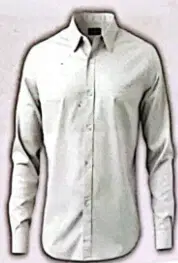
On the clothing vocabulary page labeled “Yīwù — Pakaian”, which term refers to a shirt?
chénshān (衬衫)
T-xù (T恤)
jiákè (夹克)
xīzhuāng (西装)
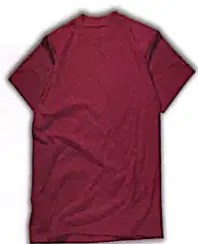
On the clothing vocabulary page labeled “Yīwù — Pakaian”, which term refers to a T-shirt?
T-xù (T恤)
chénshān (衬衫)
xīzhuāng (西装)
qúnzi (裙子)
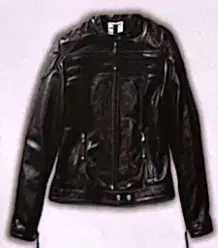
On the clothing vocabulary page labeled “Yīwù — Pakaian”, which term refers to a jacket?
jiákè (夹克)
xīzhuāng (西装)
kùzi (裤子)
xiézi (鞋子)

On the clothing vocabulary page labeled “Yīwù — Pakaian”, which term refers to a suit?
xīzhuāng (西装)
jiákè (夹克)
qúnzi (裙子)
tóujīn (头巾)
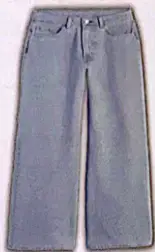
On the clothing vocabulary page labeled “Yīwù — Pakaian”, which term refers to a pair of pants?
kùzi (裤子)
qúnzi (裙子)
xīzhuāng (西装)
chénshān (衬衫)
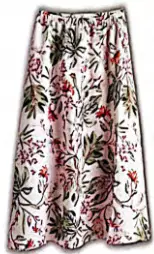
On the clothing vocabulary page labeled “Yīwù — Pakaian”, which term refers to a skirt?
qúnzi (裙子)
kùzi (裤子)
T-xù (T恤)
xiézi (鞋子)
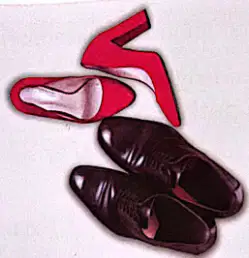
On the clothing vocabulary page labeled “Yīwù — Pakaian”, which term refers to shoes?
xiézi (鞋子)
qúnzi (裙子)
tóujīn (头巾)
xīzhuāng (西装)

On the clothing vocabulary page labeled “Yīwù — Pakaian”, which term refers to a headscarf?
tóujīn (头巾)
chénshān (衬衫)
jiákè (夹克)
xiézi (鞋子)

On the antonyms page labeled “Fǎnyící — Antonim”, which word is the opposite of cháng (长)?
duǎn (短)
guì (贵)
piányi (便宜)
dà (大)

On the antonyms page labeled “Fǎnyící — Antonim”, which word is the opposite of guì (贵)?
piányi (便宜)
duǎn (短)
xiǎo (小)
dà (大)
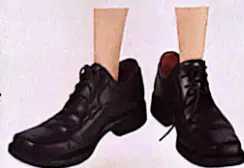
On the antonyms page labeled “Fǎnyící — Antonim”, which word is the opposite of dà (大)?
xiǎo (小)
cháng (长)
duǎn (短)
guì (贵)
Based on the dialogue, what does Mom think is helpful for the body?
Eating more vegetables
Taking a nap
Drinking tea
Running every day
Based on the dialogue, did Nulu find a job?
Yes, she found a job
No, she has not found one
She is starting school instead
She is changing jobs
Based on the dialogue, when will Nulu start working?
Next Monday
Tomorrow
Next month
This weekend
Based on the dialogue, what does Mom want to give Nulu?
A few pieces of clothing
Money
A new phone
A book
根据课文回答问题。 Jawab soalan berdasarkan dialog. Based on the store dialogue, what does Nǚlǔ decide to buy?
A red shirt
A white shirt
A blue shirt
A black shirt
根据课文回答问题。 Jawab soalan berdasarkan dialog. What does Aǐshā think about the white and blue shirts?
The white shirt is a bit long, and the blue shirt is a bit short
The white shirt is a bit short, and the blue shirt is a bit long
Both the white and blue shirts are too long
Both the white and blue shirts are too short
根据课文回答问题。 Jawab soalan berdasarkan dialog. Which color shirt does the shop assistant introduce to Nǚlǔ?
Black
Red
White
Blue
根据课文回答问题。 Jawab soalan berdasarkan dialog. Is the blue shirt longer than the black shirt?
Yes, the blue shirt is longer
No, the black shirt is longer
They are the same length
The dialogue does not mention length
根据课文回答问题。 Jawab soalan berdasarkan dialog. Is the blue shirt more expensive than the black shirt?
Yes, the blue shirt is more expensive
No, the black shirt is more expensive
They cost the same
The dialogue does not mention prices
根据课文回答问题。 Jawab soalan berdasarkan dialog. Is the red shirt cheaper than the black shirt?
Yes, it is a little cheaper
No, it is more expensive
No, it is the same price
The dialogue does not mention the red shirt’s price
根据课文回答问题。 Jawab soalan berdasarkan dialog. Who gives clothes to Nǚlǔ?
Aǐshā
Aǐshā’s mother
The shop assistant
Nǚlǔ’s sister
Answer based on the dialogue: Who sings together with Li Xiulian?
Her new dance teacher
Her brother
Teacher Chen
Aisha
Answer based on the dialogue: How many years older is Teacher Chen than the dance teacher?
1
2
3
5
Answer based on the dialogue: At what age did Li Xiulian first dance?
6
8
10
12
Answer based on the dialogue: Who is talking with Nuliu at the front?
Aisha’s older brother
Li Xiulian
Teacher Chen
The new dance teacher
Answer based on the dialogue: Does Li Xiulian know Aisha’s older brother?
Yes, they are classmates
Yes, he is her teacher
No, Aisha says she might not know him
No, she has never heard of Aisha
Answer based on the dialogue: How many years younger is Aisha than her brother?
3
4
5
6
Answer based on a real-life situation: When you are sick, what might a doctor ask you to do?
Take prescribed medicine and rest
Play sports to feel better
Avoid drinking water for a day
Skip sleep to finish homework
Answer based on a real-life situation: After it is past 10 p.m., what will your mom most likely not allow you to do?
Keep playing video games
Go to sleep
Brush your teeth
Prepare your school bag
Answer based on a real-life situation: Did you see your classmate’s mobile phone?
Yes, I saw it
No, I did not see it
Answer based on a real-life situation: Have you finished today’s homework?
Yes, I have finished it
No, I have not finished it
Answer based on a real-life situation: How long does it usually take you to travel from your dormitory to school?
About 10 minutes
About 30 minutes
About 1 hour
Less than 5 minutes
Answer based on a real-life situation: When did you start coming here to study?
Last month
Yesterday
In two years
Never
Answer based on a real-life situation: Is the new item you bought (clothes, book, or phone) expensive?
Yes, it is expensive
No, it is not expensive
Answer based on a real-life situation: Compared to your good friend, are you younger or older, and by how many years?
Younger by one year
Same age
Older by two years
Older by one year
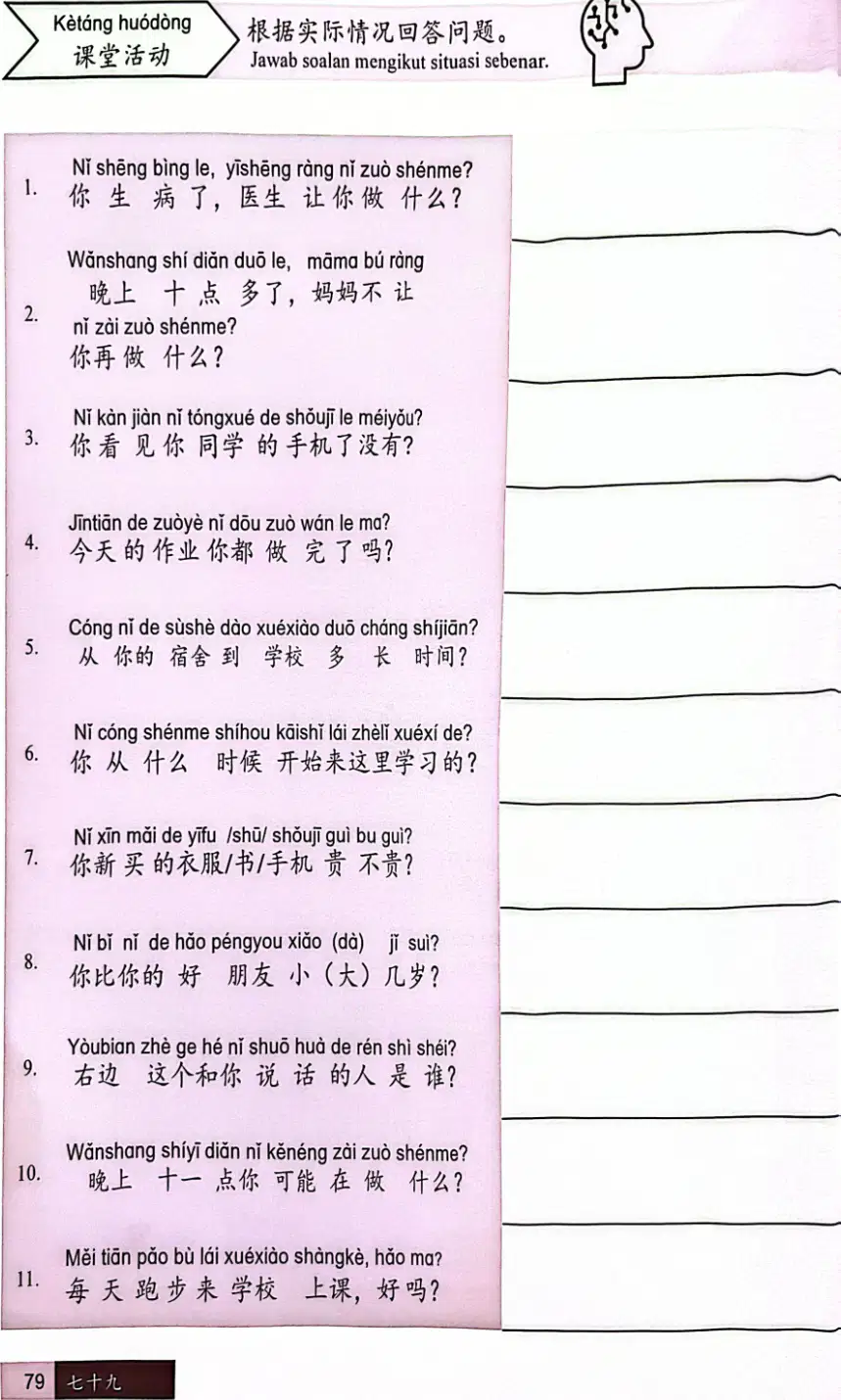
Answer based on a real-life situation: Who is the person on the right who is speaking to you?
Your teacher
Your classmate
Your parent
A doctor
Answer based on a real-life situation: At 11 p.m., what are you most likely doing?
Sleeping
Playing basketball outside
Taking a morning class
Eating lunch
Answer based on a real-life situation: Is it a good idea to run to school every day to attend classes?
Yes, because it is healthy and improves fitness
No, because it is unsafe and wastes time
Only on weekends
Never run, only drive a car
Choose the sentence that best completes the dialog: Zhè shì wǒ dì yī cì lái zhèlǐ jiànshēn. (This is my first time coming here to exercise.)
Ràng wǒ xiǎngxiàng zài gàosu nǐ. (Let me think and tell you later.)
Wǒmen qù túshūguǎn xuéxí ba. (Let’s go study at the library.)
Duō yùndòng duì shēntǐ yǒu bāngzhù. (More exercise is good for health.)
Choose the sentence that best completes the dialog: Xiàwǔ wǒmen qù kàn diànyǐng, hǎo ma? (Shall we go watch a movie this afternoon?)
Ràng wǒ xiǎngxiàng zài gàosu nǐ. (Let me think and tell you later.)
Wǒmen qù túshūguǎn xuéxí ba. (Let’s go study at the library.)
Duō yùndòng duì shēntǐ yǒu bāngzhù. (More exercise is good for health.)
Choose the sentence that best completes the dialog: Zuótiān de kǎoshì wǒ kěnéng dōu zuò cuò le. (I might have answered yesterday’s test all wrong.)
Ràng wǒ xiǎngxiàng zài gàosu nǐ. (Let me think and tell you later.)
Wǒmen qù túshūguǎn xuéxí ba. (Let’s go study at the library.)
Duō yùndòng duì shēntǐ yǒu bāngzhù. (More exercise is good for health.)

